
TCG onchain limits to account for
The shift to onchain digital collectibles introduces specific technical and market realities that differ sharply from traditional card trading. Understanding these constraints is essential for anyone evaluating the 2026 landscape.
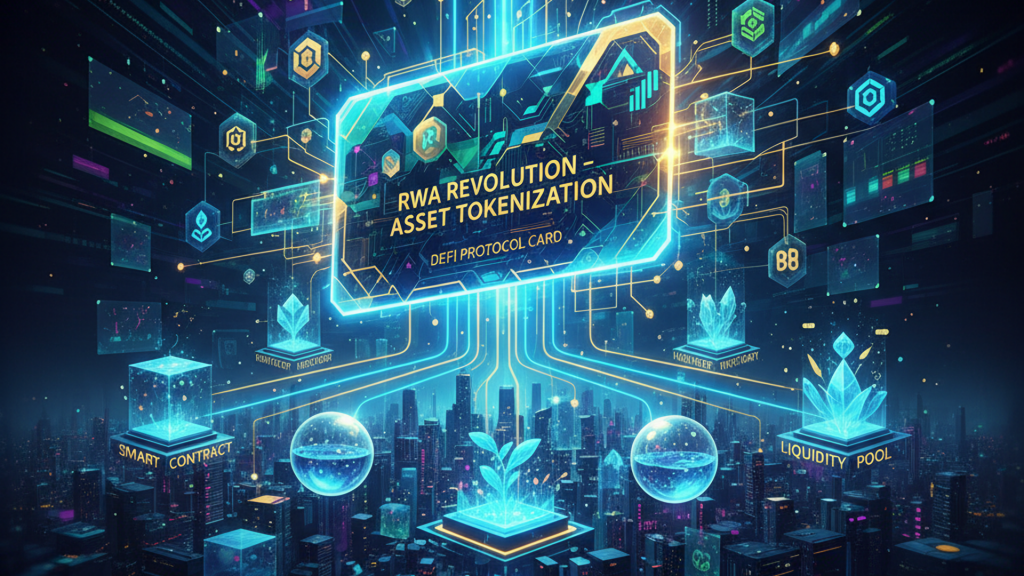
The primary friction point lies in the verification process itself. Unlike physical cards where authenticity is determined by tactile inspection and professional grading services, onchain assets rely entirely on cryptographic proofs and blockchain transparency. This means that while ownership is indisputable, the underlying asset’s metadata and visual integrity depend on the stability of the storage layer and the smart contract’s implementation.
Another significant constraint is liquidity fragmentation. Onchain secondary markets are often spread across multiple decentralized exchanges and specialized marketplaces rather than a single centralized hub. This can lead to wider bid-ask spreads and lower volume for niche items compared to established platforms like eBay or dedicated physical card auctions. Collectors must navigate these fragmented pools, which may require holding assets longer or accepting lower prices for immediate sales. The convenience of instant settlement is balanced against the reality of thinner order books.
Finally, the cost structure of onchain trading includes transaction fees that fluctuate with network congestion. While these fees are often lower than traditional marketplace commissions, they add a variable cost to every transfer, mint, or trade. For high-volume traders, these micro-costs accumulate, affecting overall profitability. Additionally, the irreversibility of blockchain transactions means that errors in wallet addresses or contract interactions result in permanent loss of assets, requiring a higher degree of technical diligence from participants.
TCG onchain choices that change the plan
Use this section to make the TCG OnChain Revolution decision easier to compare in real life, not just on paper. Start with the reader's actual constraint, then separate must-have requirements from details that are merely nice to have. A practical choice should survive normal use, maintenance, timing, and budget. If a recommendation only works in an ideal situation, call that out plainly and give the reader a fallback path.
| Factor | What to check | Why it matters |
|---|---|---|
| Fit | Match the option to the primary use case. | A good deal still fails if it does not fit the job. |
| Condition | Verify age, wear, and service history. | |
| Cost | Compare purchase price with likely upkeep. | The cheapest option is not always the lowest-cost option. |
Choose the next step
The TCG OnChain Revolution works best as a clear sequence: define the constraint, compare the realistic options, test the tradeoff, and choose the path with the fewest hidden costs. That order keeps the advice usable instead of decorative. After each step, pause long enough to check whether the recommendation still fits the reader's actual situation. If it depends on perfect timing, unusual access, or a best-case budget, include a simpler fallback.

Spotting weak options and misleading claims
The shift to on-chain collectibles promises transparency, but the market is rife with noise. Buyers often fall for projects that prioritize marketing over actual utility or provenance. To navigate this, you must distinguish between genuine blockchain integration and superficial "digital sticker" approaches that offer no real advantage over traditional trading cards.
Verify the smart contract
Many platforms claim to be "Web3-ready" without disclosing the underlying smart contract details. A legitimate project will provide a verifiable link to the contract address on a block explorer. Without this, you are trusting a central server, not a decentralized ledger. Always check if the contract is verified and if the token standards (ERC-721 or ERC-1155) match the project's intended use case for rarity and metadata.
Check for liquidity traps
High volume on a secondary marketplace does not guarantee you can sell your asset. Some platforms create artificial liquidity or lack a robust buyer base. Look for projects with consistent trading volume across multiple platforms, not just a single internal marketplace. If the only place to buy or sell is the issuer's own app, the asset's value is artificially controlled and potentially illusory.
Beware of vague provenance
On-chain verification should mean immutable history. If a project claims "on-chain authenticity" but the metadata is hosted on a centralized server that can be altered, the claim is false. True digital collectibles store critical data on-chain or use decentralized storage like IPFS. Ensure the project documents exactly what is stored where, so you know what part of the asset is truly yours.
TCG onchain: what to check next
Navigating the intersection of physical trading card games and blockchain technology requires understanding both the mechanics and the market realities. These answers address the most common practical objections and technical queries from collectors entering the space in 2026.
The transition from physical to digital verification is reshaping how collectors assess value. By relying on blockchain transparency, the market reduces the friction of authentication, allowing buyers to focus on rarity and utility rather than verifying physical condition.
No comments yet. Be the first to share your thoughts!