
What TCG on-Chain Actually Means
The phrase "TCG on-chain" refers to trading card games where the card data lives on a public blockchain ledger rather than on a private company server. When you buy a digital card in these games, you are buying a token that proves you own that specific asset. This shifts the card from a license to play to a verifiable piece of property that can be moved between wallets or sold on open markets.
This model contrasts sharply with traditional digital TCGs like Hearthstone or Magic: The Gathering Arena. In those games, Wizards of the Coast or Blizzard controls the database. If they change a card's stats or ban it, your collection reflects that change immediately. On-chain TCGs, however, rely on smart contracts to enforce rules. The code is public, and the history of every card's ownership is permanently recorded. This transparency is the primary driver for collectors who want assurance that their assets cannot be arbitrarily altered or deleted by a developer.
The shift has created a new secondary market dynamic. Because every card's provenance is traceable from its minting to its current owner, rarity is no longer just about what the developer printed, but what the community values. This has led to a surge in on-chain TCG investment, with some projects reporting billions in volume as players treat cards like tradable commodities rather than just game pieces.
Tcg on-chain choices that change the plan
Moving physical trading cards to the blockchain introduces specific structural differences that directly impact liquidity, cost, and risk. Unlike traditional secondary markets where value is driven by scarcity and condition, on-chain TCGs are governed by smart contract logic and token standards. Before committing capital to these digital assets, you need to evaluate the concrete mechanics behind the hype.
Liquidity and Market Depth
Physical cards often suffer from illiquidity; finding a buyer for a niche card can take weeks or months. On-chain TCGs offer instant settlement, but this speed depends entirely on the liquidity pool or marketplace volume. A card might have a theoretical floor price, but if no one is buying, the asset is frozen. High-volume chains like Ethereum or Solana offer better depth, but gas fees can erode profits on lower-value cards.
Minting Mechanisms and Supply Control
Supply dynamics define value in both physical and digital TCGs. Traditional cards are printed in finite runs. On-chain TCGs often use "minting" events where new cards are generated based on code rules. Some projects limit supply by tying minting to block production, creating a predictable but potentially inflationary flow. Others use randomized drops (gacha mechanics), which can create artificial scarcity but also frustrate collectors seeking specific assets.
Verification and Authenticity
In the physical world, grading services like PSA or BGS authenticate cards, adding cost and time but ensuring trust. On-chain, authenticity is binary: the token exists in the contract or it doesn’t. This eliminates counterfeiting risks but introduces smart contract risk. If the contract has a vulnerability or the developer retains admin keys to mint more cards, the asset’s value can collapse instantly. You are trading physical risk for digital code risk.
Cost of Entry and Exit
Transaction fees (gas) and marketplace commissions create friction. On Ethereum, a simple trade can cost $5–$20 in gas, making low-value cards uneconomical to trade. Layer-2 solutions and alternative chains reduce these costs, but they may fragment liquidity. Always calculate the total cost of ownership, including minting fees, storage costs (if using IPFS), and trading slippage, before evaluating potential returns.
| Factor | Physical TCG | On-Chain TCG |
|---|---|---|
| Liquidity | Low to Medium (depends on demand) | High (instant settlement, depends on pool depth) |
| Authentication | Third-party grading (PSA/BGS) | Smart contract verification (binary) |
| Supply Control | Finite print runs | Code-defined (minting events, gacha) |
| Transaction Costs | Shipping, insurance, platform fees | Gas fees, marketplace commissions |
| Primary Risk | Physical damage, loss, counterfeits | Smart contract bugs, rug pulls |
The correlation between broader crypto market sentiment and on-chain TCG values is strong. When Bitcoin trends up, speculative assets like digital cards often follow, but with higher volatility. Use the chart above to gauge general market health before entering the TCG space. If the broader market is bearish, liquidity in niche TCGs will dry up faster than in physical markets.
How to evaluate on-chain TCG value
The 2026 TCG meta shift is defined by on-chain provenance, which transforms secondary market values from speculative guesses into auditable data points. Buyers and sellers now rely on immutable records to verify rarity, ownership history, and authenticity. This section outlines a practical framework for navigating this new landscape, ensuring you make informed decisions based on verifiable metrics rather than hype.
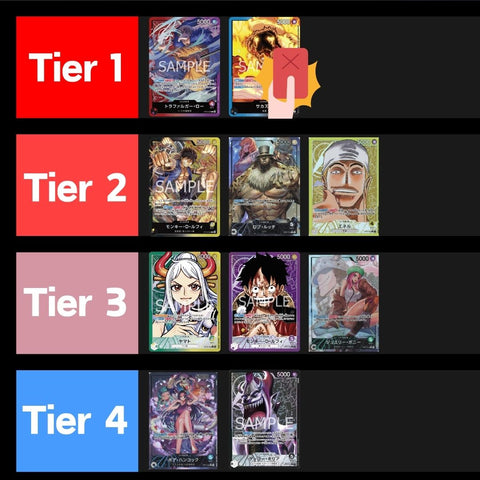
Before engaging with any on-chain card, confirm the smart contract address matches the official project deployment. Unofficial or forked contracts often mimic popular games but lack genuine scarcity or community backing. Use block explorers like Etherscan or Solscan to cross-reference the contract address against the project’s official website or verified social channels. This single check prevents purchasing counterfeit assets that hold no real market value.
True rarity in on-chain TCGs is determined by transparent minting logic, not arbitrary marketing claims. Review the contract’s total supply cap and minting schedule to understand scarcity dynamics. Some projects limit new card issuance per block, creating predictable deflationary pressure, while others may have unlimited mints that dilute value. Look for contracts that enforce hard caps or burn mechanisms, as these directly support long-term value retention by reducing circulating supply over time.
High floor prices mean little if you cannot sell the asset when needed. Evaluate liquidity by examining recent trade volume and bid-ask spreads on platforms like OpenSea or Magic Eden. Healthy markets show consistent trading activity across multiple price points, indicating strong buyer interest. Avoid assets with thin order books or long periods of inactivity, as these signal low demand and high risk when trying to exit a position.
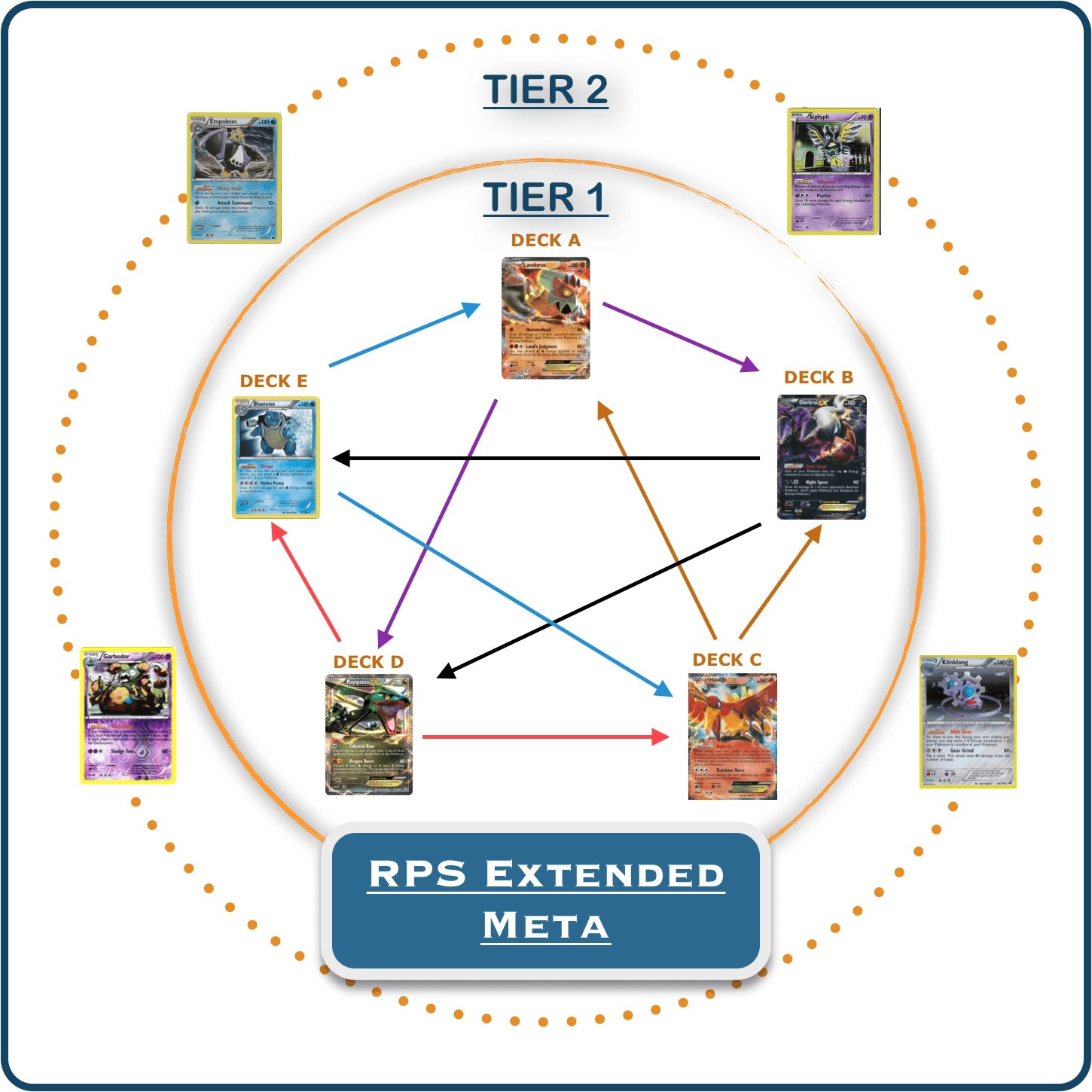
The sustainability of an on-chain TCG depends heavily on active development and community trust. Review GitHub commit history, Discord activity, and official roadmap updates to gauge project health. Projects with regular updates, bug fixes, and community governance participation tend to retain value better during market downturns. Conversely, abandoned projects or those with silent developers often see rapid value erosion as confidence wanes.
Key Takeaways
- Always verify smart contract addresses to avoid counterfeit assets.
- Prioritize projects with transparent, fixed supply caps and minting rules.
- Assess liquidity through recent trade volume and bid-ask spreads.
- Monitor developer activity and community engagement for long-term viability.
Spotting Misleading Claims in On-Chain TCGs
The on-chain TCG market has grown into an $8 billion sector, but the surge in volume has also attracted noise. Many projects promise permanent value, yet the mechanics often undermine long-term stability. You need to look past the marketing and check the actual tokenomics and card utility before committing capital.
The "Gacha" Trap
Many on-chain games use gacha mechanics where cards are "mined" or randomized from new blocks. This model creates artificial scarcity in the short term but floods the market with supply over time. Unlike traditional TCGs where print runs are controlled, blockchain supply is often transparent and infinite. This leads to rapid inflation, making early investments risky and secondary market values volatile.
Fake Utility and Empty Promises
Some projects claim their NFTs have real-world utility, such as tournament entry or exclusive content. However, many of these features are either non-existent or require excessive spending to access. Without a sustainable economy, these utilities become liabilities rather than assets. Always verify if the card’s function is tied to a working game loop or just a static image with a promise.
Ignoring liquidity limits to account for
A common mistake is assuming all NFTs are equally liquid. While some high-profile cards trade frequently, others may have zero volume for weeks. On-chain provenance helps verify authenticity, but it does not guarantee a buyer. Check the trading volume on marketplaces like OpenSea or specialized TCG platforms. Low liquidity can trap your capital, especially during market downturns.
Weak Tokenomics and Inflation
Many on-chain TCGs rely on dual-token systems where one token pays for transactions and another rewards gameplay. If the reward rate exceeds the burn rate, the token price collapses. This inflationary pressure directly impacts the value of your cards. Look for projects with balanced economies where card supply is capped or burned through gameplay, not just minted endlessly.
Tcg on-chain: what to check next
Before committing capital to on-chain trading card games, it helps to separate the mechanics of the game from the mechanics of the market. These answers address the practical objections readers often have when navigating this space.
No comments yet. Be the first to share your thoughts!