
TCG onchain limits to account for
Use this section to make the TCG Onchain Revolution decision easier to compare in real life, not just on paper. Start with the reader's actual constraint, then separate must-have requirements from details that are merely nice to have. A practical choice should survive normal use, maintenance, timing, and budget. If a recommendation only works in an ideal situation, call that out plainly and give the reader a fallback path.
The simplest way to use this section is to write down the must-have criteria first, then compare each option against those criteria before weighing nice-to-have features.
TCG onchain choices that change the plan
Use this section to make the TCG Onchain Revolution decision easier to compare in real life, not just on paper. Start with the reader's actual constraint, then separate must-have requirements from details that are merely nice to have. A practical choice should survive normal use, maintenance, timing, and budget. If a recommendation only works in an ideal situation, call that out plainly and give the reader a fallback path.
| Factor | What to check | Why it matters |
|---|---|---|
| Fit | Match the option to the primary use case. | A good deal still fails if it does not fit the job. |
| Condition | Verify age, wear, and service history. | Hidden condition issues erase upfront savings. |
| Cost | Compare purchase price with likely upkeep. | The cheapest option is not always the lowest-cost option. |
How to evaluate onchain TCG collectibles
The shift from centralized servers to onchain ledgers changes how you verify ownership and liquidity. Instead of relying on a company’s promise to honor your digital items, you now hold the keys directly. This section provides a practical framework for assessing whether a specific project fits your risk tolerance and investment goals.
Verify the underlying asset and minting mechanism
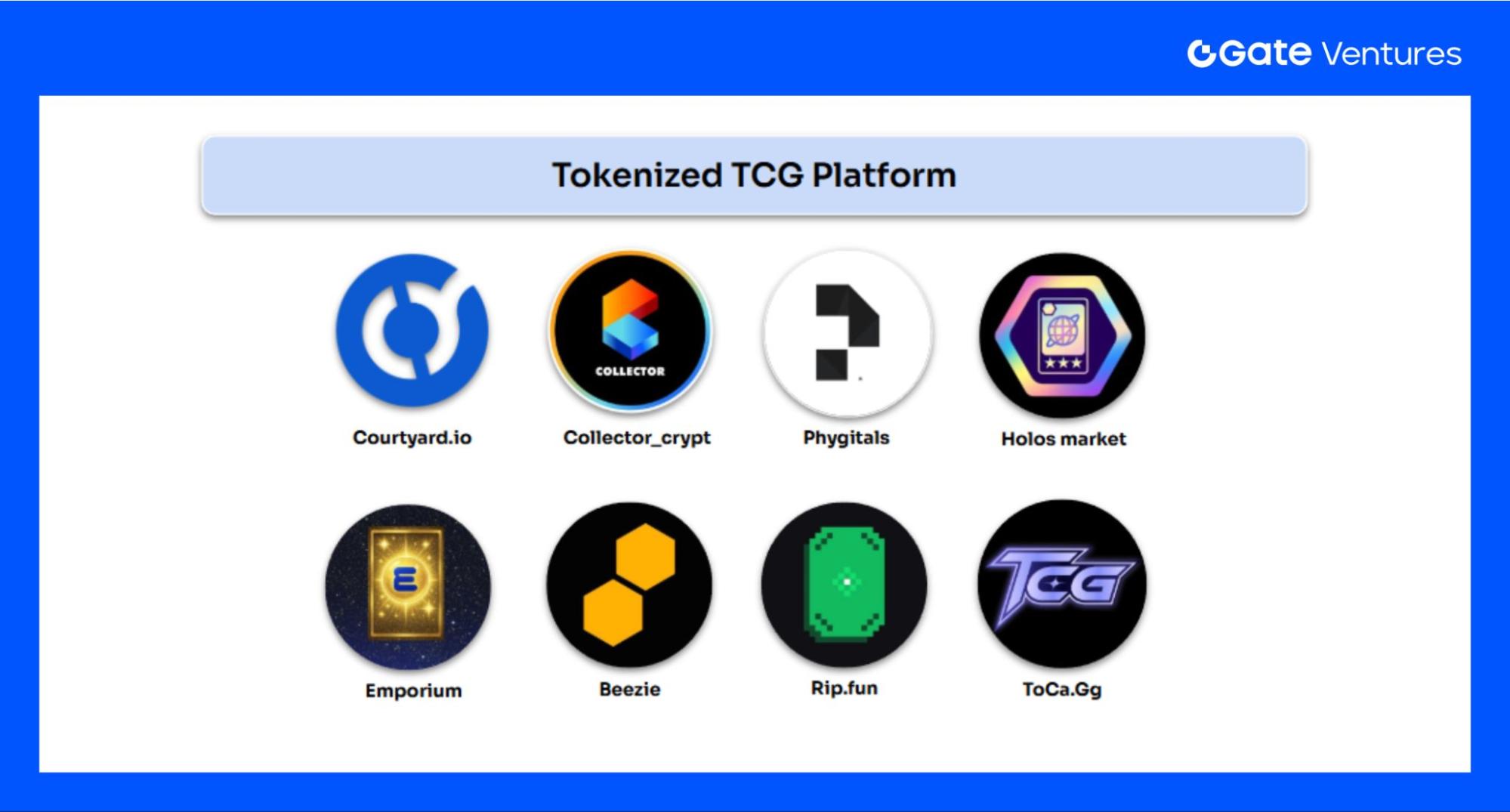
Before buying, confirm whether the collectible is a pure digital token or a Real World Asset (RWA) backed by physical cards. Projects like Collector Crypt on Solana bridge physical Pokémon cards with onchain tokens, meaning the value is tied to both the digital contract and the physical item’s condition. Check if the project provides a clear redemption path for the physical asset, as this significantly impacts long-term stability.
Assess liquidity and trading volume
Onchain TCGs often suffer from thin order books compared to traditional exchanges. Use a data dashboard like Dune Analytics to view real-time trading activity. Look for consistent volume across multiple days rather than spikes driven by hype. Low liquidity can make it difficult to exit a position without accepting a steep discount, especially during market downturns.
Audit the smart contract and team transparency
The security of your collectible depends entirely on the code governing it. Review the project’s GitHub repository and audit reports from firms like CertiK or OpenZeppelin. Pay attention to whether the team retains control over token minting or pricing mechanisms. Projects with anonymous teams and unaudited contracts carry a higher risk of rug pulls or sudden value dilution.
Compare fees and platform compatibility
Different blockchains impose varying transaction costs. Ethereum mainnet fees can erase margins on lower-value collectibles, while Layer 2 solutions or Solana offer cheaper alternatives. Ensure your wallet supports the specific blockchain and that the marketplace you intend to use has low entry barriers. A high-quality asset is less valuable if the cost to trade it exceeds its potential profit.
| Evaluation Factor | High Risk Signs | Lower Risk Signs |
|---|---|---|
| Asset Backing | Purely digital with no utility | Backed by physical cards or utility |
| Liquidity | No recent trades or high spread | Consistent daily volume on Dune |
| Contract Control | Team can mint unlimited tokens | Audited code with fixed supply |
| Platform Fees | High gas fees on Ethereum mainnet | Low-cost L2 or Solana integration |
Spotting Weak Options in the TCG Onchain Space
The promise of true digital ownership in Trading Card Games (TCG) is being diluted by projects that rely on vague utility rather than verifiable asset value. Many platforms market themselves as metaverse destinations where users can earn coins or find NFT collectibles, but the underlying mechanics often lack the transparency required for serious investment or long-term play.
Investors and players must distinguish between legitimate on-chain assets and speculative tokens with weak backing. The confusion around terms like "TCG price" often masks a lack of clear liquidity or a sustainable economic model. Before committing capital, it is essential to audit the project's smart contracts and tokenomics to ensure that the "ownership" being sold is not just a marketing buzzword for a closed-loop system.
Focus on projects that provide real-world asset (RWA) integration or transparent, open-source code. Avoid platforms that obscure their revenue models or rely on hype-driven social media campaigns without substantive development milestones. The 2026 landscape will likely weed out these weak options, leaving only those with genuine utility and community trust.
TCG onchain: what to check next
The intersection of traditional collectibles and blockchain technology creates confusion around terminology and mechanics. These answers clarify the core concepts driving the 2026 onchain revolution, separating speculative noise from tangible utility.
Understanding these definitions helps you master the shift from passive collecting to active onchain participation. As the market matures, clarity on these fundamentals becomes essential for evaluating which projects offer genuine utility versus speculative hype.
No comments yet. Be the first to share your thoughts!