
TCG onchain budget
The onchain trading card game (TCG) space has matured from speculative novelty to a structured investment layer. In June 2026, onchain gacha spending reached an all-time high, signaling that collectors are increasingly willing to spend crypto on randomized digital assets rather than traditional physical cards alone. This shift is driven by the ability to tokenize physical slabs, turning sealed product into collateral for stablecoin loans. For buyers, this means the "budget" is no longer just about the purchase price, but the liquidity and utility of the asset.
When evaluating TCG products onchain, focus on the underlying blockchain mechanics. On-chain transactions are validated and recorded on the main network, ensuring transparency. However, the value of a digital card often depends on its rarity and the platform's tokenomics. For instance, crypto TCGs allow players to trade cards directly using tokens like WLD, creating a secondary market that exists independently of traditional retailers. This liquidity is a key factor in determining the true cost of entry.
Physical-to-digital bridges are also influencing the market. Platforms are now allowing collectors to mint physical cards as NFTs, effectively doubling the asset's utility. This "phygital" approach helps stabilize prices by linking digital scarcity to physical ownership. As the market evolves, the most valuable assets will likely be those with clear provenance and active communities, rather than those with just high initial minting costs.
As an Amazon Associate, we may earn from qualifying purchases.
Compare the strongest TCG OnChain options
The onchain trading card game (TCG) sector has evolved from simple pack openings into a complex financial ecosystem. In 2026, the market distinguishes between three primary models: speculative gacha platforms, DeFi-backed lending protocols, and direct marketplace aggregators. Understanding these distinctions is critical for collectors who want to avoid the "bubble" risks highlighted by recent SolanaFloor investigations into the sheer volume of new digital assets.
Gacha mechanics, borrowed from Japanese vending machines, remain the most popular entry point. These platforms charge a fixed crypto amount for a randomized digital card. While spending hit record highs in mid-2026, the volatility is extreme. Conversely, DeFi protocols now allow collectors to use physical or digital card slabs as collateral for stablecoin loans, shifting the focus from gambling to liquidity. Direct marketplaces facilitate peer-to-peer trading of specific NFTs, offering more control but less automated speculation.
To help you navigate these diverging paths, the following comparison breaks down the core mechanics, risk profiles, and primary use cases for each major onchain TCG approach. This data reflects current market structures as of late 2026, focusing on functionality rather than speculative price predictions.
| Model Type | Core Mechanism | Risk Profile | Best For |
|---|---|---|---|
| Gacha Platforms | Fixed fee for randomized digital packs | High (Speculative/Randomness) | Casual collectors and high-volume traders |
| DeFi Lending | Collateralized loans against card slabs | Medium (Market Value Fluctuation) | Serious investors seeking liquidity |
| Direct Marketplaces | Peer-to-peer NFT trading | Low-Medium (Liquidity/Scams) | Targeted acquisition of specific cards |
| Derivative Protocols | Betting on future card prices | Very High (Financial Complexity) | Advanced financial speculators |
The rise of derivative protocols adds another layer of complexity. Instead of owning the card, users bet on its future price movement. This mirrors traditional sports betting but on-chain. While this offers leverage, it also introduces smart contract risks and potential for rapid capital loss. For most participants, direct marketplace trading or DeFi lending offers a more sustainable engagement with the asset class.
When selecting a platform, prioritize transparency in smart contract audits and the liquidity depth of the underlying assets. Avoid platforms that obscure their random number generation (RNG) for gacha packs. As the market matures, regulatory scrutiny will likely focus on these gambling-adjacent mechanics, making compliant, transparent platforms the safer long-term choice for digital collectible holders.
Inspect the expensive parts
Use this section to make the TCG OnChain Market Update decision easier to compare in real life, not just on paper. Start with the reader's actual constraint, then separate must-have requirements from details that are merely nice to have. A practical choice should survive normal use, maintenance, timing, and budget. If a recommendation only works in an ideal situation, call that out plainly and give the reader a fallback path.
-
Verify the basicsConfirm the core specs, condition, and fit before comparing extras.
-
Price the downsideLook for the repair, maintenance, or replacement cost that would change the decision.
-
Compare alternativesCheck at least two comparable options before treating one listing as the benchmark.
Plan for ownership costs
The sticker price of a digital collectible is only the entry fee. Once you hold the asset, the real expenses begin. Unlike a physical card in a binder, on-chain TCGs require ongoing maintenance to retain value and functionality. A cheap buy stops being cheap the moment you ignore the recurring costs of custody, data integrity, and network activity.
Network and Gas Fees
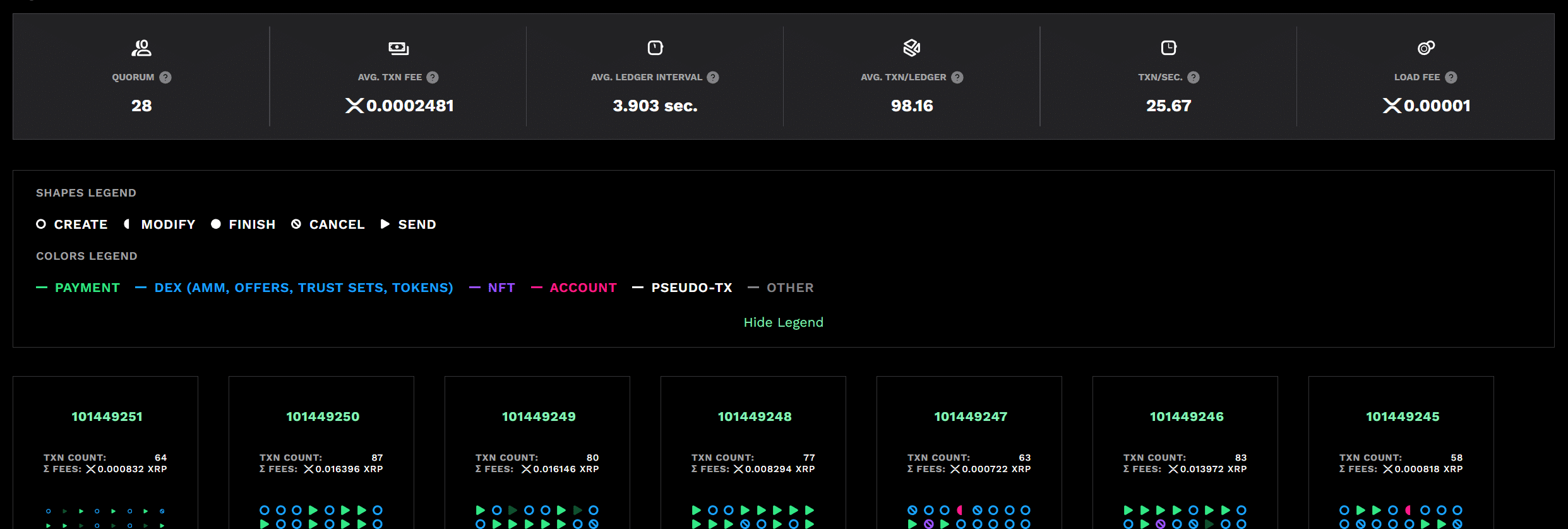
Every interaction with your digital cards costs gas. This includes minting new packs, trading on secondary markets, or simply moving your collection to a new wallet. In high-demand periods, these fees can spike, turning a small trade into a costly error. Always check current gas prices before executing a transaction. If you are actively trading, factor in a 10-20% buffer for network congestion.
Storage and Metadata Maintenance
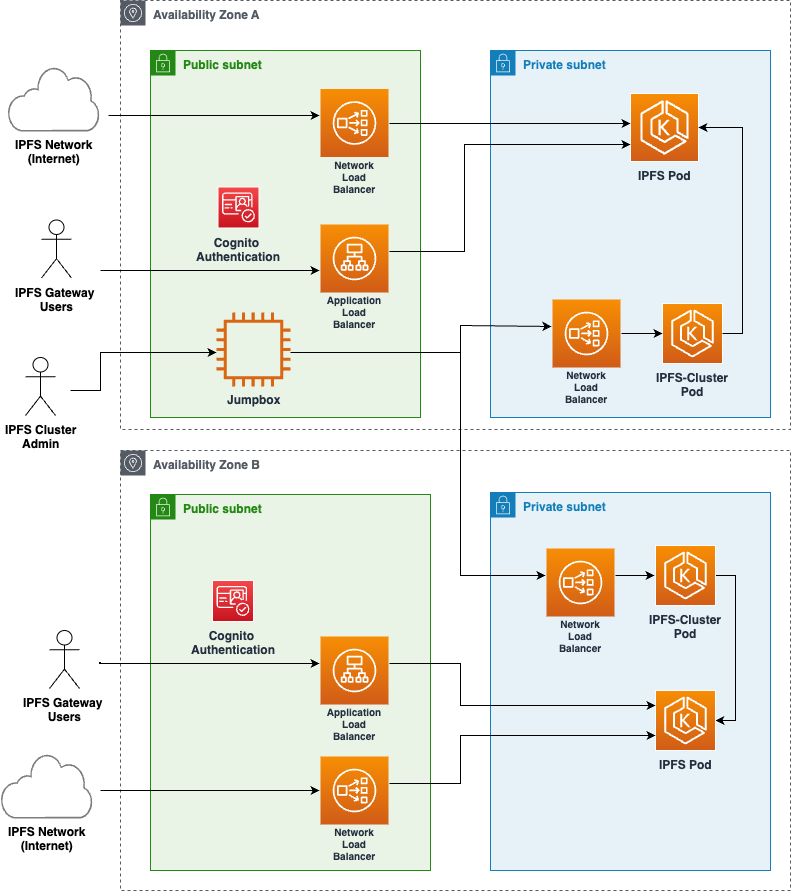
On-chain assets rely on metadata stored off-chain, often on IPFS or centralized servers. If the host link breaks, your card may appear as blank or corrupted. Some newer standards use "lazy minting" or dynamic metadata that updates based on on-chain logic. Ensure the project you buy has a clear storage plan. Without it, your collection could become inaccessible even if you still hold the token.
Collateral and Liquidity Risks
Recent trends show collectors using TCGs as collateral for loans. While this unlocks liquidity, it introduces risk. If the value of your collection drops, you may face liquidation. Conversely, if you borrow against your cards, you pay interest. A $50 card might seem affordable, but if it is locked in a smart contract with a 5% annual rate, the cost of ownership compounds.

- Real-time gas prices
- Predictive fee estimates
- Free browser extension
As an Amazon Associate, we may earn from qualifying purchases.
No comments yet. Be the first to share your thoughts!