
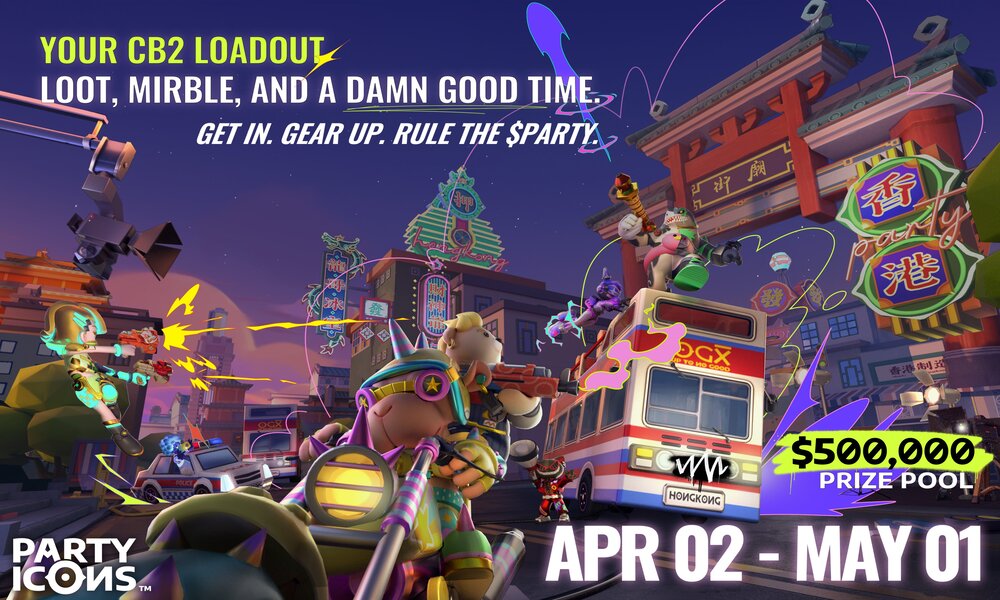
Tcg onchain budget
The Rise of Play-to-Earn 2.0 works best when the purchase path is explicit. Verify the source, compare the offer against real alternatives, check the total cost, and confirm what happens after payment before you decide. After each comparison, write down the one risk that would change your mind. If the seller, condition, support, warranty, shipping, or upkeep still feels uncertain, resolve that question before moving to checkout.
The simplest way to use this section is to verify the seller, compare the total cost, and resolve the biggest risk before you commit.
Shortlist real options
Use this section to make the The Rise of Play-to-Earn 2.0 decision easier to compare in real life, not just on paper. Start with the reader's actual constraint, then separate must-have requirements from details that are merely nice to have. A practical choice should survive normal use, maintenance, timing, and budget. If a recommendation only works in an ideal situation, call that out plainly and give the reader a fallback path.
| Factor | What to check | Why it matters |
|---|---|---|
| Fit | Match the option to the primary use case. | A good deal still fails if it does not fit the job. |
| Condition | Verify age, wear, and service history. | Hidden condition issues erase upfront savings. |
| Cost | Compare purchase price with likely upkeep. | The cheapest option is not always the lowest-cost option. |
Inspect the expensive parts
Use this section to make the The Rise of Play-to-Earn 2.0 decision easier to compare in real life, not just on paper. Start with the reader's actual constraint, then separate must-have requirements from details that are merely nice to have. A practical choice should survive normal use, maintenance, timing, and budget. If a recommendation only works in an ideal situation, call that out plainly and give the reader a fallback path.
-
Verify the basicsConfirm the core specs, condition, and fit before comparing extras.
-
Price the downsideLook for the repair, maintenance, or replacement cost that would change the decision.
-
Compare alternativesCheck at least two comparable options before treating one listing as the benchmark.
Plan for ownership costs
Use this section to make the The Rise of Play-to-Earn 2.0 decision easier to compare in real life, not just on paper. Start with the reader's actual constraint, then separate must-have requirements from details that are merely nice to have. A practical choice should survive normal use, maintenance, timing, and budget. If a recommendation only works in an ideal situation, call that out plainly and give the reader a fallback path.
The simplest way to use this section is to write down the must-have criteria first, then compare each option against those criteria before weighing nice-to-have features.
Tcg onchain: what to check next
Before committing capital or time to these platforms, it helps to understand the mechanics and risks involved. Onchain TCG (Trading Card Game) projects operate differently from traditional physical markets or older crypto games.
Can you make money on Onchain?
Yes, but it is not guaranteed passive income. Revenue comes from trading fees, speculation on card value, and occasional in-game rewards. The market is volatile; while some early adopters have seen significant returns, many users break even or lose value due to market fluctuations and platform fees. Treat it like investing in collectibles, not a savings account.
How does Onchain work?
Onchain TCGs digitize physical cards or create native digital assets (NFTs) on a blockchain. When you buy a pack, the cards are "minted" directly to your wallet. You can then trade, sell, or use them in games. Key platforms like Courtyard and Collector Crypt focus on secondary markets for established brands, while others like Phygitals blend digital and physical ownership. Transactions are recorded on-chain, providing proof of ownership and rarity.
How to check onchain activity?
Use blockchain explorers like Etherscan or Solscan to verify transaction history and contract addresses. For market-specific data, platforms like MagicBlock provide analytics on trading volume and user growth. You can also check official project dashboards for real-time stats on active users and liquidity. Always verify contract addresses from official sources to avoid scams.
What is the difference between "onchain" and "on chain"?
"Onchain" is the standard adjective or adverb used in the tech and crypto industries to describe activities happening on a blockchain (e.g., onchain gaming, onchain data). "On chain" is the literal prepositional phrase, often used in general writing. In the context of TCG projects, "onchain" is the preferred term for platform features and marketplaces.
Helpful gear
Use these product recommendations as a starting point, then choose the size, material, and price point that fit how you actually use the gear.
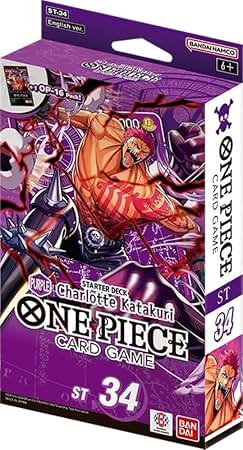
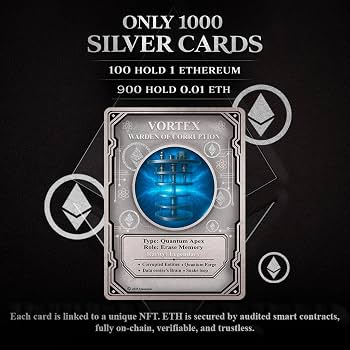
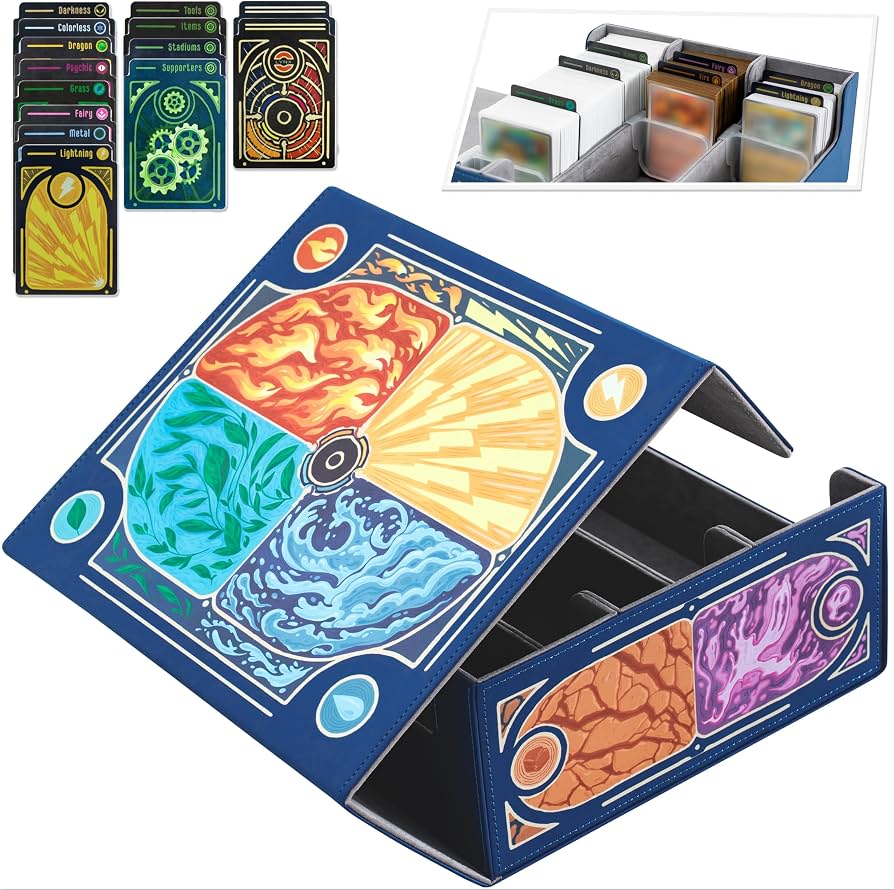
As an Amazon Associate, we may earn from qualifying purchases.
No comments yet. Be the first to share your thoughts!