
Tcg onchain limits to account for
Use this section to make the How TCG OnChain is Revolutionizing decision easier to compare in real life, not just on paper. Start with the reader's actual constraint, then separate must-have requirements from details that are merely nice to have. A practical choice should survive normal use, maintenance, timing, and budget. If a recommendation only works in an ideal situation, call that out plainly and give the reader a fallback path.
The simplest way to use this section is to write down the must-have criteria first, then compare each option against those criteria before weighing nice-to-have features.
Tcg onchain choices that change the plan
Moving physical trading cards onto the blockchain introduces a distinct set of operational realities. The shift from centralized marketplaces to decentralized ledgers changes how you buy, sell, and hold assets. Before committing capital, you need to weigh the friction of entry against the benefits of transparency and liquidity.
The primary tension lies between ease of use and asset control. Centralized platforms like Collector Crypt or Courtyard offer a familiar user experience but require trust in their custodial processes. On-chain platforms offer self-custody and verifiable provenance but demand technical literacy. You must decide if the ability to verify a card’s history outweighs the complexity of managing wallets and gas fees.
Liquidity is another critical factor. While on-chain volume is growing, it remains a fraction of the total secondary market. Major platforms like Beezie or Phygitals provide deeper pools for specific subsets of cards, but niche items may suffer from wider bid-ask spreads. The inevitability of on-chain adoption, as noted by industry observers, suggests volume will increase, but this does not guarantee immediate value appreciation for every asset.
Comparison of On-Chain Trading Factors
| Factor | Centralized Marketplaces | On-Chain Platforms |
|---|---|---|
| Asset Custody | Platform-held (custodial) | Self-custodied (wallet-based) |
| Verification | Internal audit processes | Blockchain provenance & metadata |
| Transaction Speed | Instant (off-chain ledger) | Network-dependent (block time) |
| Fees | Listing + final value fees | Gas fees + platform protocol fees |
| Accessibility | High (email/login) | Medium (crypto wallet required) |
| Liquidity Depth | High for major titles | Varies by platform and card tier |
Market Context
The financial landscape of on-chain TCGs is volatile and closely tied to broader crypto market trends. Understanding the underlying asset class is essential for risk management. The following chart illustrates the recent performance of the Solana network, which hosts a significant portion of the current on-chain TCG activity, including major players like Collector Crypt.
PriceWidget data for Solana (SOL) provides a real-time indicator of the network’s health and transaction costs, which directly impacts the cost of trading TCGs on-chain. As the primary chain for many RWA (Real World Asset) TCG projects, SOL’s stability is a proxy for the operational ease of these platforms.
Choose the right onchain TCG setup
Trading TCG OnChain requires specific hardware to manage digital assets securely while accessing secondary marketplaces. You need a reliable computer, a dedicated hardware wallet for custody, and stable internet to handle real-time transaction broadcasts. This setup ensures you can participate in the growing onchain secondary market without risking your collection.

Start with a hardware wallet like a Ledger or Trezor. These devices keep your private keys offline, protecting your TCG tokens from exchange hacks. This is your primary vault for high-value digital cards.
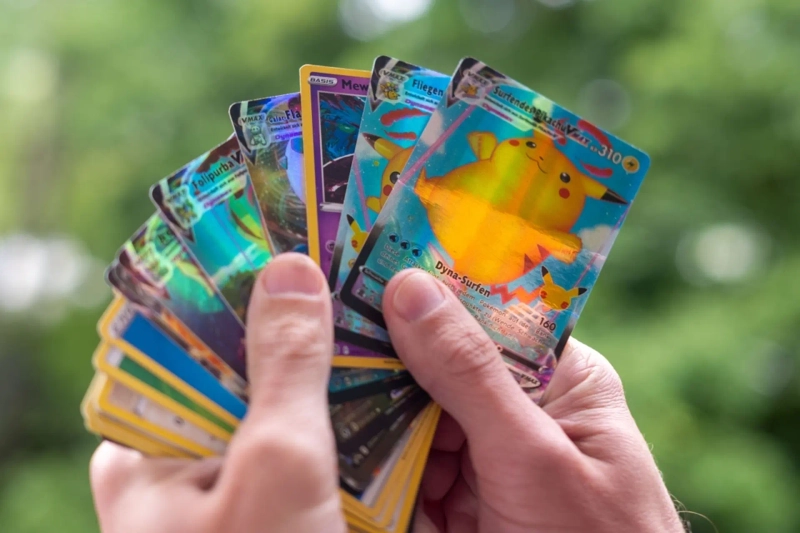
Connect your hardware wallet to a reputable onchain marketplace like Collector Crypt or Courtyard. These platforms handle the secondary marketplace volume, allowing you to buy and sell with verified provenance. Always double-check the contract address before connecting.
Use a block explorer to track your transactions and verify ownership. This step confirms that your trades are settled on the blockchain, providing immutable proof of ownership that centralized platforms cannot offer.
Avoid the weak options
Use this section to make the How TCG OnChain is Revolutionizing decision easier to compare in real life, not just on paper. Start with the reader's actual constraint, then separate must-have requirements from details that are merely nice to have. A practical choice should survive normal use, maintenance, timing, and budget. If a recommendation only works in an ideal situation, call that out plainly and give the reader a fallback path.
The simplest way to use this section is to write down the must-have criteria first, then compare each option against those criteria before weighing nice-to-have features.
Tcg onchain: what to check next
What is onchain in trading card games?
Onchain TCG refers to digital collectible cards stored as tokens on a blockchain, such as Solana. Unlike traditional digital cards, these assets are verifiable and transferable across compatible marketplaces. This structure allows for true digital ownership, where the card’s history and rarity are permanently recorded on the public ledger rather than held in a centralized database.
Can you trade Pokémon TCG online?
Yes, you can trade Pokémon cards online through established platforms like TCGplayer, which facilitates physical card exchanges, or through emerging onchain marketplaces like Collector Crypt. Onchain platforms allow for instant, peer-to-peer trading of digital assets without the need for shipping physical inventory. These platforms often integrate with community tools to verify card condition and authenticity automatically.
What is on-chain crypto analysis?
On-chain analysis involves examining blockchain data to understand market behavior, such as transaction volumes, holder distribution, and token flows. For TCG assets, this means tracking how many cards are being bought, sold, or held in wallets. This data helps traders identify market trends, detect manipulation, and assess the liquidity of specific card sets before making investment decisions.
Is onchain TCG trading safe?
Onchain trading introduces smart contract risks, including potential bugs or exploits in the marketplace code. While the blockchain provides transparency, users are responsible for securing their private keys and verifying the authenticity of the contracts they interact with. It is essential to use reputable platforms with audited code and to exercise caution when trading high-value assets.
No comments yet. Be the first to share your thoughts!