
Why 2026 matters for blockchain cards
The landscape of trading card games is shifting away from pure speculation. In 2026, the focus moves toward playable, reward-generating ecosystems where the cards themselves hold tangible value. This transition marks a departure from the NFT boom of previous years, prioritizing utility and active gameplay over passive holding.
Financial institutions are beginning to take notice. Large firms are exploring tokenized assets and real-world assets (RWAs), signaling a broader acceptance of blockchain mechanics in regulated markets. This institutional interest provides a stability that speculative markets previously lacked, making blockchain TCGs a more viable option for serious players.
This environment allows for the emergence of games that pay real rewards. Players are no longer just collecting digital assets; they are earning them through skill and strategy. The integration of on-chain mechanics ensures transparency and true ownership, creating a sustainable economy for the TCG community.
Sorare: Licensed Sports Cards
Sorare stands as the primary mainstream entry for on-chain TCG players who want real-world utility. Unlike play-to-earn titles built on speculative tokens, Sorare operates as a licensed digital collectibles platform. It holds official partnerships with major leagues including the Premier League, NBA, MLB, and La Liga, ensuring that the cards represent authenticated, real-world athlete performances.
The game mechanics are straightforward: you build lineups using your digital cards, and your score is determined by the actual statistics the athletes achieve in their real-life matches. This direct link to professional sports creates a tangible value proposition that extends beyond the blockchain. Players are essentially trading the future performance potential of top-tier athletes, similar to traditional fantasy sports but with verifiable ownership.
For those seeking a stable entry into crypto gaming, Sorare offers a familiar interface and established brand trust. The platform has processed billions of dollars in card sales, providing a level of liquidity and market depth that newer, unlicensed TCGs struggle to match. It is less about grinding for tokens and more about strategic collection management based on sports knowledge.
Ubisoft enters the blockchain card game arena
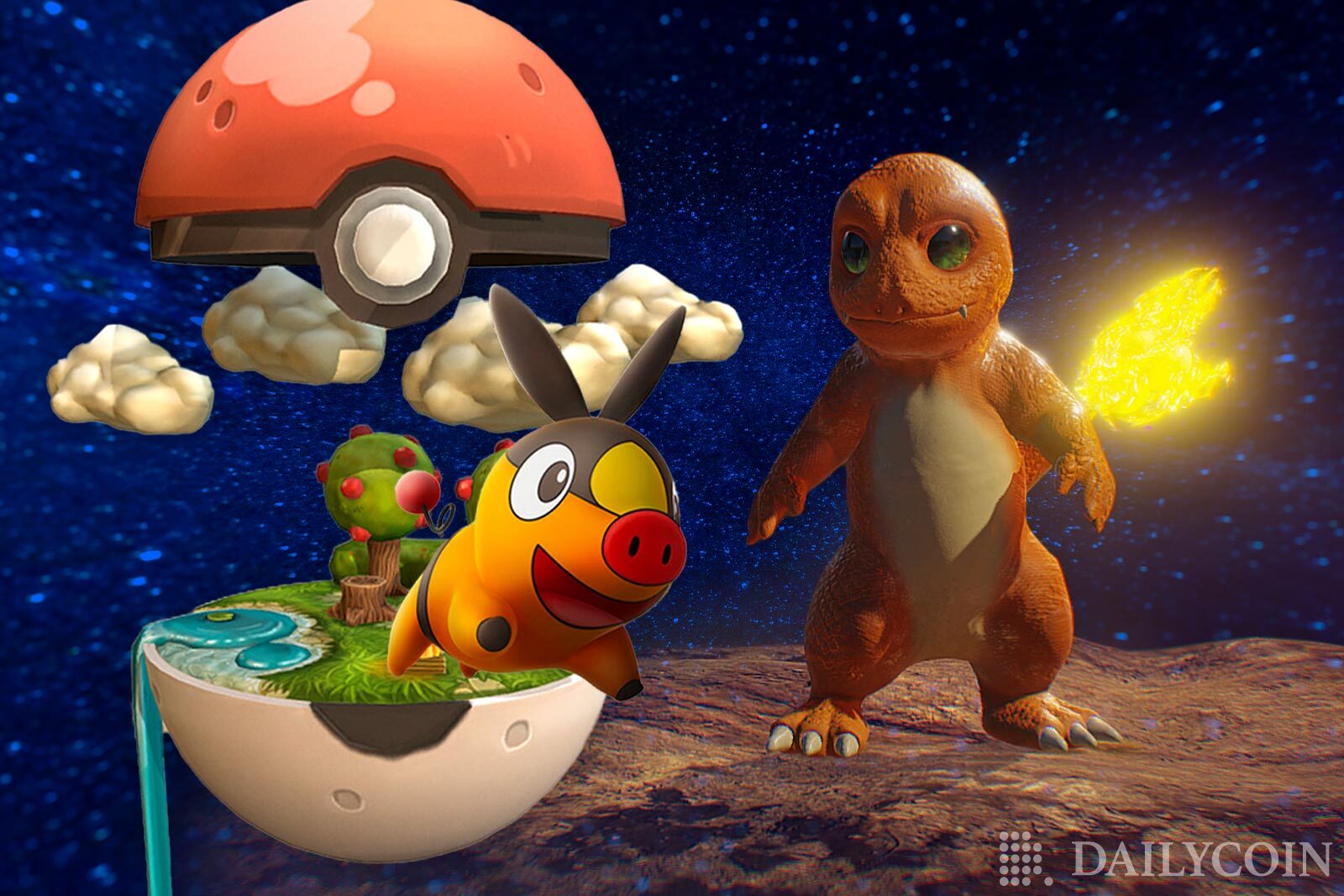
Ubisoft’s move into blockchain gaming marks a significant shift for the industry. As one of the world’s largest traditional game publishers, their involvement signals that on-chain collectibles have moved beyond niche experiments. This entry brings high production values and mainstream credibility to the TCG sector.
The studio is leveraging its extensive IP library to create immersive card-battler experiences. By integrating blockchain technology, Ubisoft allows players to truly own their digital assets. This approach bridges the gap between casual gaming and crypto rewards, attracting a broader audience to on-chain TCGs.
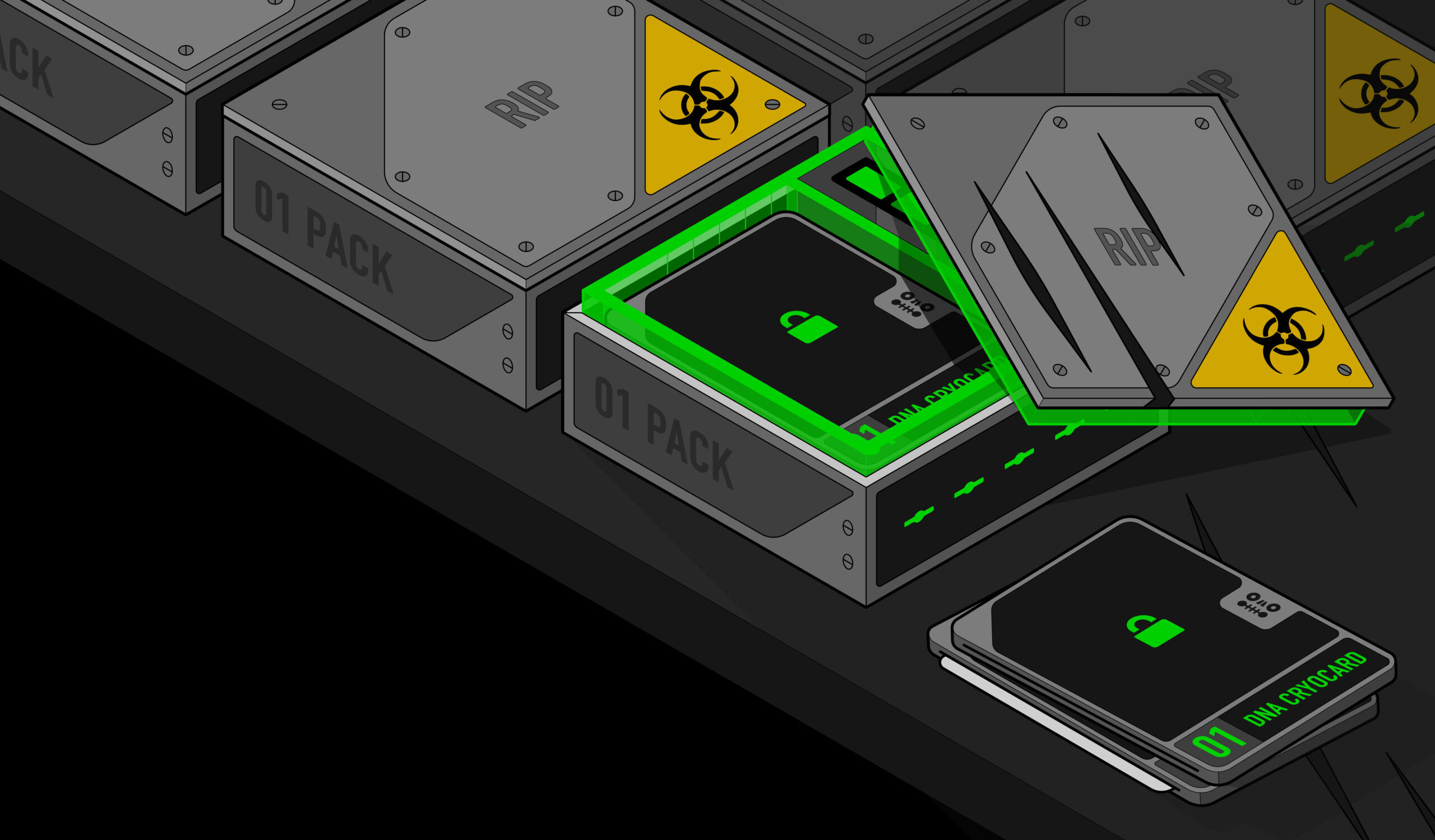
This development suggests a future where major studios compete directly with native crypto projects. For players, it means more polished games with real economic stakes. The legitimacy of Ubisoft’s entry validates the potential of TCG on-chain games as a sustainable model for 2026.
Gods Unchained: Free-to-play staple
Gods Unchained stands as the most accessible entry point for players new to on-chain trading card games. Unlike many competitors that require upfront purchases to build a viable deck, Gods Unchained operates on a free-to-play model. You start with a starter deck and earn cards through gameplay, making it possible to compete at high levels without spending money.
The game distinguishes itself with a massive library of over 1,800 cards. This depth allows for diverse strategies and long-term collection goals. Players navigate six distinct domains, each offering unique mechanics and card interactions. The inclusion of Sealed Mode adds variety, requiring players to build decks from randomized packs rather than curated collections.
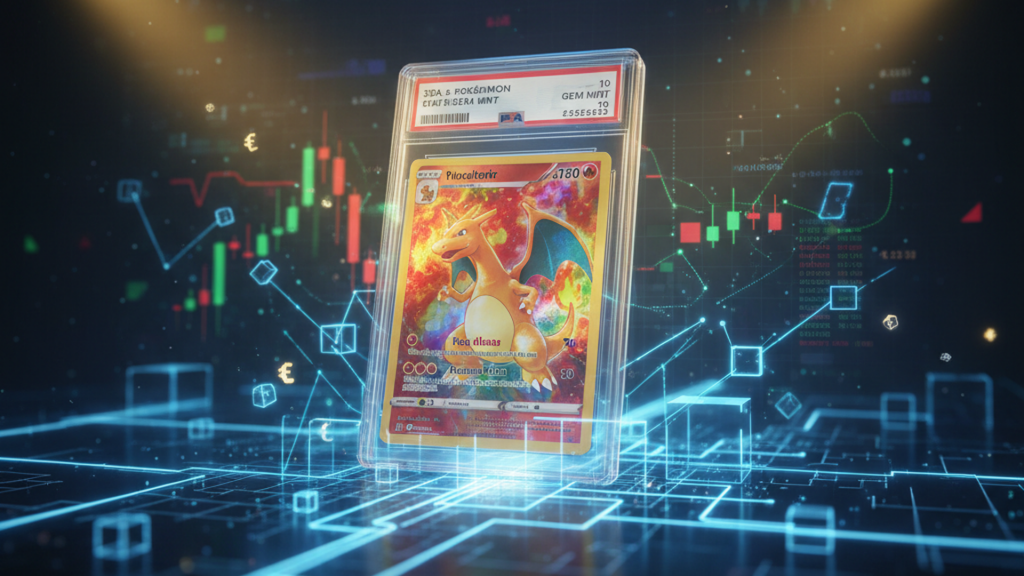
The economy is mature and player-driven. Cards you earn or buy are true NFTs on the Immutable X network, meaning you retain full ownership. You can trade them on the official marketplace or sell them for real value. This blend of traditional TCG depth with blockchain ownership makes it a staple for serious collectors.
For official rules, card sets, and game updates, visit Gods Unchained.
Cross the Ages: Challenging Hearthstone
Cross the Ages has emerged as a notable contender in the blockchain trading card game genre. It is currently trending on Immutable X, drawing players who want high-quality fantasy art without the gas fees of older networks. The game positions itself as a direct competitor to established titles like Hearthstone, offering a similar strategic depth but with true asset ownership.
The visual fidelity is where Cross the Ages shines. Each card features intricate, hand-drawn artwork that rivals traditional print TCGs. This focus on aesthetics helps bridge the gap between casual collectors and competitive players. The game’s ecosystem supports a vibrant secondary market where cards hold real value based on their rarity and utility.
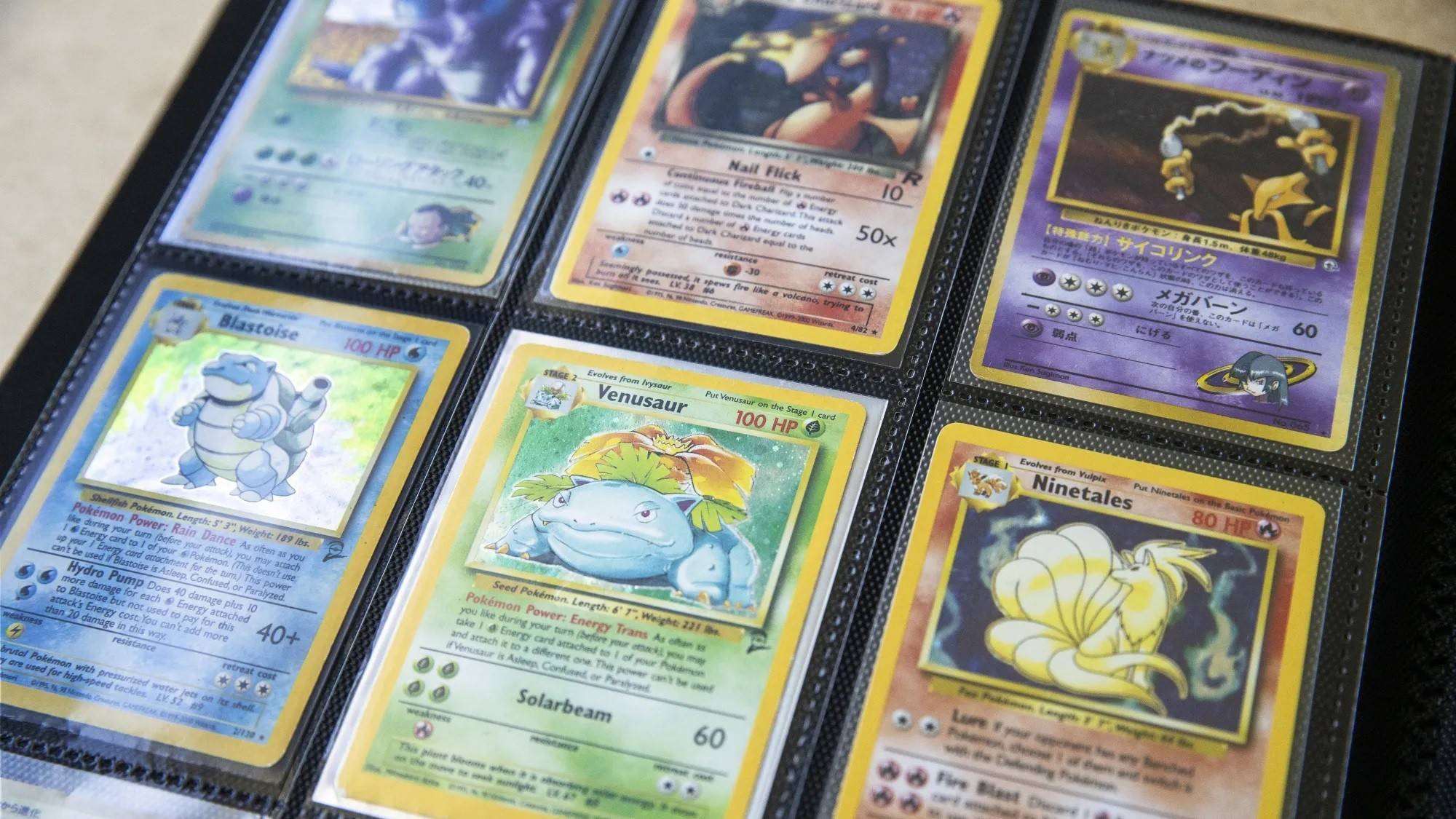
For players tired of pay-to-win models, Cross the Ages offers a fairer path. Success depends on strategy and deck building, not just wallet size. As the on-chain TCG space matures, games like this are setting the standard for how fantasy card games can operate in Web3.
How to start playing in 2026
Entering the world of TCG on-chain games requires a different setup than traditional digital card games. You need to bridge your assets and connect a wallet before you can begin playing. This guide breaks down the essential steps to get you from zero to your first match.
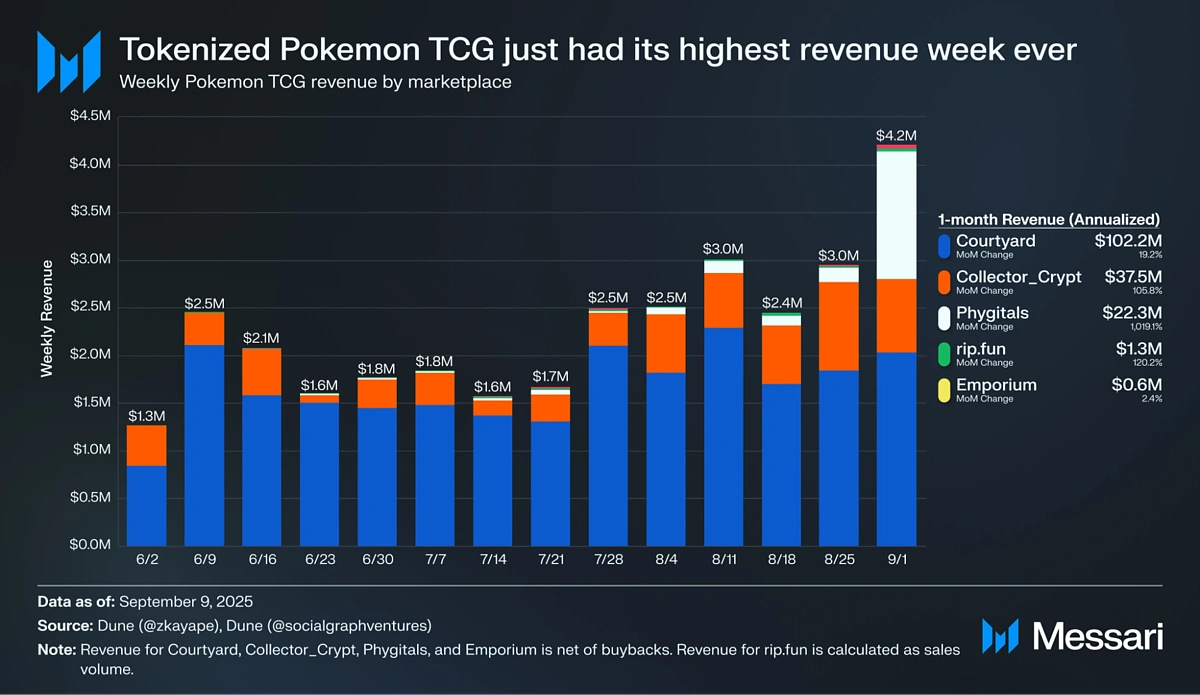
Start by installing a self-custody wallet that supports the specific blockchain the game runs on. For most major TCG on-chain titles, this means setting up MetaMask for Ethereum-based games or Phantom for Solana-based titles. Secure your seed phrase offline; it is the only way to recover your assets if you lose access to your device.
You need native tokens to pay for transaction fees (gas) and to purchase starter cards or packs. Buy ETH, SOL, or the game’s specific token from a reputable exchange and transfer it to your wallet. Many games also accept stablecoins like USDC for smoother transactions, so check the game’s official support page for accepted payment methods.
Navigate to the official website of your chosen TCG on-chain game. Click the "Connect Wallet" button, usually found in the top right corner, and select your wallet provider. Always verify the URL to avoid phishing sites. Once connected, your wallet will sign a message to prove ownership without revealing your private keys.
Visit the game’s marketplace or minting portal. You can often buy starter packs directly with crypto or claim a free "genesis" card if you are an early adopter. For TCG on-chain games, these initial cards are often the most affordable entry point into the ecosystem. Review the card’s rarity and stats before confirming the transaction.
Most TCG on-chain games have active Discord or Telegram communities where players share strategies and report bugs. Join these channels to stay updated on new releases, tournaments, and airdrops. Once you have a deck, enter the matchmaking queue to start earning rewards for your wins.
No comments yet. Be the first to share your thoughts!