
Why TCG on-chain matters in 2026
The trading card game landscape has shifted. The speculative NFT mania of the early 2020s has cooled, replaced by a focus on actual gameplay and liquid assets. In 2026, the most successful on-chain TCGs are those that function as real games first and financial instruments second. Players are no longer just buying digital cards to hold; they are playing matches, earning rewards, and trading assets with real-world value.
This evolution is driven by AI-driven valuation and better liquidity. Instead of guessing the worth of a rare card, players can see real-time market data and historical performance. This transparency makes it easier to build decks and manage collections. The barrier to entry is lower, and the exit strategy is clearer. You can buy a card, play with it, and sell it if it no longer fits your strategy.
The result is a more sustainable ecosystem. Projects that rely on hype are fading, while those with strong communities and playable mechanics are thriving. This shift benefits everyone. Collectors find better prices, players find better games, and the market becomes more efficient.
Sorare: Licensed sports collectibles
Sorare remains the most recognizable name in on-chain gaming, largely because it doesn't try to reinvent the wheel. Instead of building complex fantasy mechanics from scratch, it leans on the massive, existing infrastructure of major sports leagues. If you already follow football, NBA, or MLB, the learning curve is virtually zero. You know the players, you know the stats, and you know how to judge a good pick.
The game revolves around digital collectible cards that are officially licensed and verified on the blockchain. These aren't just static images; each card is a unique digital asset with verifiable scarcity. You can own rare "Super Rare" cards (limited to 12) or more common "Rare" cards (limited to 999). The utility is straightforward: you build a squad, enter weekly competitions, and earn points based on real-world player performances. If your team outperforms others, you win prizes, which can range from other cards to cash rewards.
What sets Sorare apart from other TCG on-chain games is its liquidity and mainstream appeal. Because the cards are tied to real athletes with established fanbases, the market is more stable and easier to understand than abstract fantasy assets. You can buy, sell, and trade cards on the Sorare marketplace with relative ease. It’s less about speculative gambling and more about applying your sports knowledge to a digital arena.
Parallel: sci-fi TCG on Base
Parallel is the AAA-quality trading card game that finally makes blockchain mechanics feel like standard gameplay. Built on Base, it offers the low fees and speed necessary for a fast-paced digital card game. You aren't just holding speculative assets; you're collecting distinct, high-fidelity cards that matter in competitive play.
The game features four distinct factions, each with unique mechanics and card types. You might play as the Viperion, focusing on aggressive swarm tactics, or the Chimerax, using powerful hybrid creatures. Every card is a verified on-chain asset, meaning you truly own your deck. This ownership allows you to trade, sell, or hold your collection with confidence, knowing the provenance is locked in the ledger.
Liquidity is another major advantage. Because the cards are on Base, transactions are nearly instant and cost fractions of a cent. You can buy, sell, or trade cards on marketplaces without the gas fee headaches common on other chains. This efficiency keeps the player base active and the market liquid, ensuring you can always find buyers for your rare finds or sellers for the cards you need to complete your deck.
Parallel proves that on-chain games don't have to be clunky or expensive to play. By leveraging Base, it delivers a polished, professional experience that rivals traditional digital card games while keeping the benefits of true digital ownership.
Gods Unchained: Free-to-play pioneer
Gods Unchained remains the most accessible entry point for players new to on-chain gaming. Unlike titles that require upfront purchases to begin, it operates on a free-to-play model that lets you build a deck and start winning cards immediately. You earn cards by playing ranked matches or completing daily quests, which means your initial library grows organically without spending a dime.
The game runs on Immutable X, a layer-2 scaling solution that handles transactions off the main Ethereum chain. This setup ensures that trading cards and claiming rewards happens instantly with zero gas fees. For players, this means the friction of blockchain technology disappears entirely, allowing you to focus on strategy rather than wallet management.
Earn new cards by climbing the ladder each week.
Buy, sell, and trade cards instantly on the marketplace.
The gameplay loop mirrors traditional digital card games like Hearthstone, but with true ownership. Cards like Kragg or Athena are actual NFTs that you can sell on the market if you decide to stop playing or if their value spikes. This liquidity transforms your time invested into tangible assets, making every match potentially profitable.
splinterlands: play-to-earn classic
Splinterlands has survived the crypto winter by sticking to what works: a transparent token economy and daily grind. It’s the closest thing to a digital job in the TCG space. You don’t need a massive budget to start, but you do need to show up every day. The game rewards consistency over luck, making it a staple for players who treat gaming as a side hustle.
The core loop revolves around daily quests and ranked battles. Complete your daily objectives to earn Dark Energy Crystals (DEC), the game’s inflation-adjusted token. These crystals are the lifeblood of the economy, used to buy packs, rent cards, and cover transaction fees. Ranked rewards scale with your MMR, so higher tiers mean more DEC and Sparkles, the premium token that can be converted to other cryptocurrencies.
Card liquidity is the real draw. The rental system lets you borrow high-level cards for free, lowering the barrier to entry. You can earn DEC just by renting out your own cards to other players. This creates a self-sustaining economy where even casual players can generate value without risking their own assets.
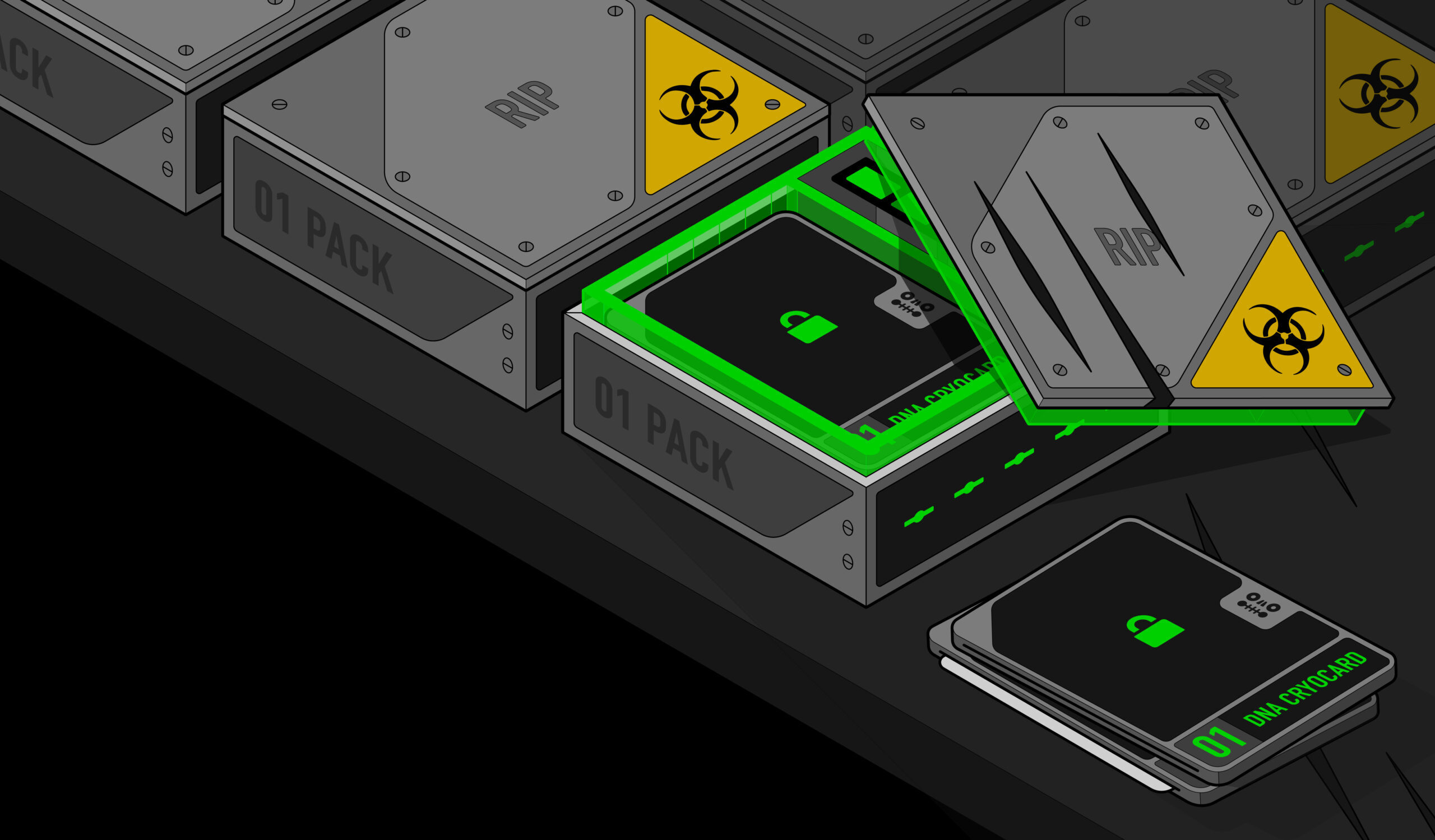
Key Splinterlands Features
-
Daily Quests
Complete simple tasks like playing 5 matches to earn DEC and experience points. Consistency is key to steady income. -
Ranked Rewards
Climb the ladder to earn more DEC and Sparkles at the end of each season. Higher ranks mean better payouts. -
Card Rentals
Rent high-level cards for free to compete in higher ranks or earn DEC by renting your own cards to others.
cross the ages: web3 challenger
Cross the Ages has emerged as a solid alternative in the crowded blockchain TCG space, currently trending on Immutable X. It challenges established titles by blending a rich, original lore with tangible on-chain rewards, offering players a distinct experience from the usual fantasy or sci-fi tropes.
The game features a diverse roster of characters, each with unique abilities and visual styles that appeal to collectors. Players can earn valuable assets through competitive play, which can be traded or used to strengthen their decks. This liquidity model keeps the economy active and gives players a real stake in their progress.
For those looking to break away from the mainstream, Cross the Ages provides a fresh narrative and a robust platform for trading. Its presence on Immutable X ensures low fees and fast transactions, making it a practical choice for daily gameplay.
How AI valuation changes trading
Artificial intelligence has shifted from a novelty to the backbone of fair pricing in on-chain trading card games. Instead of relying on gut feeling or waiting days for market consensus, AI tools analyze historical sales data to predict card value trends in real-time. This automation reduces the speculation that often plagues new markets, giving players a clearer picture of what a card is actually worth.
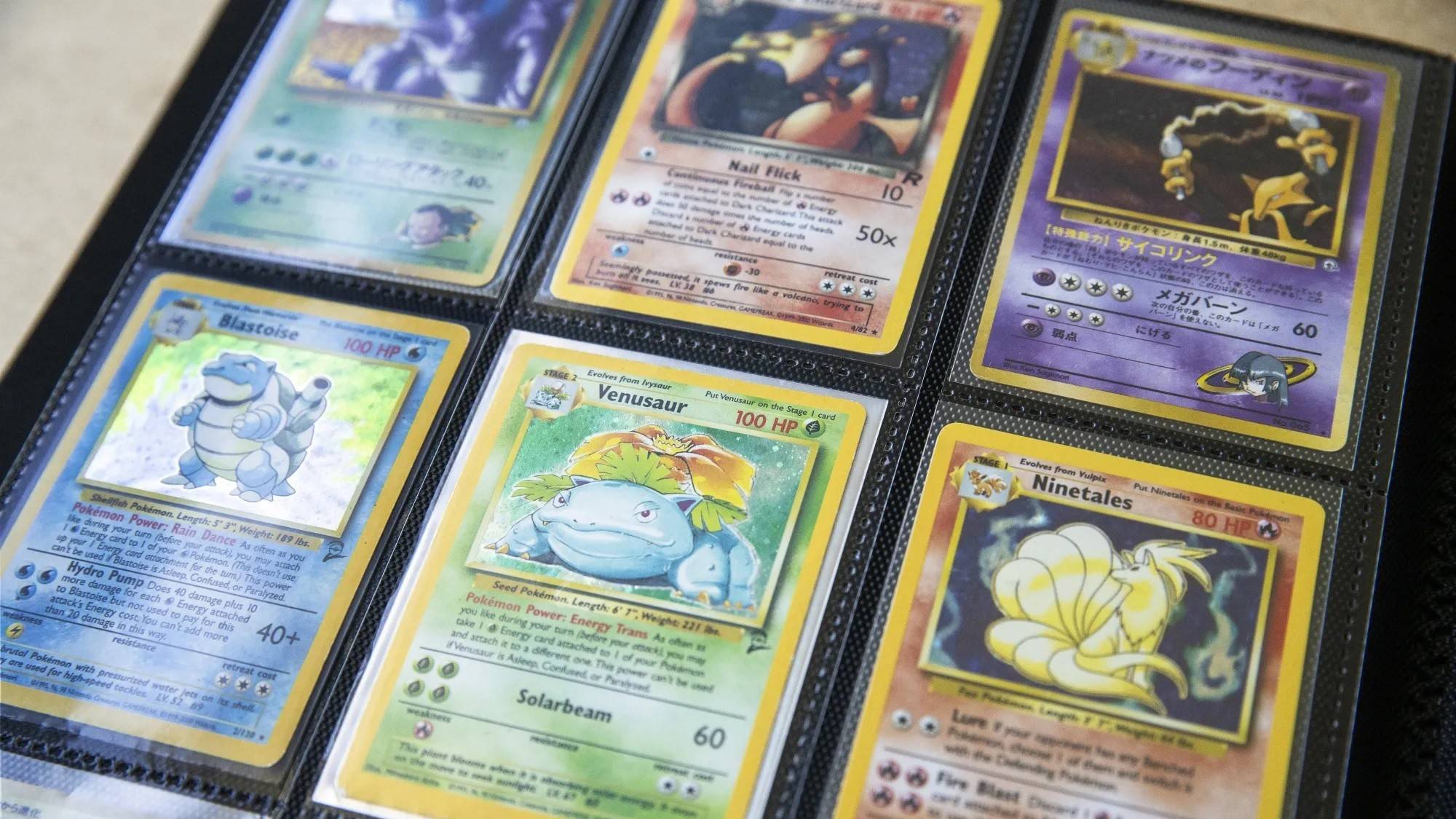
For example, when a rare Pokémon TCG card drops in a new set, AI algorithms immediately scan thousands of past transactions for similar rarity and condition levels. The system then suggests a price range that reflects current demand rather than hype. This helps prevent players from overpaying for a "blue chip" card that is actually trending downward.
The result is increased liquidity. When buyers and sellers trust the pricing engine, trades happen faster and with less friction. Players can confidently list their Yu-Gi-Oh! or Magic: The Gathering digital assets, knowing the AI has already done the heavy lifting to establish a fair market value. This stability encourages more people to participate, keeping the game economy healthy and active.
No comments yet. Be the first to share your thoughts!