
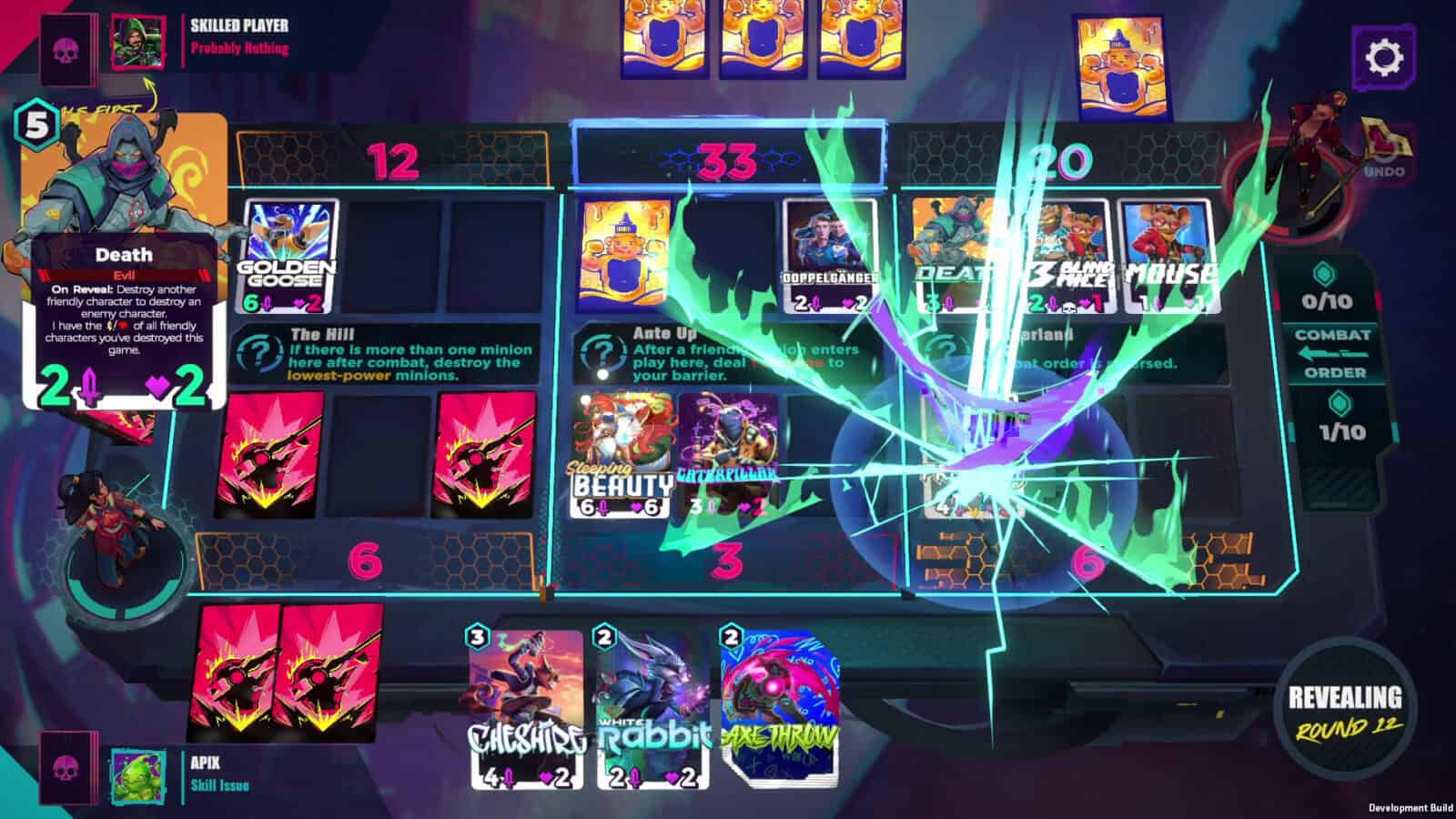
What makes TCG OnChain different
TCG OnChain represents a structural shift in trading card games, moving from centralized databases to transparent, on-chain ledgers. This distinction changes how value is stored, settled, and verified. The following sections break down the mechanics, market context, and token utility that define this ecosystem.
Real-time settlement mechanics
On-chain settlement eliminates the latency and counterparty risk inherent in traditional digital marketplaces. When a trade occurs, the exchange of assets is executed via smart contracts that verify ownership and update balances atomically. This means the transaction is final and immutable the moment it is confirmed on the blockchain, removing the need for trusted intermediaries to hold or escrow assets.
-
Verify the basicsConfirm the core specs, condition, and fit before comparing extras.
-
Price the downsideLook for the repair, maintenance, or replacement cost that would change the decision.
-
Compare alternativesCheck at least two comparable options before treating one listing as the benchmark.
Market structure and verticals
The TCG OnChain market intersects with broader digital asset trends, including NFTs and decentralized finance (DeFi). While specific valuations vary, the digital collectibles sector has seen significant growth, with some industry reports citing market sizes approaching $80 billion across related digital asset categories. However, TCG OnChain specifically targets the gaming vertical, focusing on utility and playability rather than pure speculative investment.
This vertical distinguishes itself by prioritizing gameplay integration. Unlike static collectibles, TCG OnChain assets are functional components of a game loop. This creates a demand-driven economy where value is tied to player engagement, competitive viability, and community governance, rather than external market speculation alone.
How TCG OnChain tokens work
In a TCG OnChain ecosystem, the token serves as the foundational layer for value exchange, governance, and access. Unlike traditional physical cards, these digital assets are governed by smart contracts, allowing for instant settlement and verifiable ownership. The token functions primarily as a currency within the game's economy, a voting mechanism for protocol upgrades, or an access pass to exclusive content. Understanding these roles is essential for navigating the mechanics of on-chain trading card games.
Currency and Utility
The most common use case for a TCG OnChain token is as an in-game currency. Tokens are typically required to purchase booster packs, specific cards, or entry fees for tournaments. This creates a closed-loop economy where players earn tokens by participating in matches, such as winning games or completing daily challenges, and spend them to expand their collection. For example, in digital adaptations like the Hermitcraft Trading Card Game, TCG Tokens are the primary medium of exchange, minted through gameplay and used to buy new cards. This mechanic ensures that the economy remains balanced and tied directly to player engagement rather than external speculation.
Governance and Access
Beyond simple transactions, tokens often grant holders a voice in the platform's direction. Governance tokens allow users to vote on proposals, such as changes to card balance, new feature rollouts, or treasury spending. This decentralizes control, giving the community direct influence over the game's evolution. Additionally, certain tokens may act as access passes, providing holders with early access to new card sets, exclusive avatar frames, or participation in high-stakes tournaments. This utility model aligns the incentives of developers and players, fostering a more engaged and invested community.
Key questions about on-chain collectibles
Understanding how TCG OnChain works requires separating the digital asset from the physical experience. Unlike traditional card games, TCG OnChain uses blockchain technology to establish verifiable ownership and real-time settlement. This shift changes how players acquire, trade, and prove they own a card.
What is a TCG token?
In the context of digital collectibles, a token is a unique digital identifier stored on the blockchain. It serves as proof of ownership for a specific card. For example, in the Hermitcraft Trading Card Game, tokens function as a custom currency used to purchase cards during matches. This demonstrates how tokens can facilitate in-game economies while maintaining a clear link to the underlying asset.
How does on-chain ownership work?
On-chain ownership means the record of who holds a card is stored directly on the blockchain ledger. This is different from a centralized database where a company holds the records. With TCG OnChain, your ownership is transparent and immutable. You can verify the authenticity and history of any card without relying on a third party to confirm its status.
Is TCG OnChain accessible to mobile players?
Yes. TCG OnChain is designed to be accessible across multiple platforms, including mobile devices. This ensures that players can manage their collections and participate in matches regardless of their hardware. The interface adapts to provide a seamless experience whether you are playing on a phone, tablet, or desktop.
No comments yet. Be the first to share your thoughts!