
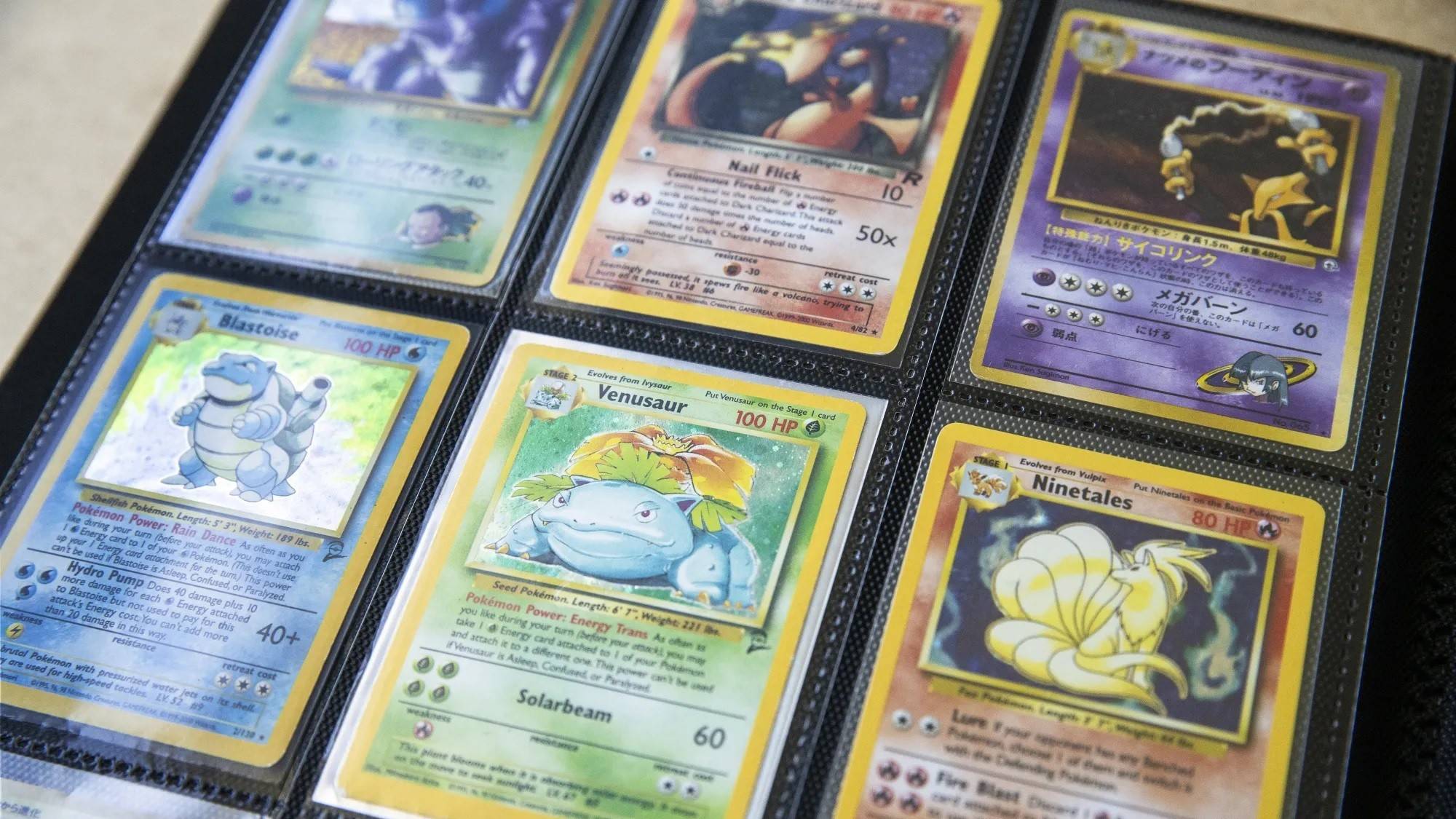
On-chain TCG 2026 market overview
The landscape of digital collectibles is shifting from speculative novelty to structured finance. As traditional markets adopt blockchain infrastructure, the mechanics of ownership are becoming clearer. In early 2026, platforms like Securitize began offering fully on-chain trading for real public stocks, bridging the gap between institutional equity and decentralized ledgers [Securitize 2026]. This regulatory and technical maturation sets the stage for on-chain TCGs, where card ownership mirrors the transparency and liquidity of modern securities.
For the TCG niche, this means moving beyond simple minting events toward sustainable market structures. Players are no longer just buying art; they are acquiring assets with verifiable scarcity and transferable rights. The parallel with tokenized equities is not just metaphorical—it reflects a broader industry move toward compliance, liquidity pools, and institutional-grade performance. This shift reduces the friction of secondary sales and increases trust in the provenance of rare cards.
Market indicators suggest that while volatility remains, the underlying infrastructure is stabilizing. Investors are looking for assets with clear utility and regulated pathways for entry and exit. On-chain TCGs that align with these standards are positioned to capture serious capital rather than just casual speculation.
Verified ownership and provenance
The authentication problem has always been the bottleneck for tokenized collectibles. Unlike digital files, which can be copied infinitely, physical trading cards are unique artifacts that degrade over time. Traditional grading services attempt to solve this by assigning a single, trusted third-party opinion to a slabbed card. This model works, but it creates a bottleneck. It relies on centralized authorities to verify authenticity and maintain the chain of custody, which introduces friction and potential points of failure.
On-chain TCGs offer a different path by leveraging the precedent of regulated on-chain equity trading. In May 2026, Securitize, Jump Trading Group, and Jupiter launched fully on-chain, regulated trading infrastructure for tokenized equities. This development proved that real-world assets can be issued, accessed, and traded on-chain with institutional-grade performance while remaining fully compliant with existing securities laws. The same infrastructure that allows for the transparent, immutable trading of stocks can be applied to TCGs.
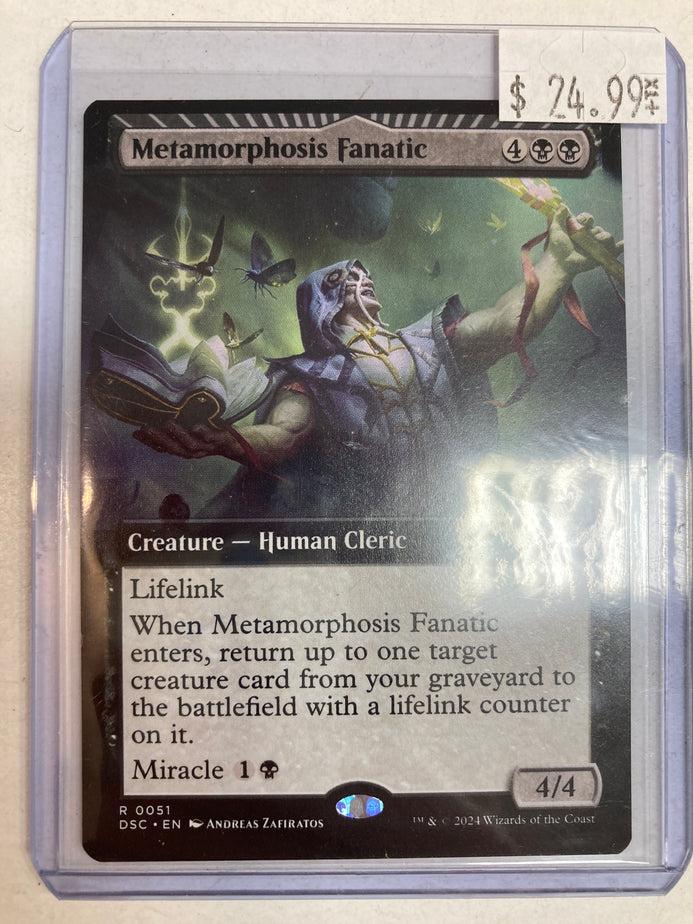
When you buy a tokenized card, you are not just buying a digital representation; you are buying a cryptographic proof of ownership that is tied to the physical item. This proof is stored on the blockchain, making it immutable and publicly verifiable. This eliminates the need for manual authentication checks during every trade. The provenance of the card is as transparent as the price of a stock.
This shift changes the nature of trust. Instead of trusting a grading company's label, you trust the cryptographic security of the blockchain and the regulatory framework that governs the token. This is particularly important for high-value cards, where the cost of a counterfeit can be significant. By using the same infrastructure that powers regulated equity markets, on-chain TCGs bring a level of security and transparency that was previously unavailable to collectors.
Regulated trading infrastructure
Use this section to make the On-Chain TCG decision easier to compare in real life, not just on paper. Start with the reader's actual constraint, then separate must-have requirements from details that are merely nice to have. A practical choice should survive normal use, maintenance, timing, and budget. If a recommendation only works in an ideal situation, call that out plainly and give the reader a fallback path.
| Factor | What to check | Why it matters |
|---|---|---|
| Fit | Match the option to the primary use case. | A good deal still fails if it does not fit the job. |
| Condition | Verify age, wear, and service history. | Hidden condition issues erase upfront savings. |
| Cost | Compare purchase price with likely upkeep. | The cheapest option is not always the lowest-cost option. |
Liquidity and price discovery
Physical trading card markets have long suffered from fragmentation. A rare Charizard might sell for $500 on eBay, $800 at a local convention, and $1,200 to a dedicated collector via a private Discord group. This information asymmetry keeps prices opaque and illiquid. On-chain tokenization collapses these silos into a single, transparent order book. When card ownership is represented as a token on a public ledger, the entire global market becomes accessible simultaneously.
This shift enables continuous price discovery. Instead of waiting for a monthly auction or a weekend convention, tokenized assets trade 24/7. The price reflects real-time supply and demand across all participating platforms. For high-value items, this means the "fair market value" is no longer an estimate based on past sales; it is a live, verifiable number visible to anyone with an internet connection.
However, liquidity is not guaranteed. While the market is open, depth varies. Blue-chip TCG tokens often have tight spreads and high volume, but niche or new releases may suffer from thin order books. Traders must navigate this reality, understanding that on-chain efficiency depends on active participation. Without sufficient liquidity, even transparent markets can experience significant slippage.
Key questions on on-chain TCG
The intersection of tokenization and collectible card games raises specific questions about legality, value, and definition. Below are the most common queries regarding on-chain TCG assets, grounded in current regulatory developments and market mechanics.
Is on-chain trading regulated?
Yes, recent infrastructure updates have brought on-chain equity trading under clearer regulatory frameworks. On May 5, 2026, Securitize, Jump Trading Group, and Jupiter launched a fully on-chain, regulated trading infrastructure for tokenized equities. This integration combines Securitize’s end-to-end regulatory compliance, Jump’s liquidity, and Jupiter’s distribution interface to create a complete market structure stack. This allows real equities to be issued, accessed, and traded on-chain with institutional-grade performance under existing securities laws. While TCGs operate in a slightly different niche, this precedent signals that regulated on-chain asset trading is becoming a standard, not an experiment.
What does on-chain mean for card ownership?
In the context of stocks and collectibles, "on-chain" refers to any activity, transaction, or data recorded directly on a blockchain network. These transactions are public, immutable, and secured by consensus mechanisms like Proof of Stake (PoS). For TCG owners, this means your card’s provenance, condition history, and ownership transfer are permanently recorded on the ledger. Unlike traditional digital marketplaces that can delist items or alter records, on-chain ownership provides a verifiable, tamper-proof title to the physical or digital asset.
Can you make money on on-chain TCGs?
Profitability in on-chain TCGs mirrors broader crypto and DeFi mechanics. Similar to bank deposits, you can deposit idle funds or tokens to earn interest. Unique to blockchain is the ability to lock tokens to support network operations or provide liquidity to decentralized exchanges, earning transaction fees and rewards. In TCGs specifically, value appreciation depends on the scarcity of the tokenized card, the health of the secondary market, and the underlying utility of the game. However, as noted in industry manifestos, the fight for utility in a "casino market" remains intense, meaning speculative trading carries significant risk.
No comments yet. Be the first to share your thoughts!