
TCG OnChain limits to account for
Onchain trading card games (TCGs) offer true ownership but introduce specific constraints: gas fees, wallet security, and liquidity risks. Before committing, distinguish between must-have requirements—like low transaction costs for frequent trading—and nice-to-have features like exclusive community access.
A practical choice should survive normal use, maintenance, timing, and budget. If a recommendation only works in an ideal situation, call that out plainly and give the reader a fallback path. For example, high-value cards may require cold storage, while casual collectors might prioritize ease of use over absolute self-custody. Understanding these tradeoffs is critical because unlike traditional digital cards, onchain assets cannot be recovered if keys are lost or if the underlying smart contract is exploited.
TCG OnChain choices that change the plan
Different TCG protocols serve different needs. Some prioritize speed and low fees for micro-transactions, while others focus on high-fidelity assets and interoperability. Use the following comparison to evaluate which tradeoffs align with your strategy.
| Factor | What to check | Why it matters |
|---|---|---|
| Fit | Match the option to the primary use case. | A good deal still fails if it does not fit the job. |
| Condition | Verify age, wear, and service history. | Hidden condition issues erase upfront savings. |
| Cost | Compare purchase price with likely upkeep. | The cheapest option is not always the lowest-cost option. |
How to buy and hold TCG assets onchain
The shift toward onchain trading card games (TCGs) moves ownership from centralized servers to your wallet. This change brings speed and transparency, but it also requires you to manage keys, gas fees, and storage yourself. Use this checklist to decide if the upgrade fits your collection habits.
Install a reputable browser extension wallet like MetaMask or Phantom. Fund it with the native cryptocurrency required by your target blockchain. This wallet acts as your digital safe, holding the private keys that prove you own your cards. Ensure you have securely backed up your seed phrase offline; losing this means losing access to your entire collection permanently.
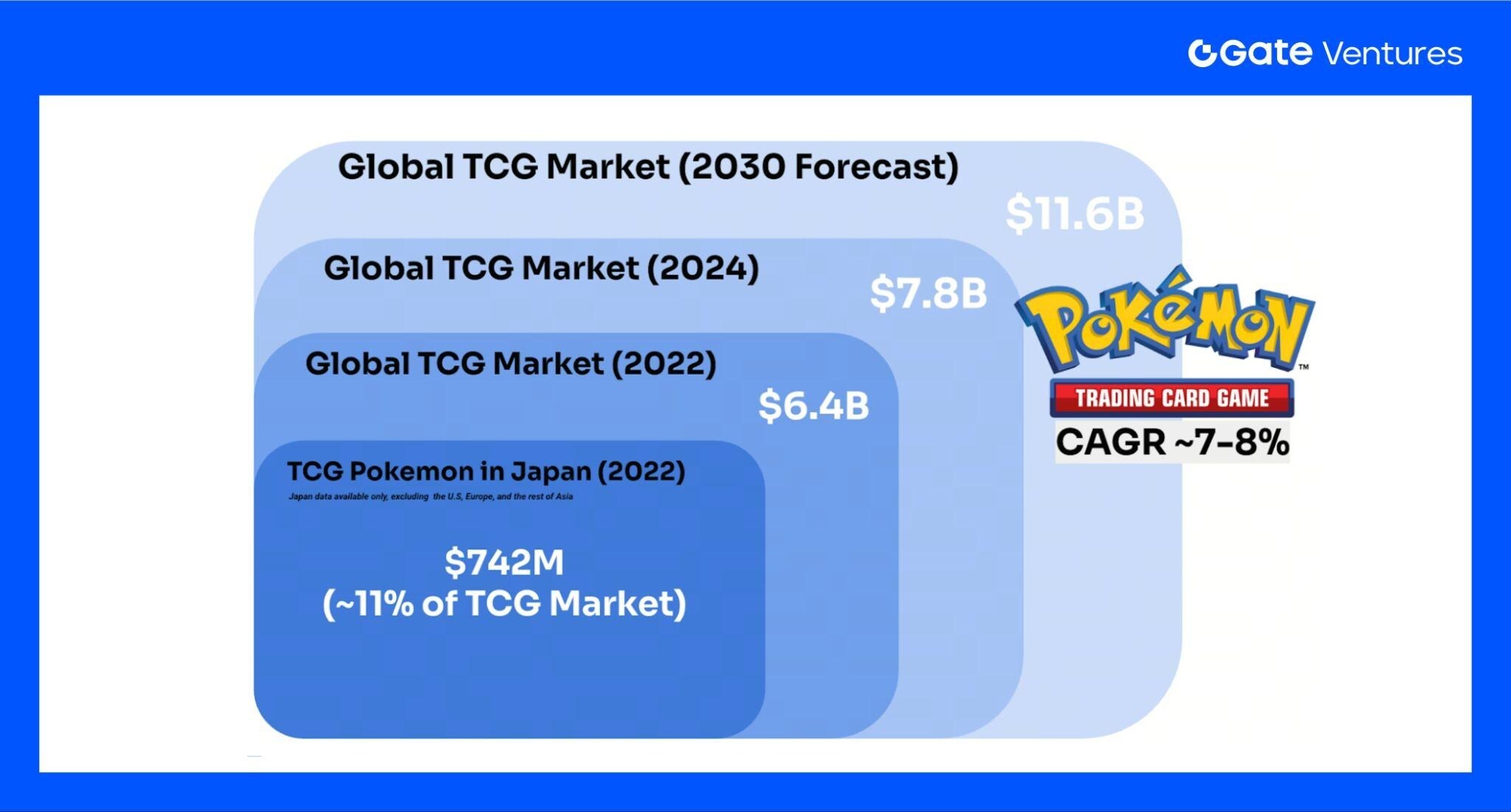
Navigate to a platform that supports the specific TCG protocol you are interested in. Check the site’s contract address against official sources to avoid phishing scams. Once connected, your wallet will display your inventory and available balance. Always verify the URL and look for HTTPS encryption before entering any sensitive data.
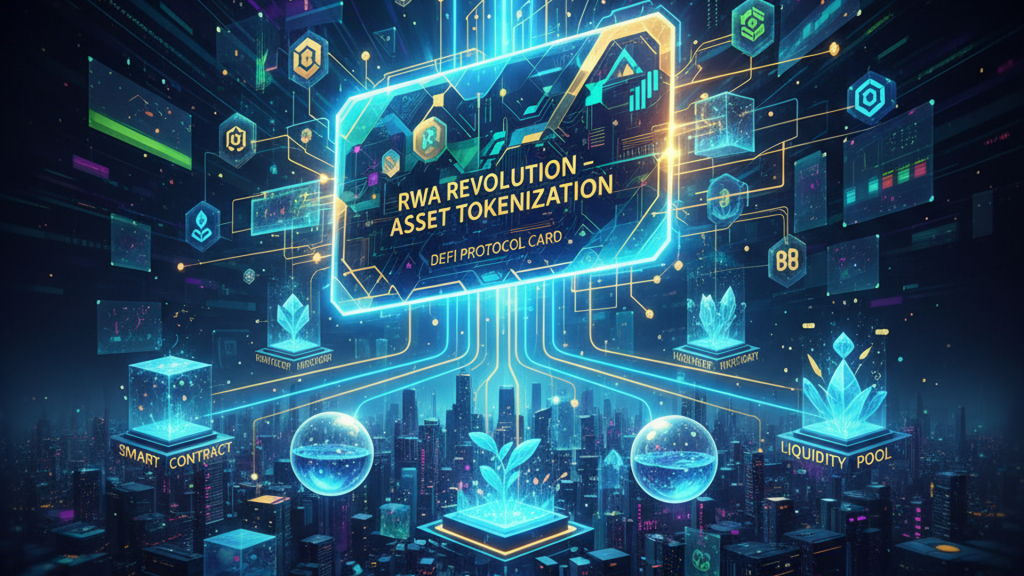
Before purchasing, check the current gas costs and the spread between buy and sell orders. Some TCG tokens are highly liquid, while others may take days to sell. Factor these costs into your decision, as high fees can erode the value of lower-tier cards. Look at the 24-hour volume to ensure there is an active market for the specific card you want.
Review the transaction details carefully, including the token ID and the recipient address. Confirm the trade in your wallet. Once the blockchain confirms the block, the card appears in your inventory. You now hold the asset directly, free from platform bans or server shutdowns. Consider using a hardware wallet for high-value items to add an extra layer of security against digital theft.
Avoid the weak options
Not all onchain TCG projects are created equal. Some lack liquidity, making it difficult to sell your cards at fair market value. Others have poor user interfaces that complicate basic transactions. Avoid platforms that do not clearly display contract addresses or lack community transparency. Be wary of projects with anonymous teams or those that promise unrealistic returns, as these are often red flags for rug pulls or abandoned projects.
No comments yet. Be the first to share your thoughts!