
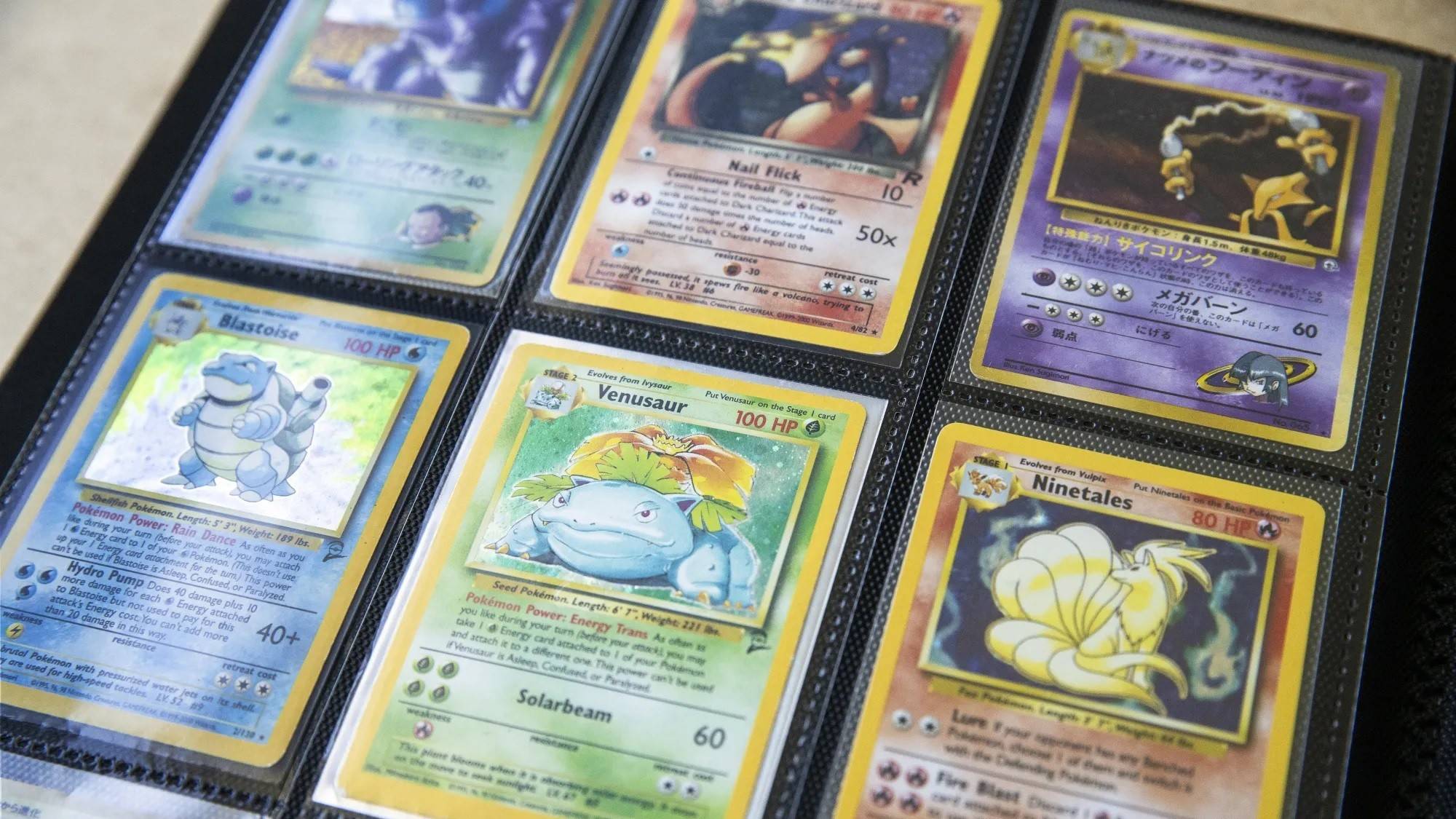
What is TCG on-chain?
A TCG on-chain is a digital trading card game where the cards themselves exist as non-fungible tokens (NFTs) on a blockchain. Unlike traditional digital card games where assets are locked inside a company's server, on-chain games store card data, game logic, and player ownership directly on a decentralized network. This shift transforms collectibles from licensed software into verifiable digital assets that players actually own.
The core distinction lies in ownership and interoperability. In traditional collectible card games (CCGs), you are purchasing a license to use a card within a specific ecosystem. If the game shuts down, those cards disappear. In an on-chain TCG, the card is a token governed by a smart contract. You can hold, trade, or sell these cards on secondary markets regardless of whether the original game client is still active. This creates a persistent economy where the value of a card is determined by market demand rather than developer decree.
These games rely on blockchain standards like ERC-721 or ERC-1155 to ensure each card is unique and its history is immutable. This transparency allows players to verify the authenticity and rarity of their holdings without relying on a central authority. As on-chain gaming evolves, it merges the strategic depth of traditional card games with the financial utility of crypto assets, offering a new model for digital ownership.
Why players prefer on-chain cards
Traditional trading card games store card data on centralized servers controlled by a single company. This structure creates a dependency where your collection exists only as long as the developer maintains their infrastructure. On-chain TCGs shift this dynamic by storing card ownership and game logic directly on a blockchain. This fundamental change gives players actual ownership of their digital assets, rather than a license to use them.
The most significant advantage is persistence. In a centralized model, a developer can shut down servers, alter game rules, or remove cards from circulation at any time. With on-chain assets, the data remains on the blockchain regardless of the original game's status. A Callout component highlights this distinction: unlike centralized servers, on-chain assets persist even if the original game developer discontinues support. This ensures that your investment in rarity and utility is not tied to the continued viability of a specific corporate entity.
Interoperability offers another layer of value. Because cards are standardized tokens on a public ledger, they can potentially be used across different platforms or metagames that support the same protocol. While full cross-game compatibility is still evolving, the technical foundation allows for a more open ecosystem. Players are not locked into a single walled garden, reducing the risk of platform-specific obsolescence.
Resistance to arbitrary changes is also a major draw. Centralized games often introduce "nerfs" or balance changes that devalue existing cards without warning. On-chain games typically rely on smart contracts and community governance for rule changes, making alterations more transparent and difficult to execute unilaterally. This stability allows players to make long-term strategic decisions about their collections with greater confidence.
Examples like Splinterlands, which runs on the Hive blockchain, demonstrate how this model ensures ownership and rarity verification (BlockchainGamerBiz). The community-driven nature of these platforms often leads to more stable economies, as players have a direct stake in the health and longevity of the game.
Leading TCG on-chain platforms
The landscape of blockchain trading card games has matured beyond experimental prototypes into structured ecosystems with distinct infrastructural choices. While traditional TCGs rely on centralized servers to manage deck integrity and card ownership, on-chain platforms distribute this logic across the blockchain. This shift allows players to truly own their digital assets, trade them freely on secondary markets, and often earn rewards through play. However, the underlying technology varies significantly, affecting transaction speed, cost, and the type of gameplay experience.
Splinterlands operates on the Hive blockchain, a platform chosen for its ability to process transactions quickly and with minimal fees. This infrastructure supports a play-to-earn model where cards are NFTs with verified rarity and ownership. Because Hive handles the heavy lifting of transaction processing, players can engage in frequent battles and trades without the gas fee friction common on more congested networks. This makes Splinterlands accessible to a broader audience who might be deterred by the high costs associated with Ethereum-based transactions.
Gods Unchained, by contrast, leverages the Ethereum ecosystem, specifically utilizing Immutable X, a Layer 2 scaling solution. This approach allows for gas-free trading of cards while maintaining the security and decentralization of the Ethereum mainnet. The game mirrors the strategic depth of traditional TCGs, allowing players to craft decks and compete in ranked matches. Ownership of cards is secured as ERC-721 tokens, giving players the ability to sell their cards on marketplaces like Immutable X or OpenSea. This model appeals to collectors who prioritize asset security and interoperability within the broader Ethereum NFT ecosystem.
The following table compares the primary infrastructure and utility models of these leading platforms.
| Game | Blockchain | Token Standard | Primary Model |
|---|---|---|---|
| Splinterlands | Hive | Hive Engine | Play-to-Earn |
| Gods Unchained | Immutable X (L2) | ERC-721 | Play-to-Earn |
| Anome | Immutable X | ERC-721 | Fully On-Chain |
Anome represents a different architectural approach as the world's first fully on-chain TCG. Unlike Splinterlands and Gods Unchained, which store game state off-chain and only mint cards as NFTs, Anome stores the entire game logic and state on the blockchain. This means every card play, move, and interaction is recorded on-chain, offering a higher degree of transparency and verifiability. While this provides a unique level of integrity, it also imposes limitations on the complexity of the game due to blockchain storage and processing constraints. Players interested in the technical purity of on-chain verification often prefer this model, despite the steeper learning curve and slower gameplay pace.
Choosing the right platform depends on what you value most in a digital collectible. If low transaction costs and frequent gameplay are priorities, Hive-based games like Splinterlands offer a smooth experience. If asset security and integration with the broader Ethereum NFT market are more important, Immutable X solutions like Gods Unchained are better suited. For those interested in the technical frontier of decentralized game logic, fully on-chain games like Anome provide a unique, transparent experience. Understanding these infrastructural differences helps players understand the TCG on-chain space with clarity.
Market dynamics and asset value
On-chain provenance transforms digital collectibles from static images into tradable financial assets. By recording ownership history directly on the blockchain, every card’s origin and previous holders become immutable data. This transparency eliminates the fraud risks that plague secondary markets for physical cards, where counterfeits and condition disputes are common. For high-value assets, this verifiable lineage acts as a digital certificate of authenticity, allowing buyers to assess value with greater confidence than traditional grading services can provide.
The financialization of these assets is evident in the emerging market structure. Industry analysis suggests that the ability to trade digital cards freely could unlock a $2 billion market segment, driven by the liquidity that on-chain mechanics enable. Unlike physical cards, which are illiquid and require shipping and insurance, on-chain TCGs allow for instant settlement. This shift mirrors the evolution of Pokémon Go and other digital collectibles, where the primary value driver is not just the artwork, but the ability to trade and utilize the asset within a broader ecosystem.
Liquidity is further enhanced by the interoperability of on-chain standards. When cards adhere to protocols like ERC-1155, they can be easily listed across multiple marketplaces without manual transfers. This reduces friction and increases the velocity of money within the collectible economy. As major players like TCG Crypto invest in these infrastructures, the line between gaming utility and financial speculation continues to blur, creating a new asset class for collectors and investors alike.
Technical foundations and standards
On-chain trading card games rely on specific token standards to manage digital ownership and game logic. Most TCGs deploy the ERC-721 standard for unique, non-fungible cards that represent distinct assets with individual metadata. This standard ensures each card is verifiably scarce and distinct within the blockchain ledger.
For games requiring high-volume transactions or batch operations, the ERC-1155 standard offers greater efficiency. ERC-1155 supports multiple token types in a single contract, reducing gas costs for minting, trading, or burning cards during gameplay. This flexibility is essential for maintaining a responsive user experience in fast-paced digital card environments.
Scaling solutions further support these technical foundations. Layer 2 networks process transactions off the main Ethereum chain, providing near-instant settlement and significantly lower fees. This infrastructure allows players to trade cards and execute game moves without the latency or cost associated with base-layer Ethereum transactions.
No comments yet. Be the first to share your thoughts!