
What TCG OnChain Verification Means
Traditional trading card grading relies on physical inspection and centralized databases, creating a single point of failure for authenticity. TCG OnChain verification replaces third-party slabbing with cryptographic proof. If the digital hash matches the smart contract record, the card is authentic. This shift moves the burden of proof from human graders to immutable code.
In this model, every card is a unique token on the blockchain. Ownership transfers are recorded transparently, eliminating the counterfeit market that plagues physical collectibles. You no longer need to trust a grading company's eye; you verify the transaction history directly on the ledger.
The distinction is critical for high-stakes collectors. Physical cards degrade; digital records do not. While some platforms use "mining" concepts to distribute cards, the core value lies in the verifiable scarcity and ownership history stored on-chain. This ensures that when you trade, you are trading a verified asset, not a speculative promise.
Verify a Card on TCG OnChain
Verifying a digital card on TCG OnChain requires precision. A single error in the verification process can result in lost assets or invalid proofs. Follow this ordered workflow to ensure your digital collectible is authenticated correctly.

Begin by connecting your compatible cryptocurrency wallet to the TCG OnChain platform. Ensure you are on the official domain to avoid phishing attempts. The platform will request permission to view your public address and sign transactions. Do not proceed if the network prompt seems unusual or asks for excessive permissions.
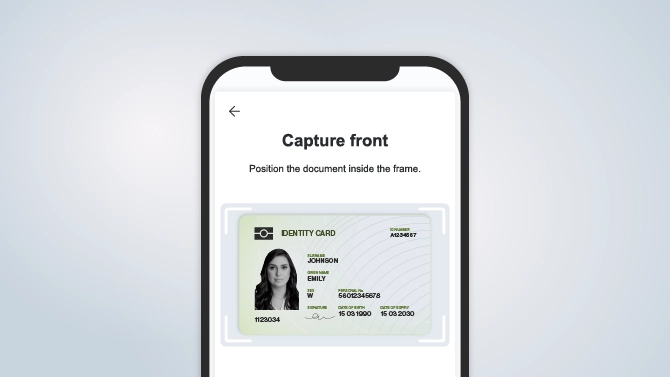
Locate the specific verification module within the dashboard. This section is distinct from general marketplace browsing. Use the search function to find the card’s unique identifier or scan the QR code if you have a physical counterpart. The system will load the card’s metadata and current ownership status on the blockchain.
Initiate the verification transaction. This step involves signing a message that proves you control the wallet holding the digital card. The gas fees for this transaction are typically minimal but vary by network congestion. Review the transaction details carefully before confirming. Once signed, the network will broadcast the verification request.
Wait for the blockchain confirmation. This may take a few seconds to several minutes depending on the network. The interface will update to show a green checkmark or similar indicator of success. If the verification fails, the system will provide an error code. Common issues include incorrect wallet connections or expired session tokens.
The verification process is not just a formality; it is the foundation of trust in digital collectibles. An unverified card may be considered invalid by secondary marketplaces, significantly reducing its liquidity and value. Always double-check the contract address of the TCG OnChain platform before interacting.
Common Verification Mistakes to Avoid
Even with TCG OnChain’s underlying security, the human element remains the primary point of failure. Verification is not merely a formality; it is the final audit before capital is deployed. When users skip critical checks, they expose themselves to smart contract exploits and irreversible loss. The following errors account for the majority of preventable incidents in the tokenized card market.
Using Incorrect Contract Addresses
The most frequent and costly error is interacting with a counterfeit contract. Scammers deploy look-alike contracts with identical names and logos but different addresses. Once you approve a transaction on a fake contract, your assets are gone. Always verify the official contract address directly from the TCG OnChain documentation or the official GitHub repository. Do not rely on search engine results or social media links, which can be manipulated. Double-check every character of the address before initiating any interaction.
Ignoring Metadata Discrepancies
A valid contract address does not guarantee the integrity of the asset. You must inspect the on-chain metadata to ensure it matches the expected card properties. Discrepancies in the token URI, image hash, or attribute values can indicate a compromised or outdated contract. Use a block explorer to verify the metadata pointer. If the metadata URL is missing or points to an unverified source, the card may be worthless or part of a phishing attempt. Cross-reference the card’s unique identifier with the official database.
Overlooking Approval Risks
Interacting with TCG OnChain often requires token approvals. Users frequently approve unlimited spending allowances to their tokens, granting scammers permanent access to their wallets. Always set approval limits to the exact amount needed for the transaction. Revoke unnecessary approvals regularly using wallet tools like Revoke.cash. This practice limits the damage if a contract is later found to be malicious. Never approve unlimited access to your assets for a single interaction.
Market Impact of On-Chain TCGs
The global valuation of on-chain trading card games has expanded to approximately $80 billion, signaling a shift from niche experimentation to a mature financial asset class. In this market, verification is not merely a technical feature; it is the primary driver of liquidity and trust. Without a reliable method to prove ownership and authenticity, high-value digital assets remain illiquid and vulnerable to fraud.
Traditional verification relies on third-party grading services like PSA or BGS, which introduce significant friction. These services require physical shipping, manual inspection, and weeks of turnaround time. The cost of grading often exceeds the value of lower-tier cards, creating a barrier to entry for casual collectors. Additionally, the subjective nature of human grading can lead to inconsistent valuations, complicating secondary market trading.
On-chain verification replaces this slow, expensive process with automated smart contracts. By anchoring card metadata to the blockchain, ownership is proven instantly and transparently. This reduces transaction costs and enables real-time trading across decentralized exchanges. The result is a more efficient market where assets can be priced and traded based on verifiable data rather than opaque third-party opinions.
The following comparison highlights the structural differences between traditional and on-chain verification methods.
| Feature | Traditional (PSA/BGS) | On-Chain Verification |
|---|---|---|
| Verification Time | 2-8 Weeks | Instant |
| Cost | $15-$50+ per card | Network Gas Fees |
| Accessibility | Physical Shipping Required | Global Digital Access |
| Transparency | Private Grading Reports | Public Blockchain Ledger |
| Liquidity | Low (Slow Turnaround) | High (Real-Time Trading) |
This shift toward on-chain verification is reshaping the market dynamics for digital collectibles. As liquidity improves and costs decrease, more participants are entering the space, driving the valuation of verified assets.
No comments yet. Be the first to share your thoughts!