
On-chain verification changes ownership
Trading cards have always suffered from an opacity problem. A physical card’s history is a chain of custody that exists only in memory or paper receipts. If a card is lost, burned, or forged, its provenance vanishes. On-chain TCGs replace this fragile paper trail with immutable blockchain records, turning collectibles into transparent, verifiable assets.
When a card is minted on-chain, its attributes—rarity, condition, and ownership history—are stored directly on the ledger. This is not just a digital copy; it is the asset itself. Every transfer, trade, or sale updates the public record instantly. There is no middleman verifying authenticity. The code does the work.
This shift from opaque collectibles to verifiable data has a direct impact on market trust. Buyers no longer need to worry about counterfeit cards or hidden defects. The blockchain proves what the card is and who owns it. This transparency lowers the barrier to entry, encouraging more participants to trade and increasing overall liquidity.
The result is a market that feels more like a financial exchange than a hobbyist swap meet. Ownership is no longer a matter of belief; it is a matter of record. This foundation of trust is what allows on-chain TCGs to scale into the next billion-dollar market segment.
Top TCG on-chain platforms by liquidity
The on-chain TCG market is moving beyond simple collectibles into a structured economy where ownership and tradability drive value. As tokenized assets gain traction, liquidity has become the primary metric for distinguishing leading ecosystems. Gods Unchained, Splinterlands, and Skyweaver currently dominate this space, each leveraging different blockchain infrastructures to support active trading.
Gods Unchained stands out for its deep integration with Ethereum and Immutable X, allowing players to trade over 1,800 cards across six domains with minimal gas friction. Splintercards operates natively on the Hive blockchain, prioritizing speed and low transaction costs to maintain a high volume of daily card swaps. Skyweaver bridges the gap between traditional gaming and web3 by supporting trades across both Ethereum and Polygon, offering flexibility for users sensitive to network fees.
The following comparison highlights the core infrastructure and asset types that define these platforms. Understanding these differences helps investors and players assess which ecosystem aligns with their risk tolerance and trading volume needs.
| Platform | Blockchain Network | Primary Asset Type | Trading Model |
|---|---|---|---|
| Gods Unchained | Immutable X / Ethereum | ERC-721 NFTs | Direct P2P & Marketplace |
| Splinterlands | Hive | Hive Engine Tokens | In-Game Marketplace |
| Skyweaver | Polygon / Ethereum | Polygon NFTs | Direct P2P |
Liquidity in these platforms is not static; it fluctuates with game updates, card rarity shifts, and broader crypto market trends. Gods Unchained often sees higher floor prices for legendary cards due to its Ethereum heritage, while Splintercards maintains volume through its accessible entry point on Hive. Skyweaver’s multi-chain approach allows it to capture users who prefer the low fees of Polygon without sacrificing the security of Ethereum.
For players entering the market, the choice of platform often depends on the desired balance between asset security and trading efficiency. Immutable X offers the security of Ethereum with the speed of layer-2 solutions, making it a preferred choice for high-value trades. Meanwhile, Hive’s unique consensus mechanism provides a cost-effective environment for casual trading and frequent card swaps.
Price discovery through tokenized assets
Tokenization shifts trading card games from static valuation models to dynamic, real-time markets. When card assets exist on-chain, their value is no longer determined by periodic appraisals or opaque secondary marketplaces. Instead, price discovery happens continuously, driven by transparent supply, demand, and liquidity conditions.
This shift allows collectors and investors to see the true market value of a card at any second. No longer do they rely on delayed listings or guesswork. The blockchain acts as a public ledger where every transaction contributes to an accurate, up-to-the-minute price signal.
Market trends for digital card provenance
The market for TCG on-chain assets is undergoing a structural shift. We are moving away from the speculative NFT boom of previous cycles toward ecosystems built on genuine utility and verifiable provenance. This transition prioritizes long-term engagement over short-term price action, reflecting a maturation in how digital collectibles are valued and traded.
At the core of this change is the rise of fully on-chain trading card games. Unlike traditional NFT projects that rely on off-chain metadata, these games store game logic and assets directly on the blockchain. This approach ensures that the card's history and rarity are immutable and transparent, creating a more robust foundation for secondary markets.
Market indicators suggest that liquidity is consolidating around projects that offer actual playability. Investors and players are increasingly favoring platforms where the digital card serves as a functional tool within a game, rather than a static image. This demand is driving the development of more sophisticated on-chain mechanics, such as auto-battler modes and AI-driven gameplay, which keep users engaged longer.
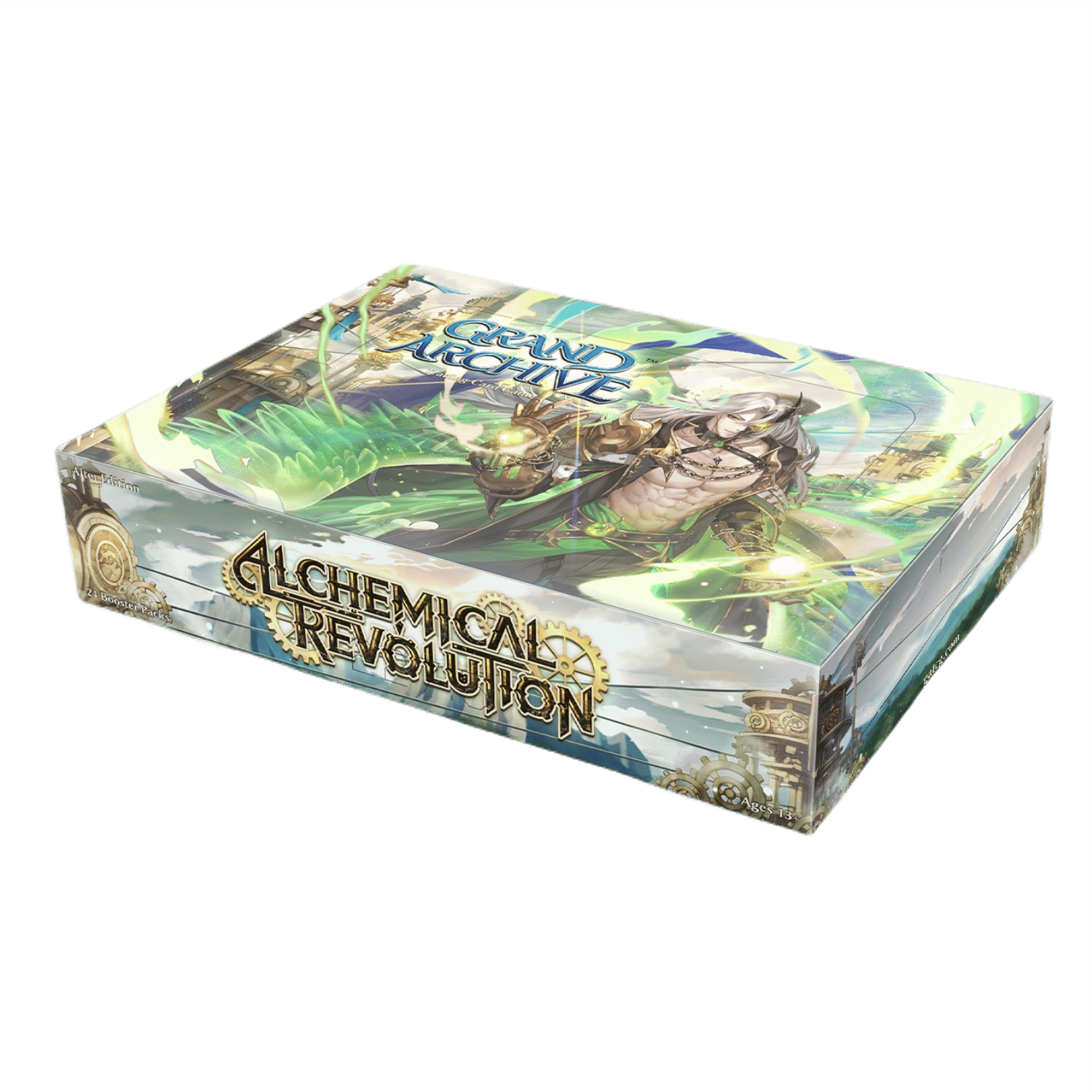
The visual appeal of these digital cards remains important, but it is no longer the primary driver of value. As seen in recent releases like the Grand Archive TCG, the focus is shifting toward how the card integrates into the broader on-chain economy. The market is rewarding projects that balance aesthetic quality with technical innovation and verifiable scarcity.
Common questions about on-chain TCGs
Understanding how digital cards interact with blockchain infrastructure clarifies why on-chain TCGs operate differently from traditional card games. The distinction lies in where the game’s logic and assets live.
No comments yet. Be the first to share your thoughts!