
TCG on-chain 2026
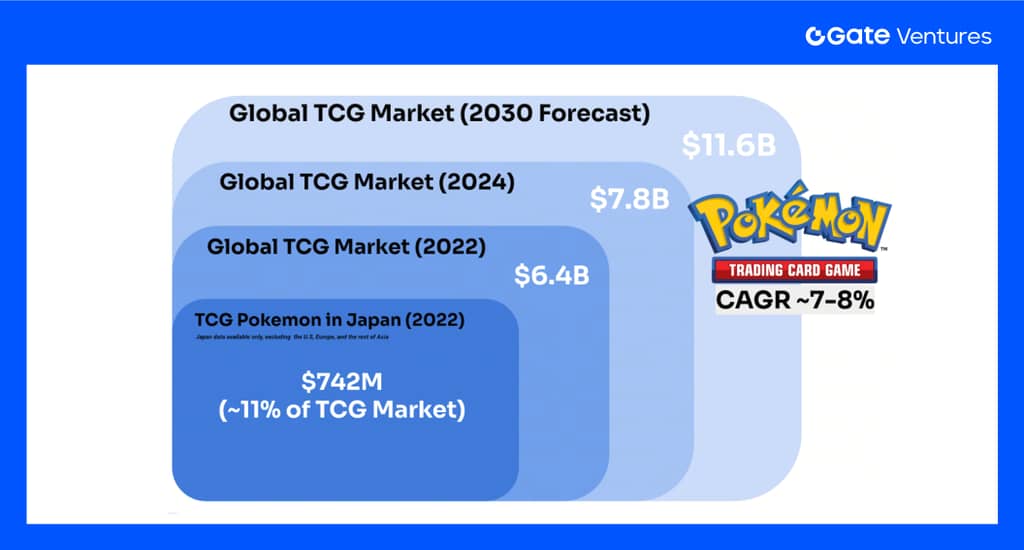
The shift from physical to digital collectibles is no longer theoretical. Global TCG spending has stabilized at an $8–10 billion market size, a scale comparable to the sneaker resale industry. In 2026, this physical volume is actively migrating on-chain, driven by AI-optimized marketplaces that reduce friction for both casual players and serious investors.
Data from April 2026 confirms this acceleration. Messari reports that on-chain gacha spending hit a record $184 million, up from $148.6 million in March. This surge signals that blockchain-based card mechanics have moved beyond niche experiments into mainstream liquidity.
The primary driver is not just ownership, but accessibility. AI-driven platforms now handle pricing, rarity assessment, and transaction routing in real-time. This automation allows digital cards to trade with the speed and volume of traditional securities, making on-chain TCGs a viable asset class rather than a speculative fad.
TCG on-chain 2026: Key Considerations
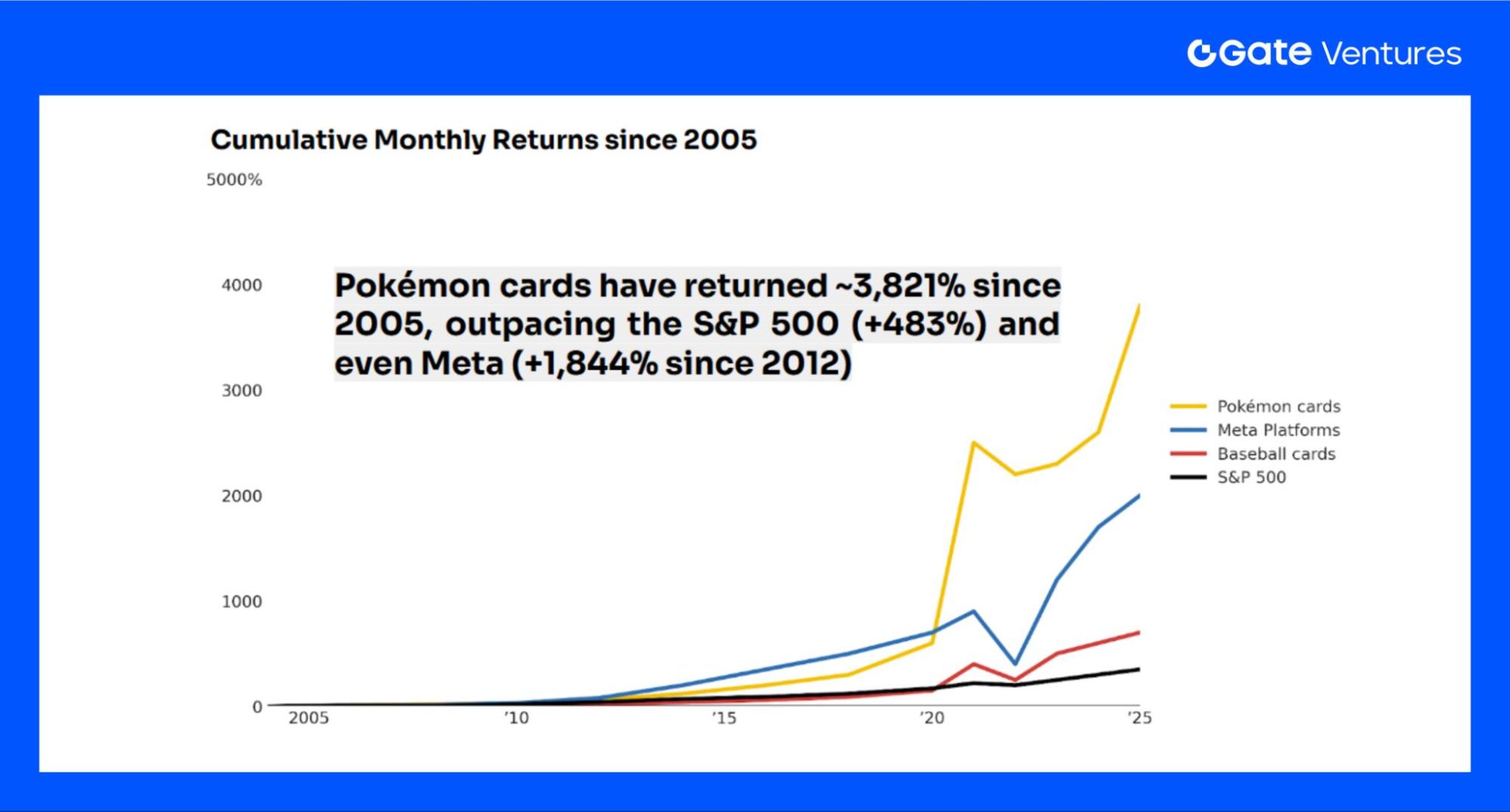
The shift from physical to on-chain trading card games (TCGs) is no longer theoretical. By mid-2026, platforms utilizing the Solana blockchain have recorded massive activity, with top seven platforms for tokenized Pokémon cards generating an aggregate $230 million in May alone [[src-serp-4]]. However, moving your collection on-chain introduces specific friction points that physical collectors rarely face. You are trading tactile ownership for liquidity and provenance, a swap that demands careful evaluation.
Liquidity vs. Market Depth
Physical cards trade on fragmented markets like eBay, TCGplayer, and local game stores, where prices are often negotiated or set by individual sellers. On-chain marketplaces offer 24/7 liquidity, but depth varies wildly by token. A rare Charizard token might trade instantly, while a mid-tier card could sit idle for days. The $184 million monthly spend on on-chain gacha and trading platforms highlights high volume, but this is concentrated in high-demand assets [[src-serp-2]]. If you hold niche cards, the "instant" liquidity of blockchain may not materialize when you need to sell.
Gas Fees and Transaction Costs
Every transfer, trade, or minting event on-chain incurs network fees. While Solana’s low fees make micro-transactions viable, these costs accumulate. In physical trading, the cost is usually a flat shipping fee or a platform commission. On-chain, you pay per block. For high-frequency traders or those splitting portfolios, these micro-costs can erode margins significantly over time. Always calculate the net proceeds after estimated gas before executing a trade.
Authenticity and Smart Contract Risk
Physical cards require visual inspection for counterfeits. On-chain, the smart contract guarantees authenticity, but it also introduces code risk. If the minting platform has a vulnerability, your tokens are at risk. Unlike a physical card stored in a binder, a digital asset’s safety depends on the security of the underlying protocol and your wallet hygiene. The $8–10 billion global TCG market’s growth is partly driven by this trustless verification, but it requires a higher technical literacy than simply buying a booster pack [[src-serp-1]].
Comparison: Physical vs. On-Chain TCG Ownership
| Feature | Physical TCG | On-Chain TCG (2026) |
|---|---|---|
| Liquidity | Fragmented (eBay, LGS) | Centralized (DEXs, Marketplaces) |
| Transaction Cost | Shipping + Platform Fee | Network Gas + Protocol Fee |
| Authenticity | Visual Inspection | Smart Contract Verification |
| Storage | Physical Space (Binder/Box) | Digital Wallet (Hardware/Software) |
| Accessibility | Geographic Limitations | Global, 24/7 Access |
Choosing the Right Platform
Not all on-chain TCGs are created equal. Platforms like Collector Crypt and Courtyard have established themselves as leaders in tokenized assets, offering robust liquidity and verified provenance [[src-serp-4]]. When selecting a platform, evaluate its trading volume, user interface, and security audits. Avoid platforms with low liquidity or unclear ownership rights. The goal is to find a balance between the convenience of digital ownership and the stability of a reputable marketplace.
How to Choose an AI-Driven TCG Marketplace
The on-chain TCG sector has moved past the experimental phase. With global spending hitting $184 million in April 2026, the market is now a mature asset class comparable to sneakers or watches. However, not all marketplaces offer the same security or liquidity. Choosing the right platform requires a structured evaluation of how AI is actually applied to your trading goals.
Use this step-by-step framework to evaluate your options before depositing funds.
AI-driven marketplaces thrive on active trading. A platform with high AI efficiency but low volume creates a liquidity trap where you cannot exit positions without significant slippage. Look for platforms with consistent daily trading volumes above $100,000. This ensures that the AI agents can execute trades at fair market prices rather than manipulating thin order books.
Not all "AI" is created equal. Distinguish between platforms using AI for price prediction versus those using it for automated arbitrage. Check if the platform publishes its algorithmic logic or if it operates as a black box. In a high-stakes environment, you need to understand how the agent reacts to market volatility. Platforms that offer transparent performance logs allow you to verify if the AI is actually generating alpha or simply following trends.
On-chain assets are only as secure as the smart contracts governing them. Before committing capital, verify that the marketplace has undergone third-party security audits from reputable firms. Look for platforms that have been live for at least six months. This history provides data on how the system handles stress events, such as sudden price drops or network congestion, without compromising user funds.
AI trading is computationally intensive, and platforms often pass these costs to users through higher transaction fees or performance fees. Compare the total cost of ownership, including minting, trading, and withdrawal fees. A platform with lower trading fees but higher withdrawal costs may erode your profits on frequent micro-trades. Calculate the break-even point to ensure the AI's returns exceed these operational expenses.
Never deploy significant capital into a new AI-driven marketplace without a trial period. Start with a small, fixed amount to test the platform's execution speed, AI accuracy, and customer support responsiveness. This live test reveals practical issues that benchmarks miss, such as delayed withdrawals or UI friction during peak hours. Use this data to refine your strategy before scaling up.
Spotting Misleading Claims in On-Chain TCG
The on-chain trading card game (TCG) market is growing fast, with monthly gacha spending hitting $184 million in April 2026. This surge attracts investors, but it also invites misleading claims about value and stability. Before committing capital, you need to separate genuine utility from marketing hype.
Many platforms promise "guaranteed returns" or "risk-free" ownership. These are red flags. TCGs are speculative assets. Their value depends on secondary market liquidity, not just the game's popularity. Always check if the platform provides verifiable transaction history on-chain. If you can't audit the supply or trade volume, the asset is likely illiquid.
Another common mistake is ignoring the underlying blockchain's stability. A TCG on a congested network may have high gas fees that eat into profits. Use a TechnicalChart to analyze the token's volatility against major pairs. If the token's price swings wildly compared to the game's card prices, the platform may be using the token for speculation rather than utility.
Finally, be wary of platforms that lack clear ownership proofs. True on-chain ownership means you hold the NFT in your wallet, not just a record on a centralized server. If the platform can freeze or seize your cards, you don't own them. Verify the smart contract's audit status and community governance rights before investing.
TCG on-chain 2026: What to Check Next
The on-chain TCG market is moving fast, with spending hitting $184 million in April 2026 and top platforms like Collector Crypt and Courtyard generating $230 million in May. Before you buy, here are the practical answers to the most common questions.
No comments yet. Be the first to share your thoughts!