
Tcg on-chain 2026: the real limits to account for
The 2026 TCG meta isn't just about better graphics or faster play; it's defined by on-chain asset portability. This shift allows players to truly own their digital cards, moving them between games or marketplaces with unprecedented freedom. However, this promise comes with a significant constraint: the complexity of cross-chain interoperability.
Currently, most blockchain TCGs operate in silos. A card earned in one game often cannot be used in another, limiting the "portability" that defines the 2026 vision. True portability requires standardized protocols, which are still in early development. This fragmentation means players must choose ecosystems carefully, as their assets may not travel as freely as advertised.
The market is responding to this potential. Prediction markets saw over $4 billion in volume in 2025, signaling strong interest in crypto-based gaming assets. As we move into 2026, the key differentiator will be which platforms successfully bridge these silos. Players should look for projects prioritizing open standards over closed loops.
Tcg on-chain 2026 choices that change the plan
Moving a trading card game on-chain in 2026 is not just a technical upgrade; it is a fundamental shift in how value is stored and transferred. The promise of true asset ownership is compelling, but the execution reveals distinct friction points that separate viable platforms from speculative noise. You are no longer just buying cards; you are buying into a specific blockchain ecosystem, each with its own economic gravity.
The most immediate tradeoff involves liquidity and speed. While Ethereum offers deep liquidity and institutional trust, the gas fees can make low-value card trades economically unviable. Solana and Layer-2 solutions like Polygon offer near-zero fees and instant settlement, making them ideal for the high-volume, low-margin gacha mechanics that dominate the sector. However, this speed comes with different security assumptions and community fragmentation. You must decide if you prioritize the security of a mainnet or the usability of a high-throughput chain.
Another critical factor is the bridge between digital ownership and physical utility. In 2026, the most successful platforms are those that allow seamless redemption. If a digital card cannot be easily exchanged for a physical counterpart or used in an official tournament, its value is purely speculative. The data from May 2026 shows that top platforms like Collector Crypt and Courtyard generated significant aggregate volume, largely because they solved the "so what" problem for collectors. They provided a clear, tangible utility for the on-chain asset.
Finally, consider the exit strategy. On-chain assets are subject to market volatility and platform risk. Unlike a physical card in a binder, a digital token is only as good as the smart contract that governs it. A platform’s code is law, but code can have bugs. Diversifying across platforms with different underlying blockchains and redemption models is the only way to mitigate the risk of a single point of failure.
| Factor | Ethereum | Solana | Layer 2 |
|---|---|---|---|
| Transaction Cost | High ($5-$50+) | Very Low (<$0.01) | Low ($0.01-$0.10) |
| Settlement Speed | 12-15 mins | <1 second | Seconds to minutes |
| Liquidity | Deep | Growing | Moderate |
| Best Use Case | High-Value Blue Chips | Mass Market Gacha | Mid-Tier Trading |
How to Choose a TCG for 2026
The 2026 trading card game meta is shifting from static digital assets to on-chain portability. This transition rewards players who treat their collections as liquid assets rather than locked inventory. To navigate this change, use this decision framework to evaluate games based on liquidity, interoperability, and entry cost.
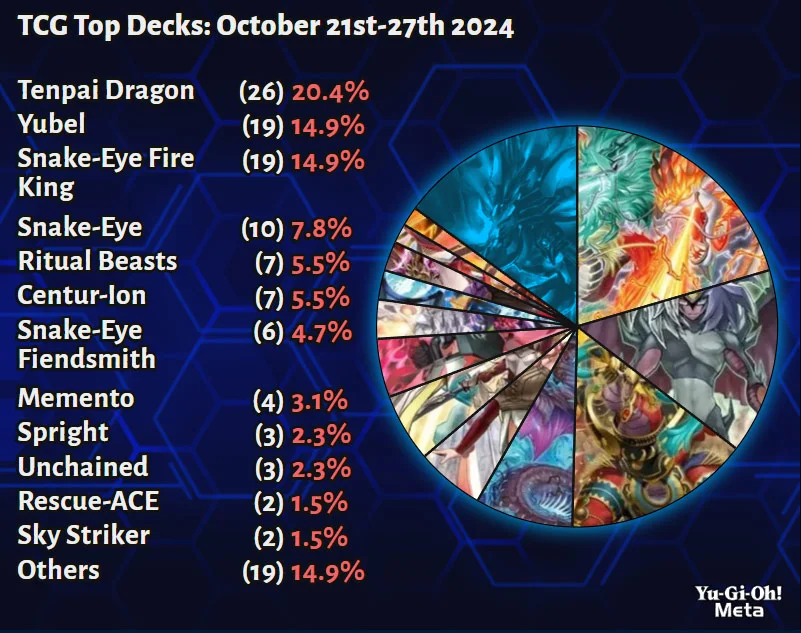
Prioritize games with established secondary markets. High liquidity ensures you can sell cards for stable value without significant slippage. Avoid games where the buy-spread exceeds 20%, as this erodes profit margins before you even play a match.
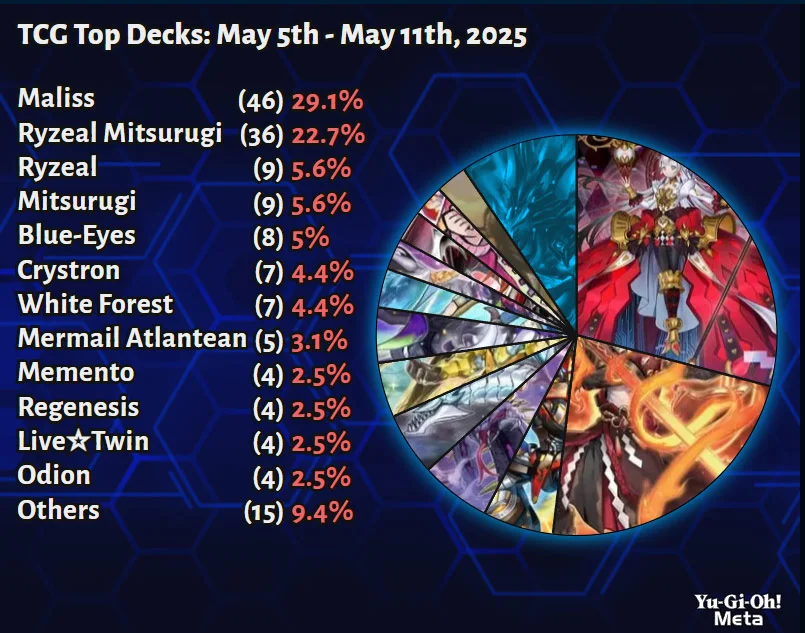
Look for standards like ERC-1155 or ERC-721 that allow assets to move between compatible titles. Portability increases the total addressable market for your cards, making them more valuable. If a card only works in one closed ecosystem, its long-term value is capped.
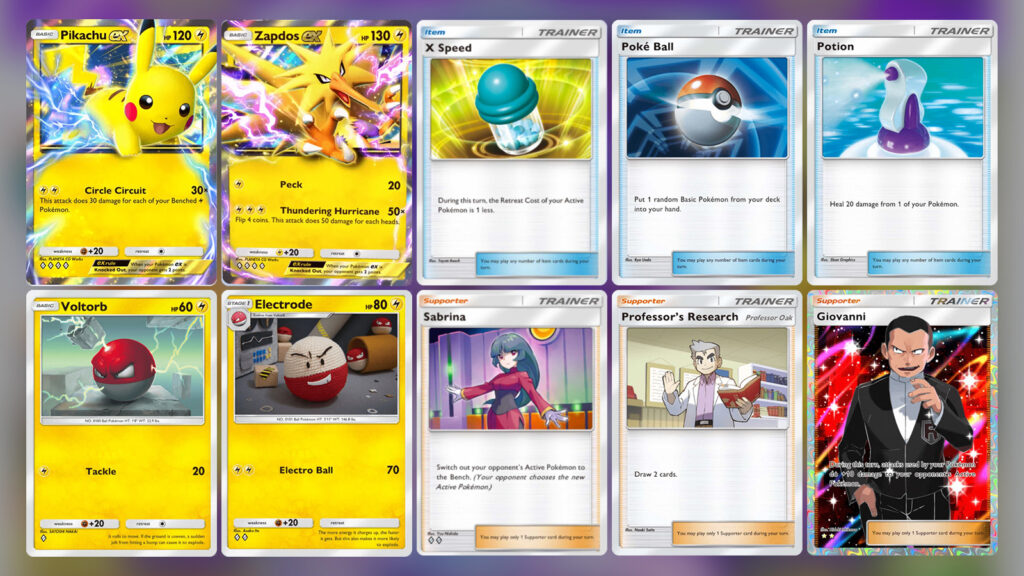
Calculate the total cost to start, including minting fees and initial pack purchases. Games with high gas fees or expensive starter sets favor whales over casual players. Sustainable 2026 meta games will have low-friction entry points to maintain active player bases.
Review the team’s history and funding. On-chain TCGs are vulnerable to smart contract exploits and market volatility. Choose projects with audited code and clear utility beyond speculation to ensure the game survives beyond the initial hype cycle.
-
Verify ERC standards used for card ownership
-
Check average sell-time on secondary markets
-
Review developer audit reports
-
Calculate total entry cost including fees
Spotting weak options and misleading claims
The promise of on-chain asset portability in TCGs often masks fundamental design flaws. Many projects market "true ownership" while locking assets behind high-friction bridges or centralized custodians. If you cannot trade a card freely across secondary markets without exorbitant gas fees or platform-specific restrictions, the asset is not truly portable. This friction kills liquidity and traps value.
Beware of projects that prioritize speculative hype over gameplay depth. Several 2024-2025 launches failed because they treated cards as financial derivatives rather than game pieces. The 2026 meta will favor games where utility drives demand, not just tokenomics. Look for titles with active, balanced competitive scenes rather than those relying solely on influencer marketing.
Another common mistake is ignoring the environmental and economic cost of on-chain transactions. While layer-2 solutions have reduced fees, frequent micro-transactions for card minting or trading can still erode player margins. A sustainable TCG must account for these costs in its core loop. If the game mechanics force constant on-chain interactions, it is likely poorly designed for long-term retention.
Finally, verify the team's track record. Many anonymous teams behind "revolutionary" TCGs disappear after the initial token sale. Established developers with a history of successful game launches are far more likely to deliver a stable, fair competitive environment. Always check the governance structure and whether the team holds significant vesting periods for their tokens.
Tcg on-chain 2026: common: what to check next
The shift from physical to on-chain trading card games (TCGs) has accelerated rapidly, driven by asset portability and lower friction. Before committing capital or time, it helps to understand where the market is heading and what specific mechanics are driving growth.
The distinction between speculative gaming and actual competitive play is blurring. As platforms mature, the barrier to entry drops, making on-chain TCGs a viable long-term alternative to traditional physical markets.
No comments yet. Be the first to share your thoughts!