

What is an RWA TCG?
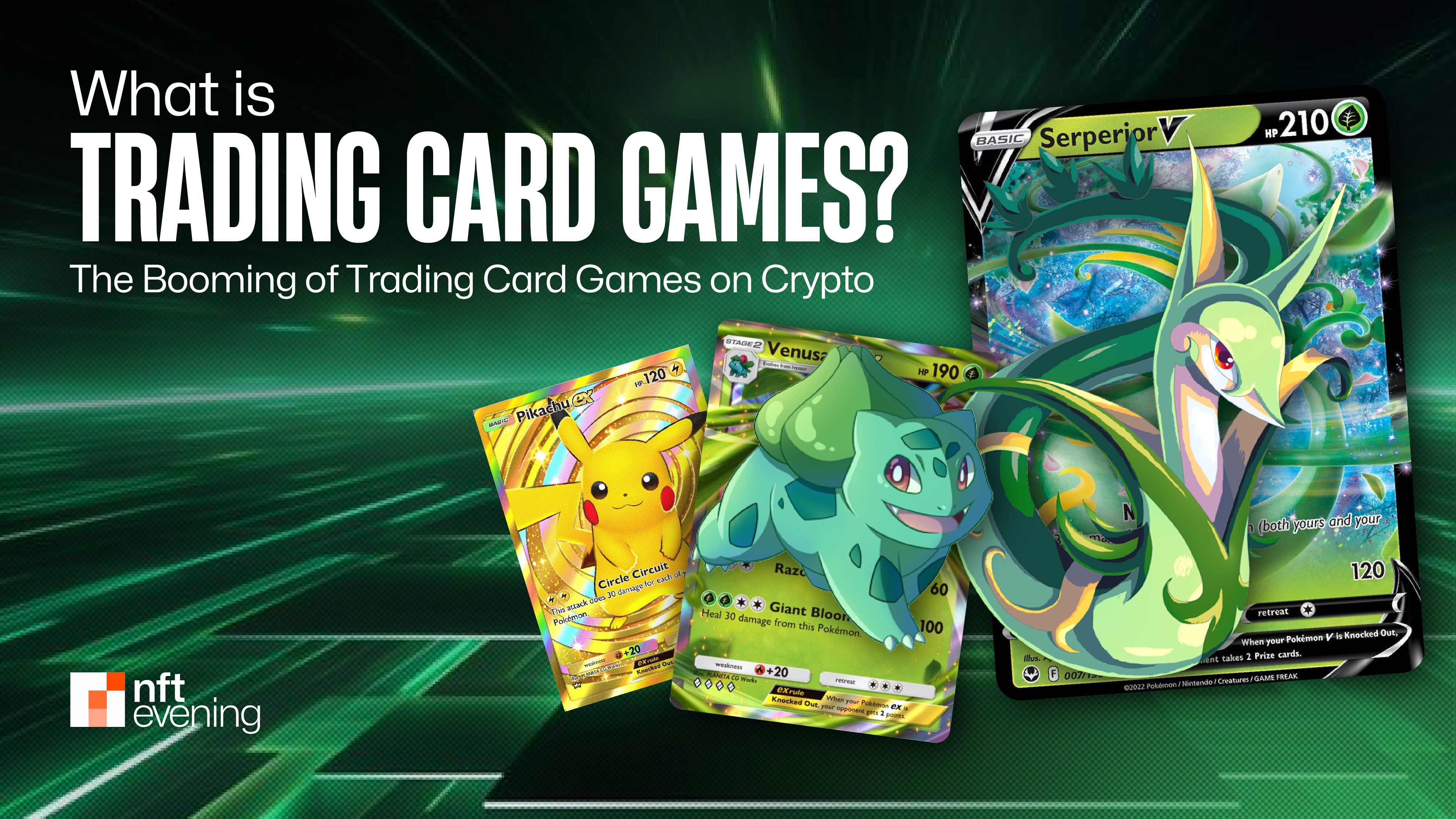
A Real-World Asset Trading Card Game (RWA TCG) is a digital collectible ecosystem where physical trading cards are tokenized on a blockchain. Unlike pure digital NFTs that exist solely as code, RWA TCGs represent a legal claim to a tangible object held in custody. This structure bridges traditional collectibles with decentralized finance, allowing owners to prove ownership, verify authenticity, and trade assets with the speed of on-chain settlement.
The model functions by minting a non-fungible token (NFT) that corresponds to a specific physical card. When a collector buys the token, they are acquiring the digital representation of the card’s value and provenance. This creates a secondary market where liquidity is no longer constrained by the physical logistics of shipping and grading. Instead, trades occur instantly across global exchanges, reducing friction and enabling fractional ownership in high-value items.
Market data from 2026 indicates significant growth in this sector. According to Coinpedia, the broader RWA market has reached a $24 billion valuation, supported by $365 billion in underlying assets, with a specific focus on secondary trading mechanisms this year. Within the niche, BeInCrypto reports that tokenized Pokémon cards alone have hit an $87 million market capitalization, driven largely by platforms on Solana and Polygon. This growth highlights the structural shift from static holding to active, liquid asset management.
The distinction between an RWA TCG and a standard NFT is critical for investors. Standard NFTs often lack a clear link to physical value, relying entirely on speculative demand. RWA TCGs anchor their value to the scarcity and desirability of the physical card itself, mitigating some of the volatility seen in pure digital art or meme coins. This dual-layer approach—physical backing plus digital liquidity—defines the emerging category.
Why 2026 marks the RWA TCG breakout
The transition of real-world asset tokenization from experimental pilots to a core component of digital finance has accelerated significantly in 2026. This shift is driven by the maturation of blockchain infrastructure and a substantial expansion in trading volume, creating the necessary liquidity for niche asset classes like trading card games (TCGs) to thrive. While the broader RWA market currently holds a $24 billion market cap, supported by $365 billion in underlying physical assets, the velocity of secondary trading has become the primary indicator of viability [src-serp-5].
The structural mechanics of tokenization have moved beyond simple issuance. In the first quarter of 2026 alone, RWA perpetual contracts recorded $524.79 billion in total trading volume, a figure that positions the year to more than double the $313.02 billion recorded in the previous year [src-serp-1]. This surge in volume demonstrates that the market is no longer testing the waters but is actively integrating tokenized assets into high-frequency trading strategies. For TCGs, this liquidity is critical; it transforms static collectibles into dynamic financial instruments capable of absorbing market volatility.
This environment allows on-chain collectibles to bridge the gap between physical scarcity and digital utility. The infrastructure now supports the fractionalization, verification, and rapid transfer of these assets, reducing the friction that previously limited the secondary market for physical cards. As institutional and retail participants increasingly view tokenized RWAs as standard portfolio diversifiers, the specific niche of TCGs benefits from the same liquidity pools and regulatory clarity that have propelled broader asset classes forward.
Comparing Major RWA TCG Platforms
Use this section to make the RWA TCG decision easier to compare in real life, not just on paper. Start with the reader's actual constraint, then separate must-have requirements from details that are merely nice to have. A practical choice should survive normal use, maintenance, timing, and budget. If a recommendation only works in an ideal situation, call that out plainly and give the reader a fallback path.
| Factor | What to check | Why it matters |
|---|---|---|
| Fit | Match the option to the primary use case. | A good deal still fails if it does not fit the job. |
| Condition | Verify age, wear, and service history. | Hidden condition issues erase upfront savings. |
| Cost | Compare purchase price with likely upkeep. | The cheapest option is not always the lowest-cost option. |
How Physical Cards Become Digital Assets
The transition from physical trading cards to on-chain assets relies on a standardized three-step workflow: grading, secure storage, and minting. This process ensures that the digital token accurately represents the unique condition and ownership of the physical item.
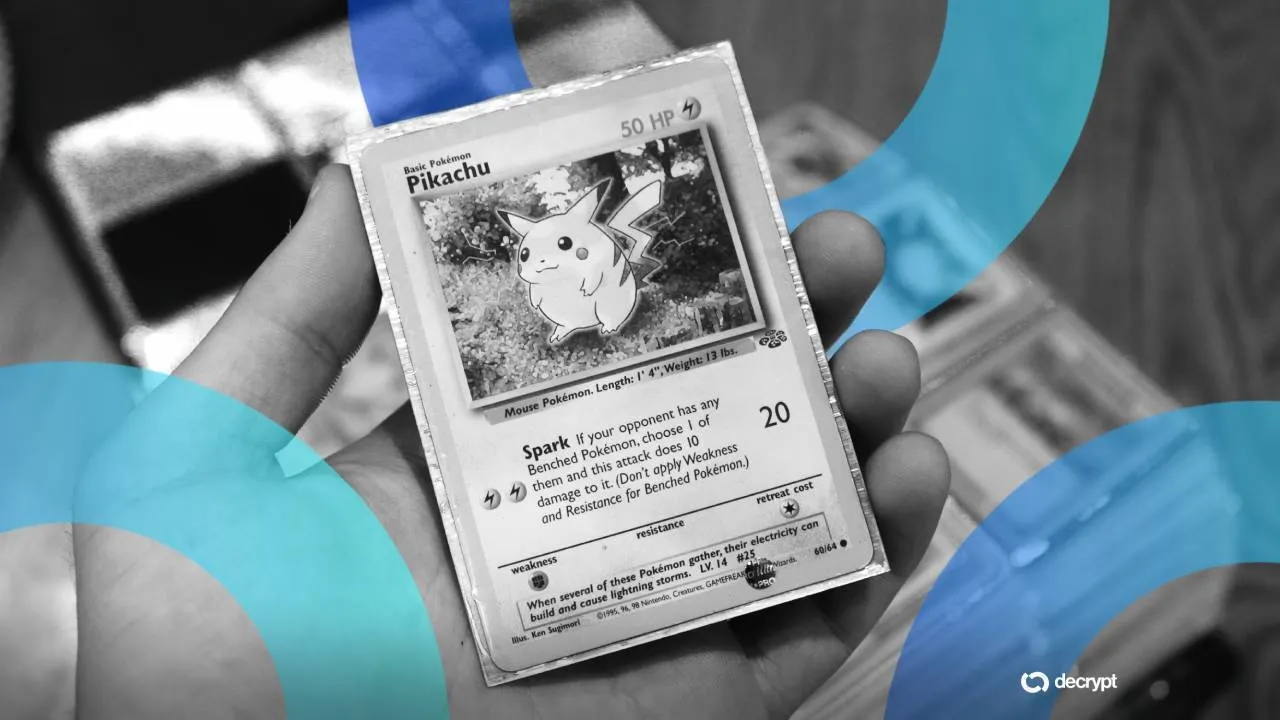
This mechanism bridges the gap between traditional collectibles and digital liquidity. By anchoring the digital token to a verifiable physical asset, the system provides a foundation for trading card games (TCGs) to function within broader financial markets.
Risks and Regulatory Considerations
The intersection of physical collectibles and decentralized finance introduces structural complexities that extend beyond simple market speculation. While the total value of tokenized real-world assets (RWAs) has reached $24 billion, supported by $365 billion in underlying assets, the mechanics of bridging these two worlds remain fraught with friction (TradingView, 2026). Investors must distinguish between the digital token and the physical asset it represents, as the former is only as valuable as the latter's integrity and custody.
A critical divergence exists between owning the NFT and owning the physical card. In traditional RWA markets, such as the $524.79 billion in RWA perpetual contracts traded in Q1 2026, the underlying assets are often financial instruments with clear legal wrappers (CoinGecko, 2026). In the TCG space, the legal right to the physical card is often separate from the smart contract. If the custodian holding the physical card fails, or if the authentication process is flawed, the NFT may become a claim on a worthless object. This decoupling creates a unique counterparty risk profile that does not exist in purely digital assets.
Regulatory uncertainty further complicates the landscape. As the industry moves toward mainstream secondary trading, regulators are scrutinizing whether these tokens qualify as securities or commodities. The lack of standardized legal frameworks means that ownership rights can vary significantly between platforms. Investors should assume that the legal recourse for recovering a physical card lost or damaged while in custody is limited and often undefined by current blockchain standards.
No comments yet. Be the first to share your thoughts!