
Tcg on-chain limits to account for
Moving traditional trading card games onto a blockchain introduces specific technical and economic limits that collectors must understand before investing. Unlike physical cards, digital assets on-chain face inherent constraints regarding liquidity, standardization, and the stability of the underlying financial infrastructure.
Liquidity remains the primary bottleneck. While physical cards benefit from established secondary markets like eBay and local game stores, on-chain TCGs often suffer from thin order books. As one community discussion highlighted, early models attempted to "mine" new cards with each new block, creating limited supply but struggling to maintain consistent buyer interest for secondary trading [[src-serp-1]]. Without deep liquidity, selling a rare digital card can result in significant slippage or inability to exit a position quickly.
Standardization is another major hurdle. Physical cards have universal rules and physical attributes that facilitate trading. On-chain, every project creates its own metadata standards, rarity algorithms, and smart contract structures. This fragmentation makes it difficult to compare the value of a card from one protocol against another, limiting the fluidity of a true cross-platform marketplace.
Finally, the financial utility of on-chain TCGs is tightly coupled to the stability of the crypto market. Recent industry analysis notes that the core investment thesis often involves using sealed products or slabs as collateral to borrow stablecoins [[src-serp-2]]. However, this model is vulnerable to volatility. If the value of the underlying card NFT drops or the stablecoin peg wavers, collectors face liquidation risks that do not exist in traditional physical collecting.
Tcg on-chain choices that change the plan
Use this section to make the TCG On-Chain Revolution decision easier to compare in real life, not just on paper. Start with the reader's actual constraint, then separate must-have requirements from details that are merely nice to have. A practical choice should survive normal use, maintenance, timing, and budget. If a recommendation only works in an ideal situation, call that out plainly and give the reader a fallback path.
| Factor | What to check | Why it matters |
|---|---|---|
| Fit | Match the option to the primary use case. | A good deal still fails if it does not fit the job. |
| Condition | Verify age, wear, and service history. | Hidden condition issues erase upfront savings. |
| Cost | Compare purchase price with likely upkeep. | The cheapest option is not always the lowest-cost option. |
How to Choose the Right On-Chain TCG Platform
The shift from physical slabs to digital collateral is accelerating. With the on-chain TCG market hitting $8 billion, the gap between speculative trading and genuine provenance tracking is widening. Choosing a platform requires looking past the hype and evaluating how the system handles liquidity, verification, and user access.
The following framework helps you navigate these platforms by focusing on three concrete decision points: liquidity depth, verification standards, and technical accessibility.
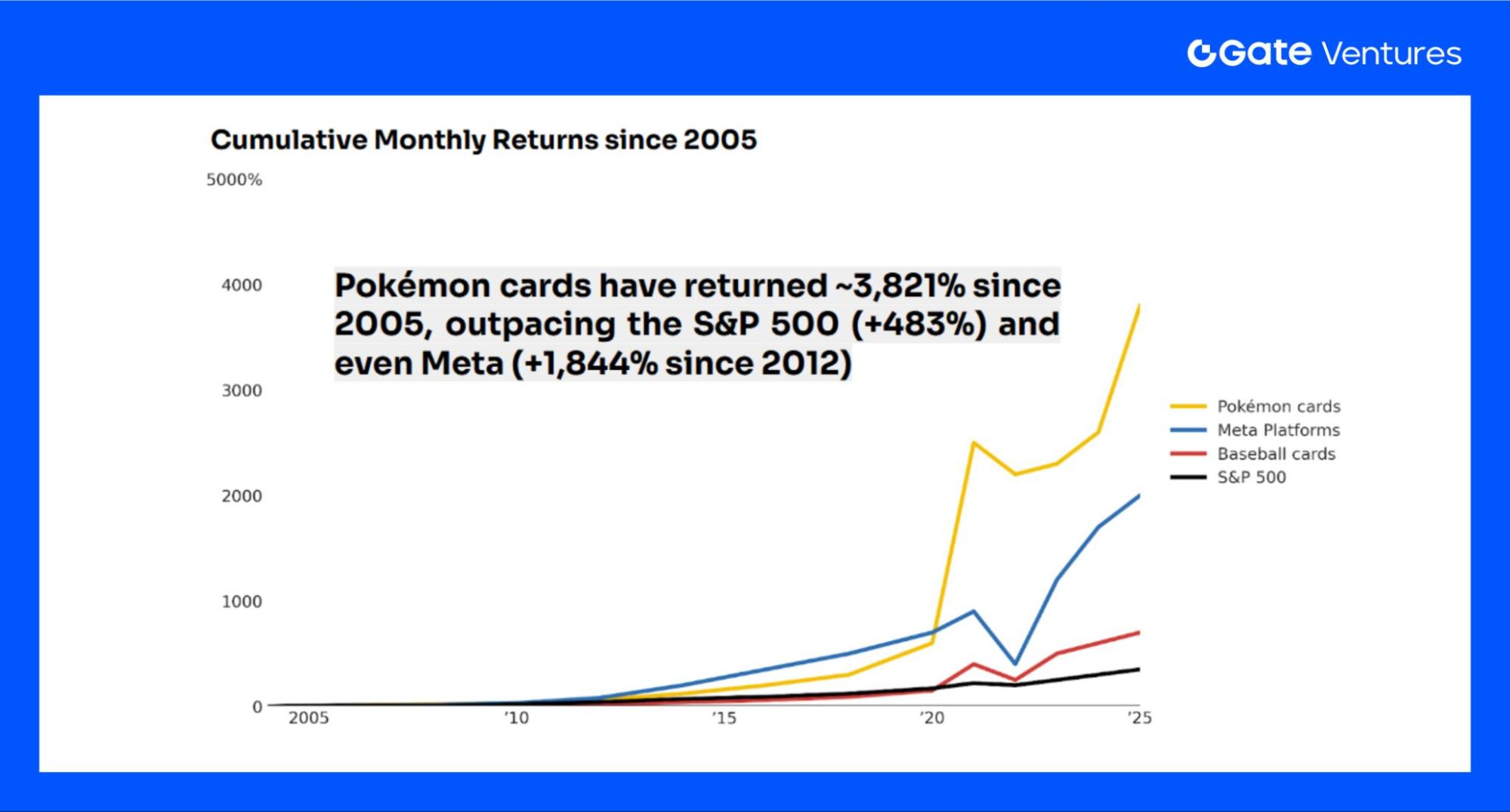
Many platforms now allow collectors to borrow stablecoins against their digital card collections. Before committing, check if the platform supports direct borrowing against verified assets. High liquidity means you can exit positions quickly without significant slippage. Avoid platforms that rely on thin order books or illiquid native tokens for collateral.

AI-driven provenance is the core differentiator in 2026. Look for platforms that use automated image recognition and hash verification to confirm card authenticity. The system should flag discrepancies between the physical card and its digital twin instantly. If the platform relies solely on manual uploads, it lacks the robustness needed for high-value trading.
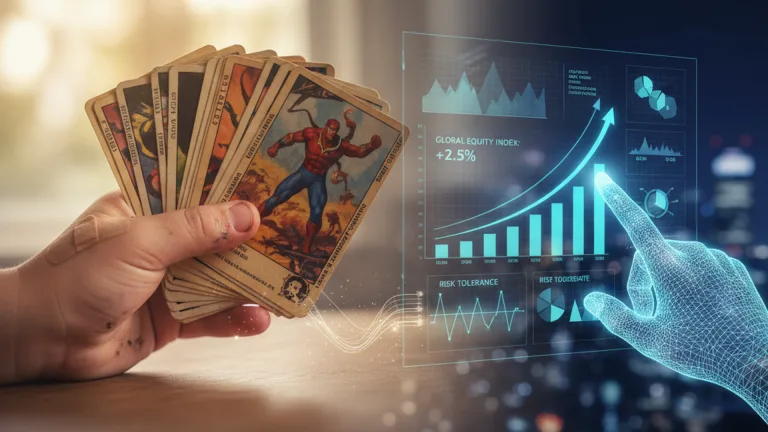
A complex interface can hinder trading speed and increase error rates. Choose a platform that offers a clean dashboard for managing your portfolio, tracking loan-to-value ratios, and executing trades. The best tools feel like modern trading terminals, not cryptic code repositories. Test the user experience with a small amount before scaling up.
| Feature | Platform A | Platform B |
|---|---|---|
| AI Verification | Yes | Manual |
| Borrowing | Stables | Native Token |
| UI Simplicity | High | Low |
Key Considerations for New Entrants
As you enter the on-chain TCG space, keep these practical notes in mind. The technology is evolving, but the fundamentals of risk management remain the same. Diversify your holdings across multiple platforms to mitigate counterparty risk. Always verify the smart contract audits before depositing valuable assets.
Watch for misleading claims and weak options
The promise of AI-driven provenance often outpaces the actual utility. Many projects market "blockchain verification" without explaining how the AI validates the data source. If the algorithm only scans metadata rather than physical or cryptographic proof, the provenance is fragile. Treat these systems as marketing tools until you see independent audit trails.
Common mistakes include ignoring the liquidity trap. While some platforms claim your cards are liquid assets, the secondary market for on-chain TCGs is often thin. You might find a high bid price, but low volume means you cannot sell without significant slippage. Always check the 24-hour trading volume, not just the token price.
Another weak option is the "gacha derivative" model. Some projects turn digital collectibles into gambling mechanics disguised as investment products. This shifts the value from collectibility to speculation, creating volatile price swings that have nothing to do with the card's rarity or historical significance. Stick to projects that prioritize transparent minting schedules and clear utility over hype.
"The core idea is simple: turn slabs and sealed product into collateral, so collectors and shops can borrow stables against their collections." — From Gacha to Derivatives: Inside the $8B On-Chain TCG Investment Landscape
When evaluating new TCG on-chain platforms, look for concrete metrics: real-world asset (RWA) backing, clear legal frameworks for ownership, and active community governance. Avoid projects that promise high returns without a sustainable revenue model. The most reliable on-chain TCGs will focus on preserving value through scarcity and utility, not just speculation.
Tcg on-chain: what to check next
Before committing capital to digital collectibles, it helps to separate marketing jargon from technical reality. The following answers address the most common points of confusion for collectors entering the space.
Why does TCG stand for?
TCG stands for Trading Card Game. This term originates from physical games like Magic: The Gathering and Pokémon, where players buy, sell, and trade individual cards. In the on-chain context, it refers to digital assets (NFTs) that function as playable cards with provable ownership and scarcity.
What does TCG and CCG mean?
CCG stands for Collectible Card Game. While often used interchangeably with TCG, there is a subtle distinction. CCGs emphasize collection and rarity (like Magic), whereas TCGs emphasize competitive play and tournaments (like Yu-Gi-Oh!). On-chain, both terms describe the same asset class: blockchain-verified cards used for gaming or investment.
What is a chain token?
A chain token is a cryptocurrency native to a specific blockchain ecosystem. In TCGs, these tokens serve two purposes: they act as the medium of exchange for buying cards on marketplaces, and they often provide governance rights, allowing holders to vote on game updates or treasury spending. For example, Gods Unchained uses $GODS for in-game rewards and marketplace transactions.
What is crypto on chain?
"On-chain" refers to activity recorded directly on a blockchain ledger, rather than on a centralized server. For TCGs, this means every card trade, card creation, and game move is publicly verifiable and immutable. This transparency prevents fraud and ensures that the digital item you buy is the exact same item the seller owns, eliminating the risk of counterfeit cards.
No comments yet. Be the first to share your thoughts!