
On-chain TCG 2026
The physical trading card game market, already valued between $8 billion and $10 billion, is undergoing a structural shift as digital provenance moves from experimental to essential. In 2026, the integration of on-chain verification is no longer a niche novelty but a core component of high-value trading. This transition mirrors the broader convergence of collectibles and digital asset management, where authenticity is no longer just about physical inspection but cryptographic proof.
Market data underscores this acceleration. Monthly spending on on-chain TCG gacha platforms hit a record $184 million in April 2026, following a $148.6 million milestone in March. This surge indicates that players and investors are increasingly willing to transact in environments where ownership history is immutable and transparent. The speed of this adoption suggests that by mid-2026, on-chain provenance will be the standard for premium cards, reducing friction in secondary markets and mitigating the risks associated with counterfeits.
For collectors, this means the definition of an "authentic" card now includes its digital twin. The ability to verify a card's history on-chain provides a layer of security that physical grading alone cannot offer. As the market matures, we expect to see tighter integration between physical cards and their digital records, creating a hybrid ecosystem where value is derived from both the tangible asset and its verifiable digital lineage.
On-chain tcg 2026 choices that change the plan
Use this section to make the The TCG Meta decision easier to compare in real life, not just on paper. Start with the reader's actual constraint, then separate must-have requirements from details that are merely nice to have. A practical choice should survive normal use, maintenance, timing, and budget. If a recommendation only works in an ideal situation, call that out plainly and give the reader a fallback path.
| Factor | What to check | Why it matters |
|---|---|---|
| Fit | Match the option to the primary use case. | A good deal still fails if it does not fit the job. |
| Condition | Verify age, wear, and service history. | Hidden condition issues erase upfront savings. |
| Cost | Compare purchase price with likely upkeep. | The cheapest option is not always the lowest-cost option. |
How to choose the right on-chain TCG approach
The on-chain TCG market has grown from niche experimentation to an $8–10 billion sector, with gacha spending alone hitting $184 million in April 2026. This surge creates a split in strategy: some players want immediate gameplay liquidity, while others seek long-term asset preservation. Choosing the right entry point depends on whether you prioritize speed of trade or verifiable ownership.
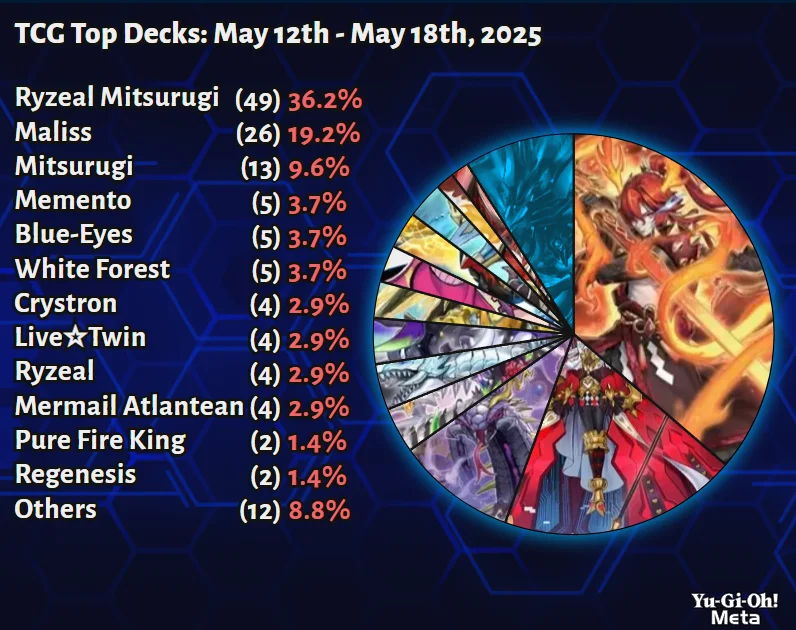
Before buying any digital card, check its blockchain history. Unlike traditional platforms, on-chain assets carry a permanent, public ledger of ownership. Look for contracts that verify the card’s unique identifier (Token ID) against the official issuer’s registry. If the contract address is not whitelisted by the game’s official team, treat it as a high-risk speculative asset rather than a playable card.

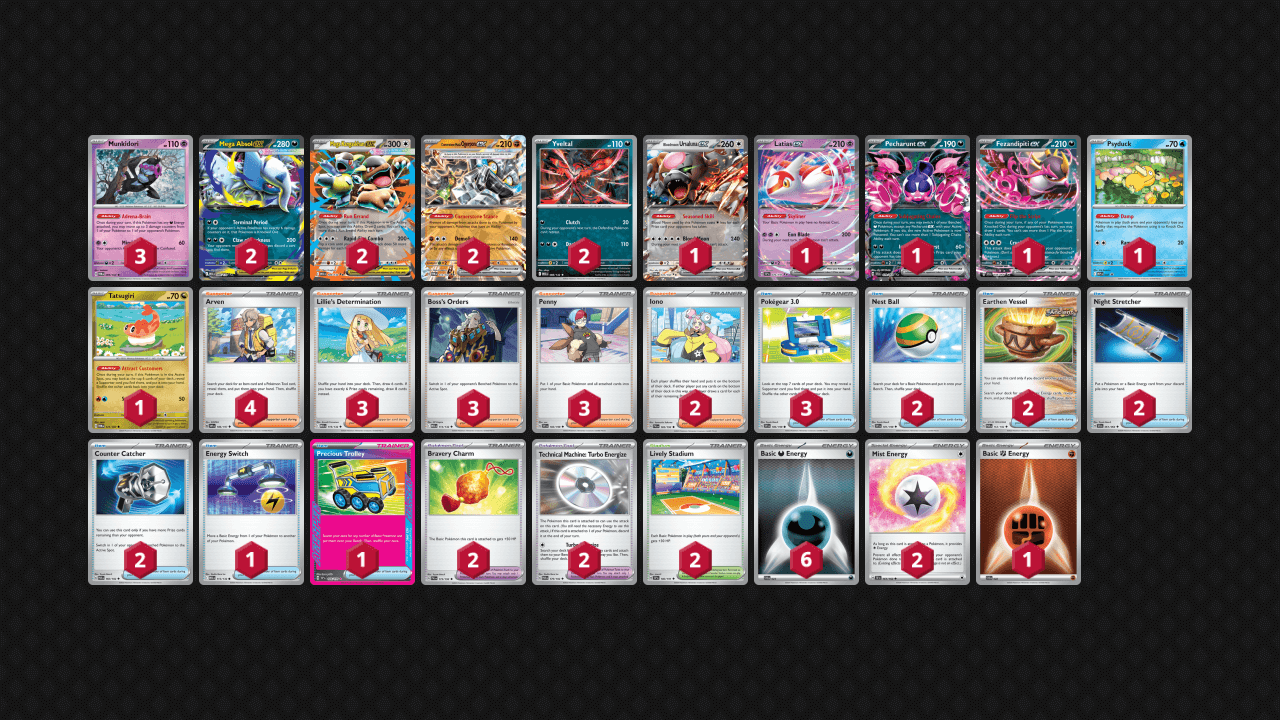
Not all on-chain cards are created equal. Some tokens are purely speculative derivatives with no in-game utility, while others are fully integrated into playable ecosystems. If you plan to use the cards in tournaments or casual play, ensure the token is compatible with the current meta deck lists. Pure derivative tokens often have higher volatility and lower practical value, making them suitable only for short-term trading.
The infrastructure hosting your cards matters as much as the cards themselves. Evaluate the platform’s transaction fees, gas costs, and cross-chain interoperability. A card trapped on a high-fee network with low trading volume is illiquid by design. Prefer platforms that support multi-chain bridges, allowing you to move assets between Ethereum, Solana, or Layer 2 solutions without losing provenance or incurring excessive costs.
Before committing significant capital, execute a low-value trade to test the withdrawal and verification process. This step reveals hidden friction points, such as slow settlement times or complex KYC requirements. Use this test to confirm that the platform’s customer support and dispute resolution mechanisms work as advertised. If the process is smooth for a small amount, it will likely scale for larger transactions.
Watch for weak options and misleading claims
The on-chain TCG market is expanding rapidly, with global spending hitting $184 million in April 2026. This surge attracts both serious collectors and opportunistic traders. However, the lack of centralized oversight means you must verify provenance before buying. Misleading claims about card authenticity are common in unregulated secondary markets.
Many platforms highlight volume without addressing liquidity risks. A high trading volume does not guarantee you can sell at that price. Always check the actual spread between bid and ask prices. If the gap is wide, the option is weak, regardless of the hype.
Be wary of platforms promising guaranteed returns or "insider" access to new drops. These are often red flags for pump-and-dump schemes. Stick to platforms with transparent audit trails and verifiable on-chain history. The most popular TCG in 2026 is Pokémon, but its digital counterparts vary widely in security.
To stay safe, focus on platforms that provide clear, immutable records of ownership. This is the only way to ensure you are buying a legitimate asset. Always verify the smart contract address before interacting. The next Pokémon TCG set in 2026 will likely drive more speculation, so due diligence is more important than ever.
On-chain tcg 2026: what to check next
The shift toward on-chain collectibles has sparked practical questions about availability, value, and market trends. Here are the most common queries regarding physical and digital TCG integration in 2026.
What is the next Pokémon TCG set in 2026?
The Pokémon Company International releases new sets on a quarterly cycle. In early 2026, the focus is on the Paldean Fates expansion, which introduced special full-art variants and on-chain provenance options for select promo cards. Subsequent releases like Shiny Vault continue to bridge physical collectibles with digital verification, though exact launch dates for later 2026 sets are typically announced 3-4 months in advance via official Pokémon channels.
What is the most popular TCG in 2026?
Pokémon remains the dominant force, but the market is shifting toward hybrid models. While traditional paper trading dominates physical sales, on-chain TCG platforms are seeing explosive growth, with spending hitting a record $324 million in June 2026 alone. Players are increasingly drawn to games that offer verifiable digital ownership alongside physical play, making tokenized versions of Pokémon, Magic: The Gathering, and Yu-Gi-Oh! the fastest-growing segments.
Is there a $1,000,000 Pokémon card?
Yes, but only in the secondary market. The 1999 Pokémon Base Set 1st Edition Shadowless Charizard graded PSA 10 has sold for over $1 million at auction. These prices reflect rarity and condition, not face value. On-chain, tokenized versions of these cards exist as NFTs, but they rarely command the same premiums as the original physical artifacts due to the lack of tangible scarcity and historical provenance.
What is the next rotation for Pokemon TCG 2026?
The 2026 Standard format rotation removed several cards from the Scarlet & Violet and Paldean Fates sets, phasing out older mechanics that were deemed unbalanced. The new Standard format now relies on cards from Shiny Vault and the most recent 2-3 expansions. Players should check the official Pokémon TCG website for the full list of rotated and legal cards before entering competitive events.
No comments yet. Be the first to share your thoughts!