
Market size and growth trajectory
Use this section to make the The On-Chain TCG Landscape decision easier to compare in real life, not just on paper. Start with the reader's actual constraint, then separate must-have requirements from details that are merely nice to have. A practical choice should survive normal use, maintenance, timing, and budget. If a recommendation only works in an ideal situation, call that out plainly and give the reader a fallback path.
The simplest way to use this section is to write down the must-have criteria first, then compare each option against those criteria before weighing nice-to-have features.
Solana's Gacha Dominance
Solana has emerged as the primary infrastructure for on-chain trading card games, driven by transaction speed and low fees that accommodate high-frequency micro-transactions. This technical advantage has shifted the market dynamic from passive speculative trading to active gacha spending, where users repeatedly purchase digital packs to acquire card assets.
The financial scale of this activity is substantial. According to data shared by Messari, monthly on-chain TCG gacha spending climbed to $148.6 million in March 2026 before rising to a new all-time high of $184 million in April. This surge indicates that the core value proposition for many participants is the immediate utility and excitement of the gacha mechanic rather than long-term asset holding.
Broader trading volumes on Solana have also expanded significantly. By mid-2025, weekly on-chain TCG trading volumes reached roughly $20 million and continued climbing into 2026. This growth reflects a maturing ecosystem where secondary market liquidity supports the primary gacha economy, creating a self-reinforcing cycle of engagement and capital flow.
The underlying blockchain economy mirrors this activity. The performance of the Solana token serves as a key indicator of the platform's health, with its price action often correlating with spikes in on-chain gaming volume.
This convergence of high-volume gacha spending and robust secondary trading has solidified Solana's position. While other chains offer similar functionality, Solana's existing user base and technical infrastructure make it the preferred destination for developers and players alike, turning on-chain TCGs into a dominant segment of the broader digital collectibles market.
Tokenized Physical Cards and Liquidity
Physical collectibles are migrating on-chain, creating new liquidity pools for high-value assets. In May 2026, the top seven platforms for tokenized Pokémon cards—including Collector Crypt, Courtyard, and Deadstock—generated an aggregate $230 million in trading volume. This shift transforms static inventory into liquid positions, allowing collectors to access capital without selling their physical holdings.
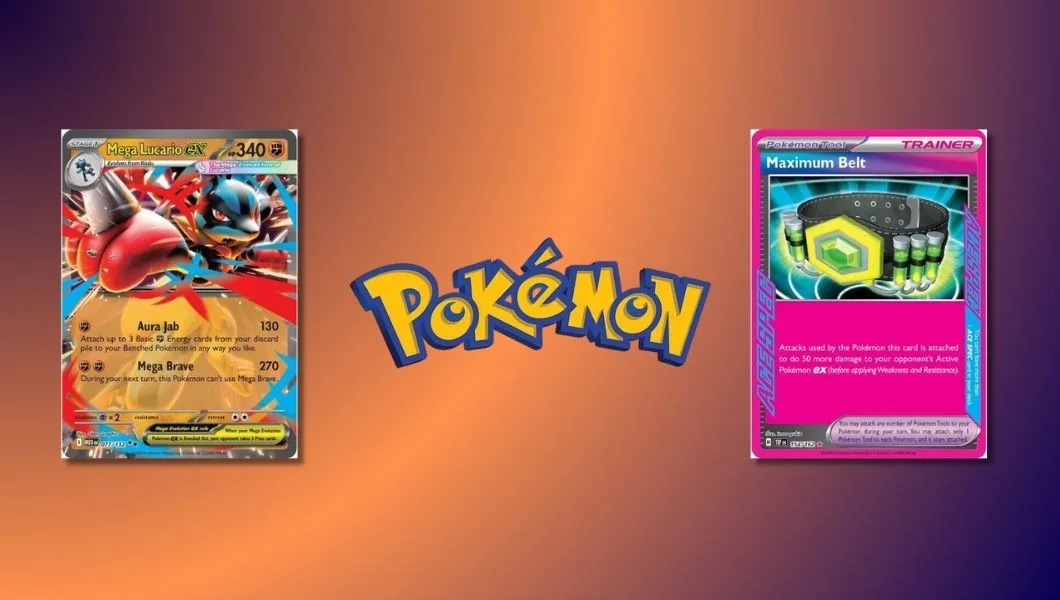
Verification standards are the cornerstone of this market. Platforms now integrate blockchain provenance with physical authentication services, ensuring that the digital token matches the exact condition and authenticity of the card held in custody. This dual-layer verification reduces the friction typically associated with high-value secondary market sales.
The following table compares the leading tokenized card platforms by their primary liquidity mechanisms and verification features.
| Platform | May 2026 Vol. | Verification | Liquidity Model |
|---|---|---|---|
| Collector Crypt | $85M | In-house + Third-party | Internal Order Book |
| Courtyard | $60M | Blockchain + Physical | Peer-to-Peer |
| Deadstock | $45M | Certified Appraisers | Marketplace Auction |
| Other Top 4 | $40M | Hybrid Models | Varied |
Expansion Beyond Solana
While Solana remains the primary settlement layer for many digital collectibles, the landscape is shifting. The 2026 on-chain TCG narrative is no longer confined to a single chain. New ecosystems, particularly Base, are emerging as serious contenders by leveraging lower transaction costs and integration with major social platforms. This diversification is critical for scaling user adoption beyond the initial crypto-native crowd.
Base has quickly become a home for blockchain games, with several top-tier play-to-earn titles launching in May 2026. The chain’s infrastructure allows for real-money trading mechanics that feel native to the web2 experience, lowering the barrier to entry for traditional TCG players. This environment is driving a surge in real-player engagement, moving the sector from speculative trading to actual gameplay.
The integration of TCGs into these broader ecosystems is aligning with the predicted breakout of the genre. Industry analysis suggests that 2026 will mark a turning point where TCG volume competes with prediction markets, which saw over $4 billion in volume in 2025. As these games mature, the focus is shifting from token speculation to sustainable play-to-earn models that retain users long-term.
On-Chain Provenance and Trust
Physical trading cards suffer from a fundamental opacity: verifying authenticity and establishing a clean ownership history often requires expensive third-party grading or trusted intermediaries. On-chain TCGs replace this friction with cryptographic certainty. When a card is minted as a unique token, its entire lifecycle—from initial creation to every subsequent trade—is permanently recorded on the blockchain.
This immutable ledger solves the "washed asset" problem common in high-value physical markets. Buyers no longer need to rely on visual inspection or paper certificates that can be forged. Instead, they verify the token’s contract address and transaction history. This transparency reduces counterparty risk and allows for instant, trustless verification of rarity and condition metadata.
The economic impact is significant. By removing the need for physical grading services and reducing fraud, on-chain provenance lowers the cost of entry for secondary market transactions. It transforms a card from a static object into a verifiable financial instrument, increasing liquidity and attracting institutional capital that requires strict audit trails.
Frequently asked questions about on-chain TCGs
Which TCG to get into 2026?
The market is shifting from speculative gacha mechanics to tokenized asset trading. Messari data shows on-chain spending hit $184 million in April 2026, driven by platforms like Collector Crypt and Deadstock. These platforms focus on verified, high-value assets rather than random drops, making them safer entry points for serious investors. For broader market context, global TCG revenue remains comparable to the sneaker market, providing a stable foundation for on-chain derivatives.
What is the next Pokemon TCG expansion expected to be released in 2026?
While specific physical expansion dates are managed by traditional publishers, the on-chain ecosystem mirrors these cycles. Tokenized Pokémon card volumes surged to $230 million in May 2026 across the top seven platforms. Investors should watch these on-chain platforms for real-time liquidity and price discovery, as the digital secondary market often moves faster than physical release schedules.
Will crypto TCGs break out in 2026?
Predictions suggest 2026 is a critical year for the sector, with some analysts citing $4 billion+ in prediction market volume as a leading indicator. The convergence of real-money trading and blockchain verification is creating a robust asset class. However, volatility remains high; always verify project legitimacy through official sources before committing capital.
What are the latest NFT games expected to be released in 2026?
The landscape is consolidating on high-throughput chains like Solana and Base. Recent reports highlight Base as a serious home for blockchain games, with top titles offering real-money player economies. Instead of chasing new releases, focus on platforms with established trading volumes and transparent tokenomics, as new projects often lack the liquidity needed for sustainable trading.
No comments yet. Be the first to share your thoughts!