
Why 2026 is the breakout year for on-chain TCGs
The on-chain trading card game (TCG) sector is shifting from experimental niche to institutional-grade market. This transition is driven by the convergence of three distinct forces: the maturation of DeFi liquidity, the explosion of prediction market volume, and the successful tokenization of licensed intellectual property.
Prediction markets have become the unexpected engine for TCG liquidity. With over $4 billion in volume recorded in 2025, these platforms have proven that users are willing to bet on real-world outcomes using on-chain capital. This behavior creates a natural bridge to TCGs, where players already engage in high-stakes speculation on card value and tournament outcomes. The infrastructure built for prediction markets—fast settlement, deep order books, and low gas fees—translates directly to the needs of digital card trading.
Simultaneously, major licensed IPs are finally going on-chain. The Pokémon Trading Card Game boom has demonstrated that traditional collectors are willing to digitize their portfolios when the underlying assets are recognizable and trusted. Platforms are now allowing users to buy and sell NFT versions of Pokémon cards and unopened packs, bridging the gap between physical collectors and digital natives. This licensed IP adoption removes the primary barrier to entry for mainstream gamers who previously found on-chain games too abstract or risky.
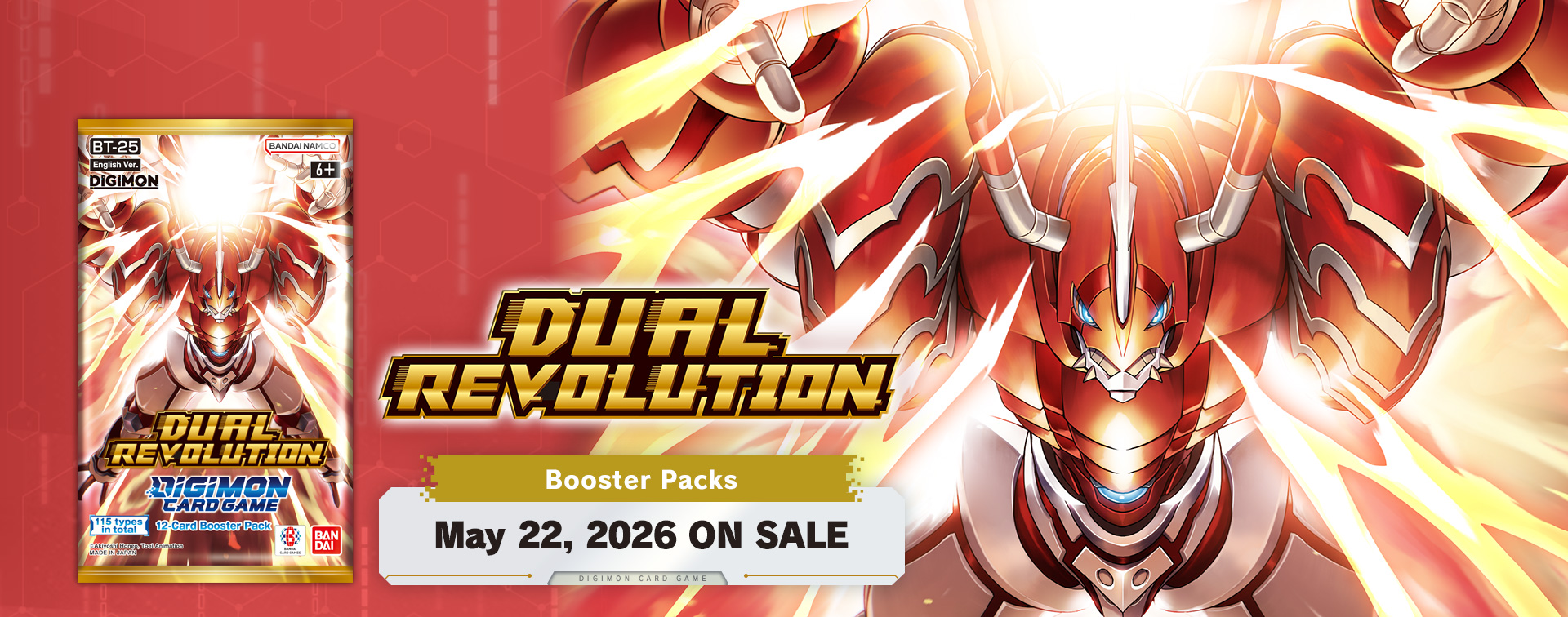
Prediction market volume provides the liquidity infrastructure, while licensed IP provides the user base. Together they create a self-sustaining ecosystem for on-chain TCGs.
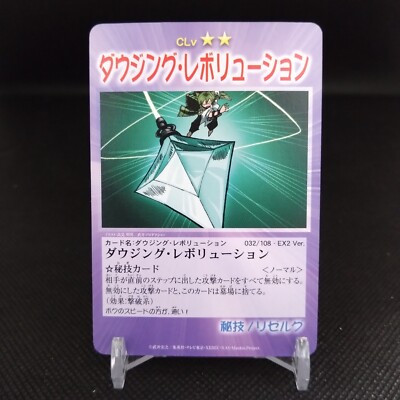
DeFi protocols are capitalizing on this boom by offering yield-bearing assets backed by valuable card NFTs, turning static collections into productive capital.
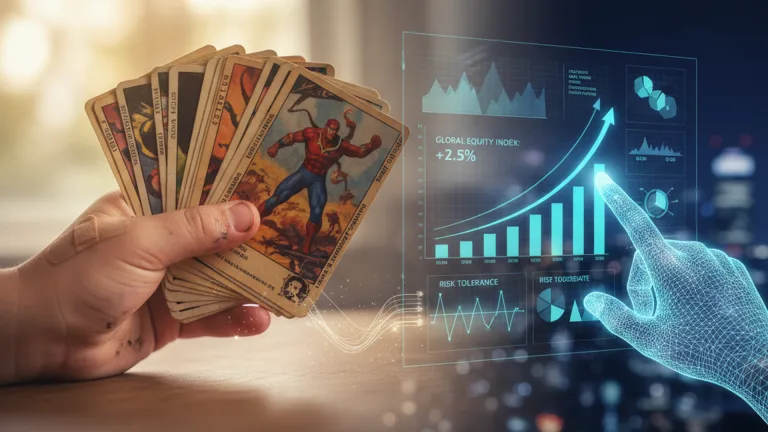
The combination of familiar IPs and proven on-chain trading mechanics is driving a surge in daily active users, marking 2026 as the definitive breakout year.
The result is a market that no longer relies on speculative hype alone. With real volume, real IP, and real DeFi infrastructure, on-chain TCGs have become a viable financial and entertainment asset class for 2026.
Top play-to-earn card games to watch
The on-chain trading card game (TCG) market in 2026 has matured from experimental prototypes into a structured ecosystem of established titles with real liquidity. For players treating their deck as an asset class, the priority shifts from speculative hype to games with verified tokenomics, active secondary markets, and sustainable play-to-earn mechanics.
We evaluate these titles based on three hard metrics: the stability of their reward structures, the depth of their competitive modes, and the legitimacy of their community governance. The following games represent the current tier-one options for players seeking concrete returns on their time and capital.
Gods Unchained
Gods Unchained remains the benchmark for blockchain-based TCGs, offering a familiar Hearthstone-style experience backed by immutable card ownership. Its economy is driven by the $GODS token, which players can earn through ranked play, daily quests, and tournament wins. The game supports over 1,800 cards across six domains, providing a deep strategic layer that appeals to both casual collectors and competitive players.
The introduction of Sealed Mode has added a new layer of strategic depth, requiring players to draft decks from random pools rather than building them from scratch. This mode has revitalized the meta and created new opportunities for earning rewards. The game’s official website provides transparent information on card drops and token distribution, ensuring players can make informed decisions about their investments.
Sorare
Sorare dominates the licensed sports card space, operating as the leading blockchain-based fantasy sports game. It holds official licenses for major leagues including the NFL, NBA, MLB, and Ligue 1, allowing players to collect, trade, and manage digital cards of real athletes. The platform’s revenue-sharing model ensures that top performers in weekly leagues receive a portion of the game’s subscription revenue, creating a direct link between skill and earnings.
The scarcity model is strictly enforced, with cards categorized as Limited, Rare, Super Rare, and Unique, mirroring the physical collectible market. This structure provides a clear hierarchy of value and liquidity. Sorare’s integration with traditional sports data ensures that card performance is tied to real-world statistics, adding a layer of authenticity to the play-to-earn experience.
Riftbound
Riftbound, developed by Riot Games, brings the League of Legends universe to the blockchain with a focus on high-fidelity visuals and deep strategic gameplay. As Riot’s first AAA blockchain title, it leverages the existing popularity of the League of Legends IP to attract a massive player base. The game features a robust deck-building system where players can collect and trade digital cards representing champions, items, and spells.
The play-to-earn mechanics are integrated seamlessly into the competitive ladder, with rewards distributed based on rank and tournament performance. Riftbound’s approach to tokenomics is designed to minimize inflation while maximizing player engagement, making it a strong contender for long-term investment. The game’s official channels provide detailed insights into its development roadmap and economic models.
Dowsing Revolution
Dowsing Revolution represents the intersection of traditional TCG mechanics and blockchain innovation, drawing inspiration from popular anime franchises like Shaman King. The game allows players to collect, trade, and battle with digital cards that have verifiable ownership and scarcity. Its play-to-earn model rewards players for strategic wins and participation in community events.
The game’s economy is supported by a secondary market where players can buy and sell cards, providing liquidity and value realization. Dowsing Revolution’s focus on community-driven content and events ensures a steady stream of engagement and rewards. The game’s official sources highlight its commitment to fair play and transparent economic practices.
Comparison of Key Metrics
To help you choose the right game for your portfolio, the table below compares the core mechanics and economic models of these top titles.
| Game | IP / License | Primary Earning Method | Token / Economy |
|---|---|---|---|
| Gods Unchained | Original | Ranked Play & Tournaments | $GODS |
| Sorare | NFL, NBA, MLB, Ligue 1 | Fantasy Leagues & Sub Revenue Share | ETH (ERC-20 Cards) |
| Riftbound | League of Legends | Ranked Ladder & Tournaments | Riot Points (Internal) |
| Dowsing Revolution | Shaman King | Battles & Community Events | DR Token |
How tokenized physical cards are changing the market
The hybrid model bridges the gap between tangible collectibles and digital liquidity by using non-fungible tokens (NFTs) to represent physical cards stored in secure, audited vaults. This infrastructure transforms static assets into tradeable financial instruments, allowing collectors to leverage their inventory without surrendering physical possession. As noted by CoinGecko, these tokenized Pokémon cards enable users to trade digital proofs of ownership backed by real cards held in custody, effectively turning a cardboard collectible into a liquid crypto asset [src-6].
DeFi protocols have capitalized on this boom, creating on-chain marketplaces where users can buy, sell, and lend NFT versions of Pokémon cards and unopened packs. The financial scale of this trend is significant; DeFi protocols riding the Pokémon trading card boom have generated over $11 million in revenue, demonstrating that the market is not just a niche hobby but a serious financial sector [src-2]. This liquidity allows players to manage risk and exposure to specific card rarities in real-time, a capability previously impossible in traditional TCG markets.
However, the model introduces specific logistical and redemption nuances. The value of the NFT is entirely dependent on the integrity of the physical vault and the redemption process. If the physical card is damaged, lost, or if the redemption mechanism fails, the digital token becomes worthless regardless of its on-chain price. This creates a trust layer that traditional collectors do not face, where the "physical" part of the asset is outsourced to a third-party custodian.
The intersection of nostalgia finance and blockchain technology has created a new asset class. While the physical card remains the underlying collateral, the NFT serves as the primary vehicle for trading and speculation. This shift requires investors to understand both the traditional grading and rarity metrics of the TCG and the technical mechanics of the blockchain network hosting the token.
Play the long game
On-chain trading card games operate with the volatility of a crypto market, not the stability of a traditional card shop. You are managing digital assets that can fluctuate in value based on liquidity, hype, and protocol changes. Treat your collection as a portfolio, not just a hobby. This means understanding the difference between cards with high utility in gameplay and those that are purely speculative assets.
Risk management starts with spending only what you can afford to lose. The on-chain TCG space is still emerging, and projects can fail or become obsolete. Unlike physical cards, digital assets are tied to smart contracts and blockchain networks. If a project’s tokenomics collapse or its developer team abandons the game, your cards may become worthless overnight. Never invest based on FOMO (Fear Of Missing Out) driven by social media hype.
Understanding token utility is critical. Some games use tokens for entry fees, trading, or in-game purchases, while others rely on NFTs as the primary asset. Research how these tokens are generated and burned. A sustainable economy requires a balance between issuance (minting new cards/tokens) and destruction (burning or locking assets). If the supply of a game’s currency inflates rapidly without corresponding demand, the value of your holdings will depreciate.
The "SolanaFloor" investigation into the onchain collectibles boom highlighted the dangers of unchecked speculation. Their report, "Is the Onchain TCG Boom Secretly A Bubble Waiting to Burst?", warned that many projects lacked genuine playability or economic sustainability. Before buying in, ask: Is there actual gameplay? Is there a clear path to earning? If the answer is no, you are gambling, not investing. Stick to games with proven track records and active communities.
Where to buy TCG on-chain 2026 products
The market for physical and digital trading card games has shifted from niche speculation to mainstream retail. Major publishers like Wizards of the Coast and The Pokémon Company now integrate blockchain verification directly into their flagship products, allowing collectors to verify authenticity and ownership on-chain. This convergence means the primary on-ramp for 2026 is no longer obscure crypto marketplaces, but established e-commerce platforms that support both traditional shipping and digital asset delivery.
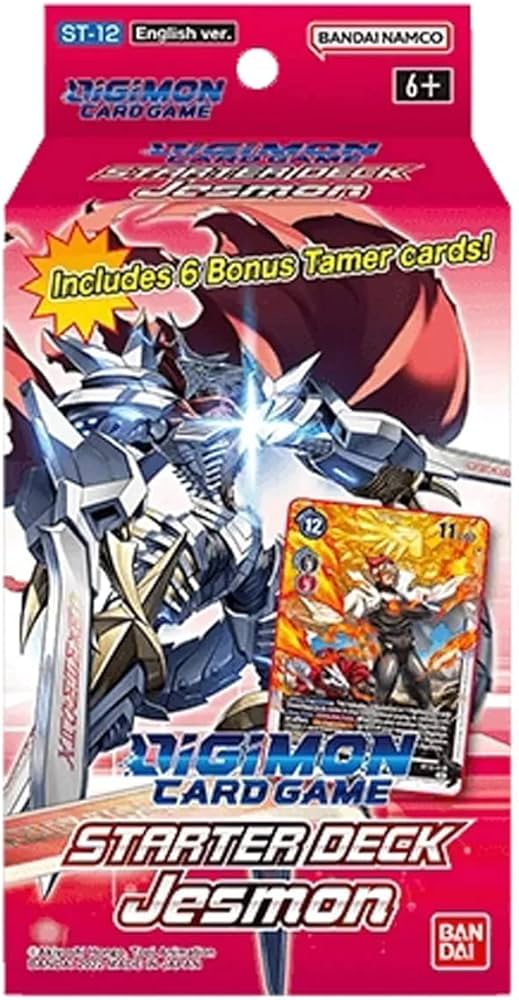
Amazon remains the most efficient channel for acquiring these hybrid products. The platform offers a curated selection of starter decks and booster boxes that include on-chain components, such as digital twins or blockchain-verified physical cards. For readers looking to enter the space, focusing on official product releases ensures you are getting legitimate assets rather than speculative derivatives. The following selection highlights available products that bridge the gap between traditional collecting and on-chain utility.
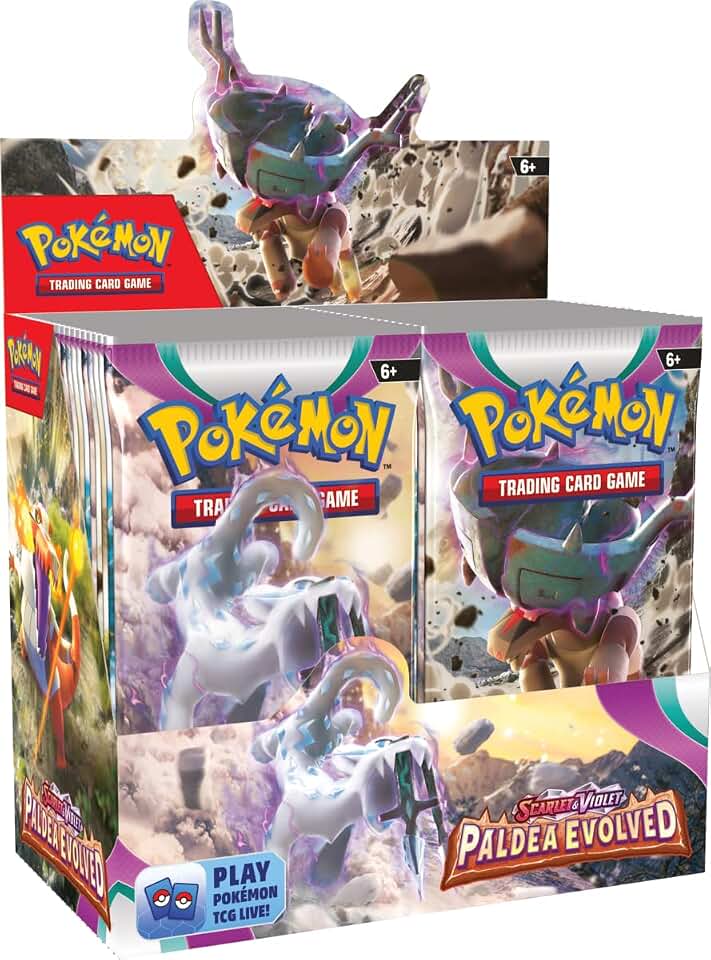


As an Amazon Associate, we may earn from qualifying purchases.
Frequently asked questions about on-chain TCGs
Which TCG to get into in 2026? The current market favors titles with established ecosystems and clear digital utility. Riftbound (League of Legends Trading Card Game), the Digimon Card Game, and the Pokémon Trading Card Game remain top contenders. Magic: The Gathering and Yu-Gi-Oh! continue to dominate the traditional space, while Sorare offers licensed sports cards across football, NBA, and MLB. For on-chain specifically, look for titles integrating DeFi mechanics or NFT marketplaces that allow direct ownership of digital assets.
What is TCG CON 2026? TCG CON 2026 is a three-day convention scheduled for June, designed for collectors of Pokémon, Magic: The Gathering, One Piece, Dragon Ball Z, Lorcana, and Yu-Gi-Oh!. The event features vendors, tournaments, voice actors, and giveaways. It serves as a central hub for both physical and digital collectors to engage with the broader trading card community.
Are on-chain card games profitable? Profitability varies significantly by title and market conditions. While some players earn real-world rewards through competitive play or asset trading, others treat it as entertainment. Platforms like Sorare and Ubisoft’s blockchain offerings provide structured reward systems, but returns are not guaranteed. Always research the tokenomics and liquidity of the specific game before investing time or capital.
No comments yet. Be the first to share your thoughts!