
On-chain tcg limits to account for
On-chain trading moves collectibles from private databases to public ledgers, but it introduces friction that off-chain platforms do not face. While the primary appeal is transparency and true ownership, the mechanics of blockchain settlement create distinct hurdles for everyday trading.
The most immediate constraint is transaction cost. Every trade, mint, or transfer requires gas fees paid in the native token of the blockchain. During periods of high network congestion, these fees can exceed the value of lower-tier cards, effectively locking liquidity into high-value assets only. This creates a two-tier market where casual trading becomes economically unviable.
Settlement speed is another critical factor. Unlike instant database updates, on-chain transactions require block confirmation times. For a collector wanting to buy a card and immediately list it, the delay between purchase and liquidity can span minutes or even hours depending on the network. This latency reduces the platform’s utility for rapid speculation or quick portfolio rebalancing.
Finally, the user experience remains a significant barrier. Managing digital wallets, private keys, and bridging assets between chains requires a level of technical literacy that many traditional TCG players lack. The risk of irreversible errors, such as sending assets to the wrong address, adds a layer of anxiety that off-chain platforms actively mitigate through customer support and recovery options. These constraints mean on-chain TCGs currently serve a niche audience of crypto-native collectors rather than the broader mainstream market.
On-chain tcg choices that change the plan
Use this section to make the The TCG Revolution decision easier to compare in real life, not just on paper. Start with the reader's actual constraint, then separate must-have requirements from details that are merely nice to have. A practical choice should survive normal use, maintenance, timing, and budget. If a recommendation only works in an ideal situation, call that out plainly and give the reader a fallback path.
| Factor | What to check | Why it matters |
|---|---|---|
| Fit | Match the option to the primary use case. | A good deal still fails if it does not fit the job. |
| Condition | Verify age, wear, and service history. | Hidden condition issues erase upfront savings. |
| Cost | Compare purchase price with likely upkeep. | The cheapest option is not always the lowest-cost option. |
How to choose an on-chain TCG platform
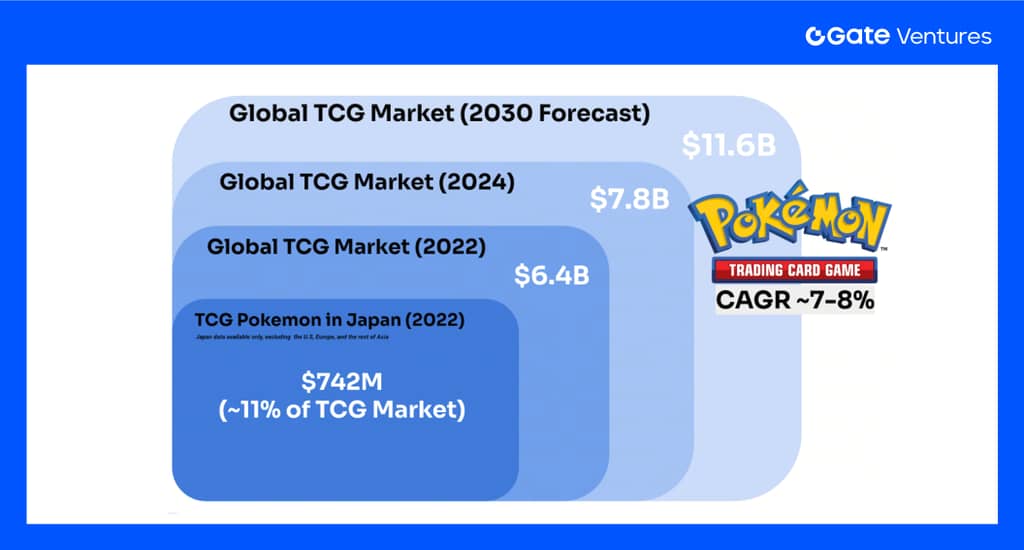
Moving your trading card game collection on-chain turns physical assets into digital collateral. This shift unlocks liquidity for sealed product and graded slabs, allowing collectors to borrow against their inventory rather than selling it. The landscape is shifting from simple collectibles to financial instruments, with the on-chain TCG investment landscape now valued at approximately $8 billion. To navigate this, you need a framework that balances liquidity, security, and market access.

Before committing capital, ensure the platform uses a reputable custodian for physical storage. Look for systems that allow you to redeem the digital token for the actual physical card, such as the model used by Pokémon NFTs on marketplaces like Magic Eden. This "digital twin" structure ensures you retain ownership of the underlying asset while enjoying the benefits of blockchain transparency.
The core value of on-chain TCGs is the ability to use slabs and sealed product as collateral. Evaluate platforms that allow you to borrow stablecoins against your collection. This feature transforms static assets into working capital, letting you leverage your hobby without liquidating your holdings. Check the loan-to-value (LTV) ratios and interest rates to ensure the financing terms are competitive.
Liquidity is only useful if you can exit your position. Look for platforms with high daily trading volumes and a wide range of supported games. Avoid niche platforms with thin order books, as you may face significant slippage when selling high-value cards. A robust marketplace should support both instant swaps and auction-style listings for rare items.
| Feature | On-Chain TCG | Traditional Market |
|---|---|---|
| Liquidity | High (borrow against assets) | Low (must sell to get cash) |
| Transparency | Immutable ledger | Opaque (private sales) |
| Access | Global 24/7 | Limited to auctions/forums |
Spotting Weak On-Chain TCG Options
The shift to on-chain trading introduces complexity that many platforms mask with vague marketing. As a collector, you need to look past the hype and examine the actual mechanics. Misleading claims often center on liquidity and ownership rights, two areas where traditional digital collectibles and true blockchain assets diverge significantly.
First, verify the settlement layer. On-chain settlement means transactions are recorded on a public ledger, ensuring transparency and immutability. However, some platforms claim "on-chain" status while only storing metadata off-chain, leaving your asset vulnerable to server failures or arbitrary takedowns. True ownership requires the token itself to live on the blockchain, not just a description of it.
Second, be wary of liquidity traps. Some projects promise instant trading but rely on illiquid pools. If you cannot sell your card for its stated value without a massive slippage fee, the option is weak. Look for platforms with deep order books or established marketplaces like Magic Eden, where Pokémon NFTs and other digital cards have real, tradable value backed by physical redemption options.
Finally, check the redemption mechanism. Digital representations of physical cards, such as Pokémon NFTs, should offer a clear path to redeem the actual card. If the platform holds the physical item in a vault, ensure the audit trail is public. Without this, you are not collecting; you are holding an IOU from a company that could dissolve at any time.
On-chain tcg: what to check next
The intersection of digital collectibles and blockchain technology raises practical questions about utility, market stability, and physical ownership. Understanding these mechanics helps separate speculative hype from functional trading infrastructure.
These questions highlight the core shifts in how digital collectibles are valued and traded. On-chain settlement removes the friction of traditional clearinghouses, while tokenized physical assets bridge the gap between digital speculation and tangible collecting.
No comments yet. Be the first to share your thoughts!