
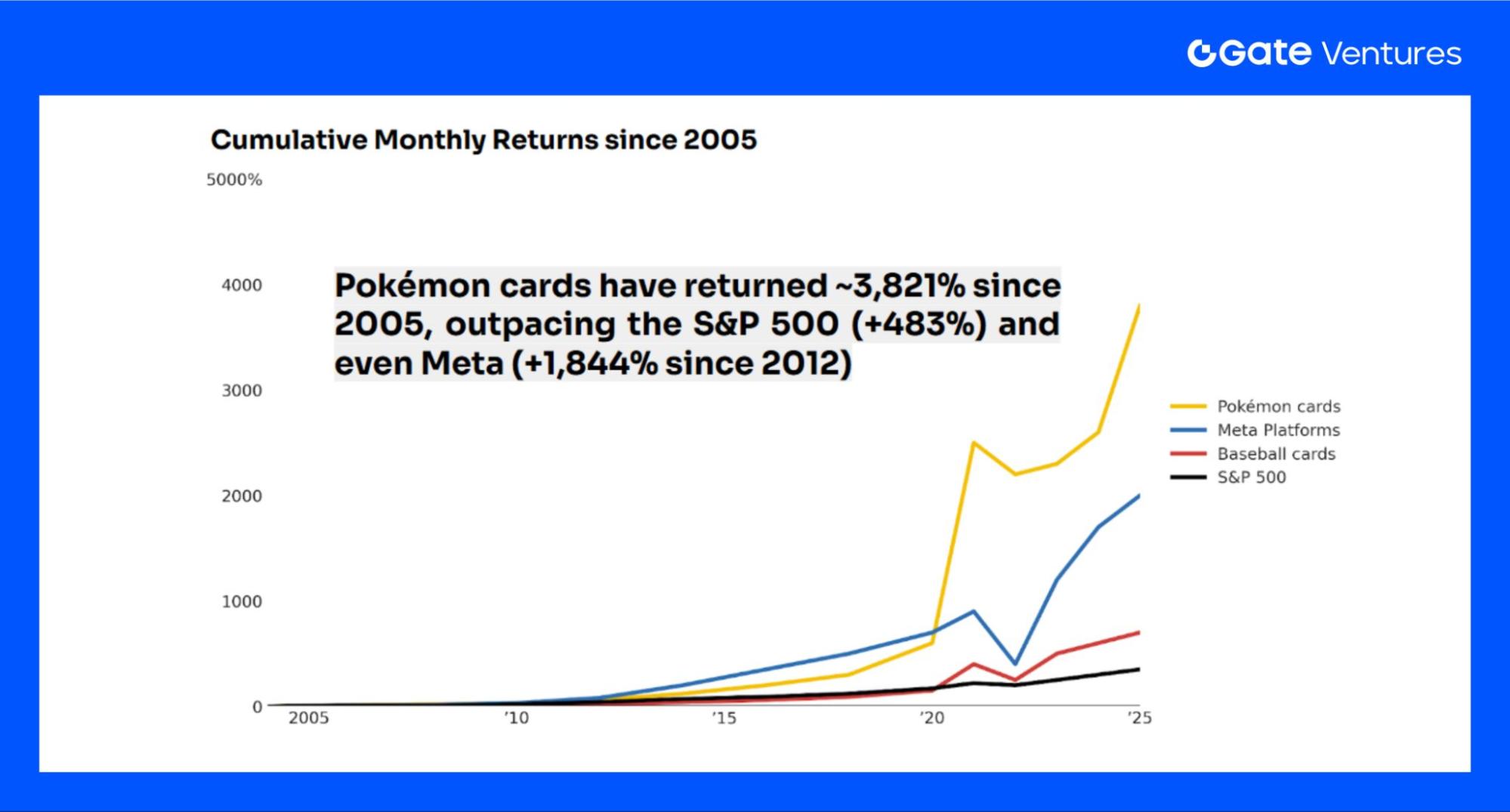
Market size and tokenized asset growth
The tokenized trading card game (TCG) sector has expanded significantly in 2026, transitioning from niche experimentation to a measurable segment of the broader digital asset economy. This growth is driven by the integration of blockchain technology into established gaming ecosystems, allowing physical and digital collectibles to function as liquid, tradable commodities. Unlike traditional collectibles, which rely on secondary marketplaces with high friction and opaque pricing, on-chain TCG assets offer immediate settlement and verifiable ownership history.
However, the apparent market size requires careful dissection. Aggregate trading volume for TCG-related tokens often includes speculative activity surrounding governance tokens and utility infrastructure rather than direct card trading. To understand the true scale of asset liquidity, it is necessary to distinguish between the market capitalization of underlying protocol tokens and the actual transaction volume of secondary card sales. Many projects report inflated volume metrics that conflate bot activity or wash trading with genuine collector demand.
The divergence between speculative token volume and actual card trading activity highlights a critical risk for investors. While the headline numbers for the TCG on-chain market may suggest explosive growth, the underlying liquidity for specific card assets can be thin. A token’s price appreciation does not automatically correlate with the ability to sell individual cards at fair market value. This disconnect creates a high-stakes environment where asset prices can detach from their collectible utility, leaving traders exposed to significant volatility.
To gauge real market health, analysts must look beyond total volume and examine the depth of order books for specific card tiers and the consistency of secondary sales. The following chart illustrates the volatility inherent in major TCG ecosystem tokens, reflecting the broader market sentiment that often overshadows the underlying card trading activity.
Platform liquidity and trading volume
Liquidity in on-chain TCGs is not uniform. While several projects claim active communities, actual market depth varies significantly between platforms. Identifying where real capital is flowing requires looking past user counts to examine 24-hour trading volume and asset velocity. This section compares the leading platforms to separate speculative noise from genuine market activity.
The market is currently dominated by established titles with deep order books, while newer entrants struggle with thin liquidity. For investors, this distinction is critical: low-volume platforms present high slippage risk and potential exit barriers. We focus here on the primary assets driving this sector, specifically the $GODS token associated with Gods Unchained, as a proxy for platform health.
The following comparison highlights the disparity in market engagement. Gods Unchained maintains the highest volume due to its mature ecosystem and established secondary market. In contrast, emerging titles like Shardbound and Anome show lower daily turnover, indicating that while interest exists, the liquid market for these assets remains nascent.
| Platform | Est. 24h Volume | Active Users | Primary Asset |
|---|---|---|---|
| Gods Unchained | High | High | $GODS |
| Shardbound | Low-Medium | Medium | $SB |
| Anome | Low | Low-Medium | $ANOME |
| Parallel | Medium | Medium | $PRIME |
Trading volume serves as the primary indicator of liquidity. High volume suggests that assets can be bought or sold without significantly impacting the price. Low volume, even with high user counts, often reflects inactive wallets or bots rather than genuine trading interest. Investors should prioritize platforms with consistent, high-volume trading to mitigate the risk of being unable to exit positions during market downturns.
The concentration of volume in a few top-tier platforms creates a "winner-take-most" dynamic. Newer TCGs must generate substantial organic trading activity to compete with the liquidity depth of established leaders. Until then, the majority of liquid capital remains trapped in the top two or three ecosystems, making them the safest havens for on-chain card trading.
Token utility and economic sustainability
The transition from physical trading card games to on-chain assets fundamentally alters the economic model. Tokenized trading cards are no longer just digital collectibles; they are cryptographic tokens issued on a blockchain that serve as the primary unit of value in the ecosystem [src-5]. This shift requires a rigorous examination of token utility to ensure the asset class remains sustainable beyond initial hype cycles.
The Inflation Risk
The most immediate threat to any play-to-earn TCG is hyperinflation. If the supply of cards or tokens outpaces genuine demand, the value of individual assets collapses. This is not merely a theoretical concern; it is a structural flaw in many early blockchain gaming models where rewards are printed faster than they are burned or utilized. Without a robust sink mechanism—such as transaction fees, card degradation, or exclusive access rights—the economy becomes a zero-sum game that inevitably bleeds liquidity.
Real-World Utility vs. Speculation
Sustainability depends on utility that extends beyond speculative trading. A card must offer tangible value within the game, such as competitive advantage in matches, access to exclusive events, or staking yields that reward long-term holding. When utility is stripped away, the asset reverts to pure speculation, making it vulnerable to market sentiment shifts rather than fundamental growth. The goal is to align the financial incentives of players with the health of the ecosystem, ensuring that value accrues to those who contribute to the network’s activity.
Market Integration
As TCGs integrate with broader DeFi protocols, their economic models become more complex. Liquidity pools, fractional ownership, and cross-game interoperability introduce new layers of risk and reward. Investors must analyze these mechanics closely, as they can either deepen liquidity or fragment it. The success of tokenized TCGs in 2026 will likely depend on their ability to maintain stable tokenomics while offering genuine entertainment value, rather than relying solely on the promise of financial gain.
Regulatory risks and asset ownership
The transition of trading card games to blockchain introduces a complex legal environment. Unlike physical cards, digital assets exist in a jurisdictional gray area where traditional property laws often lag behind technological innovation. Investors must distinguish between mere usage licenses and true asset ownership to mitigate legal exposure.
A primary concern is the classification of these digital collectibles as securities. If a TCG token is deemed an unregistered security, it falls under the strict oversight of bodies like the U.S. Securities and Exchange Commission (SEC). This designation can trigger significant compliance burdens, potentially freezing liquidity or forcing platforms to delist assets. The distinction often hinges on whether the investor expects profits primarily from the efforts of others, a test established in the Howey Case.
Enforceability of digital ownership is equally precarious. While blockchain records are immutable, they do not automatically confer legal title recognized by courts in all jurisdictions. Disputes over theft, fraud, or platform insolvency may leave owners without recourse if the legal framework does not explicitly recognize on-chain tokens as property. This uncertainty creates a high-stakes environment where technical ownership does not guarantee legal protection.
The lack of standardized regulatory frameworks means that asset ownership is often defined by the platform's terms of service rather than statutory law. These terms can be altered unilaterally, potentially revoking access to assets or changing their utility. Investors should view these digital cards more like digital subscriptions with tradable elements rather than traditional property assets until clearer legal precedents are established.
Frequently asked: what to check next
What is a TCG in Crypto?
Crypto TCG (Trading Card Game) refers to digital card games where assets are issued as cryptographic tokens on a blockchain. Unlike traditional digital collectibles, these tokens grant verifiable ownership, allowing players to trade, sell, or leverage cards directly on decentralized markets without intermediary restrictions.
How do On-Chain TCG mechanics work?
On-chain TCGs operate on a decentralized peer-to-peer network, recording every card issuance, trade, and battle outcome on the ledger. This ensures transparency and immutability. Games like Anome utilize fully on-chain logic, meaning game state and asset ownership are governed by smart contracts rather than centralized servers.
What is the difference between Tokenized Cards and NFTs?
Tokenized trading cards are essentially NFTs (Non-Fungible Tokens) with specific utility within a game ecosystem. While all tokenized cards are NFTs, not all NFTs are functional TCG assets. Tokenized cards are designed for liquidity and gameplay integration, often tied to specific economic models or play-to-earn structures.
Are On-Chain TCGs considered gambling?
On-chain TCGs are distinct from blockchain gambling. Gambling relies on chance-based wagering on external outcomes. TCGs are skill-based games where asset value is derived from utility, scarcity, and gameplay performance. Regulatory frameworks typically classify TCGs as digital collectibles or gaming software, not gambling platforms.
How do I trade TCG assets securely?
Secure trading requires using decentralized exchanges (DEXs) or specialized NFT marketplaces that support the specific blockchain network of the TCG. Always verify the smart contract address of the card collection to avoid phishing scams. Never connect your wallet to unverified third-party sites claiming to offer "free" card packs.
No comments yet. Be the first to share your thoughts!