
The tcg onchain limits to account for
The promise of onchain trading card games is total ownership, but the current implementation is fractured by a lack of standardization. Unlike traditional digital collectibles, where the platform controls the database, onchain TCGs rely on smart contracts to verify authenticity and enable peer-to-peer transfers. This shift creates a unique constraint: liquidity is only as strong as the interoperability between wallets, marketplaces, and game clients.
Currently, most onchain TCGs operate in silos. While projects like Crypto TCG allow users to open packs and trade using WLD tokens, these assets often cannot be seamlessly moved between different ecosystems or integrated into broader DeFi protocols without significant friction. This fragmentation limits the speculative upside that drives early adoption, as players cannot easily hedge their holdings across multiple platforms.
The constraint is further complicated by the gap between physical and digital collectibles. While onchain marketplaces for Pokémon and sports cards have seen a boom in speculation, official digital versions like Pokémon TCG Live do not yet support player-to-player trading. This disconnect means that true onchain value remains largely speculative, tied to the token economy rather than the utility of the cards themselves. Until major publishers bridge this gap, the "revolution" remains confined to niche crypto-native communities rather than the broader gaming market.
Tcg onchain choices that change the plan
Moving physical cards onto the blockchain introduces distinct advantages over traditional collecting, but it also replaces one set of risks with another. Before committing capital, you need to weigh liquidity, ownership structure, and the specific mechanics of the platform you choose.
Unlike centralized marketplaces like Pokémon TCG Live, which currently restrict peer-to-peer trading, onchain platforms offer true ownership. You hold the token in your wallet, not a company's database. This unlocks liquidity; you can sell or borrow against assets 24/7 without waiting for a centralized support ticket or monthly trading windows. However, this freedom comes with the burden of security. If you lose your private keys or fall for a phishing scam, your collection is gone. There is no customer service to reset your password.
Another critical factor is the link between the digital token and the physical card. Most current onchain TCG projects operate as "RWA" (Real World Asset) wrappers. A third-party custodian holds the physical slabbed card in a vault, and the token represents a claim on that item. This introduces counterparty risk. If the custodian fails, or if there is a dispute over the card's authenticity, the token's value can decouple from the underlying asset. Some platforms mitigate this by issuing fractionalized shares, which increases liquidity but dilutes your claim to a single, unique item.
Comparison of Onchain vs. Traditional Collecting
| Feature | Traditional Physical | Onchain (RWA) | Pure Digital TCG |
|---|---|---|---|
| Ownership | Physical possession | Tokenized claim on physical | Digital asset in wallet |
| Liquidity | Low (slow sales) | High (instant trading) | High (instant trading) |
| Security | Risk of theft/damage | Risk of smart contract hacks | Risk of wallet compromise |
| Utility | None (collectible only) | Borrowing against collateral | Play-to-earn, staking |
| Fees | Shipping, insurance | Gas fees, platform fees | Gas fees, minting costs |
The table above highlights why liquidity is the primary driver for onchain adoption. Physical cards are illiquid assets; selling a high-value slab can take weeks. Onchain, you can swap a tokenized card for stablecoins in seconds. This makes onchain TCG more akin to trading equities than visiting a hobby shop. However, this speed amplifies market volatility. Prices can swing wildly based on broader crypto market sentiment, not just the card's rarity.
Market Context
The onchain TCG sector is growing rapidly, with platforms like TCG Crypto and others facilitating billions in volume. Understanding the broader market helps contextualize these tradeoffs. Below is the current performance of the leading onchain TCG index, which tracks the value of tokenized physical cards and digital collectibles.
Key Takeaways for Collectors
- Verify Custody: Always check who holds the physical card. Is it a reputable, insured vault? Never buy onchain cards from anonymous or unaudited projects.
- Understand Gas Costs: On Ethereum, trading fees can be high. Consider layer-2 solutions or alternative chains like Solana for lower transaction costs.
- Beware of Volatility: Onchain prices are often pegged to crypto markets, not just card rarity. A rare card may lose value if Bitcoin drops.
- Security is Your Responsibility: Use a hardware wallet. Never share your seed phrase. Onchain collecting means you are your own bank.
How to pick a TCG onchain project
The onchain collectible market has shifted from speculative noise to a structured ecosystem. With Pokémon, One Piece, and sports cards moving onto blockchain marketplaces, the opportunity is real but fragmented. You need a framework to separate durable assets from fleeting hype.
Use these four checks to evaluate any TCG onchain project before committing capital or time.
Liquidity is the lifeblood of any digital collectible. Look for projects where buy and sell orders exist within a tight spread, not just sporadic high-value trades. A project with deep order books allows you to enter and exit positions without slippage destroying your margin. If the volume is thin, you are holding an illiquid asset that may never find a buyer at a fair price.
Pure speculation is a dead end. The most resilient TCG projects integrate their cards into playable games or active communities. Check if the cards offer in-game benefits, such as leveling up characters or unlocking new strategies. Projects that tie digital ownership to actual gameplay create a natural floor for value, as players buy in for utility, not just to flip assets.
Transparency matters. Review the team’s background and the project’s token distribution. Avoid projects where the founding team holds a disproportionate share of the supply or where vesting schedules are unclear. A fair launch with locked liquidity and a transparent roadmap reduces the risk of a "rug pull" or sudden inflation that devalues your holdings.
Look beyond follower counts. Engaged communities discuss strategy, share decks, and provide feedback to developers. Check Discord or Telegram for active, constructive conversations rather than price-pumping bots. A strong community sustains the project during market downturns and drives organic demand for the cards and tokens.
The onchain TCG landscape is evolving rapidly. By focusing on liquidity, utility, transparency, and community, you can plan around the volatility and identify projects with long-term potential.
Spotting Weak Options in Onchain Collectibles
The surge in onchain trading card games (TCG) has attracted capital, but it has also invited misleading claims. Projects often conflate speculative liquidity with actual utility, making it hard to distinguish genuine ecosystems from hollow tokens. In 2026, the primary risk is not just market volatility, but the structural weakness of projects that lack real play or verifiable ownership.
Common Pitfalls to Avoid
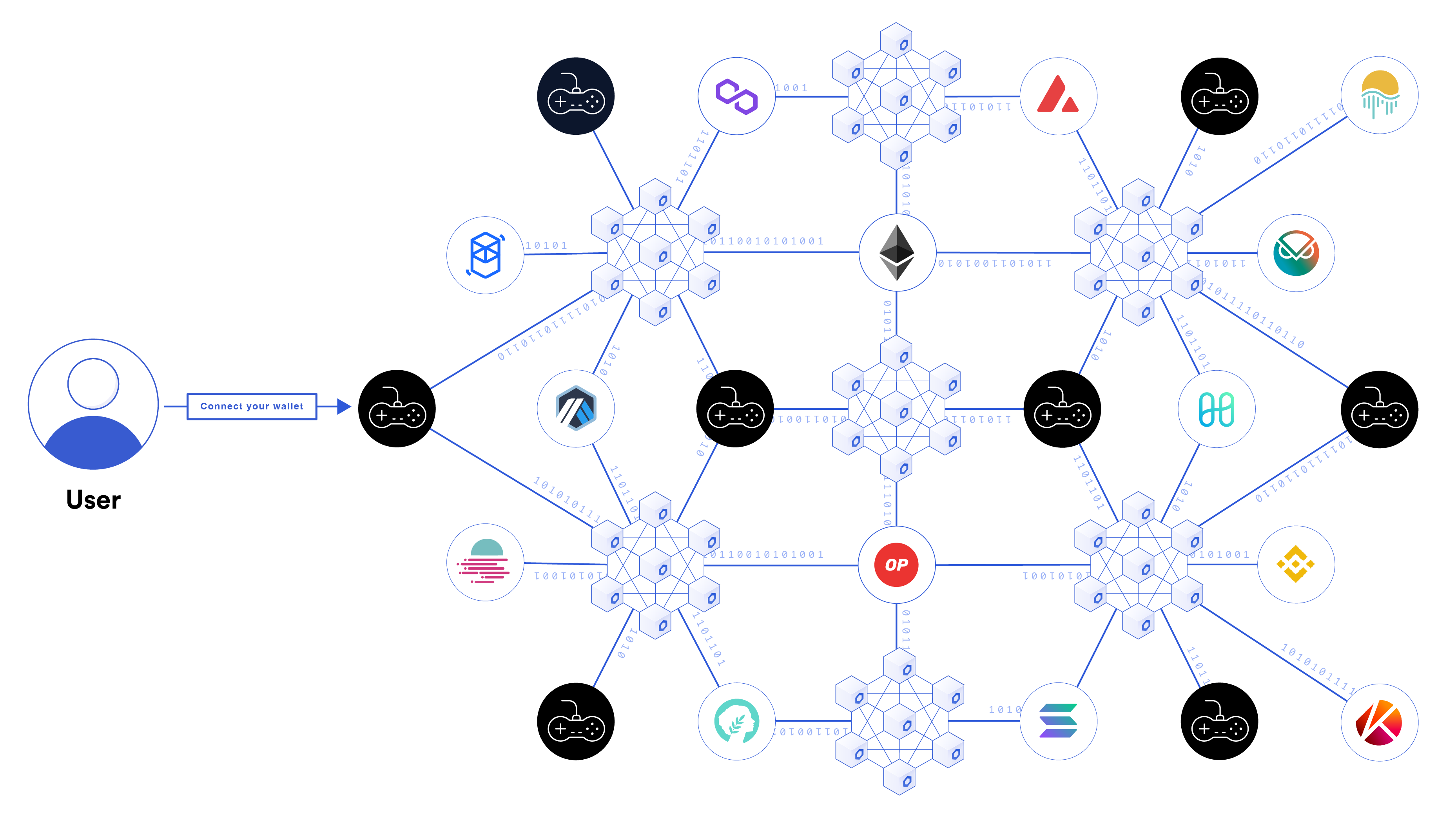
Many platforms promise "true ownership" but restrict trading to their own closed marketplaces. This creates a liquidity trap where you can buy cards but cannot sell them without accepting steep discounts. Always verify if a project supports cross-chain interoperability or relies on a single, fragile blockchain infrastructure.
Another frequent mistake is ignoring the tokenomics behind the card packs. If the primary reward mechanism is simply selling more packs to new users, the model is unsustainable. Look for games where cards have utility beyond speculation, such as staking rewards or in-game power that decays over time, forcing active engagement rather than passive holding.
The Pokémon TCG Online Reality
A frequent point of confusion involves physical versus digital trading. While onchain platforms allow for open market trading, traditional digital interfaces like Pokémon TCG Live currently restrict player-to-player trading. This limitation highlights the gap between centralized digital experiences and the decentralized potential of blockchain collectibles. Always check the specific trading rules of the platform you are using to avoid assuming freedom of exchange where none exists.
Tcg onchain: what to check next
The intersection of physical collectibles and blockchain technology raises practical questions about value, accessibility, and mechanics. Here are the answers to the most common queries before you explore the 2026 landscape.
No comments yet. Be the first to share your thoughts!