
The physical market meets blockchain
The collectible card game (TCG) industry has long operated as a high-value, illiquid physical market. With the physical market valued at approximately $15 billion, the sector represents a significant reservoir of tangible value that has historically been difficult to fragment or trade efficiently across borders. This scale provides the foundational liquidity required for large-scale asset tokenization.
In 2026, this dynamic is shifting as on-chain TCG assets emerge as a primary vector for real-world asset (RWA) tokenization. The trend is no longer speculative; it is a structural evolution where physical assets like Pokémon, Magic: The Gathering, and Yu-Gi-Oh cards are being bridged to the blockchain. This move addresses the traditional pain points of the physical market: verification, storage, and transfer friction.
The convergence of these physical collectibles with digital infrastructure is supported by robust network activity. Ethereum, for instance, continues to process trillions in stablecoin transactions and maintains the largest developer ecosystem in crypto, providing the necessary settlement layer for these assets. As noted in recent market analysis, tens of billions of dollars in real assets are now living on the blockchain, with TCGs positioned as a breakout category for 2026.
This tokenization shift does more than digitize ownership; it unlocks fractional ownership and 24/7 liquidity for assets that were previously locked in physical vaults or private collections. The result is a hybrid market where the scarcity of physical cards meets the efficiency of on-chain settlement, creating a new asset class for institutional and retail participants alike.
Institutional interest drives adoption
The narrative surrounding on-chain TCG assets 2026 is shifting from speculative novelty to institutional utility. Major financial firms and banks are actively exploring tokenized assets, treating them as a legitimate subset of real-world assets (RWAs). This transition signals a move away from pure crypto speculation toward regulated, asset-backed markets.
At the Hong Kong Web3 Festival 2026, industry leaders highlighted that banks and asset managers are testing tokenization infrastructure. This institutional validation provides a structural foundation for on-chain TCG assets 2026, offering the regulatory clarity and liquidity mechanisms previously absent in the digital collectibles space.
While exact market capitalization figures vary across reports, the trend is undeniable. Tens of billions of dollars in real assets are now living on the blockchain, creating a broader ecosystem where niche assets like trading cards can inherit institutional-grade custody and settlement standards.
This convergence allows on-chain TCG assets 2026 to benefit from the same infrastructure supporting treasury bills and real estate. As traditional finance integrates these tools, the liquidity and transparency of digital collectibles are expected to align more closely with conventional financial instruments.
Liquidity and Trading Mechanics
On-chain TCG assets 2026 represent a structural shift in how digital collectibles are traded, moving away from the friction of traditional secondary markets. The physical trading card industry, valued at approximately $15 billion, relies on slow, high-fee transactions mediated by third-party grading services and auction houses. In contrast, on-chain trading offers immediate settlement and global accessibility, fundamentally altering the liquidity profile of these assets.
The following comparison highlights the operational differences between legacy physical trading and modern on-chain mechanics:
| Feature | Physical TCG | On-Chain TCG |
|---|---|---|
| Settlement Time | Days to Weeks | Seconds |
| Trading Hours | Limited (Auctions/Stores) | 24/7 |
| Fractional Ownership | Impossible | Enabled |
| Transaction Fees | 10-20% (Grading/Sales) | <1% (Gas/Protocol) |
| Market Access | Regional/US-Centric | Global |
Liquidity is the primary advantage of tokenization. Physical cards are illiquid assets; selling a high-value item often requires weeks of waiting for a bidder or paying significant fees to grading companies like Beckett or PSA. On-chain assets trade on decentralized exchanges or specialized marketplaces, allowing holders to exit positions instantly at market price. This 24/7 availability mirrors the liquidity of traditional financial markets, making on-chain TCG assets 2026 more accessible to institutional and retail participants alike.
Also, fractional ownership unlocks capital efficiency. A single graded card worth $50,000 can be tokenized into 1,000 ERC-20 tokens, allowing investors to own a fraction of the asset. This mechanism lowers the barrier to entry and diversifies risk, a feature impossible in the physical market where ownership is binary and indivisible. The integration of smart contracts ensures that royalties and ownership transfers are automated, reducing counterparty risk and administrative overhead.
On-Chain TCG Assets 2026: Market Performance and Key Assets
The market for on-chain TCG assets 2026 is moving from experimental novelty to institutional-grade infrastructure. We are seeing a clear divergence between speculative tokens and those backed by tangible utility or real-world asset (RWA) integration. The primary driver is not just hype, but the maturation of blockchain networks capable of handling the transaction volume required for digital collectibles.
Ethereum remains the dominant settlement layer for high-value on-chain TCG assets 2026 due to its security and liquidity. In October 2025, the network processed over $50 billion in DeFi lending and handled $2.82 trillion in stablecoin transactions, demonstrating the robust financial plumbing underlying these digital assets. This infrastructure allows for the tokenization of both digital cards and physical equivalents, bridging the gap between traditional TCG investing and blockchain technology.
While Ethereum handles the heavy lifting, the broader digital asset landscape is expanding into specialized verticals. The 2026 outlook highlights a shift toward hybrid models where physical cards are linked to on-chain tokens, creating a dual-layer value proposition. This approach mitigates the volatility often associated with pure crypto assets by anchoring value in the collectible market.
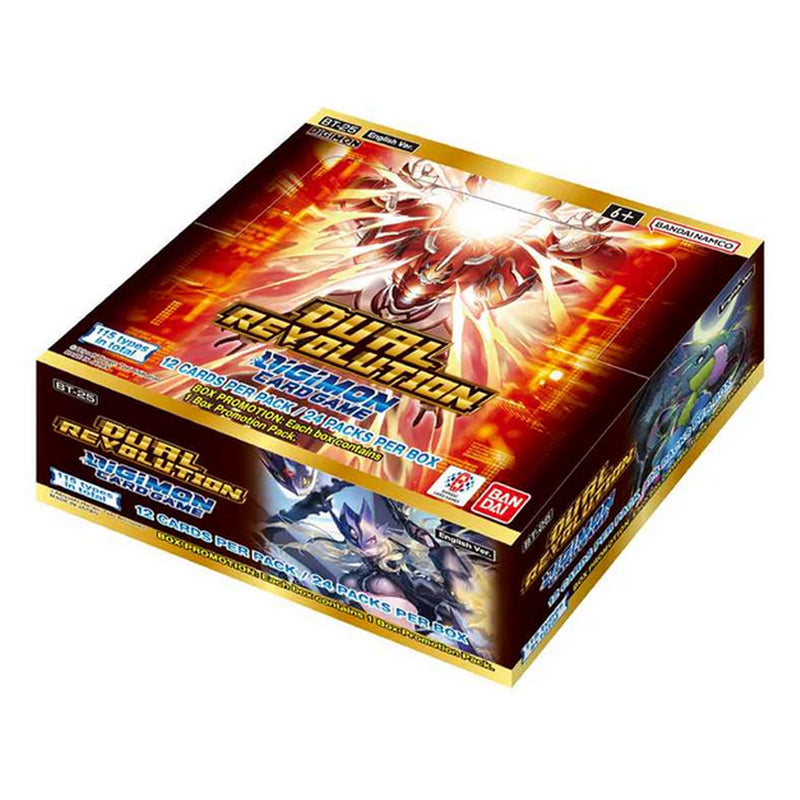
Investors are increasingly looking at assets that offer both speculative upside and tangible utility. The market is rewarding projects that integrate seamlessly with existing TCG ecosystems, rather than those attempting to replace them entirely. This trend suggests a future where on-chain TCG assets 2026 are not just digital collectibles, but active components of a larger financial and gaming ecosystem.
Regulatory clarity and future outlook
The regulatory landscape for on-chain TCG assets in 2026 is shifting from experimental ambiguity to structured compliance. As the market matures, the distinction between speculative collectibles and compliant digital securities is becoming clearer, driven by institutional demand for predictable frameworks. This transition is critical for mass adoption, as large-scale investors require legal certainty before allocating significant capital to tokenized physical assets.
Current trends indicate that regulatory bodies are moving toward specific guidelines for real-world asset (RWA) tokenization. According to recent industry outlooks, the tokenization of tens of billions of dollars in real assets is no longer a theoretical projection but an active market reality. This growth is underpinned by blockchain technology that offers transparency and immutability, features that align well with increasing regulatory scrutiny on asset provenance and ownership rights.
For on-chain TCG assets, this regulatory clarity means a path toward broader institutional acceptance. As frameworks solidify, the risk of regulatory arbitrage diminishes, allowing compliant platforms to scale. The focus is shifting from "if" these assets will be regulated to "how" they will be integrated into traditional finance, ensuring that on-chain TCG assets 2026 operate within a robust and legally sound environment.
No comments yet. Be the first to share your thoughts!