
On-chain TCG limits to account for
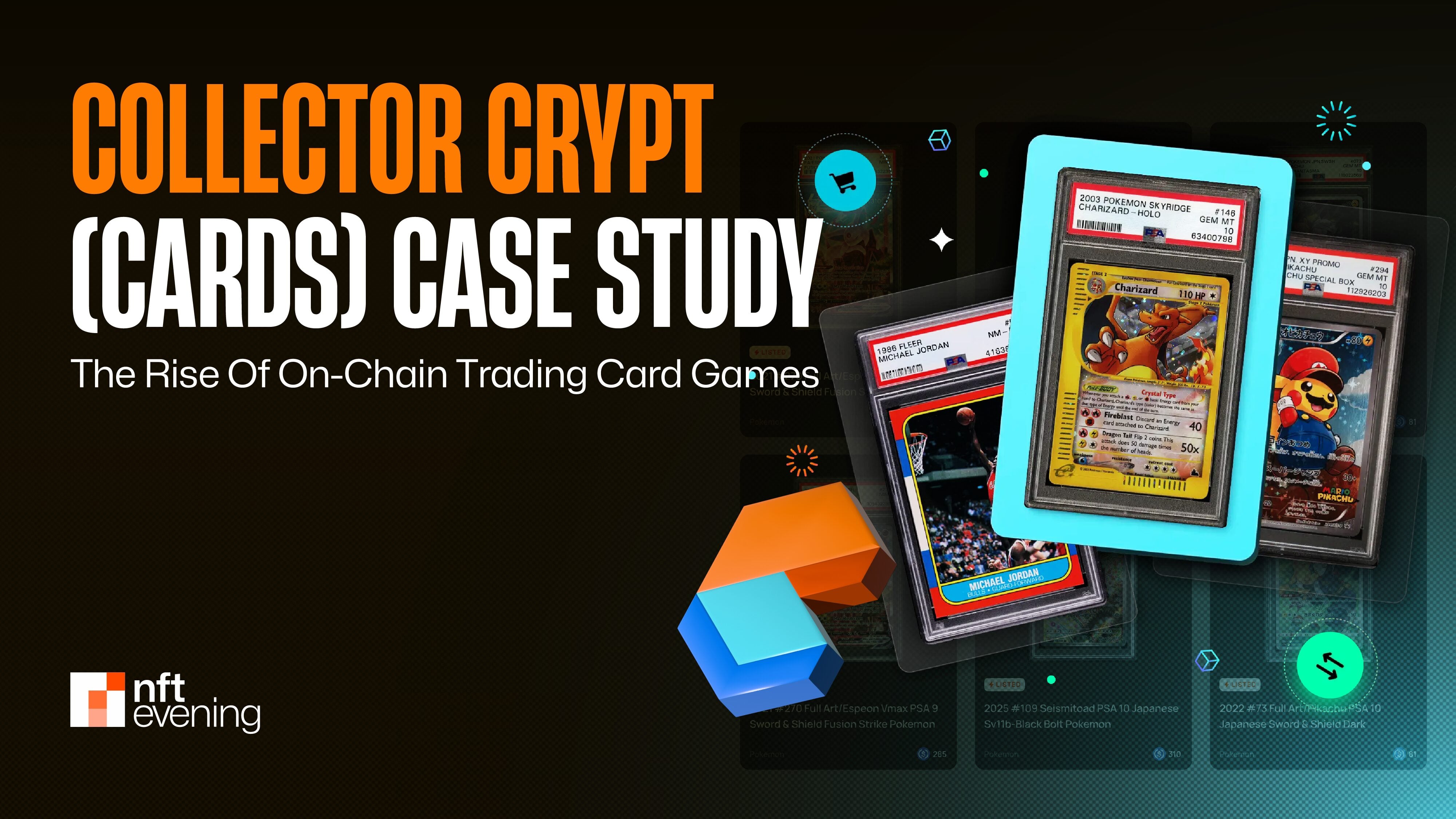
On-chain trading card games (TCGs) face a fundamental tension between digital scarcity and physical utility. While blockchain provides immutable proof of ownership, it often struggles to replicate the tactile experience of physical cards. This constraint limits the market to collectors who prioritize verifiable provenance over gameplay immersion.
The core limitation lies in the separation of asset and access. A digital card on-chain is a token, not necessarily a playable interface. Most projects require external wallets or specialized apps to view or use the card, creating friction that physical cards do not have. This disconnect reduces the addressable market to high-value collectors rather than casual players.
However, the value proposition shifts when provenance becomes the primary asset. On-chain TCGs allow for fractional ownership and collateralization. Collectors can use their digital cards as collateral for stablecoin loans, a feature impossible with physical slabs. This financial utility transforms the card from a hobby item into a liquid financial instrument, appealing to investors rather than just gamers.
On-chain TCG choices that change the plan
Moving a trading card game onto a blockchain introduces a new set of variables. You are no longer just buying a card; you are buying a digital asset with specific technical and financial properties. To evaluate these tradeoffs, you need to look at liquidity, cost, and utility.
Liquidity and Market Depth
On-chain marketplaces offer 24/7 global access, but this comes with a tradeoff in liquidity. Unlike centralized platforms with deep order books, many on-chain TCGs operate in thinner markets. This can lead to wider bid-ask spreads, meaning you might pay more to buy or receive less when selling. High-value cards often find better prices on specialized platforms, while common cards may struggle to find buyers quickly without significant price discounts.
Transaction Costs and Gas Fees
Every on-chain transaction requires a fee, known as gas. These costs fluctuate based on network congestion. For low-value cards, gas fees can exceed the asset's worth, making micro-transactions impractical. This tradeoff favors high-value assets or batched transactions. Always check the current gas prices on the specific blockchain before trading to avoid eroding your profit margins with network fees.
Utility and Collateralization
A major advantage of on-chain TCGs is the potential for utility. Some protocols allow you to use your card NFTs as collateral for stablecoin loans, turning static collections into liquid capital. However, this introduces smart contract risk. If the protocol fails or the collateral value drops too low, you could lose your cards. This financial layer adds complexity that physical cards do not have.
Verification and Authenticity
On-chain provenance provides an immutable record of ownership, reducing the risk of counterfeits. This is a significant upgrade over physical grading services, which can be slow and expensive. However, you must ensure the smart contract accurately represents the physical asset if it is a tokenized version. The link between the digital token and the physical card must be secure, or the provenance becomes meaningless.
| Feature | On-Chain TCG | Traditional Platform | Primary Risk |
|---|---|---|---|
| Liquidity | Variable, often lower for common cards | High, deep order books | Slippage on on-chain |
| Transaction Cost | Gas fees (variable) | Fixed commission fees | Gas spikes on-chain |
| Authenticity | Immutable blockchain record | Third-party grading | Forgery in traditional |
| Utility | Collateralization possible | Limited to trading | Smart contract failure |
The cost of trading on-chain is heavily influenced by the underlying asset's volatility and network demand. Monitoring the price of the native token, such as Ethereum, helps you time your transactions to minimize gas expenses.
Evaluate your on-chain TCG strategy
The shift from physical slabs to on-chain trading cards introduces new variables for value assessment. You are no longer just grading paper; you are auditing code and liquidity. This section breaks down the practical steps to determine if a digital collectible fits your portfolio, focusing on provenance, market depth, and utility.

Before buying, check the blockchain explorer. Look for the original deployer address and verify the contract is verified on Etherscan or Solscan. Unverified contracts hide potential backdoors. For on-chain TCGs, the smart contract dictates rarity and ownership. If the code is opaque, the "provenance" is theoretical, not real.
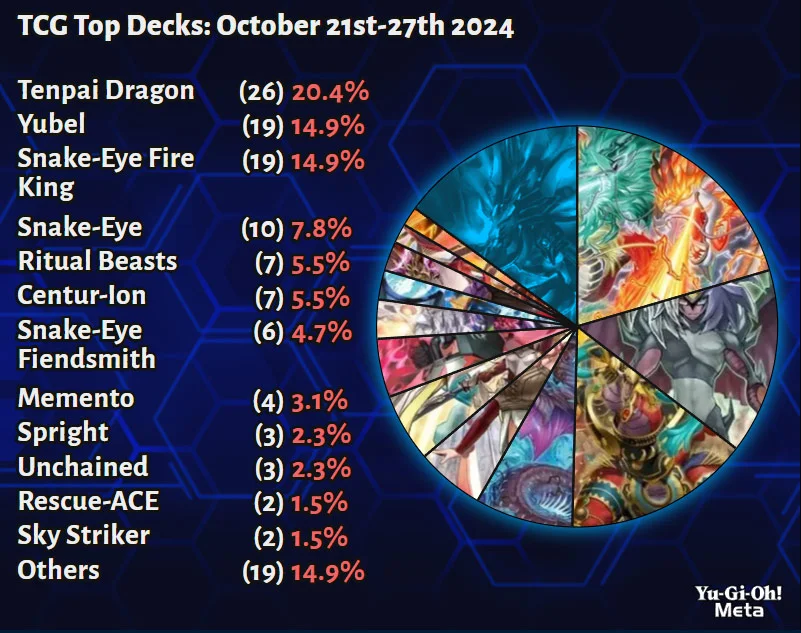
High value means nothing if you cannot sell. Check the volume on decentralized exchanges or dedicated NFT marketplaces. Thin liquidity leads to high slippage. Unlike physical cards where you can mail a slab, digital assets require immediate buyer interest. Look for consistent trading activity, not just one-off high-price sales.
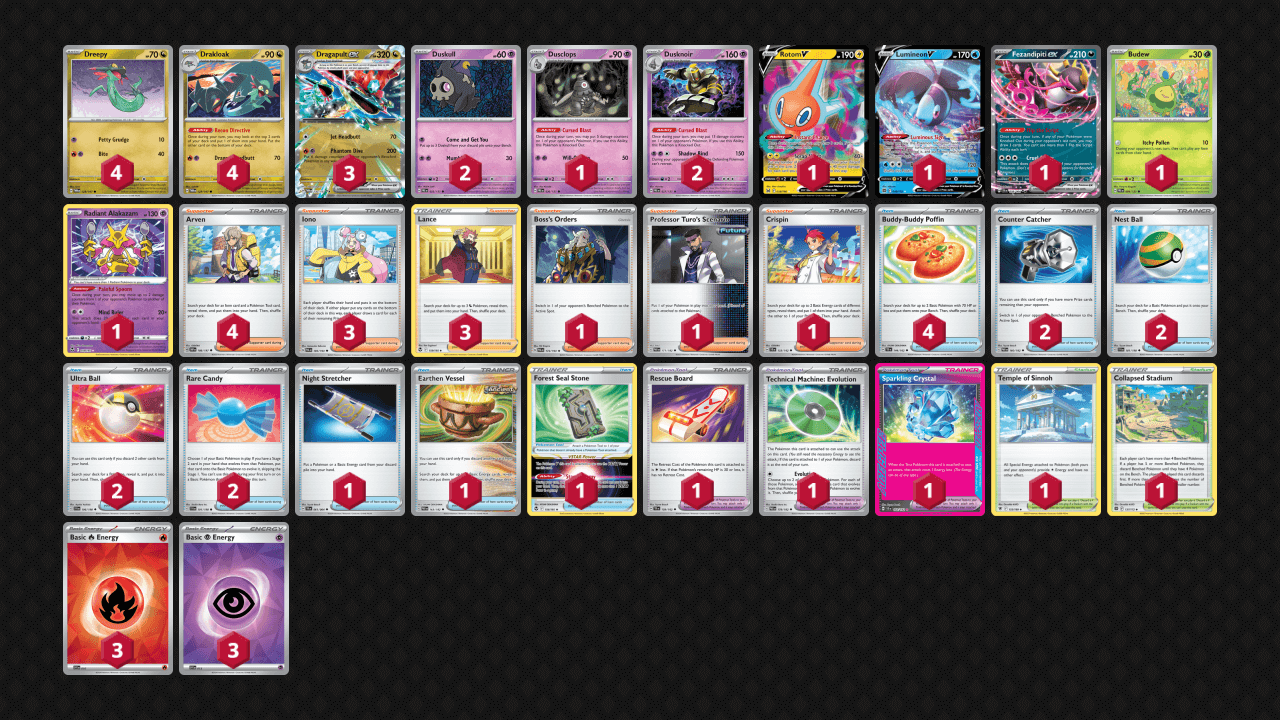
Is the card playable? Does it grant access to a tournament, a staking reward, or a specific in-game asset? Cards with functional utility retain value better than pure speculation assets. If the game shuts down, the card becomes a JPEG. Verify the development team's roadmap and active user base.
On-chain transactions incur network fees (gas) and marketplace commissions. These costs eat into margins. A card priced at $100 might cost $150 to acquire and $120 to sell after fees. Factor in the volatility of the native token used for payments. If you pay in ETH or SOL, the fiat value of your entry price fluctuates with the crypto market, not just the card's popularity.
Some platforms allow you to use your TCG cards as collateral for stablecoin loans. This turns static assets into liquid capital. If a platform supports this, it adds a floor to the card's value. However, ensure you understand the liquidation risks. If the collateral value drops, you could lose the card.
Spotting Misleading Claims and Weak Options
On-chain trading card games (TCGs) are often marketed as the next evolution of digital collectibles, promising true ownership and liquidity. However, the reality is more nuanced. Many projects rely on vague promises rather than robust infrastructure, leaving collectors exposed to volatility and platform risk. Before committing funds or time, it is essential to distinguish between genuine innovation and speculative hype.
Common Pitfalls to Avoid
One frequent mistake is assuming that "on-chain" automatically equals "secure" or "valuable." While transactions are recorded on a blockchain, the underlying smart contracts may have vulnerabilities or centralization issues. For instance, some projects mint cards in limited batches per block, creating artificial scarcity that can be easily manipulated. Always verify the contract source code and audit history before engaging.
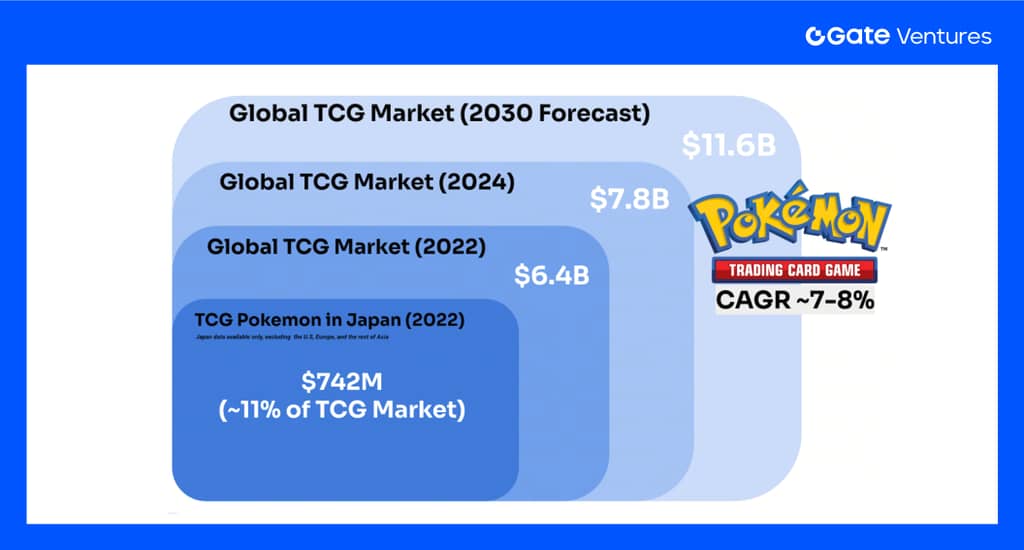
Another weak option is treating on-chain TCGs like traditional investments. Unlike stocks, these assets lack consistent cash flows and are heavily influenced by community sentiment and speculative trading. The "$8B on-chain TCG investment landscape" mentioned in some reports often includes illiquid or ill-defined assets. Do not assume that high trading volume translates to sustainable value.
Practical Verification Steps
To protect your collection, focus on projects with transparent provenance and clear utility. Look for platforms that allow you to use your cards as collateral for stablecoin loans, as this indicates real-world financial integration. Additionally, check if the project has active development and a clear roadmap beyond mere speculation. Avoid projects that promise guaranteed returns or rely solely on marketing buzzwords.
Remember, the goal is to build a collection that holds value over time, not just one that fluctuates with market trends. By staying informed and skeptical of overly optimistic claims, you can manage your exposure to the on-chain TCG space more safely.
No comments yet. Be the first to share your thoughts!