
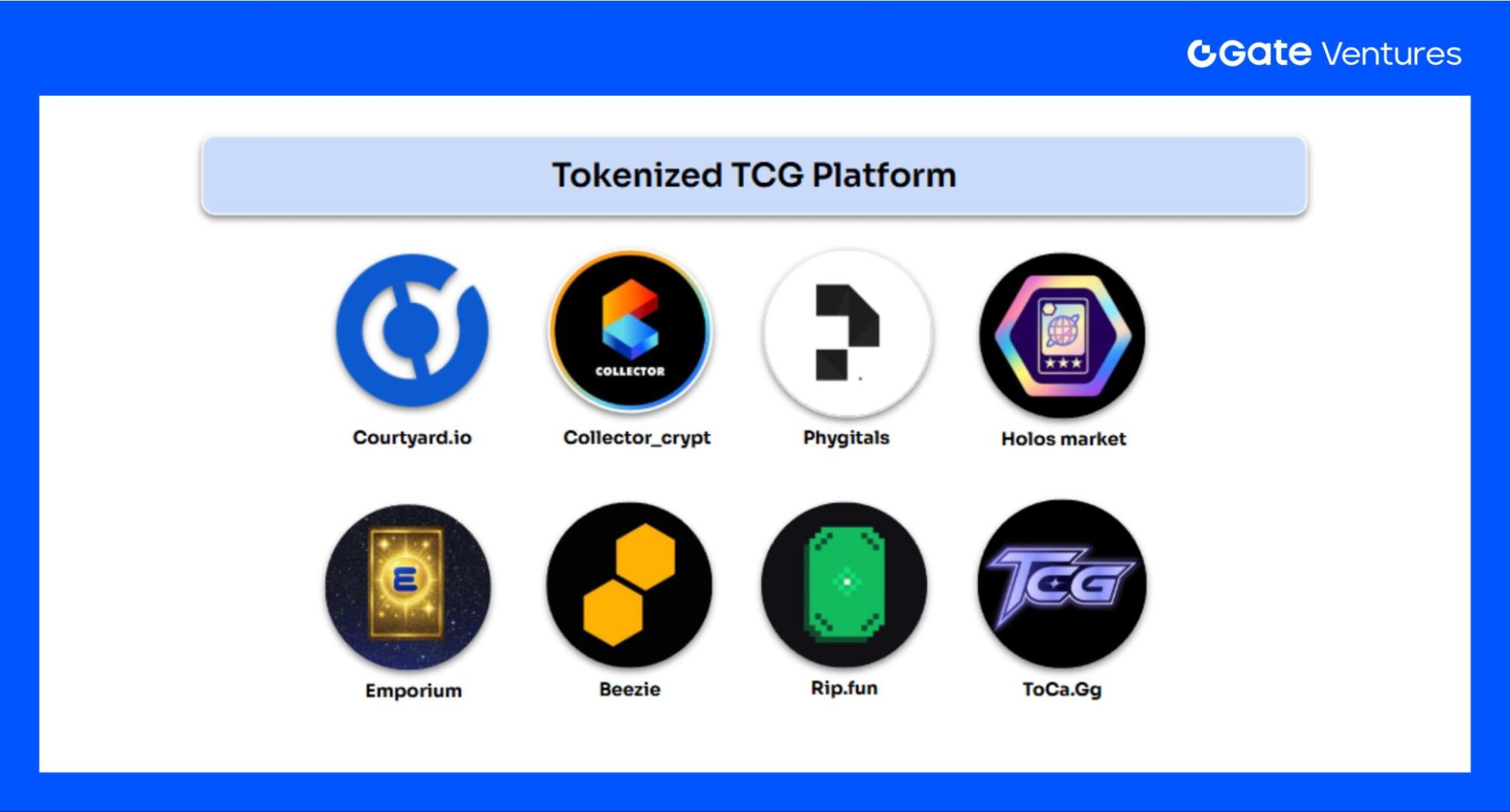
The $8B on-chain TCG market structure
The global trading card game (TCG) sector is no longer a niche hobbyist corner; it is a consolidated asset class valued at $8–10 billion. This scale places physical TCGs on par with the sneaker resale market and just below luxury watches, growing at a steady 8% compound annual growth rate. For investors, this baseline stability provides the foundation for understanding the rapid migration toward on-chain liquidity.
The traditional model relies on static assets—physical cards stored in binders or vaults. Value is locked in condition, grading, and storage costs, creating friction for buyers and sellers alike. The emerging on-chain ecosystem transforms these static assets into liquid digital tokens. By bridging the physical and digital worlds, blockchain infrastructure allows for fractional ownership, instant settlement, and 24/7 market access, fundamentally altering how value is captured and traded.
This shift is not merely technological but structural. The convergence of established IP giants like Pokémon and Magic: The Gathering with decentralized finance principles creates a new market dynamic. As liquidity moves on-chain, the barrier to entry lowers, and the total addressable market expands beyond casual collectors to institutional players seeking exposure to tangible collectibles. The result is a hybrid economy where the scarcity of physical cards meets the efficiency of digital rails.
While the on-chain segment is still maturing, its growth trajectory mirrors the broader adoption of tokenized real-world assets. The integration of gacha mechanics and derivative products further amplifies this potential, turning simple card collections into complex financial instruments. As the market structure evolves, the distinction between physical ownership and digital liquidity continues to blur, setting the stage for the next phase of TCG investment.
Instant liquidity and the buyback engine
The 2026 onchain TCG market has shifted from a slow secondary exchange to a high-velocity settlement layer. The defining mechanic is the instant buyback option, now available on nearly all major platforms. This feature allows collectors to sell cards back to the platform at a pre-set price, eliminating the friction of waiting for a peer-to-peer buyer.
This structure mirrors the liquidity pools of decentralized finance. Instead of relying on market depth for rare items, the platform acts as the counterparty, providing immediate cash for inventory. The result is a market where value is realized in seconds, not days. This speed has driven onchain gacha spending to record highs, as seen in June 2026, by reducing the risk of holding illiquid assets.
The trade-off is a compressed margin for sellers. While you gain instant exit liquidity, the buyback price is typically below the spot market value to account for platform risk. This creates a dynamic where active traders can flip inventory rapidly, while long-term holders must weigh the convenience of immediate cash against potential future appreciation.
On-chain gacha spending hits record highs
On-chain gacha spending surged to an all-time high in June 2026, decoupling from the broader crypto market's downward pressure. While major asset classes faced liquidity drains, randomized digital card drops drove unprecedented volume across trading card game (TCG) platforms. This divergence highlights a structural shift: speculative demand for digital collectibles is no longer tethered to traditional market cycles.
The primary driver is the "instant buyback" mechanism now standard on nearly all major TCG platforms. By allowing players to instantly convert unneeded card drops back into native tokens or stablecoins, these platforms have effectively removed the friction of secondary market sales. This liquidity feature turns every gacha pull into a near-risk-free financial transaction, encouraging high-frequency spending that traditional physical TCGs cannot match.
This spending behavior is reshaping market sentiment. As capital flows into randomized digital assets, the valuation of TCG-related tokens has begun to reflect this utility-driven demand rather than pure speculation. The volume spike suggests that on-chain gacha is evolving from a niche novelty into a dominant liquidity engine within the digital asset economy, even as broader markets remain stagnant.
Top crypto-native TCG plays in 2026
The landscape for blockchain-based trading card games is consolidating around projects with proven tokenomics and active secondary markets. As the sector matures, capital flows toward platforms that balance speculative liquidity with genuine gameplay utility. The following comparison highlights the leading contenders based on market attention, exposure, and community strength.
| Project | Token | Primary Focus | Market Status |
|---|---|---|---|
| Gods Unchained | GODS | Competitive Play | Established |
| Skyweaver | USDC | Free-to-Play | Growth |
| Parallel | PRIME | Sci-Fi Lore | Active |
| Sorare | ETH | Fantasy Sports | Leading |
Gods Unchained remains the benchmark for competitive play, leveraging the Immutable X infrastructure to offer gas-free transactions. Its token, GODS, has seen sustained interest as players rotate cards and trade rare assets. Skyweaver distinguishes itself by operating primarily on Ethereum mainnet with a focus on accessibility, using USDC for smoother economic interactions. Parallel has captured significant attention with its high-production sci-fi narrative and PRIME token, appealing to collectors who value lore alongside mechanics. Sorare, while technically a fantasy sports TCG, dominates the sector by volume, using Ethereum for all card ownership and transfers.
Investors should monitor these projects not just for price action, but for on-chain activity metrics. High transaction volumes on the secondary market often precede broader adoption, while stagnant trading volumes can signal waning interest. The shift toward user-owned assets continues to drive innovation, making these platforms the primary candidates for long-term growth in the 2026 TCG sector.
Future integration paths for 2026
The TCG onchain narrative is shifting from experimental pilots to structural integration. Major legacy brands are no longer testing the waters; they are mapping out specific on-chain migration timelines that signal the next wave of institutional adoption.
A primary example is anime.com’s planned transition to Animechain. According to research from Messari, this integration is scheduled for H2 2026. This move represents a significant pivot, bringing a high-volume, IP-heavy ecosystem onto a dedicated chain designed for digital collectibles. Such structured rollouts suggest that liquidity will follow established brand infrastructures rather than emerging from isolated protocols.
This pattern of legacy brands moving on-chain indicates a maturation of the market. Investors should monitor these specific integration dates as key liquidity events. The shift from niche projects to established entities like Animechain will likely redefine how value is captured and traded in the TCG sector.
Investing in TCGs and digital assets
Trading cards function as alternative assets where value is driven by scarcity and sustained collector demand. In 2026, Pokémon, sports, Magic: The Gathering, and One Piece remain the primary vehicles for growth, provided investors prioritize limited print runs over mass-market releases.
Upcoming expansion cycles and rotation schedules directly impact market liquidity. New sets often cause short-term price dips in older cards before stabilizing, while rotation events can permanently devalue certain subsets. Understanding these timelines is essential for timing entry and exit points.
No comments yet. Be the first to share your thoughts!