
Minting your physical Pokémon cards as NFTs is no longer a futuristic fantasy, it's a practical way to bring your collection into the blockchain era, unlocking new possibilities for ownership, liquidity, and global trading. Whether you’re a seasoned collector or just crypto-curious, understanding how to tokenize your prized cards can transform how you interact with the hobby. Let’s dive into the essential steps and insider tips for bridging the gap between cardboard and code.
Why Tokenize Your Pokémon Cards on the Blockchain?
At its core, tokenizing physical Pokémon cards as NFTs means creating a digital twin of your real-world asset, secured on the blockchain. This approach offers several compelling advantages:
- Authenticity: NFT platforms employ rigorous authentication, reducing counterfeits.
- Liquidity: Instantly list and trade tokenized cards with a global audience, no more waiting weeks for buyers.
- Security: Vaulted storage protects your physical cards while you freely transfer ownership digitally.
- Transparency: Every transaction is recorded on-chain, providing a verifiable history of ownership and grading.
Selecting the Right Platform: Where to Mint Pokémon Card NFTs
The first critical step is choosing a reputable platform that specializes in tokenizing physical collectibles. Not all NFT marketplaces are created equal, some cater specifically to trading card games and offer integrated grading, vaulting, and trading features. Here are three standout options making waves in the pokemon trading cards blockchain scene:
Top Platforms for Minting Pokémon Cards as NFTs
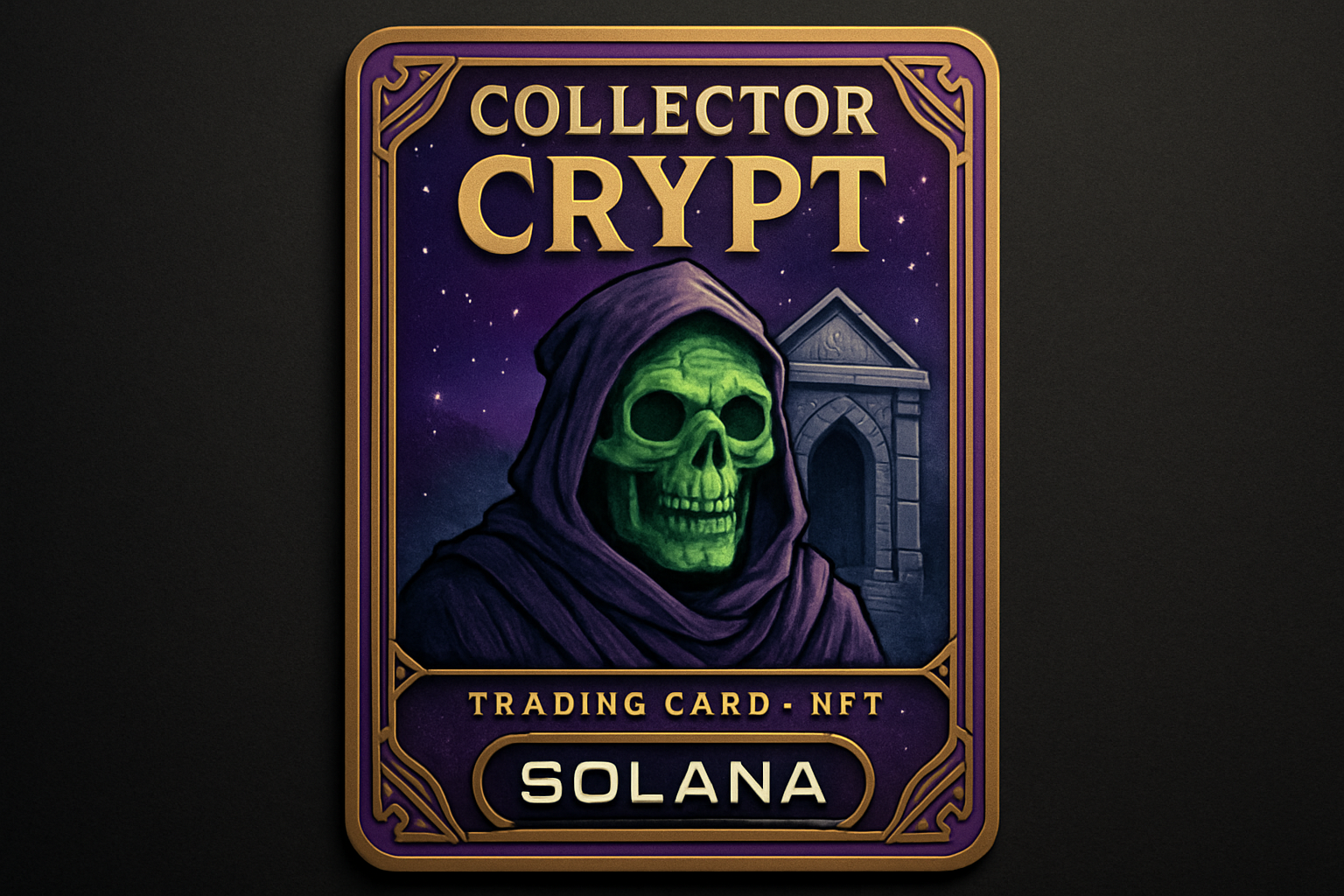
- Collector Crypt: A Solana-based platform dedicated to transforming physical trading cards, including Pokémon cards, into tokenized NFTs. Collector Crypt securely vaults your cards and mints NFTs representing each unique collectible. Learn more
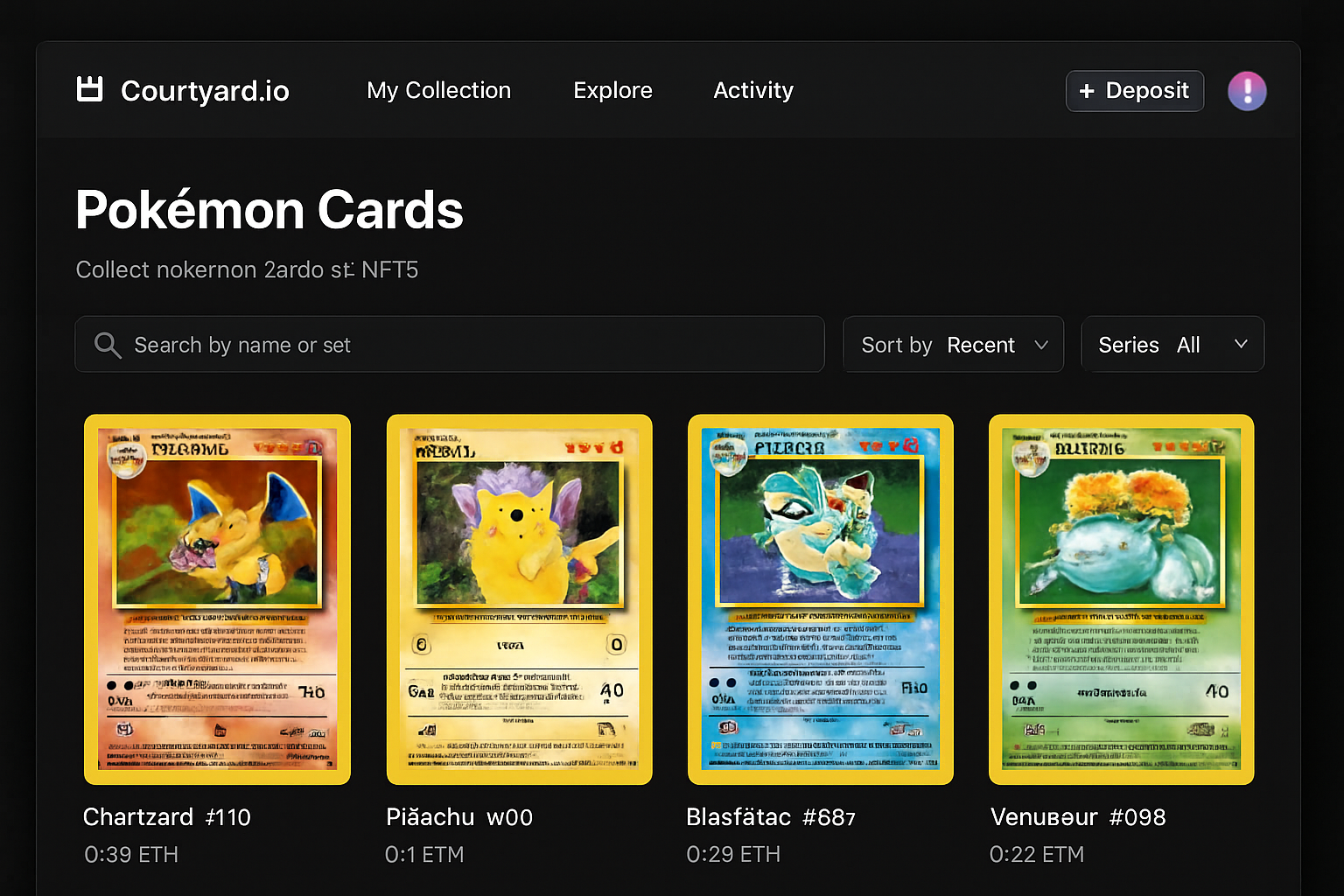
- Courtyard.io: Built on the Polygon network, Courtyard.io offers a seamless way to tokenize and trade physical collectibles like Pokémon cards. The platform handles authentication, grading, vaulting, and NFT minting, making it easy for collectors to manage their assets digitally. Read about Courtyard.io
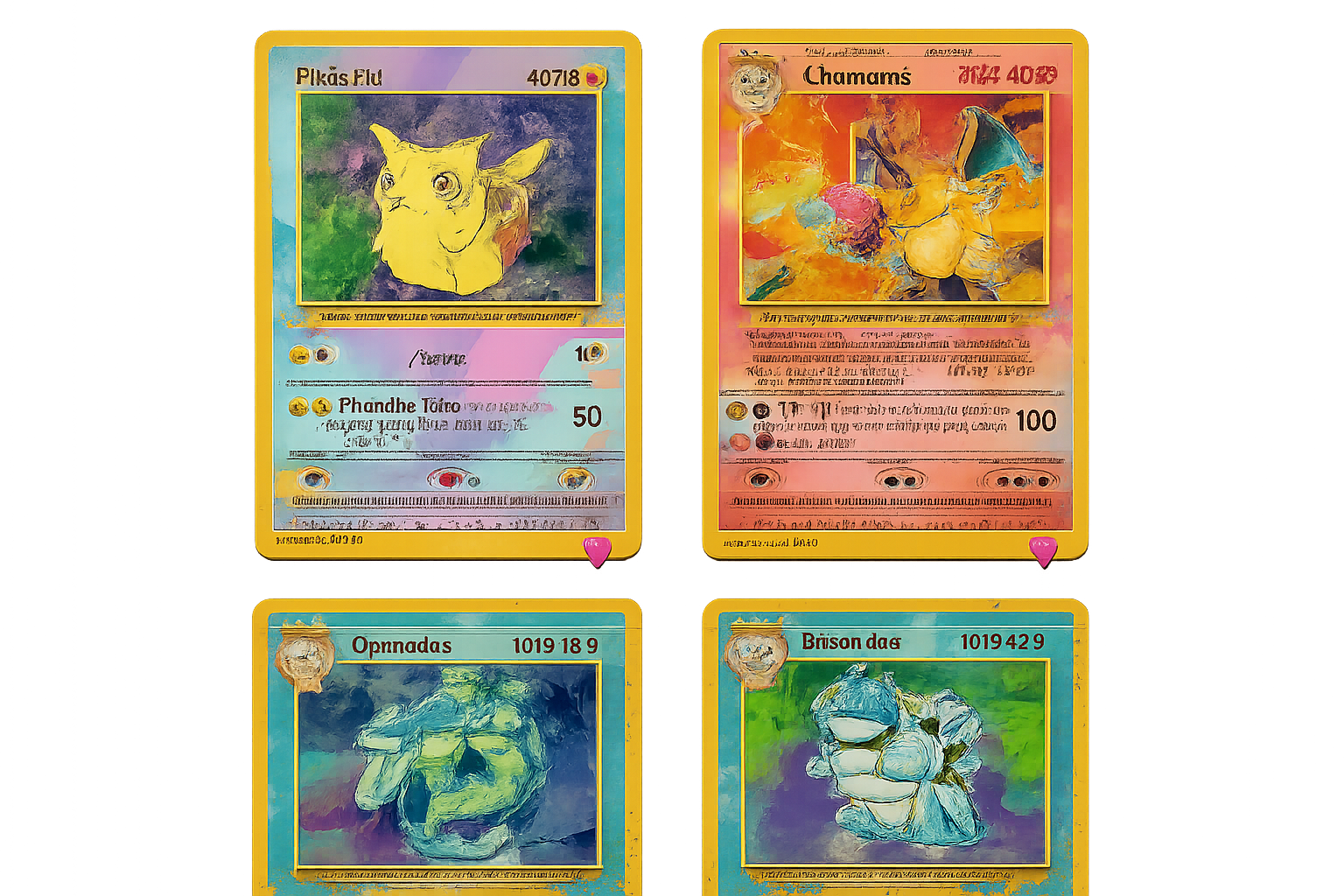
- Phygitals: This innovative platform bridges the gap between physical and digital collecting by offering digital packs linked to real Pokémon cards. Users can open digital packs, receive NFTs, and redeem them for the corresponding physical cards stored securely by the platform. Discover Phygitals
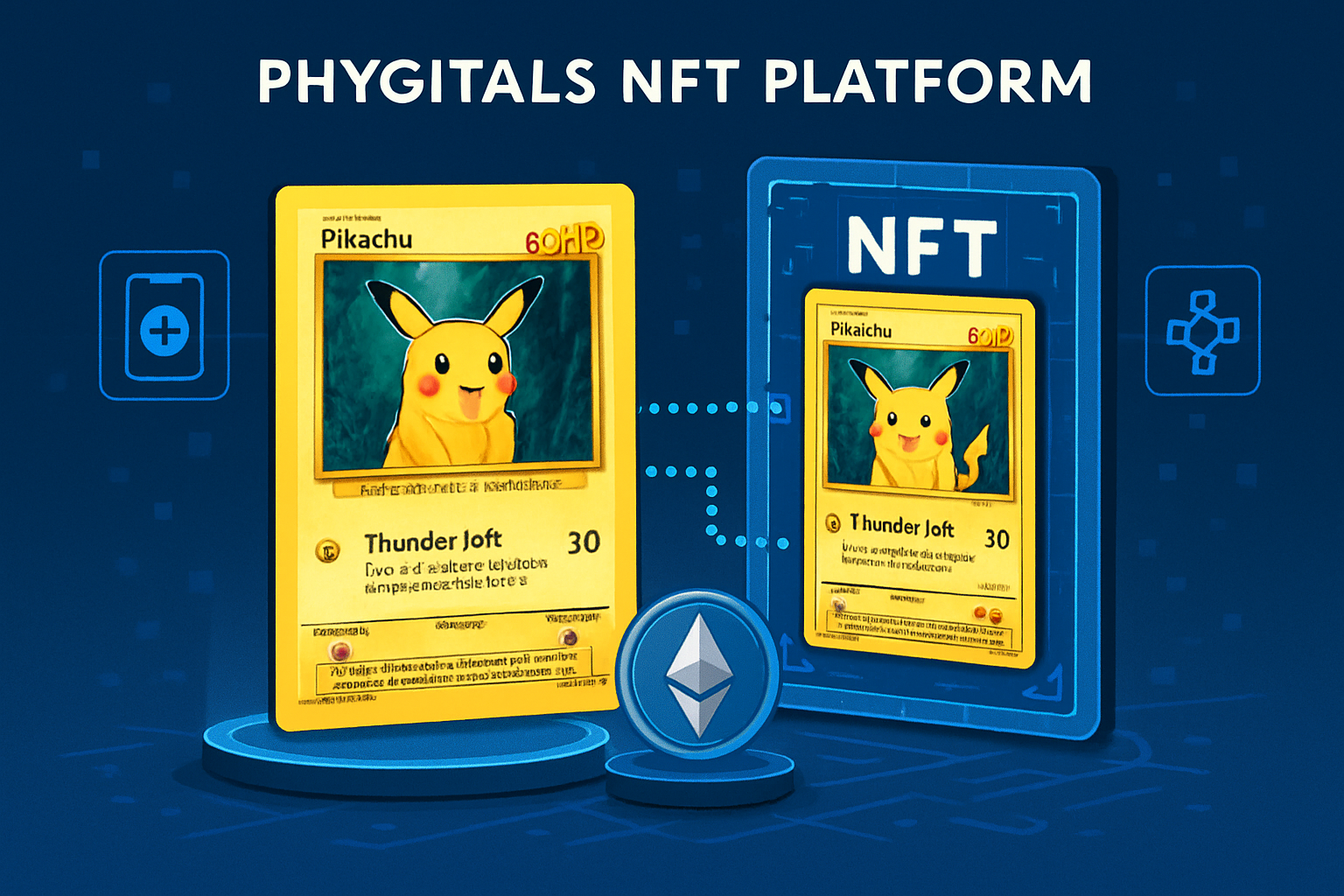
If you're looking for a more detailed walkthrough, check out our comprehensive guide at How to Tokenize Your Pokémon Cards as NFTs: Step-by-Step Guide for Collectors.
Preparing Your Cards: Grading, Shipping, and Vaulting
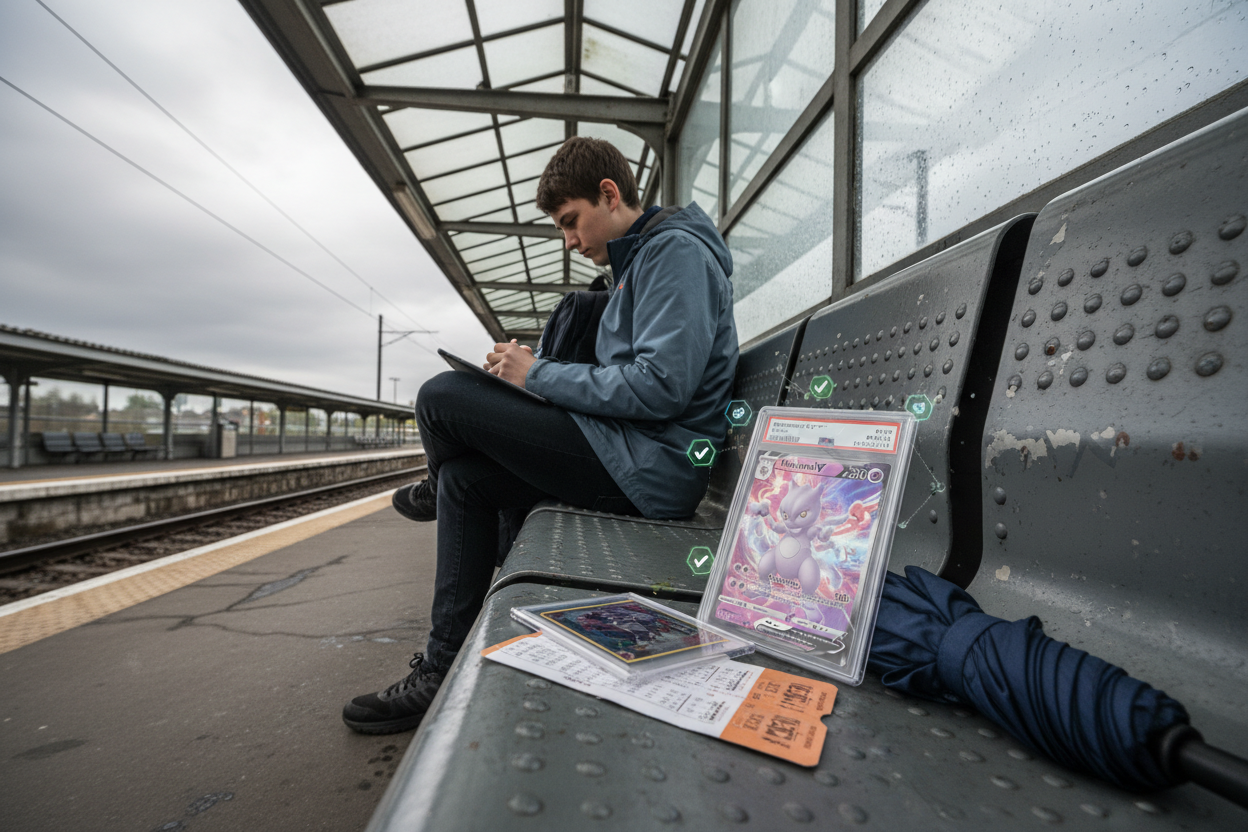
Your card’s value, and its desirability as an NFT, depends heavily on its condition. Before you even consider minting, ensure your cards are well-preserved. Many serious collectors opt to have their cards professionally graded by trusted services like PSA or BGS. This not only authenticates but also maximizes their market value once they’re tokenized.
The typical process looks like this:
Preparing Your Pokémon Cards for NFT Minting: Step-by-Step
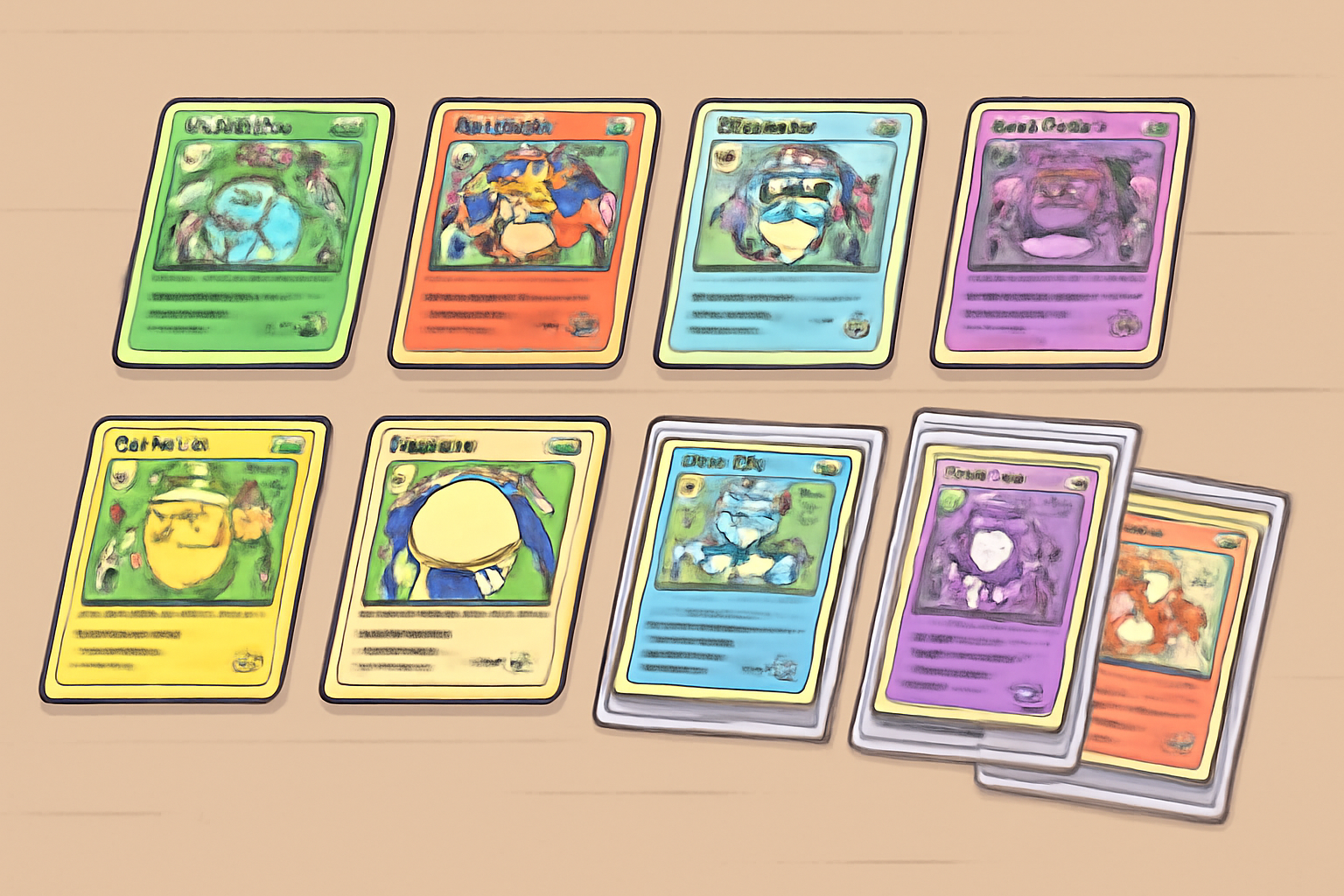

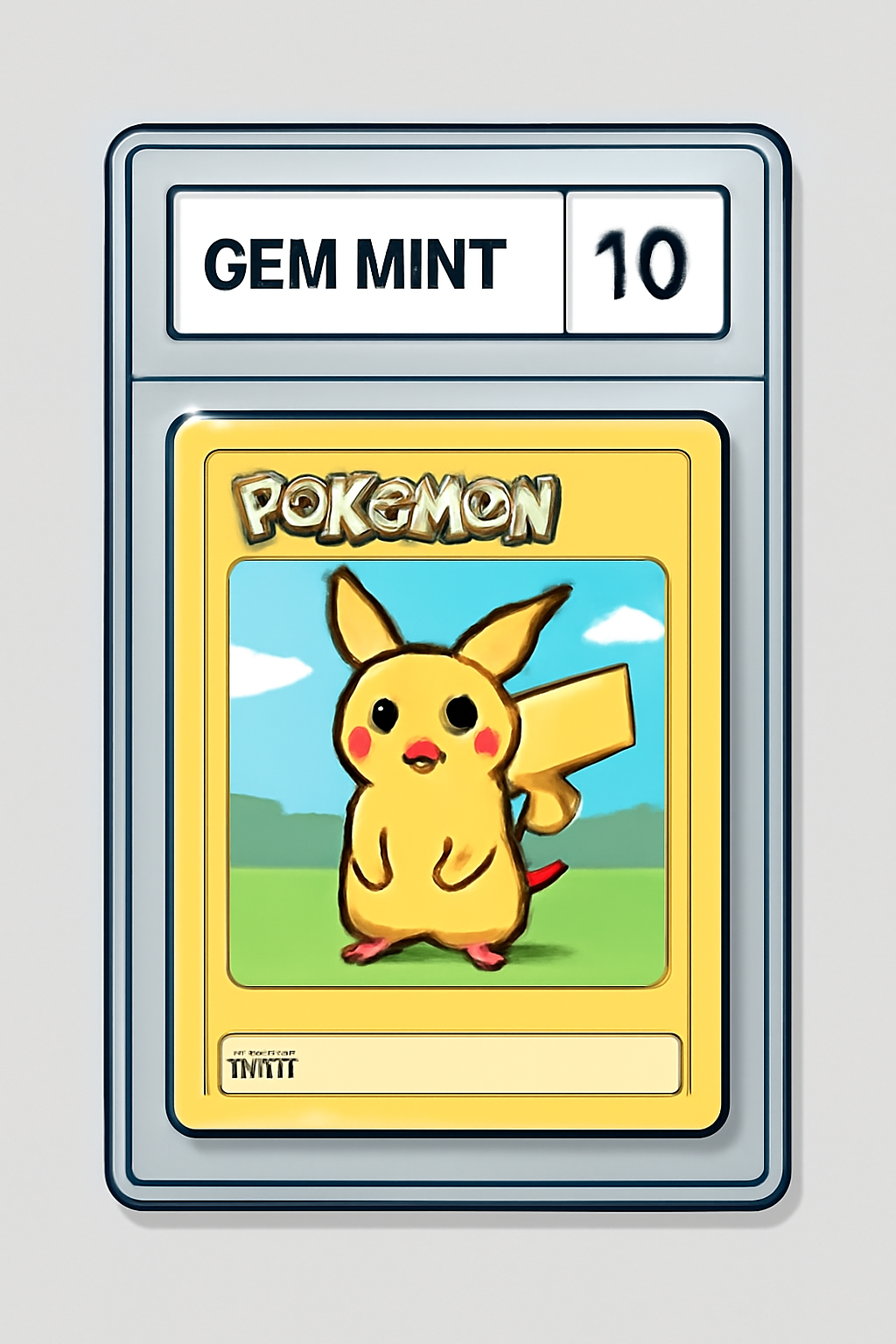
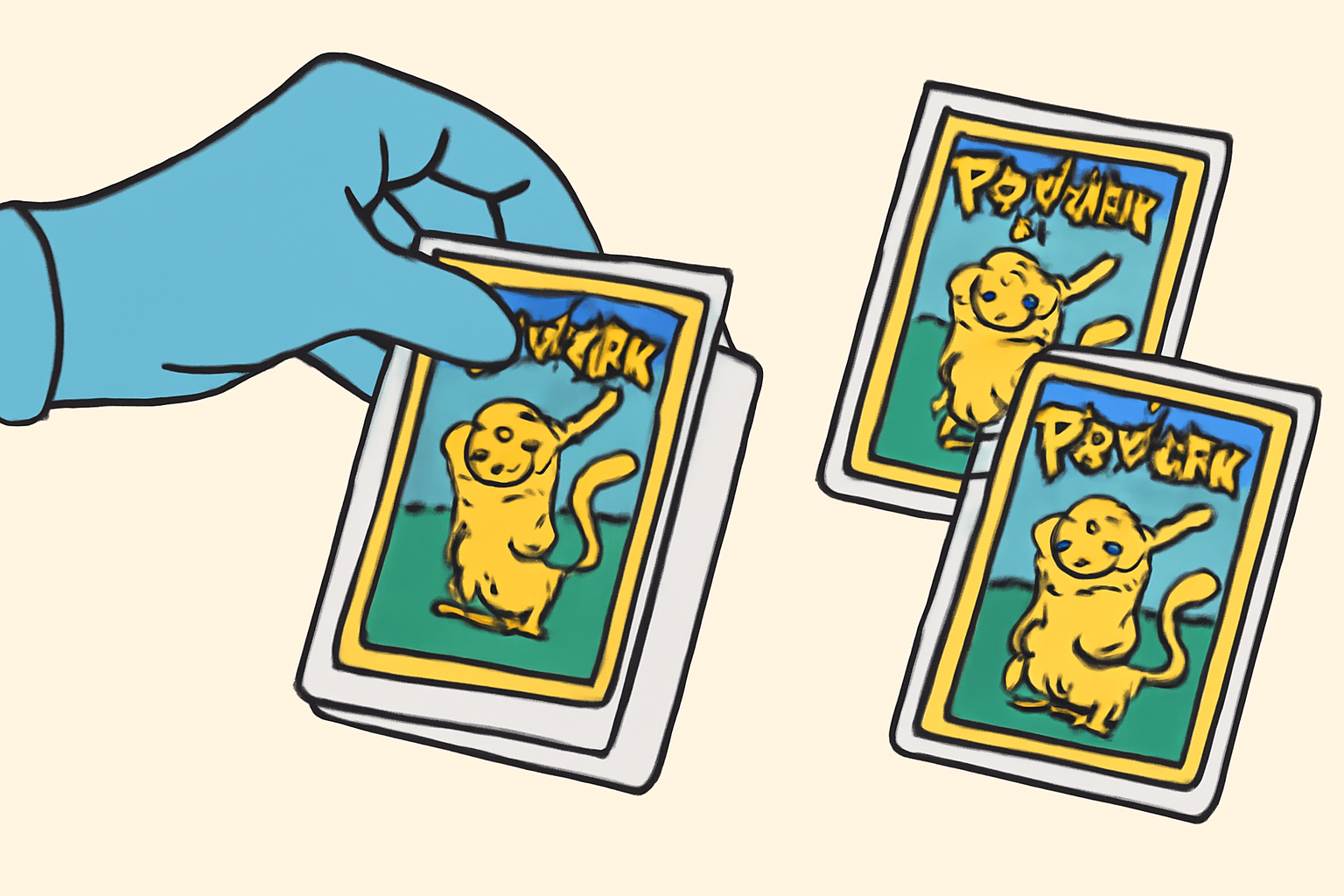
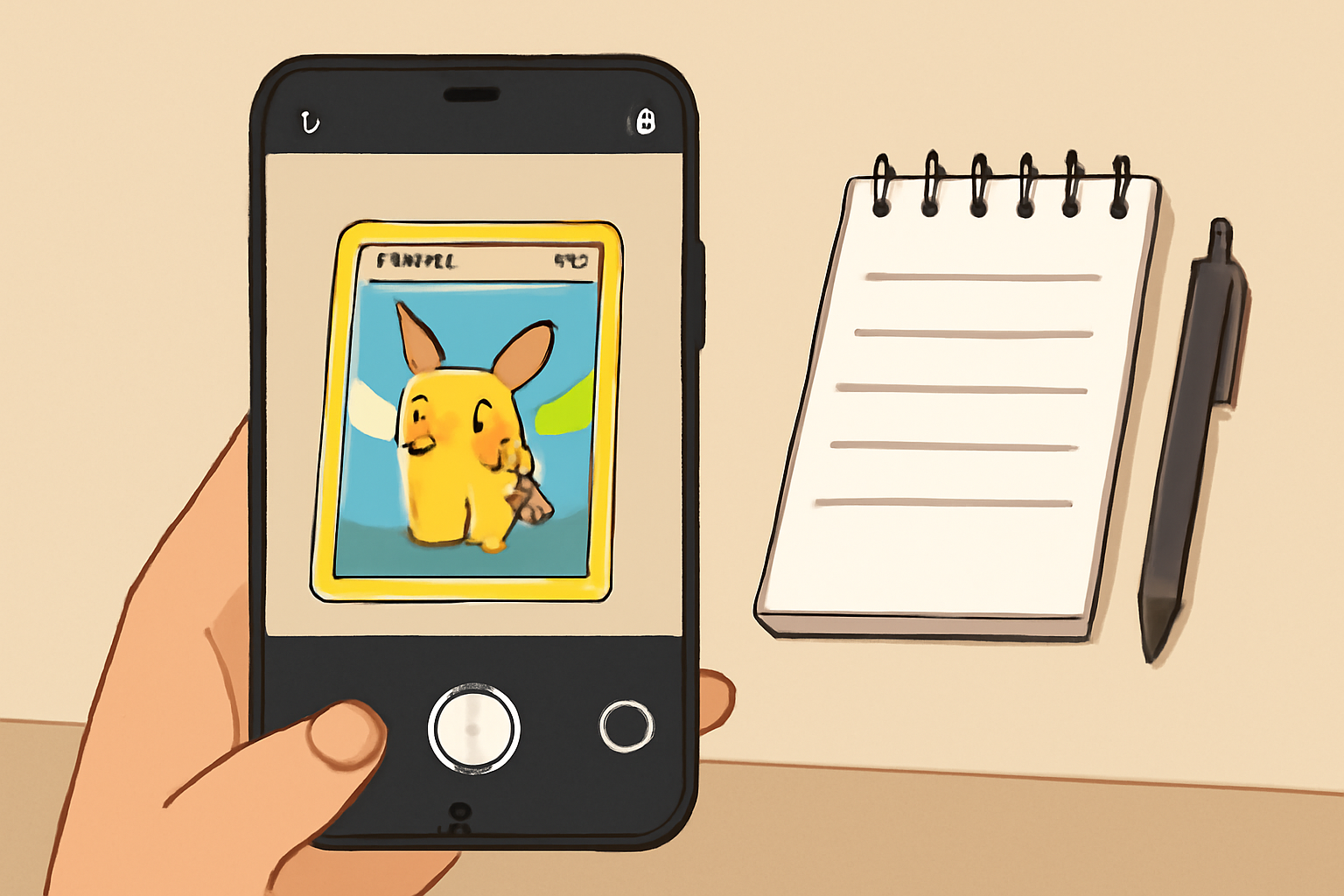
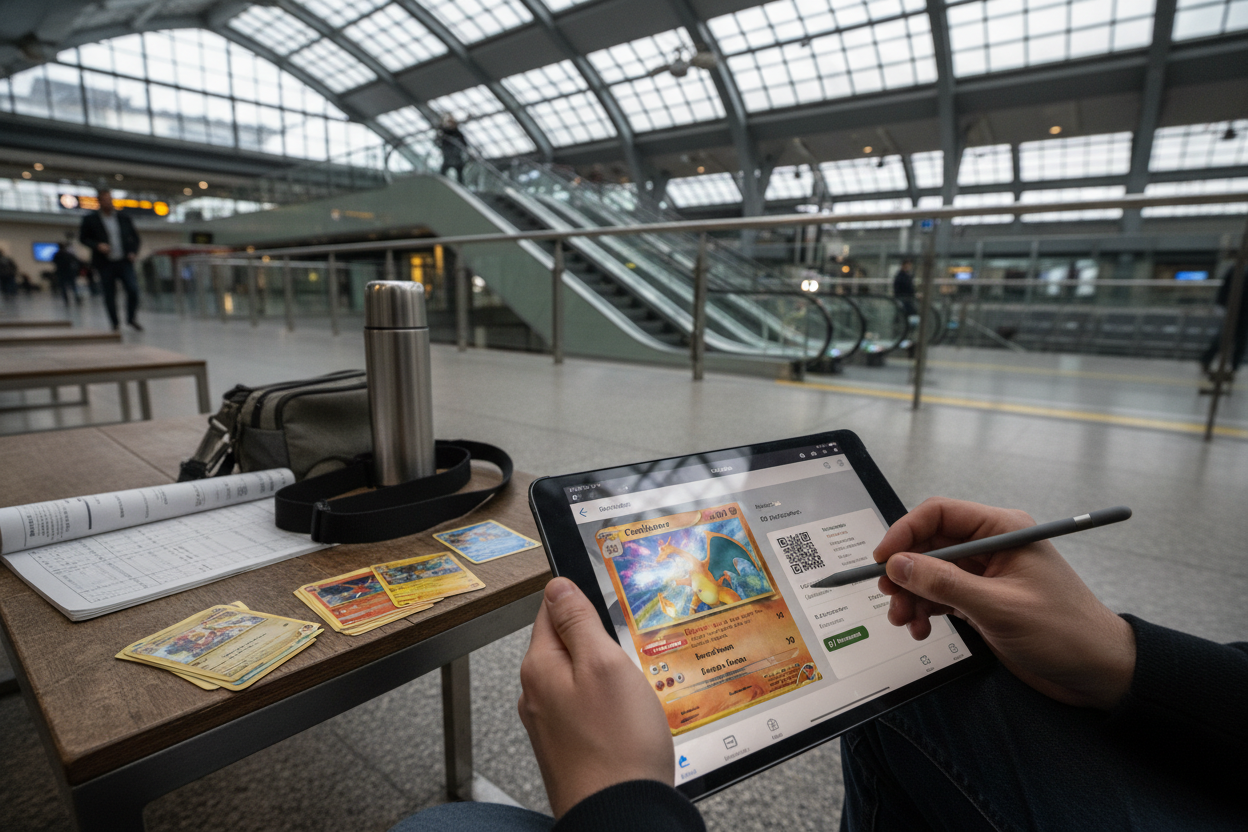
You’ll ship your card to the platform’s secure vault. Upon arrival, it undergoes authentication (and grading if not already done), then is safely stored in a climate-controlled facility. Only then does the magic happen, the creation of your unique digital asset on-chain.
The Minting Process Explained
The actual act of minting transforms your authenticated card into an NFT with rich metadata, think set name, rarity, grade, serial number, and even high-res images. Once minted, these NFTs can be traded instantly or held as part of your digital portfolio. The entire process can be completed in under an hour on some platforms; others may take longer depending on authentication requirements.
If you want a deeper technical dive or step-by-step visuals on how to mint pokemon cards as nft, don’t miss our full tutorial at How to Tokenize Your Pokémon Cards as NFTs: Step-by-Step Guide for Collectors.
Once your card’s NFT is live, you unlock a world of new utility and possibilities. The NFT serves as proof of ownership and authenticity, backed by the physical card in a secure vault. This not only protects your investment but also allows you to trade or showcase your collection globally without ever handling the physical asset. For many, this is a game-changer, especially when dealing with rare or high-value cards that would otherwise be locked away and illiquid.
Trading, Redeeming, and Managing Your Pokémon Card NFTs
With your NFT minted, you can list it on the platform’s marketplace or compatible external NFT exchanges. Some platforms even enable batch minting, letting you tokenize entire sets or collections in a single transaction. Here’s what you need to know about ongoing management:
Essential Tips for Trading & Storing Pokémon Card NFTs
- Choose Reputable Tokenization Platforms: Use established services like Courtyard.io (Polygon), Collector Crypt (Solana), or Phygitals to ensure secure trading, storage, and redemption of your Pokémon card NFTs.
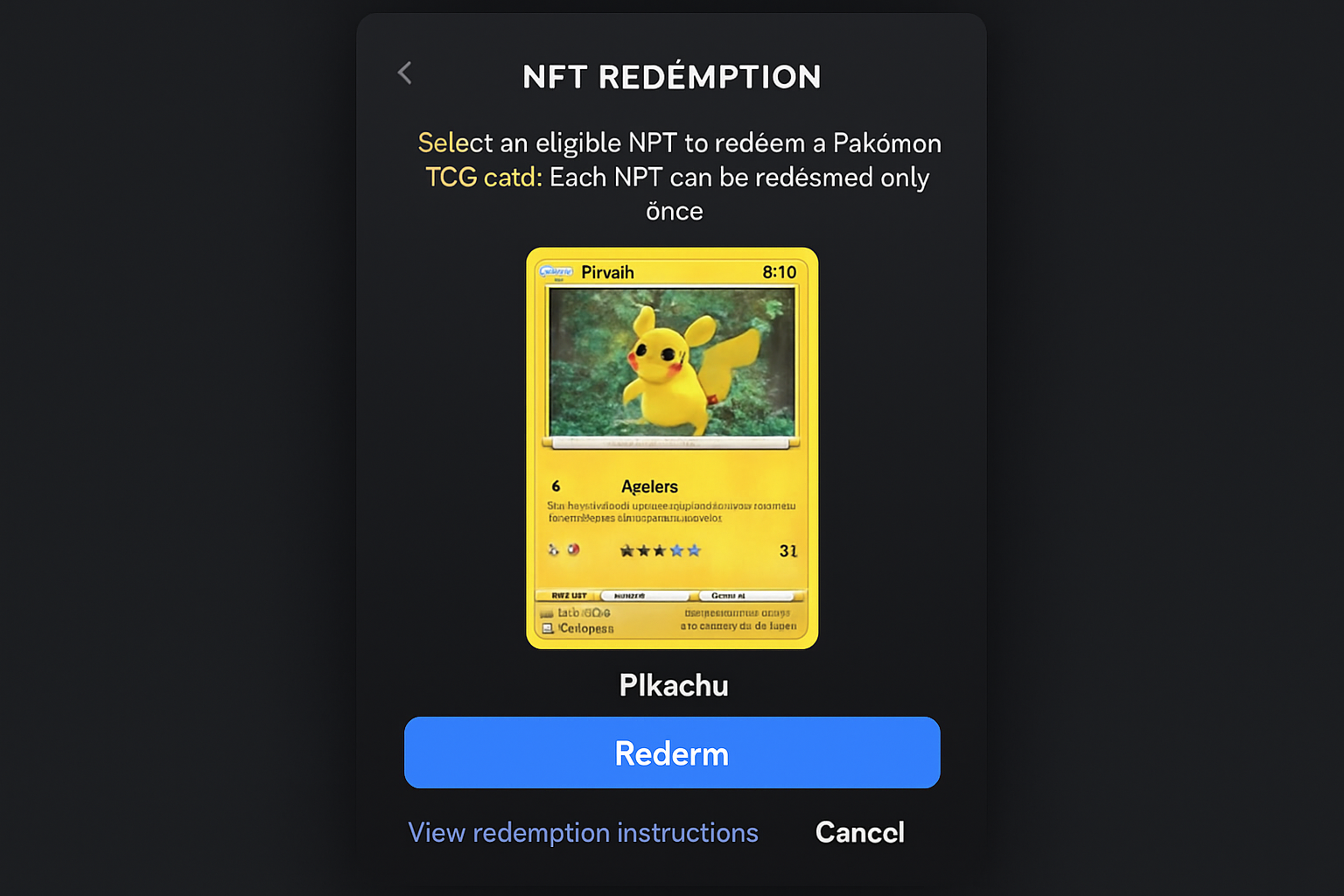
- Understand NFT Redemption Policies: Before trading, review each platform’s redemption process. Typically, redeeming a physical card requires burning the NFT and paying shipping and handling fees. Ensure you’re aware of any timelines and requirements.
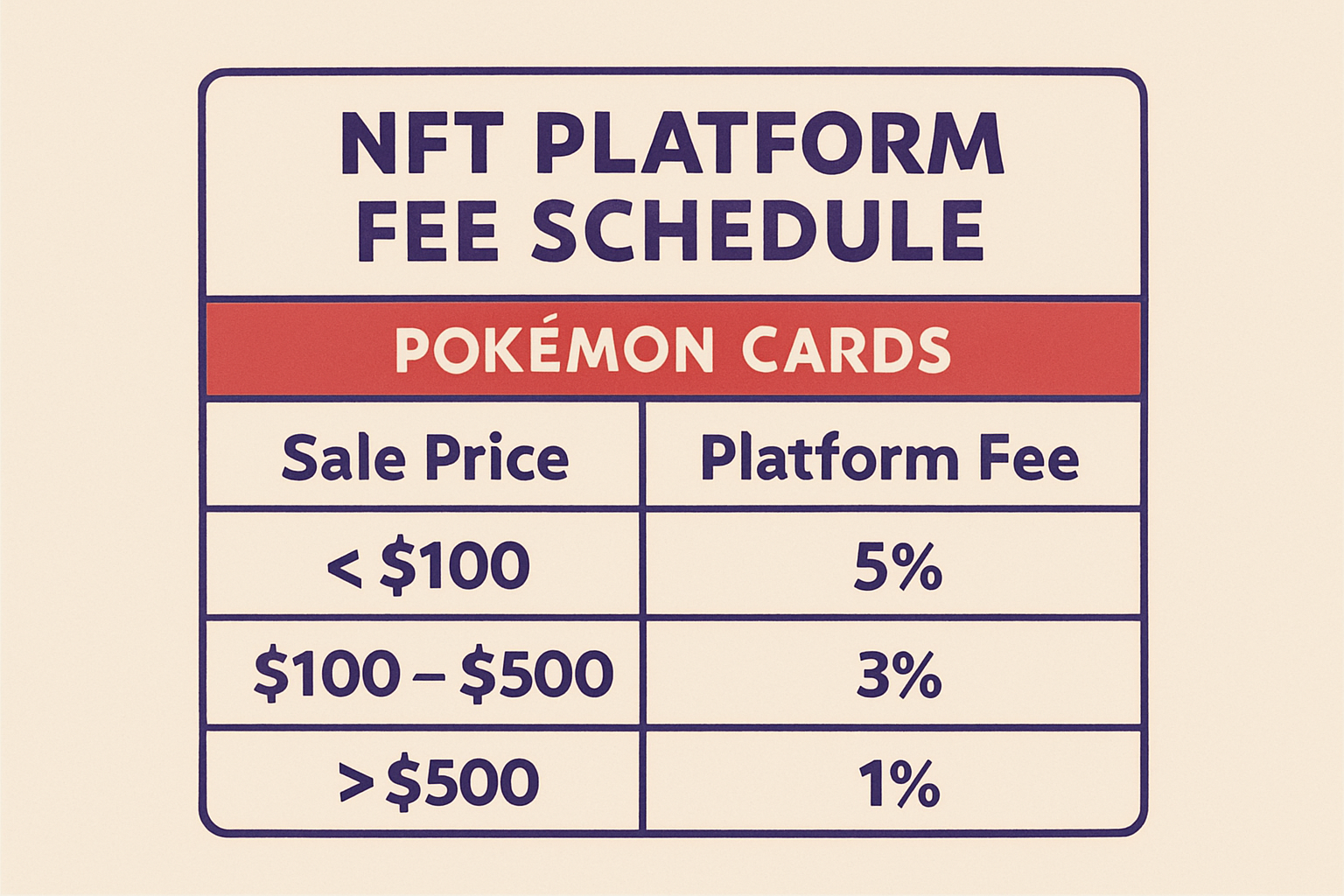
- Keep Track of Fees: Factor in minting, storage, transaction, and redemption fees. For example, Courtyard.io and Collector Crypt charge for minting NFTs and storing cards in secure vaults. Always review the current fee structure before making trades or redemptions.
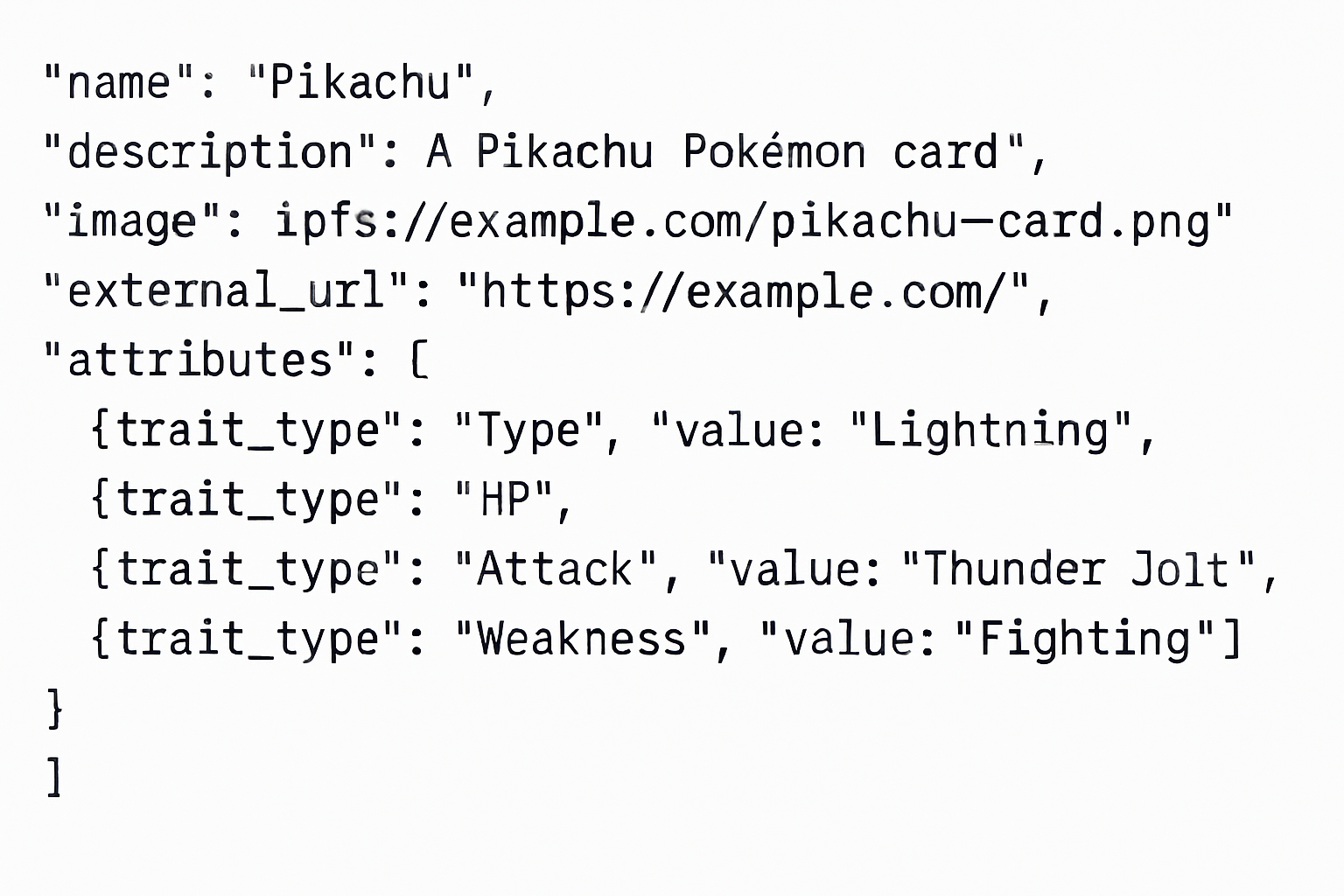
- Verify NFT Metadata and Grading: Confirm that your NFT’s metadata includes accurate card details, grading information (e.g., PSA, BGS, CGC), and storage location. This adds value and trust for buyers and sellers.
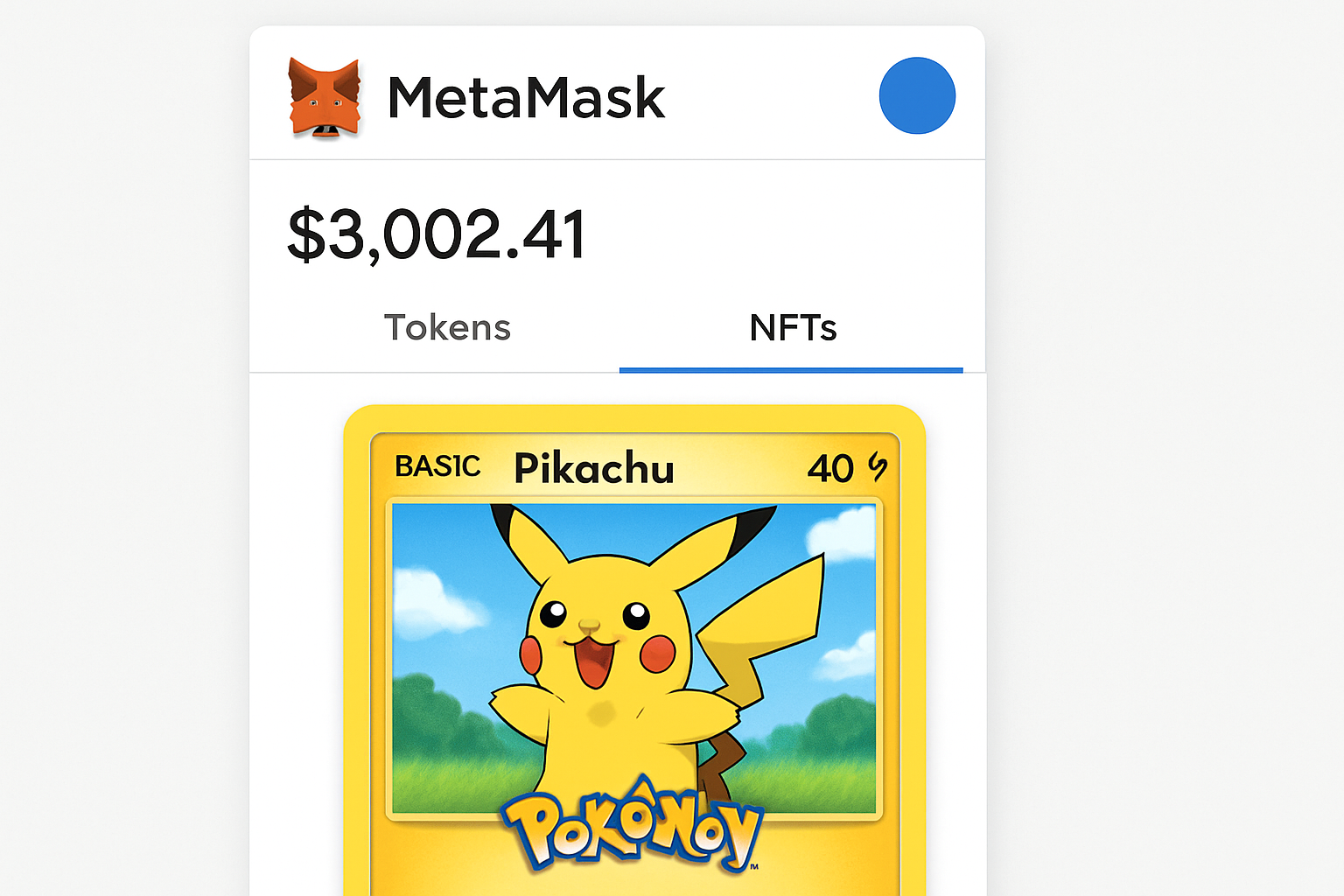
- Use Secure Wallets and Marketplaces: Store your NFTs in well-supported wallets (like MetaMask or Phantom) and trade on reputable marketplaces such as OpenSea (Polygon) or the platform’s native marketplace. Enable two-factor authentication for added security.
- Monitor Market Trends and Platform Policies: Stay updated on platform announcements, market demand, and policy changes. Join official Discord channels or follow Twitter accounts for timely updates on trading opportunities and vault policies.
If you decide you want your physical card back, most platforms support a redemption process. This typically involves burning your NFT (permanently removing it from circulation) and paying a redemption fee, after which your card is shipped back to you. Always review the specific platform’s policies before initiating a redemption to avoid surprises.
Understanding Fees and Market Dynamics
Minting and managing Pokémon card NFTs isn’t free. Platforms may charge several types of fees, including:
- Minting fees: For creating the NFT on-chain, often paid in crypto like ETH, MATIC, or SOL.
- Storage fees: For keeping your card in a secure, insured vault.
- Transaction fees: For trading NFTs on the marketplace.
- Redemption fees: If you want your physical card shipped back to you.
Fee structures can vary widely between platforms, so compare options carefully. Some offer promotional periods with reduced minting costs or bundled storage for new users. It’s worth noting that as the NFT and RWA markets mature, fee transparency and competition are improving, giving collectors more choices than ever before.
Best Practices for Secure and Profitable NFT Collecting
If you’re serious about building a digital Pokémon card portfolio, consider these best practices:
- Choose reputable grading and vaulting partners to ensure authenticity and safety.
- Stay informed about market trends in both the physical and NFT trading card spaces.
- Diversify your assets by tokenizing cards from different sets, eras, and rarity levels.
- Engage with the community on social media and trading forums for tips, news, and potential buyers or traders.
The intersection of physical collectibles and blockchain is still evolving. Early adopters are already seeing benefits in liquidity, security, and global reach. As more collectors join the space, expect to see even greater innovation in pack openings, fractional ownership, and DeFi integrations for trading card NFTs.
If you’re ready to bridge your collection into the digital future, start by exploring detailed guides like How to Tokenize Your Pokémon Cards as NFTs: Step-by-Step Guide for Collectors. The process is more accessible than ever, and your cards deserve a spot on-chain.

No comments yet. Be the first to share your thoughts!