
Tokenizing Pokémon cards as NFTs is rapidly transforming the collector’s landscape, merging the nostalgia of physical trading cards with the cutting-edge advantages of blockchain technology. As the market for tokenized Pokémon cards surpasses $124.5 million in value, collectors are seeking secure and transparent ways to convert their prized assets into digital tokens. This step-by-step guide demystifies the process, ensuring you can confidently bridge your collection into the crypto era while maintaining authenticity and maximizing liquidity.
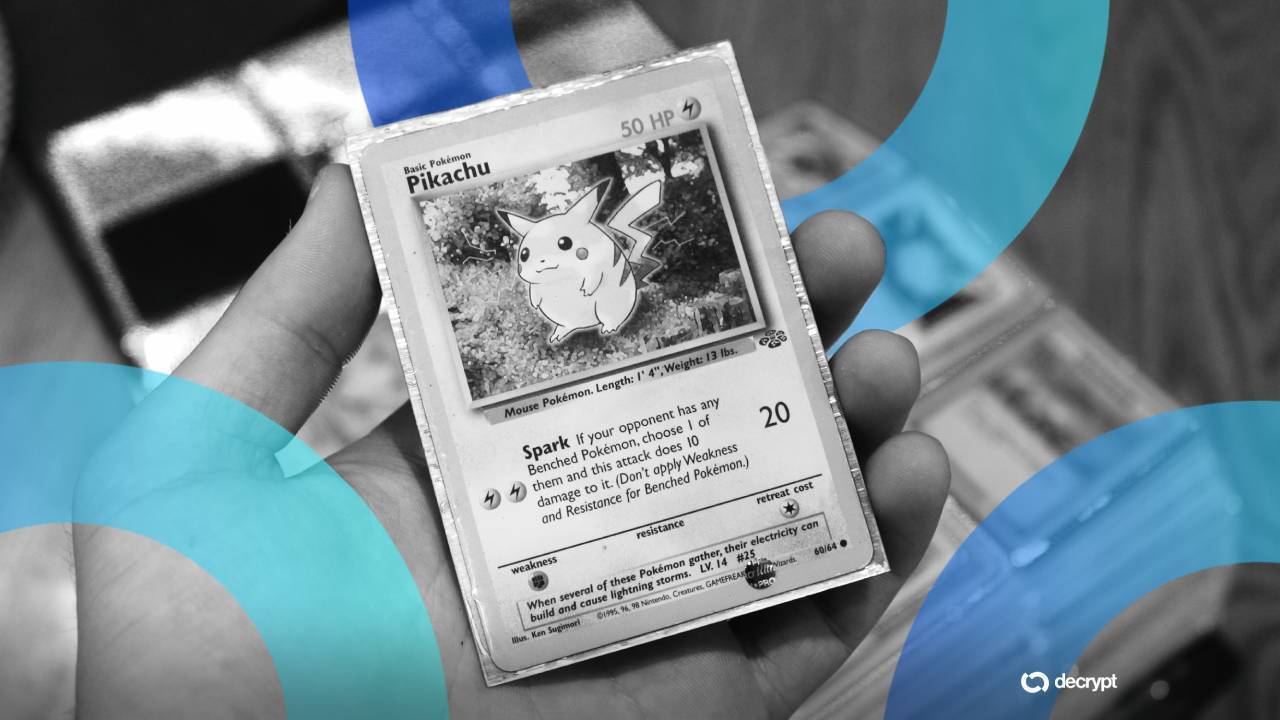
Why Tokenize Your Pokémon Cards? The Rise of Trading Card RWAs
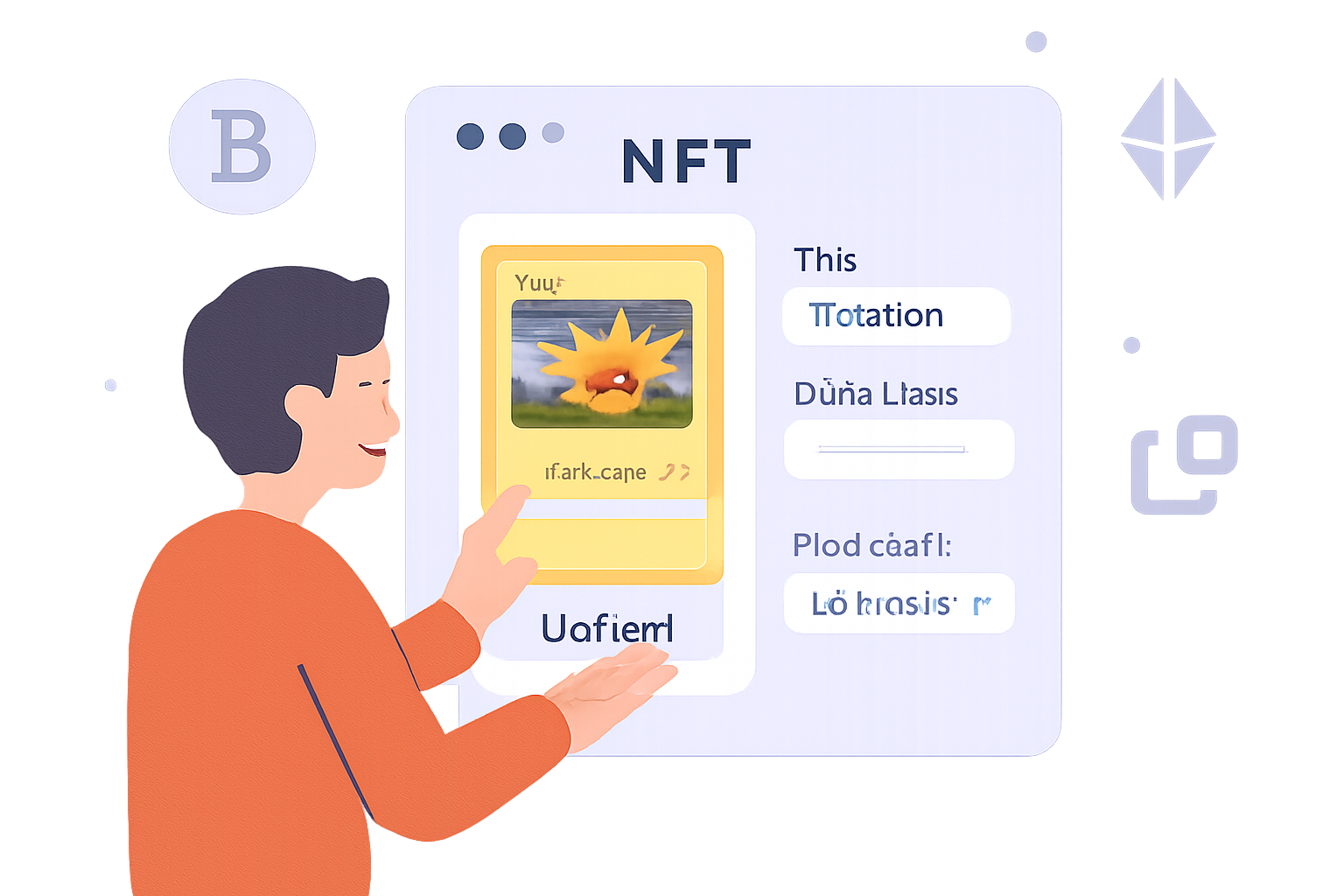
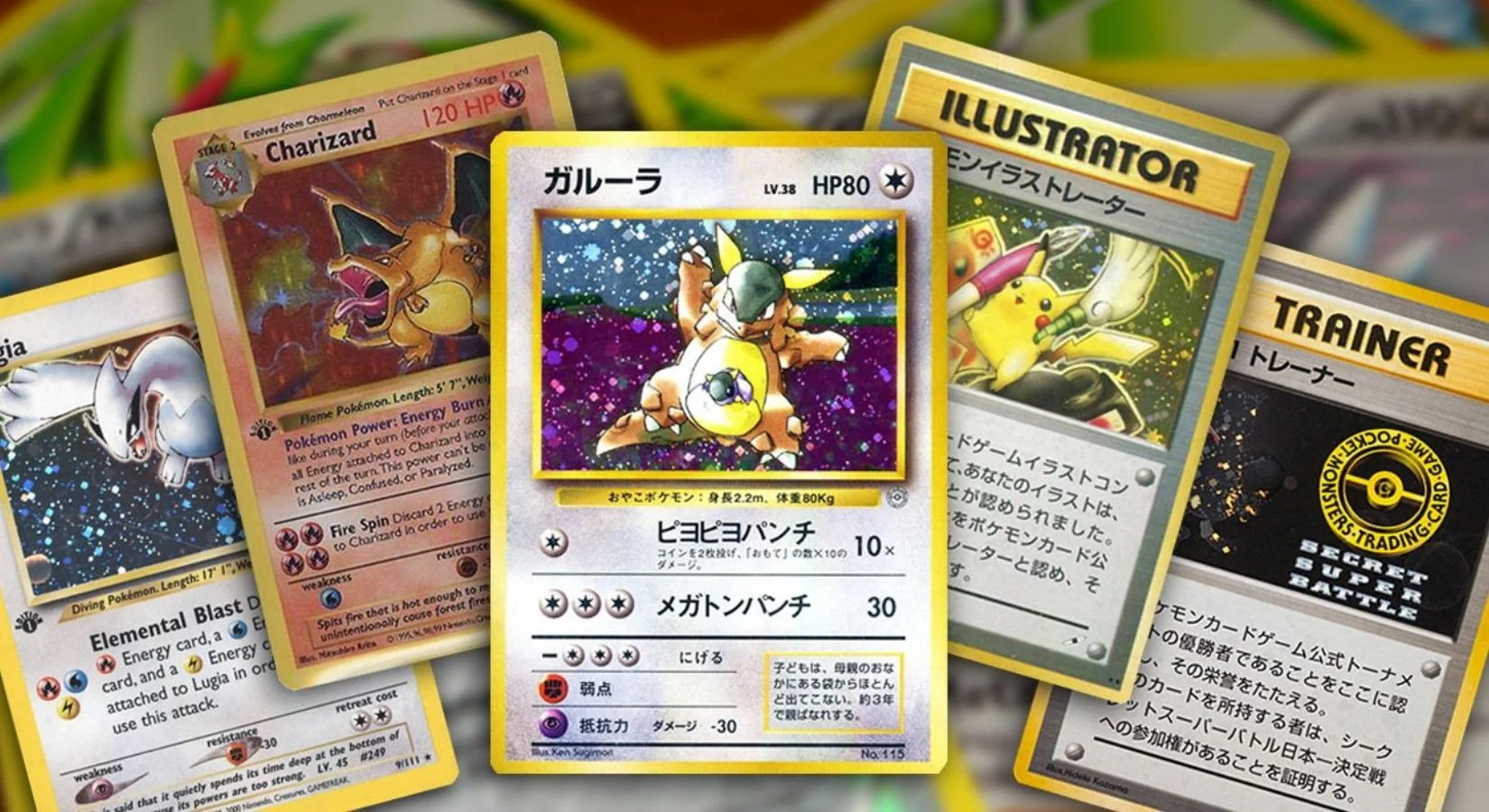
The move to tokenize Pokémon cards is not just a passing trend - it’s a paradigm shift in how collectors prove ownership, trade globally, and unlock value from their collections. By turning your physical card into an NFT (non-fungible token), you gain:
- Verifiable Ownership: Blockchain records provide immutable proof that you own a specific card.
- Instant Liquidity: Sell or trade your card 24/7 on global NFT marketplaces without waiting for traditional auction houses.
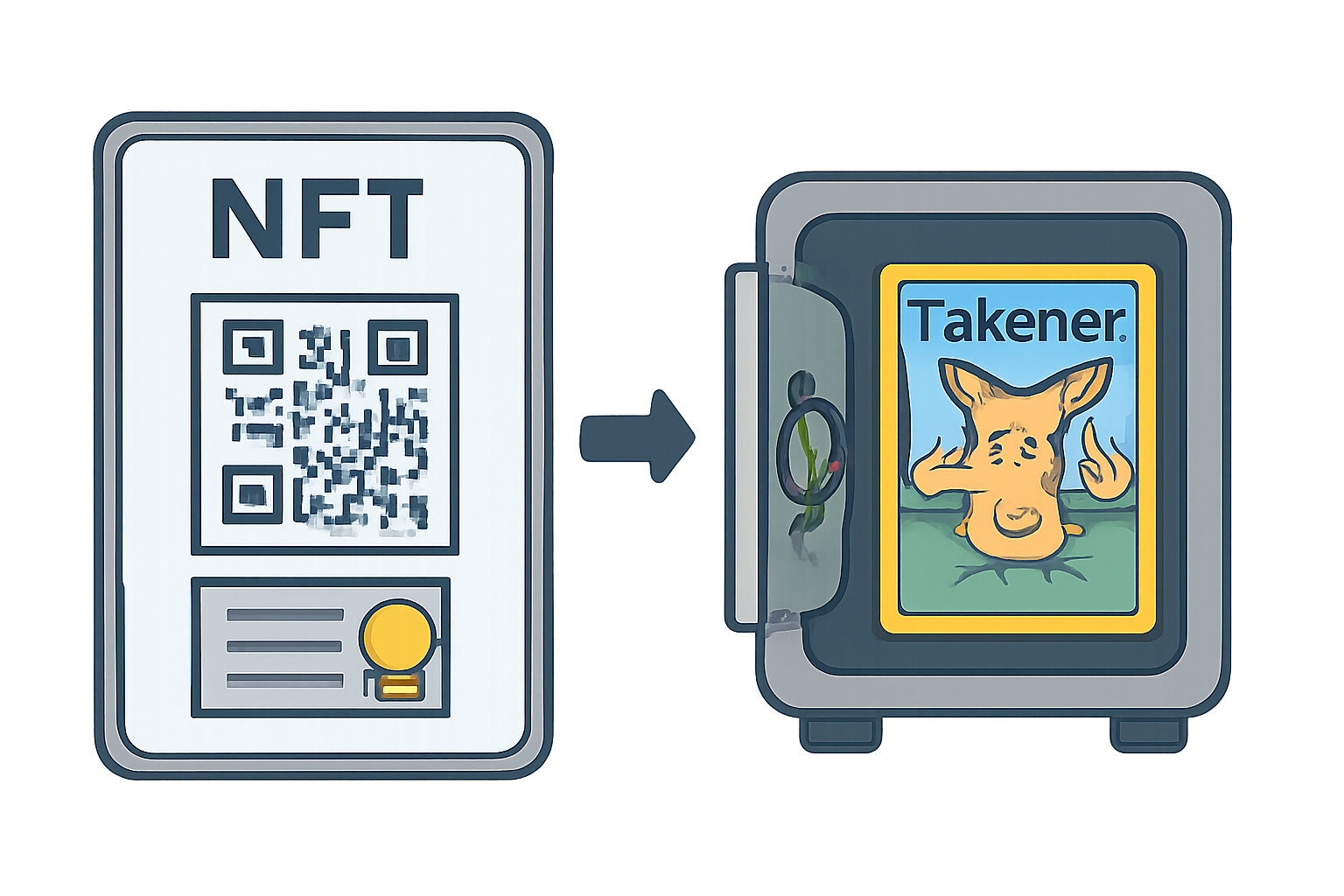
- Security and Authenticity: Leading platforms like Collector Crypt and tcgonchain. com vault your physical card, linking it directly to its digital twin and eliminating counterfeiting risks.
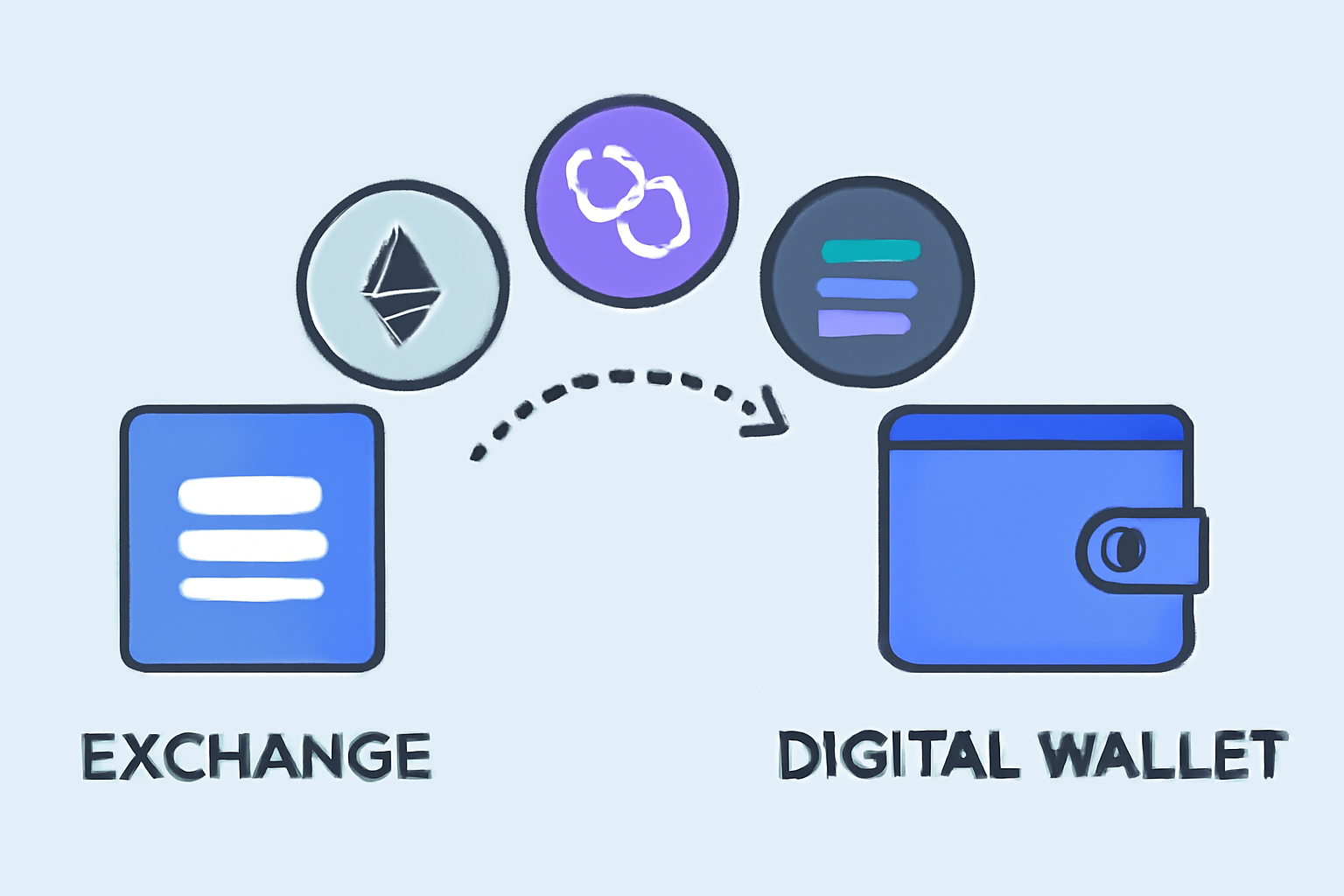
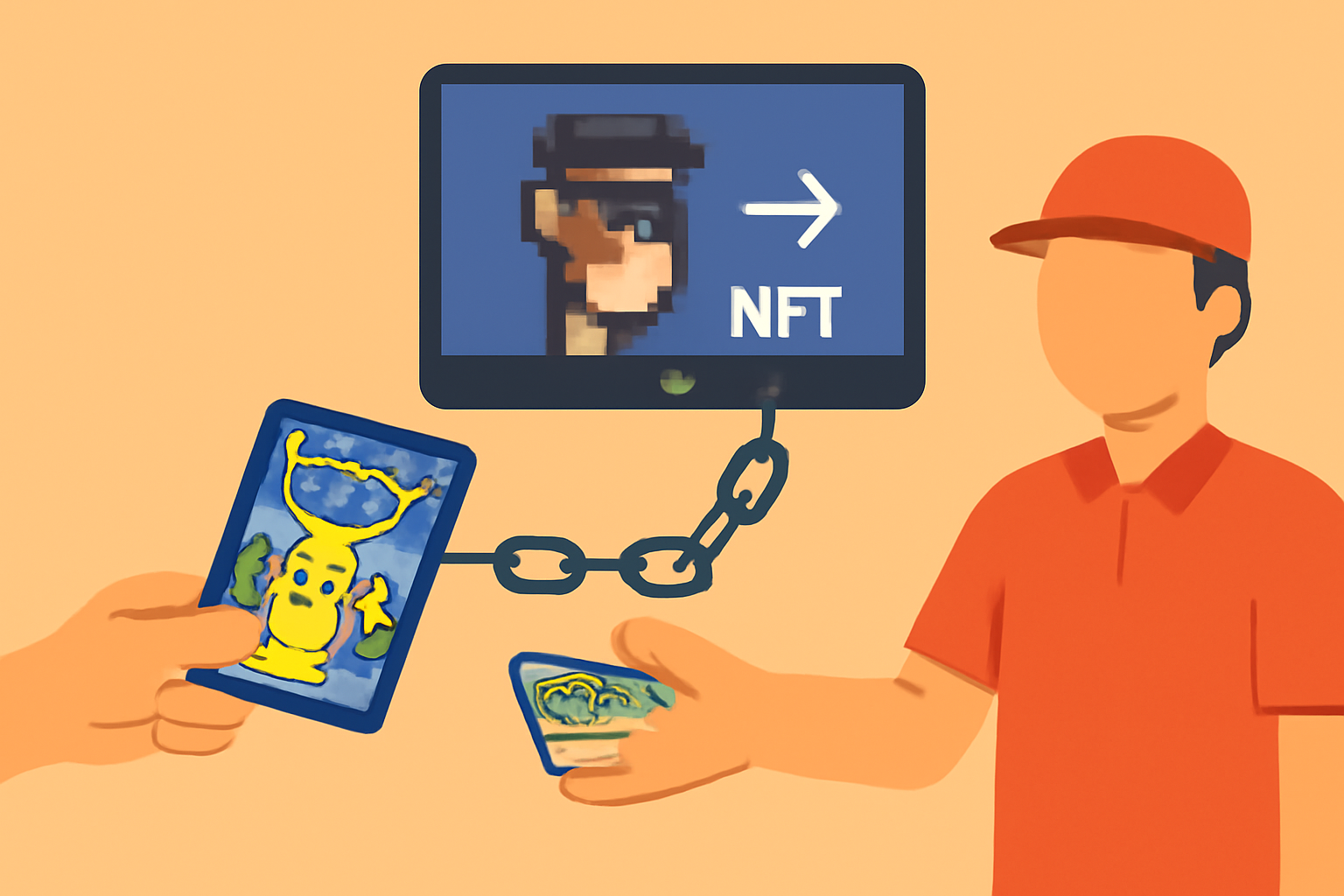
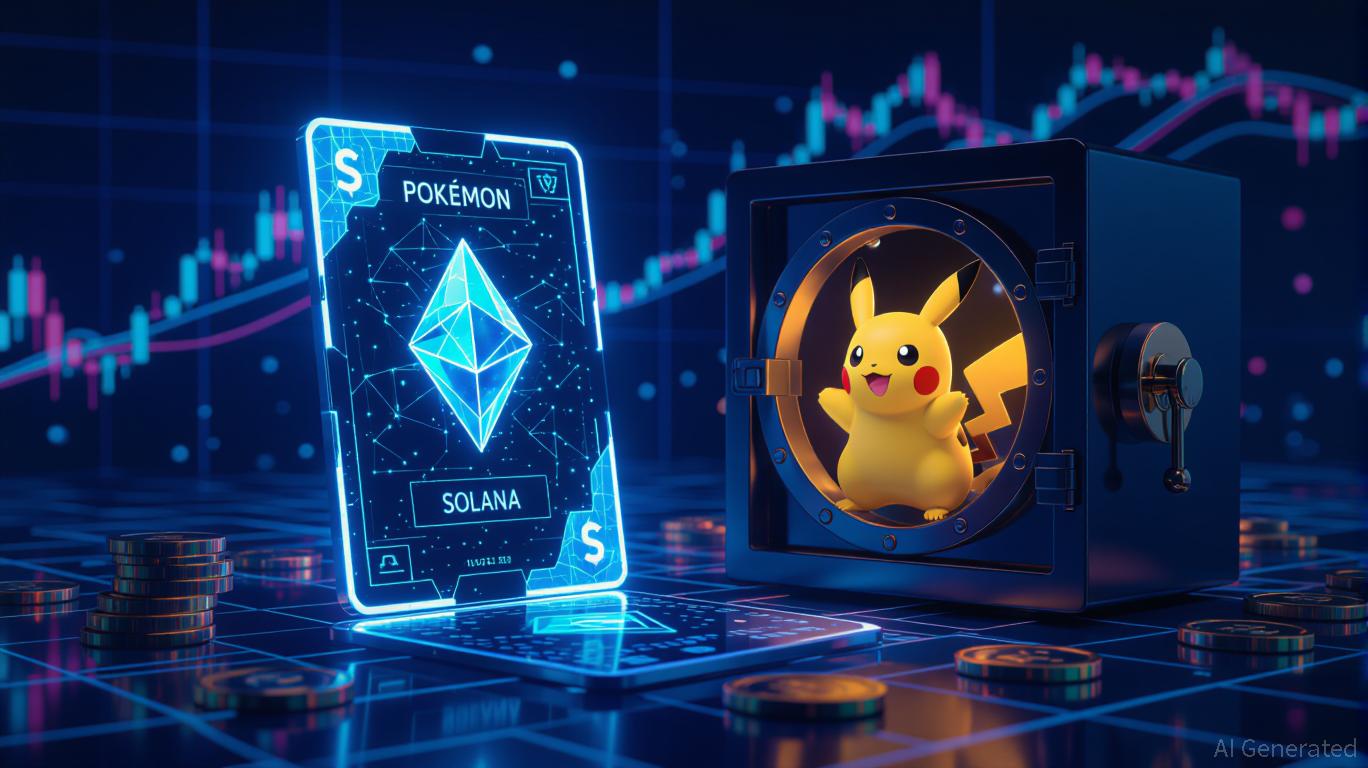
This new asset class - trading card RWAs (real-world assets) - is attracting both hardcore collectors and crypto investors seeking exposure to alternative collectibles. As discussed on r/CryptoCurrency, the process typically involves sending your card to a trusted platform, which then mints an NFT backed by the original item held in secure custody.
Step-by-Step: How to Convert Your Pokémon Cards Into NFTs
If you’re ready to join this revolution, follow these essential steps:
Tokenize Your Pokémon Card as an NFT: Step-by-Step Illustrated Guide
Choosing the Right Blockchain and Marketplace
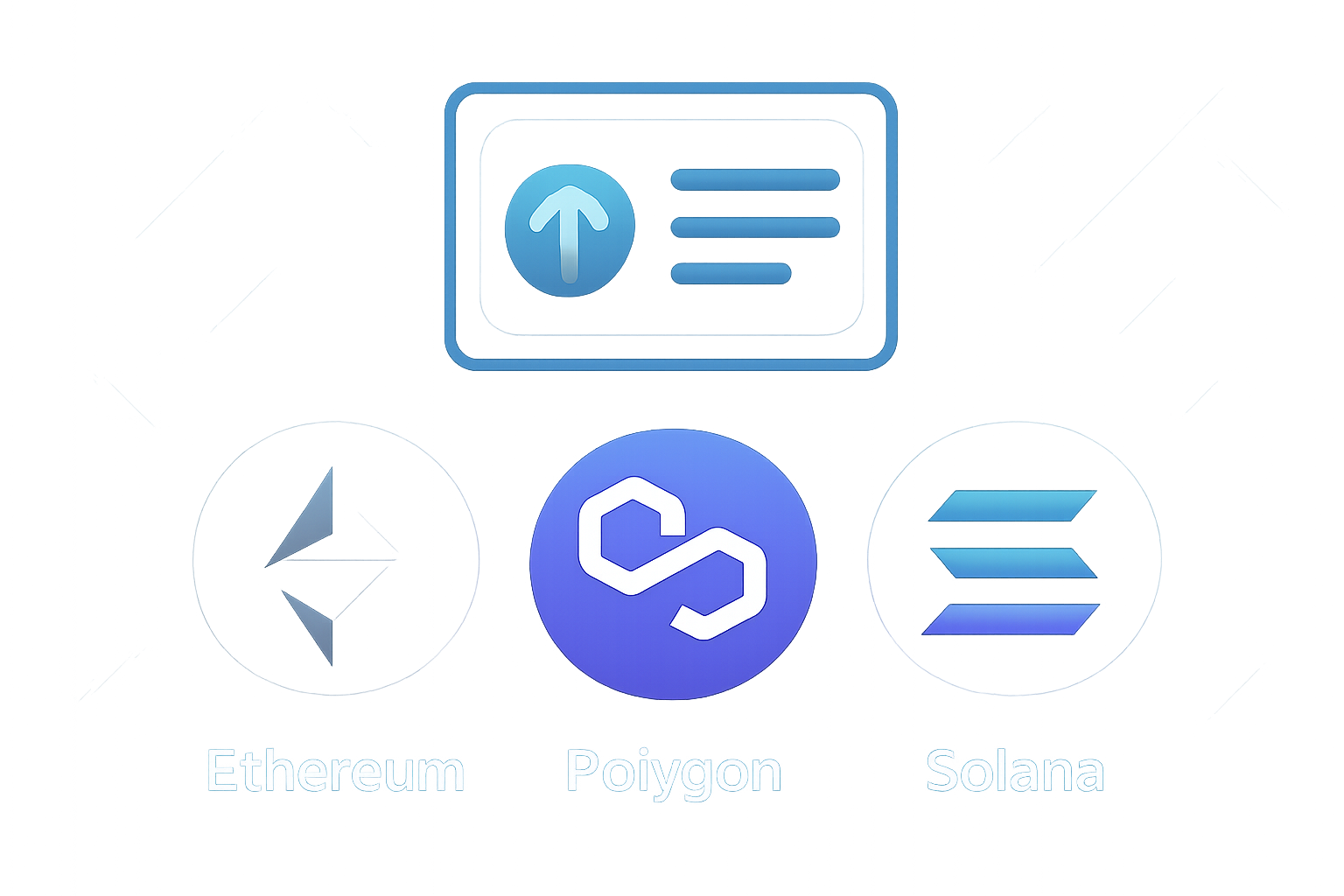
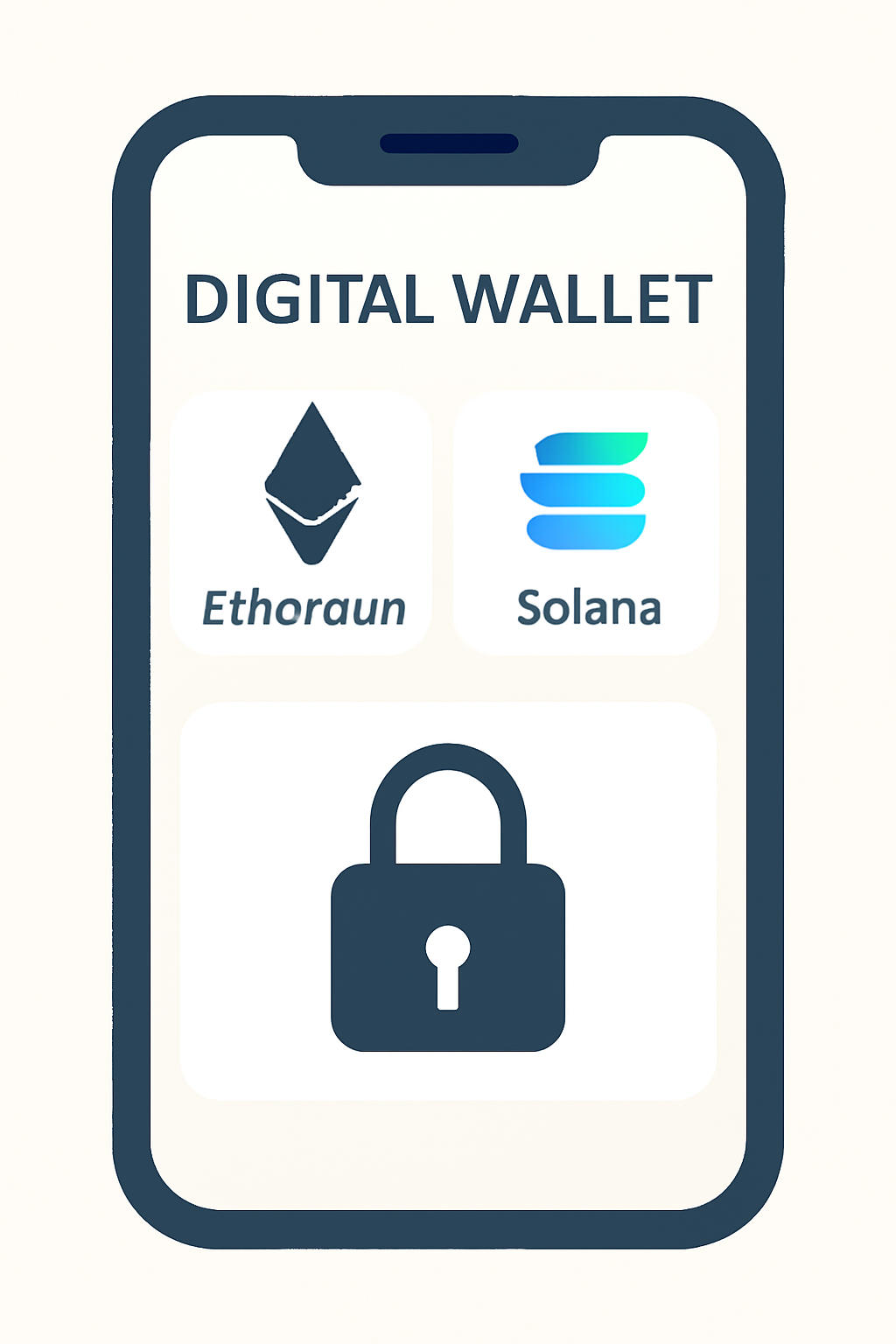
Your choice of blockchain will impact transaction fees, speed, and marketplace compatibility. Ethereum remains dominant but can be costly; Polygon and Solana offer faster speeds and lower fees, making them ideal for first-time users. After setting up a digital wallet (MetaMask for Ethereum/Polygon or Phantom for Solana), purchase a small amount of cryptocurrency (ETH, MATIC, or SOL) to cover minting costs.
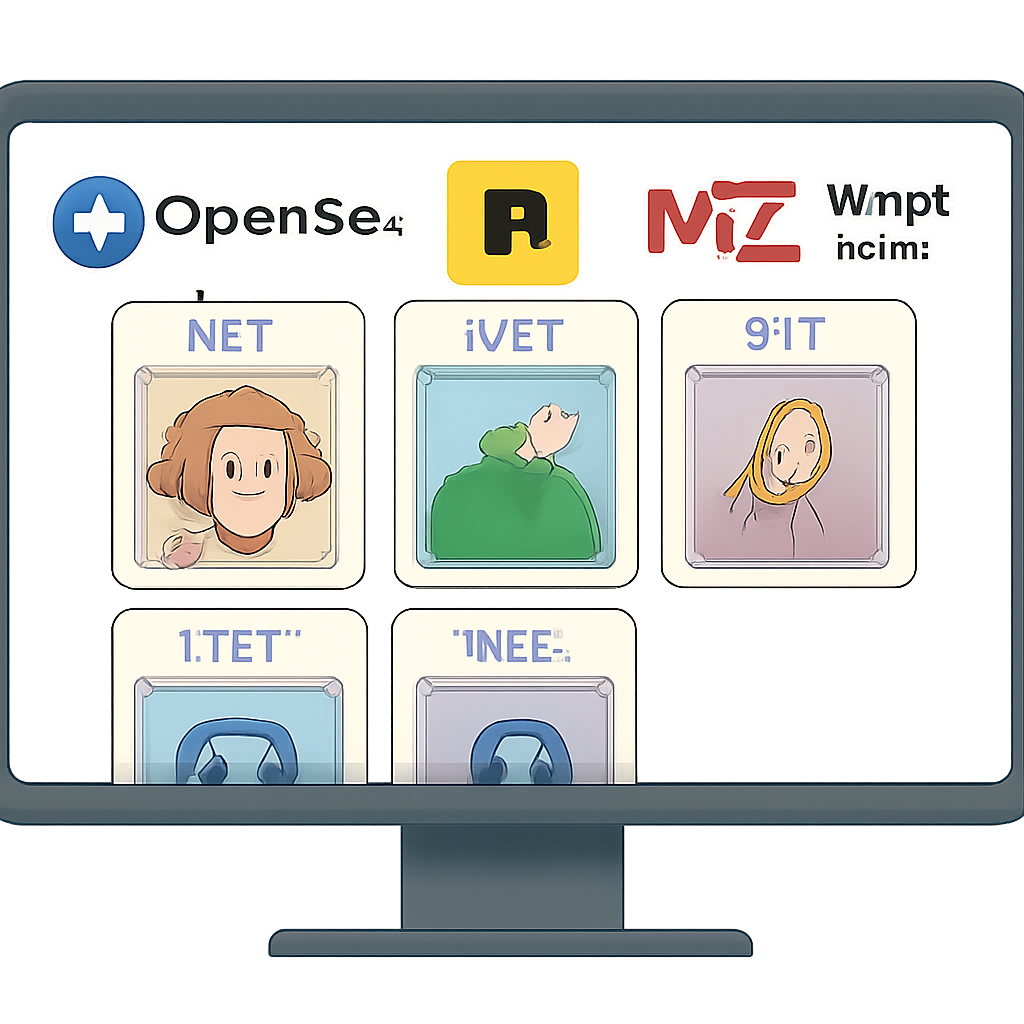
Selecting where to mint is equally important. Platforms like OpenSea (Ethereum/Polygon), Rarible (multi-chain), and Magic Eden (Solana) all support trading card NFTs - but specialist sites like Collector Crypt go further by physically vaulting your submitted cards and issuing NFTs directly linked to those assets. This ensures ironclad authenticity and peace of mind for buyers.
Top 5 Platforms for Tokenizing Pokémon Cards as NFTs
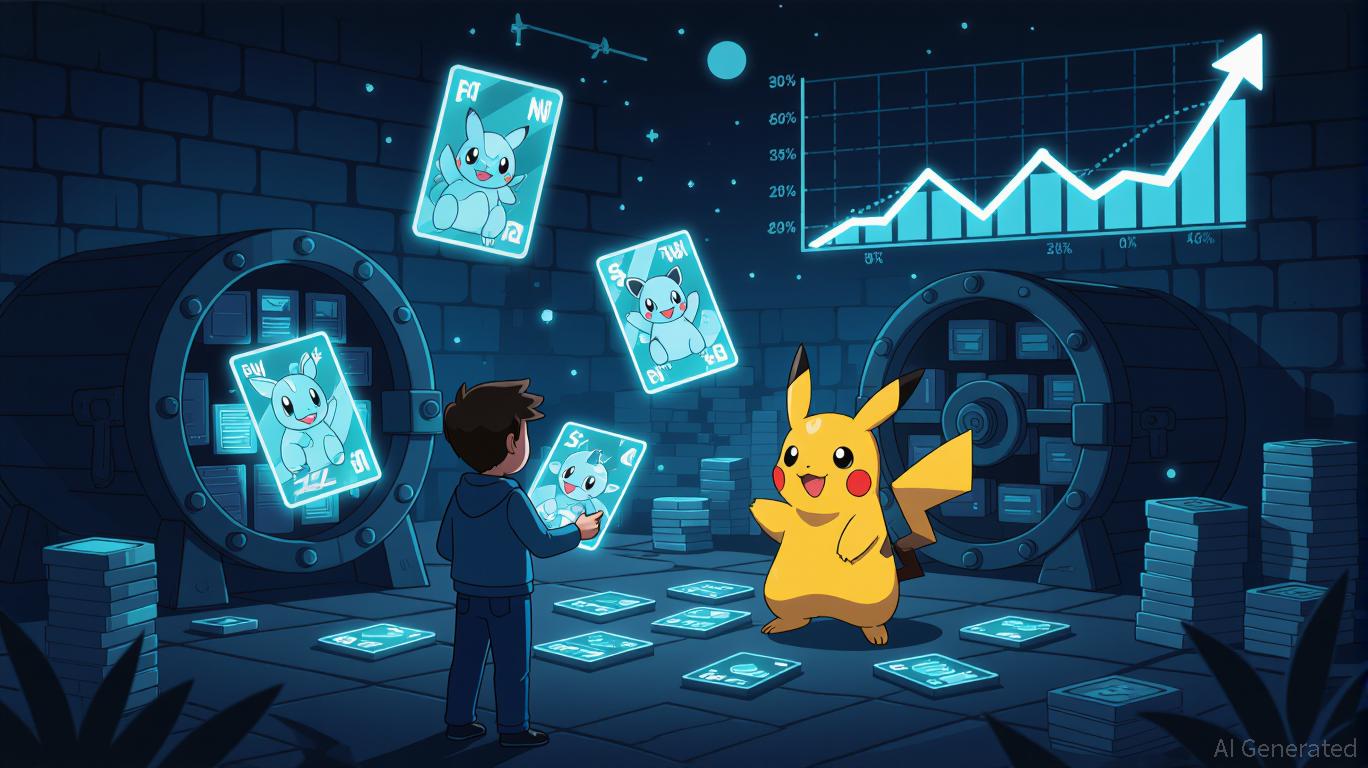
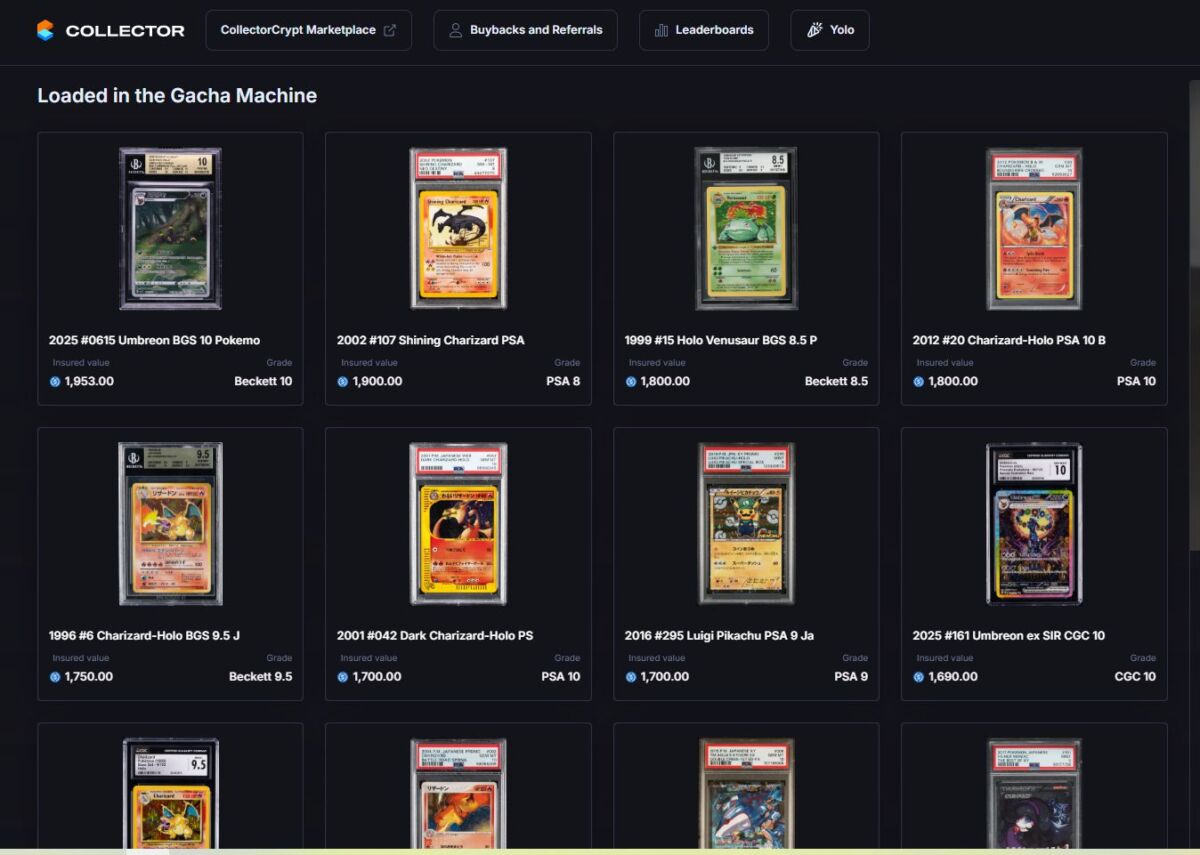
- Collector Crypt: Specializes in tokenizing physical Pokémon cards by securely vaulting them and issuing NFTs as proof of ownership. Features a gacha vending machine, open market trading, and a buyback mechanism. Pros: Direct link to physical cards, robust trading features, growing user base. Cons: Requires sending cards to their vault, limited to supported card types.
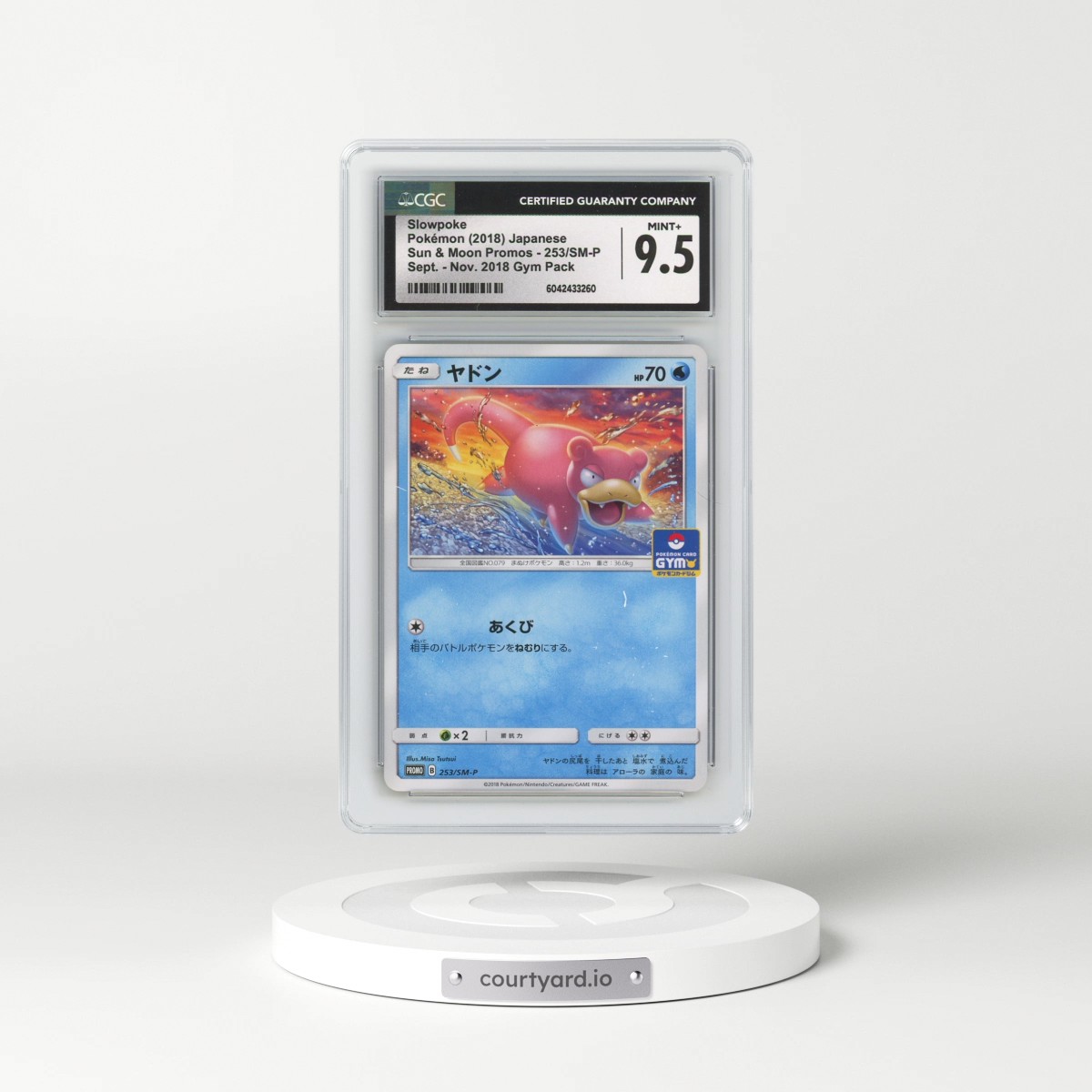
- Courtyard: Enables users to tokenize and trade physical collectibles, including Pokémon cards, via NFTs backed by assets held in secure vaults. Pros: Institutional-grade security, insurance coverage, and transparent asset tracking. Cons: Service fees apply, only available in select regions.
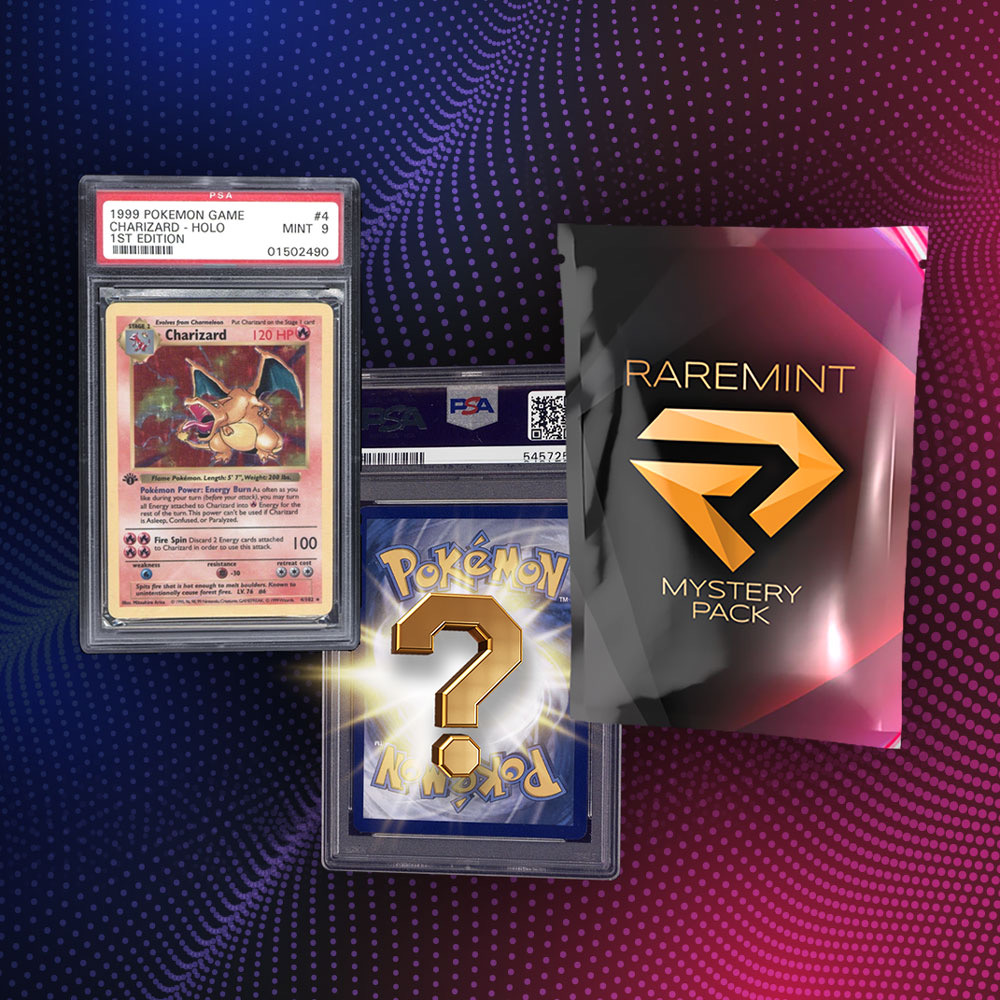
- OpenSea: The largest NFT marketplace, supporting tokenization of digital Pokémon card images as NFTs on Ethereum and Polygon. Pros: Massive user base, multi-chain support, high liquidity. Cons: No built-in vaulting or physical asset linkage—users must arrange physical storage and verification separately.
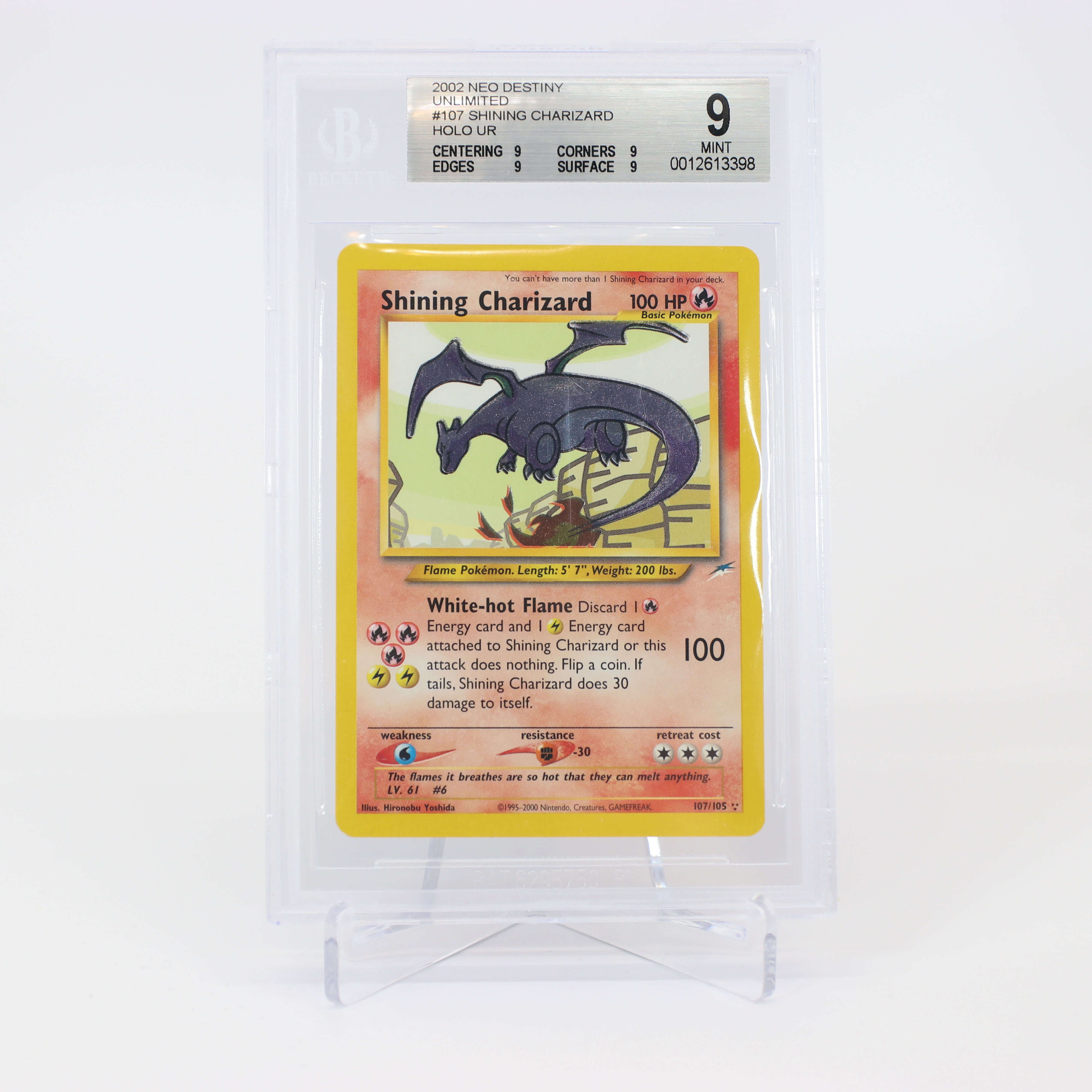
- Rarible: A user-friendly NFT platform that allows minting and trading of Pokémon card NFTs across several blockchains. Pros: Easy-to-use interface, customizable royalties, supports Ethereum, Polygon, and more. Cons: Lacks integrated physical asset vaulting, so authenticity and delivery are managed by users.
- Magic Eden: A leading Solana-based NFT marketplace, popular for trading digital collectibles including Pokémon-themed NFTs. Pros: Fast transactions, low fees, strong Solana community. Cons: Focused on digital assets—physical card linkage requires manual coordination.

Digitizing Your Cards: The Foundation of Authentic NFTs
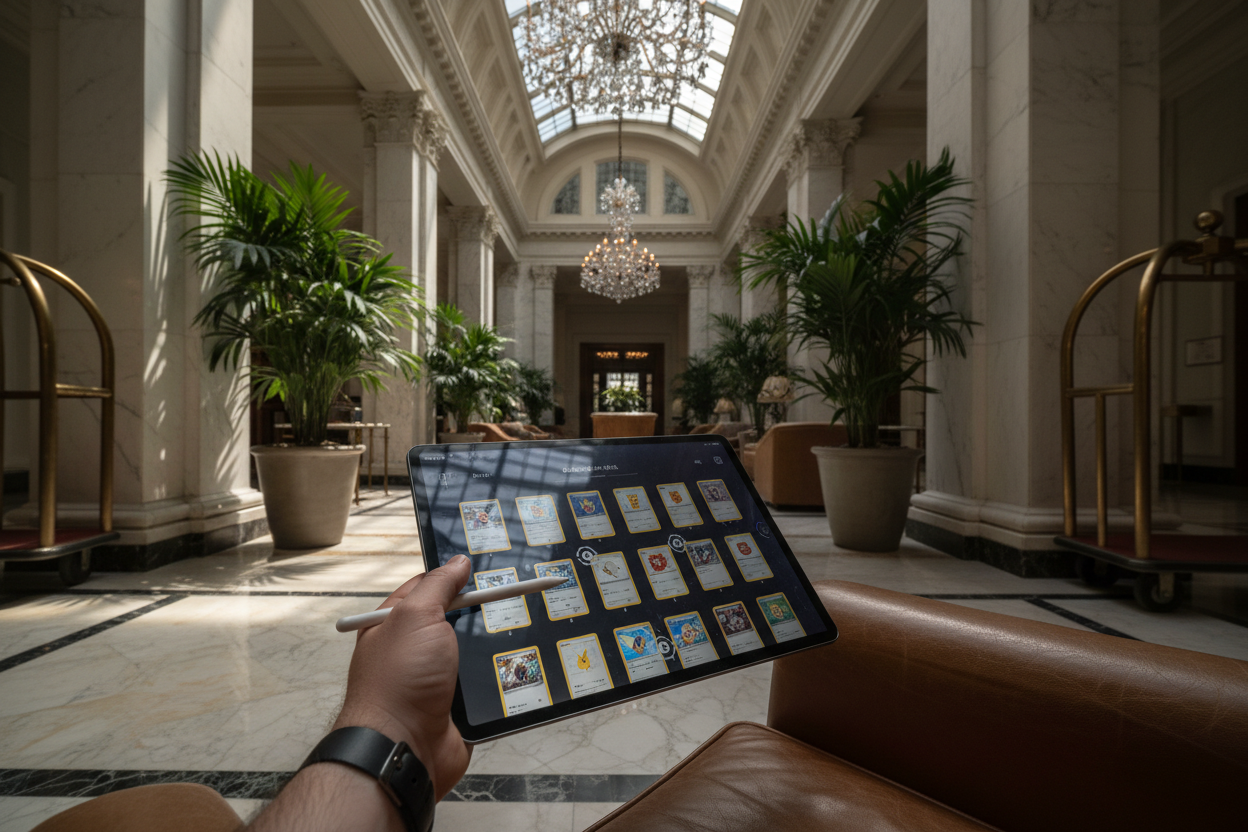
The first technical step is creating high-quality images or scans of each Pokémon card you wish to tokenize. Use neutral backgrounds and consistent lighting; flaws or poor image quality can undermine perceived value on digital marketplaces. When uploading these files during the minting process, always add detailed metadata - including edition, condition, serial number, grading info if available, and any unique features that set your card apart from others.
This metadata not only attracts serious buyers but also underpins the verifiable link between your NFT and the underlying physical asset held in secure storage by platforms like Collector Crypt or tcgonchain. com.
Ensuring Security, Authenticity, and Compliance
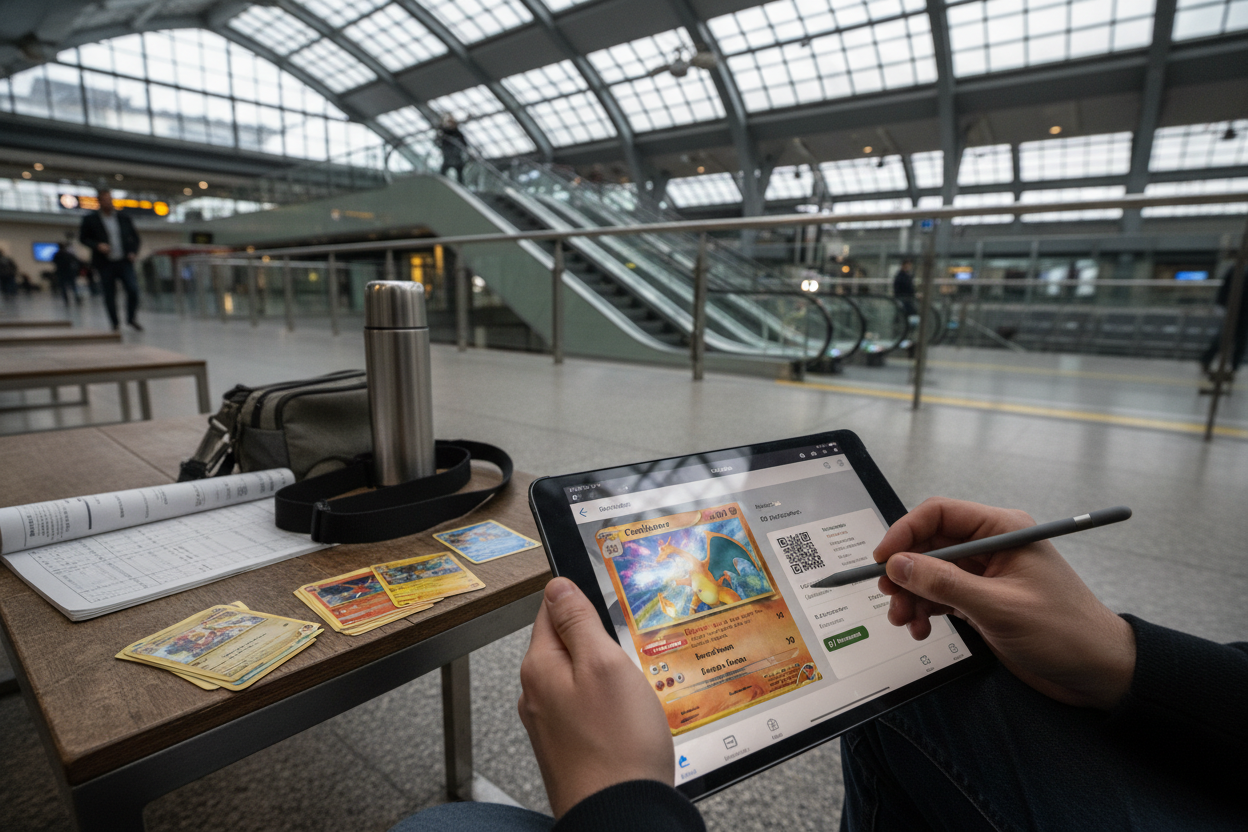
Security is the backbone of the tokenization process. Trusted platforms employ robust custody solutions, often utilizing third-party vaults with insurance to protect your physical Pokémon cards. The NFT itself is only as valuable as the confidence collectors have in its link to the underlying asset. This is why best-in-class providers integrate unique identifiers, such as serial numbers, holographic seals, or QR codes, directly into both the physical card and its NFT metadata. These steps create a tamper-proof bridge between digital and real-world ownership.
Legal compliance cannot be ignored. As trading card RWAs gain traction, regulatory frameworks are evolving. Always verify that your chosen marketplace operates transparently and adheres to local digital asset laws. Some platforms require KYC (Know Your Customer) verification to deter fraud and support secure transactions.
Maximizing Value: Listing, Pricing, and Promotion Strategies
Once your Pokémon card NFT is minted and verified, it’s time to list it for sale or trade. Setting an appropriate price requires research, review recent sales of similar cards on both traditional auction sites and NFT marketplaces. Consider rarity, grading (e. g. , PSA 10), edition, and unique traits documented in your NFT’s metadata.
Promotion is critical in this new era of crypto trading cards. Leverage social media platforms like Twitter and Discord to showcase your listings. Engaging with NFT collector communities can dramatically increase visibility and attract premium buyers willing to pay for authenticated, tokenized assets.
Creative Ways to Market Pokémon Card NFTs
- Leverage Collector Crypt’s Gacha Vending Machine: Use Collector Crypt’s popular gacha vending machine to feature your Pokémon card NFTs in randomized drops, tapping into the excitement of surprise pulls and attracting collectors seeking rare finds.
- Host Live Unboxings on Social Media: Stream live unboxing events on platforms like Twitch, YouTube, or Twitter Spaces to showcase the physical Pokémon cards behind your NFTs, building hype and trust among potential buyers.

- Collaborate with Influential NFT Collectors: Partner with well-known NFT influencers or Pokémon TCG content creators to review, showcase, or even give away your tokenized cards, leveraging their audiences for greater reach.

- Utilize OpenSea’s Featured Collections: Apply to have your Pokémon card NFT collection featured on OpenSea’s homepage or curated lists, increasing visibility to millions of active NFT buyers.
- Engage in Themed NFT Drops: Organize limited-time, themed NFT drops (e.g., "Legendary Pokémon Week") on platforms like Magic Eden or Rarible, creating urgency and excitement around your listings.

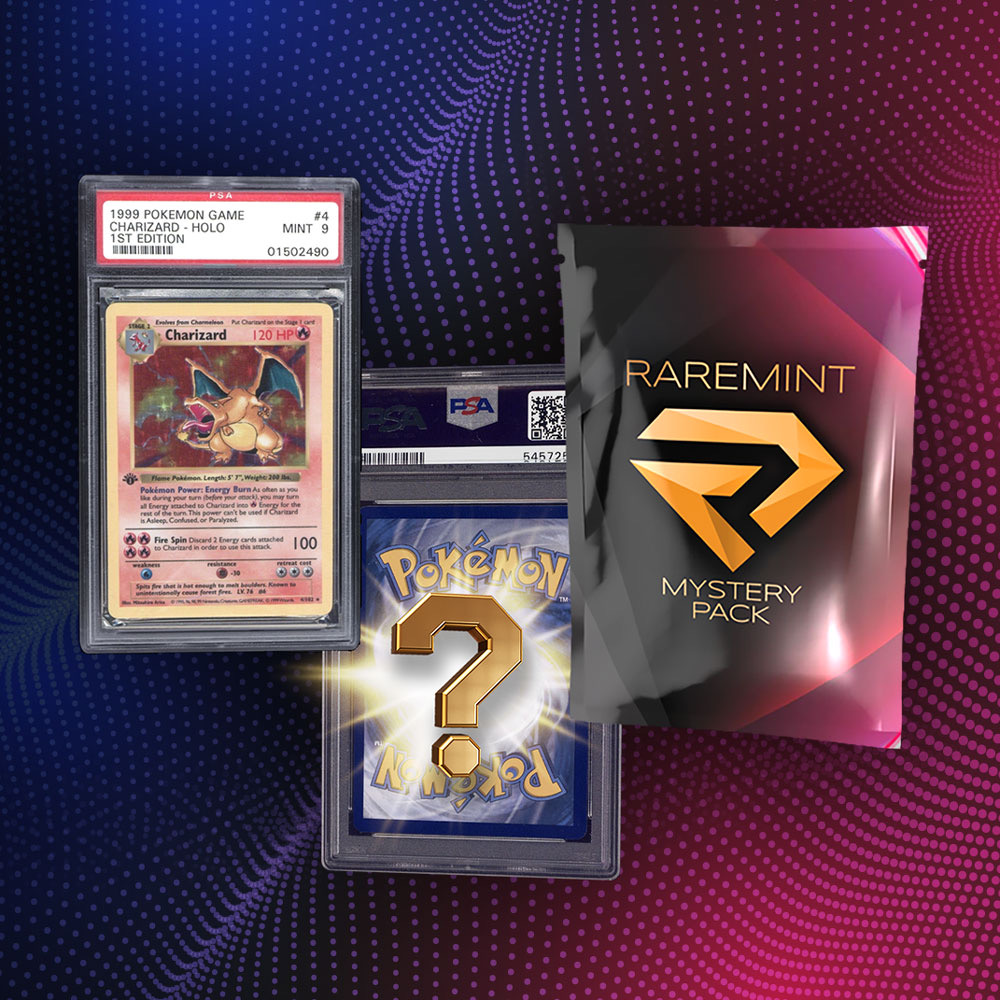
- Offer Physical Redemption or Buyback Options: Promote your NFTs with the option for buyers to redeem the physical card or participate in buyback programs, a feature supported by platforms like Collector Crypt, to add tangible value and trust.
- Join and Engage in NFT & Pokémon Communities: Actively participate in Discord servers, Reddit threads (like r/CryptoCurrency), and Twitter Spaces dedicated to NFTs and Pokémon, sharing your listings and insights to build organic interest.
- Highlight Vault Security and Authenticity: Emphasize that your NFTs are backed by real cards held in secure vaults (as practiced by Collector Crypt), and showcase certificates of authenticity to reassure buyers.
Managing Sales: Delivery, Transfers, and Record-Keeping
After a successful sale on your chosen marketplace, two parallel processes unfold: transferring the NFT on-chain and delivering the physical card off-chain. Most leading platforms automate the digital transfer instantly once payment is confirmed. For physical delivery, use tracked shipping with insurance, document every step for both parties’ peace of mind.
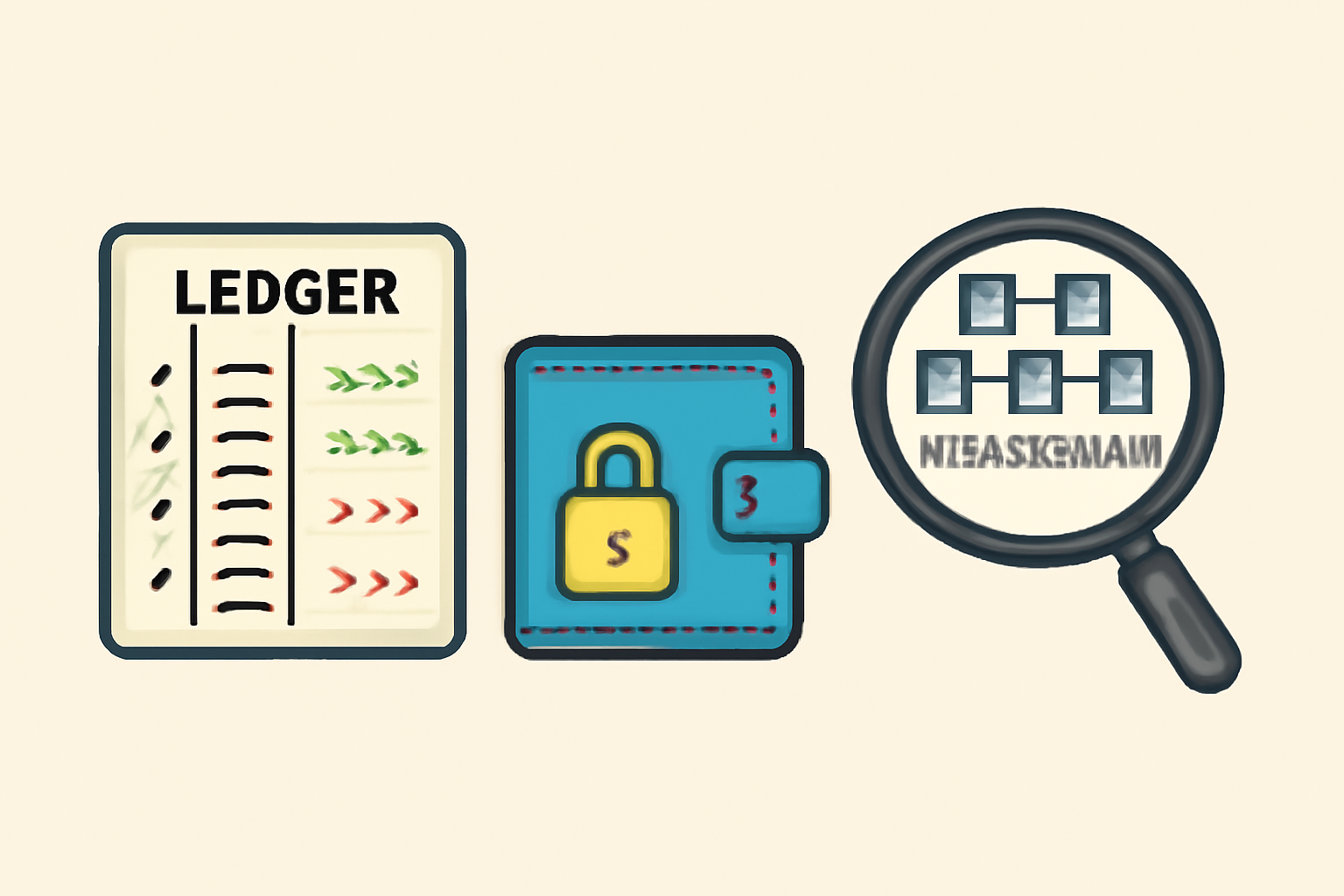
Maintaining meticulous records is not just good practice, it’s essential for tax reporting and future audits. Keep copies of blockchain transaction hashes, shipping receipts, delivery confirmations, and any communication related to the transaction.
The Future of Pokémon Card NFTs: Trends and Opportunities
The tokenization boom has established Pokémon cards as a new breed of digital-native collectibles. With $124.5 million already circulating in tokenized markets according to recent data, liquidity is deepening rapidly, and specialist tokens like $CARDS are fueling ecosystem growth through innovative features such as buyback mechanisms or gacha vending machines.
Looking ahead, we expect further integration between physical collectibles and DeFi protocols, think fractionalization of high-value cards or using Pokémon card NFTs as collateral for crypto loans. Platforms like tcgonchain. com are at the forefront of this evolution by enabling seamless onboarding for traditional collectors into web3 ecosystems.
Key Takeaways for Collectors Entering Crypto Trading Cards
- Choose reputable platforms: Prioritize security-verified vaulting services with transparent provenance tracking.
- Document everything: High-quality images, detailed metadata, shipping records, all crucial for trust and value retention.
- Engage with communities: Network with other collectors on Discord or Twitter to stay ahead of trends in Pokémon card NFTs.
- Monitor market prices: Use real-time data widgets to track demand for specific cards or tokens like $CARDS within this fast-evolving sector.
If you’re ready to tokenize your collection or want more technical details on each step, from digitization through secure delivery, visit our full guide at How to Tokenize Your Pokémon Cards as NFTs: Step-by-Step Guide for Collectors.


No comments yet. Be the first to share your thoughts!