
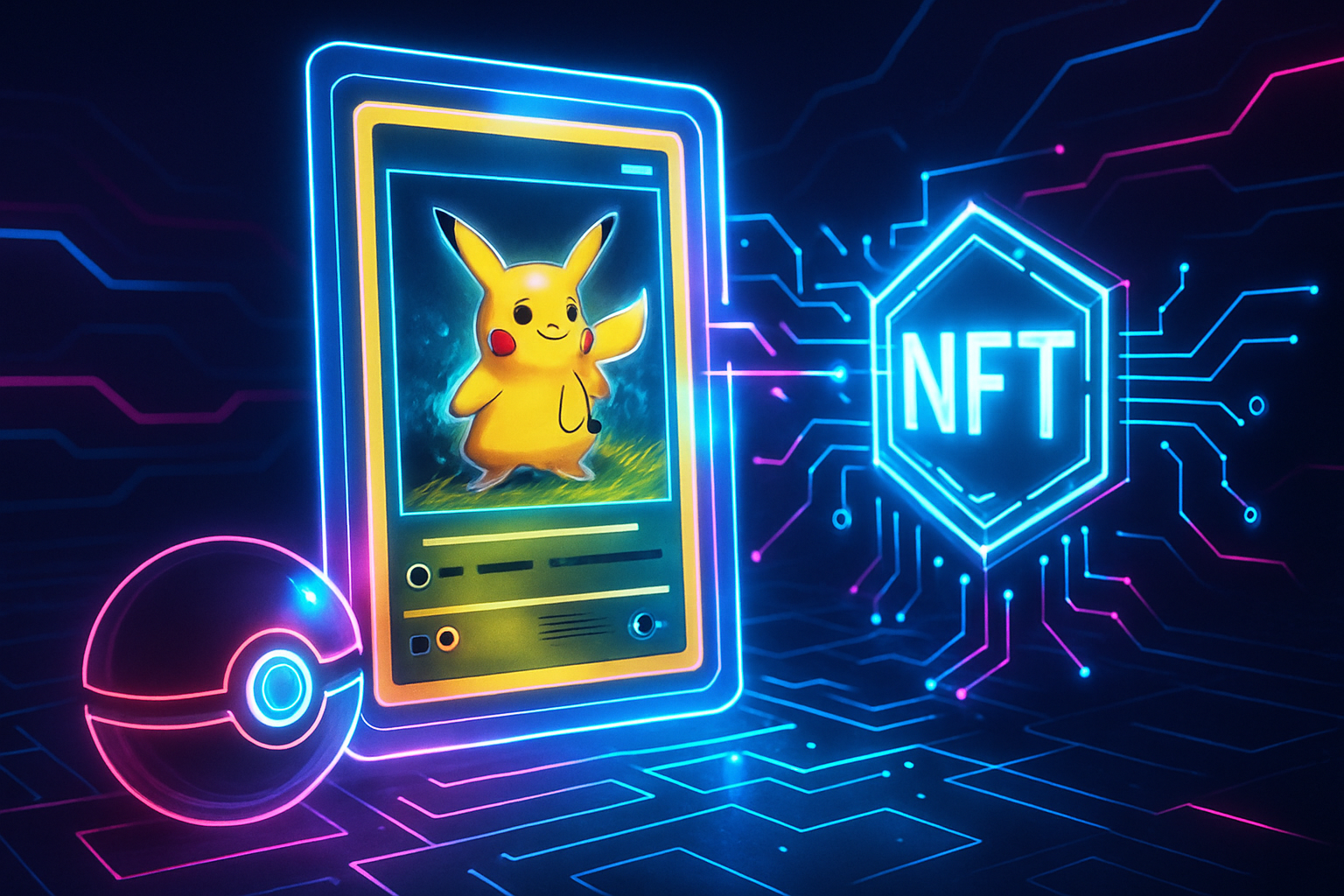
Tokenizing physical Pokémon cards as NFTs is redefining how collectors buy, sell, and own their favorite trading cards. By bridging the gap between tangible collectibles and blockchain technology, this process not only ensures authenticity but also opens up global trading without the usual risks of shipping or fraud. If you’ve ever wondered how to turn your prized Charizard or rare holo into a digital asset, this guide will walk you through each critical step, while keeping security and value at the forefront.
Understanding Tokenized Pokémon Cards: The New Era of Collecting
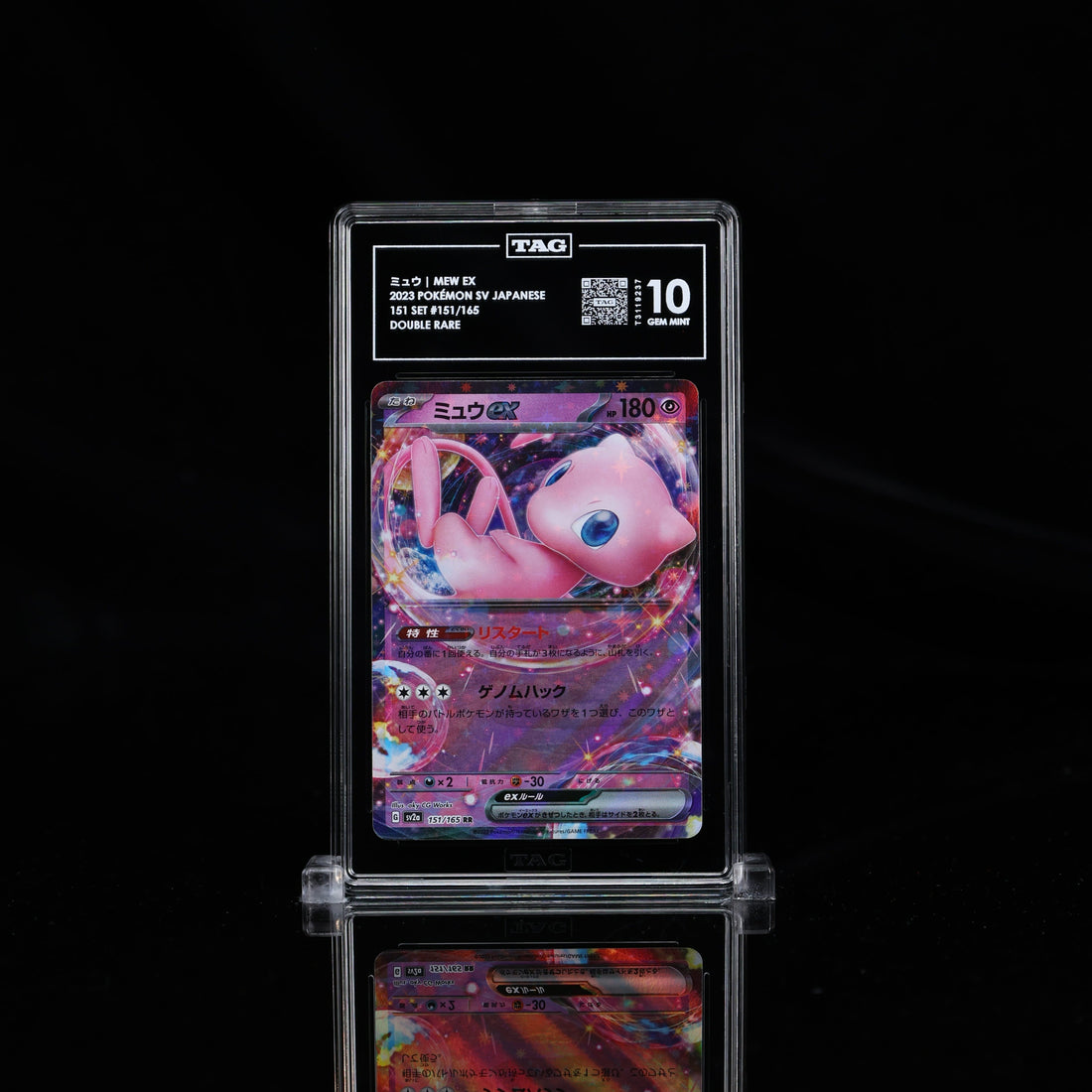
Tokenized Pokémon cards are NFTs (non-fungible tokens) that represent real, physical trading cards stored in secure vaults. Projects like Collector Crypt have made headlines by letting users send in their physical cards to be professionally authenticated and stored, then issuing an NFT that acts as proof of ownership on the blockchain. These NFTs can be traded instantly online; if you want the actual card back, you simply burn (destroy) the NFT to claim it from custody.
This innovation has fueled explosive growth in the market. According to recent reports, tokenized Pokémon cards have reached $124.5 million in transaction volume, with platforms like Collector Crypt and Courtyard Marketplace leading the charge. The $CARDS token associated with these projects has also surged as traders recognize the value of verifiable ownership and global liquidity.
Selecting and Preparing Your Cards for Tokenization
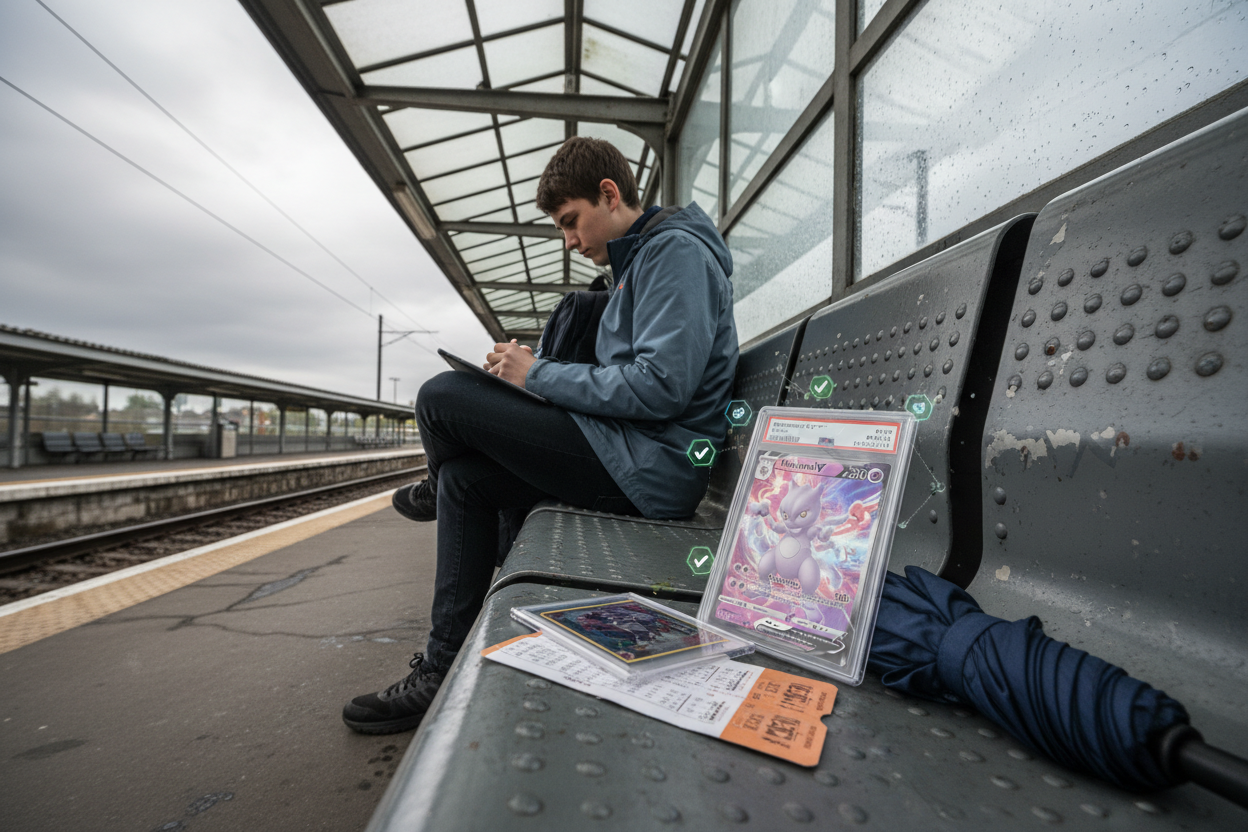
The journey begins with choosing which Pokémon cards you want to tokenize. Focus on those that are rare or have significant collector demand, think 1st Edition holos or tournament promos. Next comes authentication: professional grading by trusted services such as PSA or Beckett dramatically increases both credibility and value by certifying condition and authenticity.
Top 5 Pokémon Cards Collectors Tokenize Most
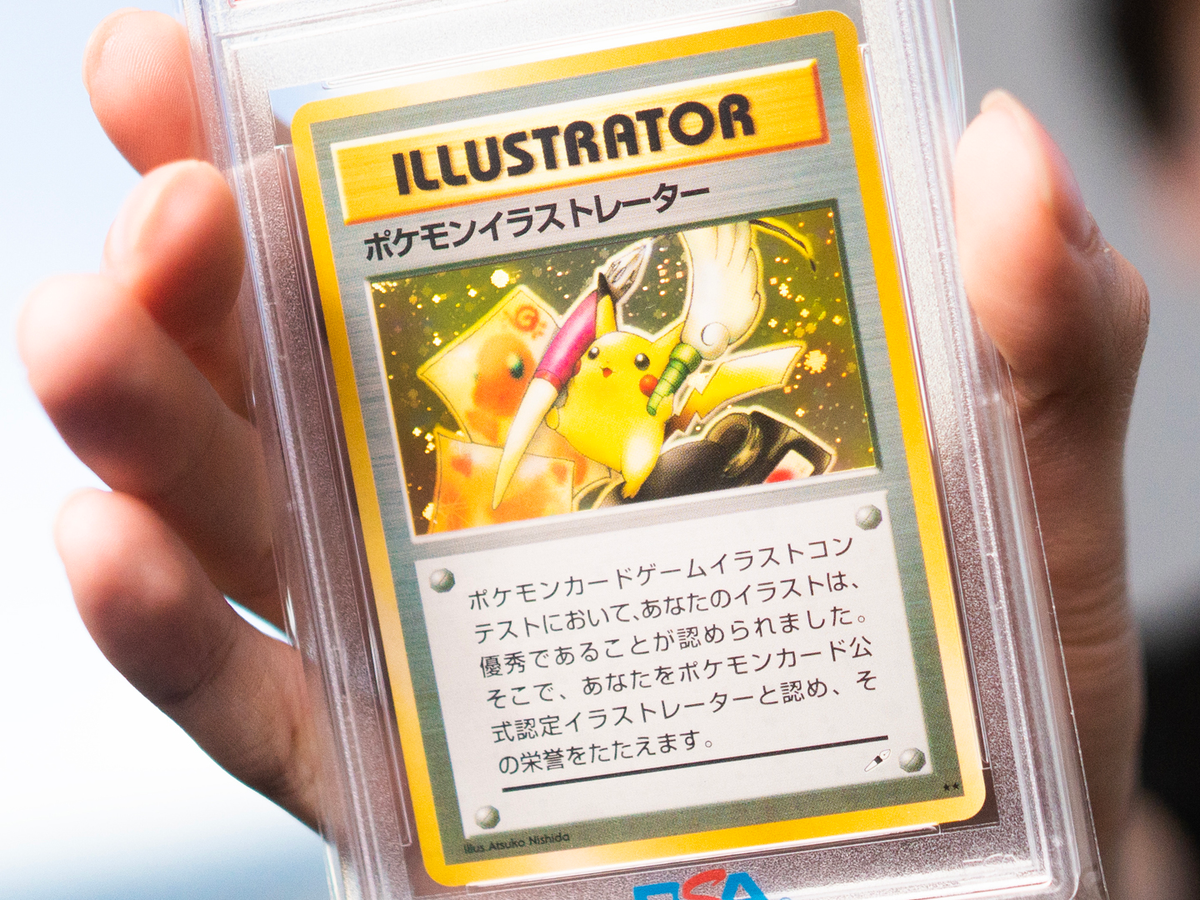
- Pikachu Illustrator (1998): Widely regarded as the holy grail of Pokémon cards, this ultra-rare promo was awarded to winners of a Japanese illustration contest. Its scarcity and iconic status make it a prime candidate for tokenization.
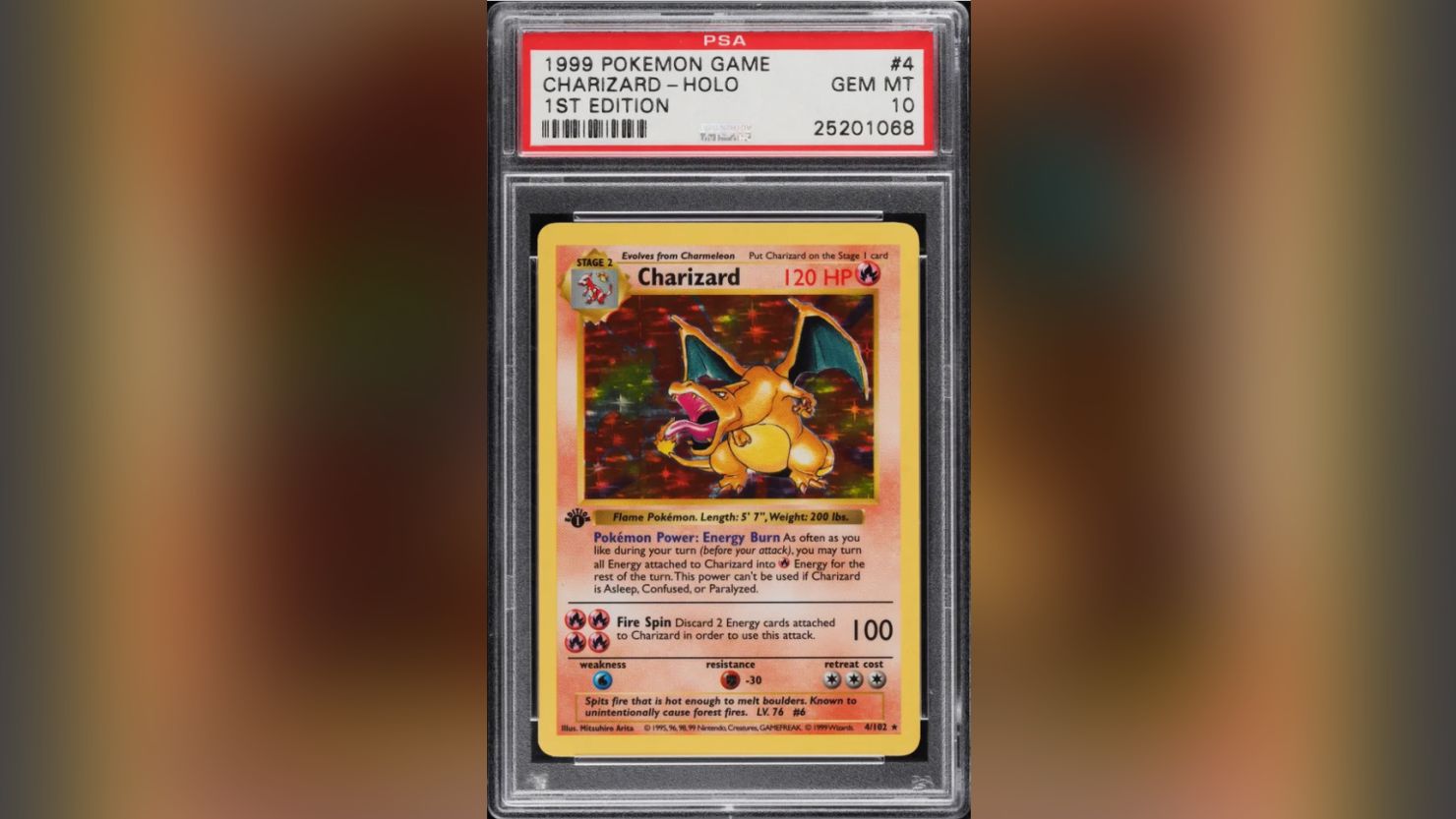
- 1st Edition Charizard (Base Set, 1999): The 1st Edition Holo Charizard is legendary for its fiery artwork and high demand among collectors. Tokenizing this card offers digital proof of ownership for one of the most recognized cards in the hobby.
- Trophy Pikachu Trainer Cards: Awarded at the earliest Pokémon tournaments, these Gold, Silver, and Bronze Pikachu Trophy cards are among the rarest and most valuable, making them highly sought after for NFT tokenization.
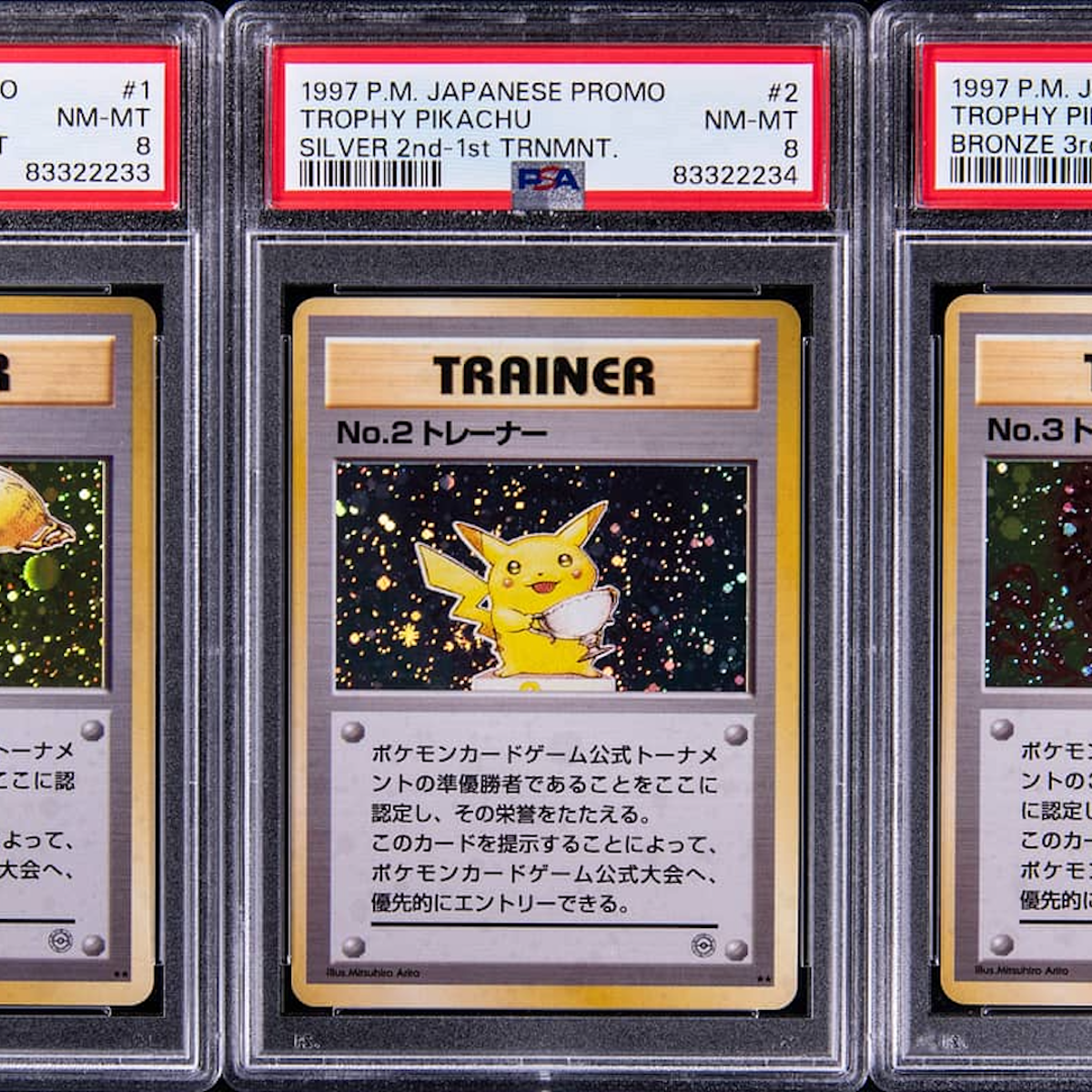
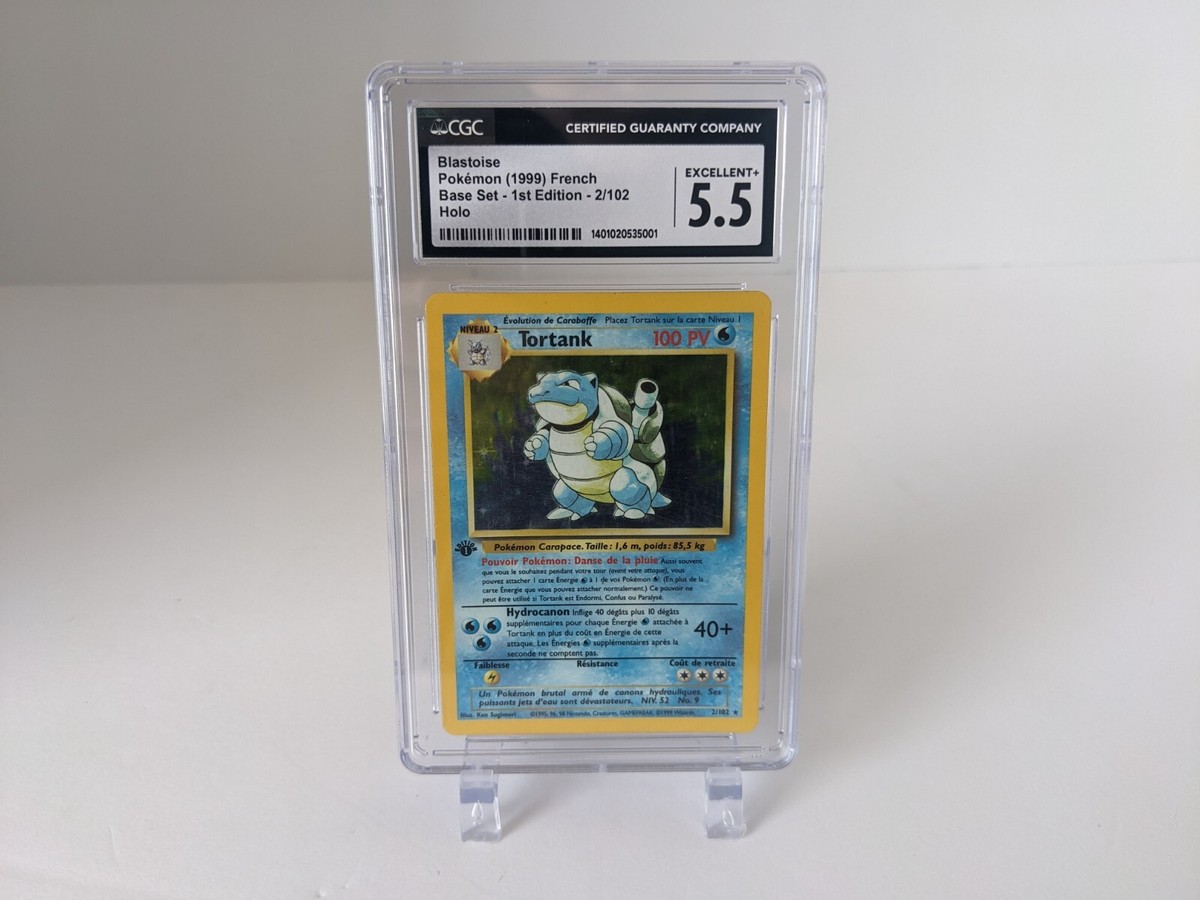
- Shadowless Blastoise (Base Set, 1999): The Shadowless variant of Blastoise is prized for its rarity and historical significance. Tokenizing graded versions of this card preserves its value and authenticity digitally.
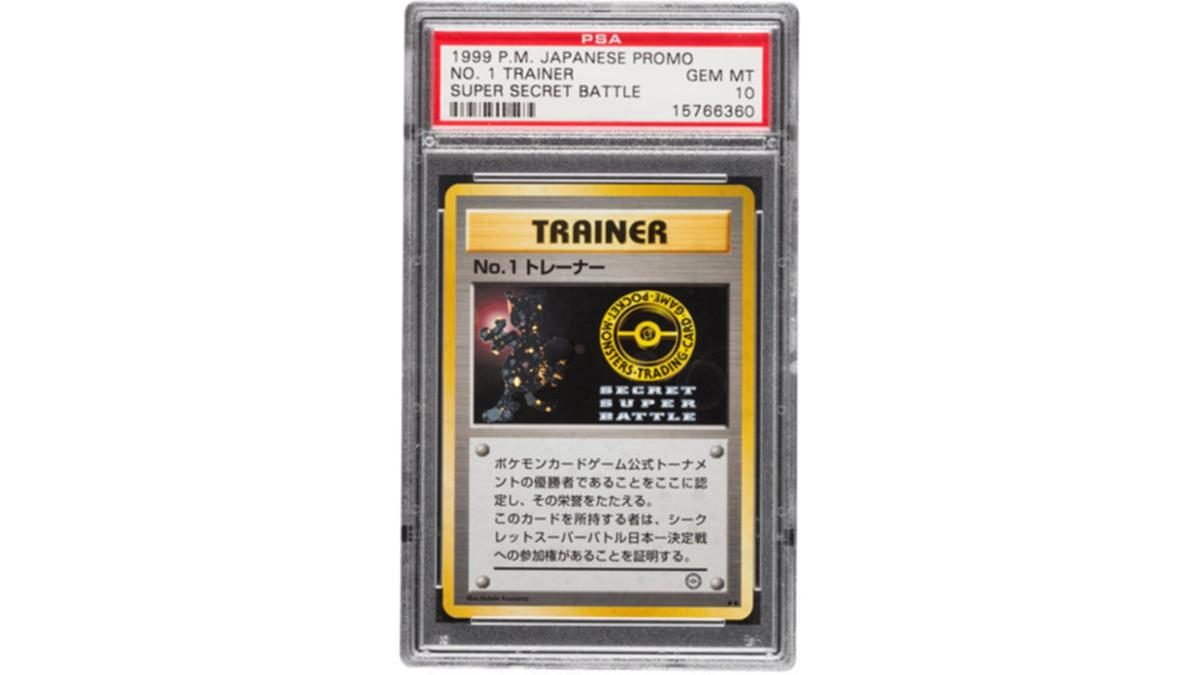
- 1999 Super Secret Battle No. 1 Trainer: This exclusive card was given to finalists of the 1999 Super Secret Battle tournament in Japan. Its extreme rarity and lore make it a top target for collectors entering the NFT space.
Once authenticated, create high-quality digital records of your card:
- Photographs: Crisp images of both front and back under good lighting
- Videos: Short clips showing edges, holo patterns, or unique features
- 3D Scans: For premium listings, immersive scans give buyers a full view
This digital documentation will become part of your NFT’s metadata, essential for transparency and trust on platforms like OpenSea or Rarible.
Choosing Blockchain Platforms and Understanding Smart Contracts
The next step is selecting where your NFTs will live. Ethereum remains popular due to its robust infrastructure but comes with higher transaction (gas) fees. Polygon offers lower fees with Ethereum compatibility; Binance Smart Chain is fast and cost-effective; Solana is gaining traction for speed and low fees among NFT creators.
Your NFT’s security hinges on smart contracts, the self-executing code that governs ownership transfer, authentication linkage, and more. These contracts should clearly define:
- How ownership is verified
- The process for transferring both NFT and physical card rights
- The permanent link between digital token and real-world asset (RWA)
If coding isn’t your strength, consider hiring a reputable blockchain developer to ensure your contract is airtight, security here protects both your investment and buyer confidence.
Minting Your Physical Trading Card NFTs: Step-By-Step Essentials
With assets ready and platform selected, it’s time to mint:
- Connect your wallet: Use MetaMask or another trusted wallet compatible with your chosen chain.
- Upload digital assets: Add images/videos/scan files along with detailed metadata (card name, set number, grade).
- Confirm smart contract details: Double-check everything before finalizing.
- Pay gas/transaction fees: Be aware these can fluctuate based on network activity, Ethereum often costs more than Polygon or Solana.
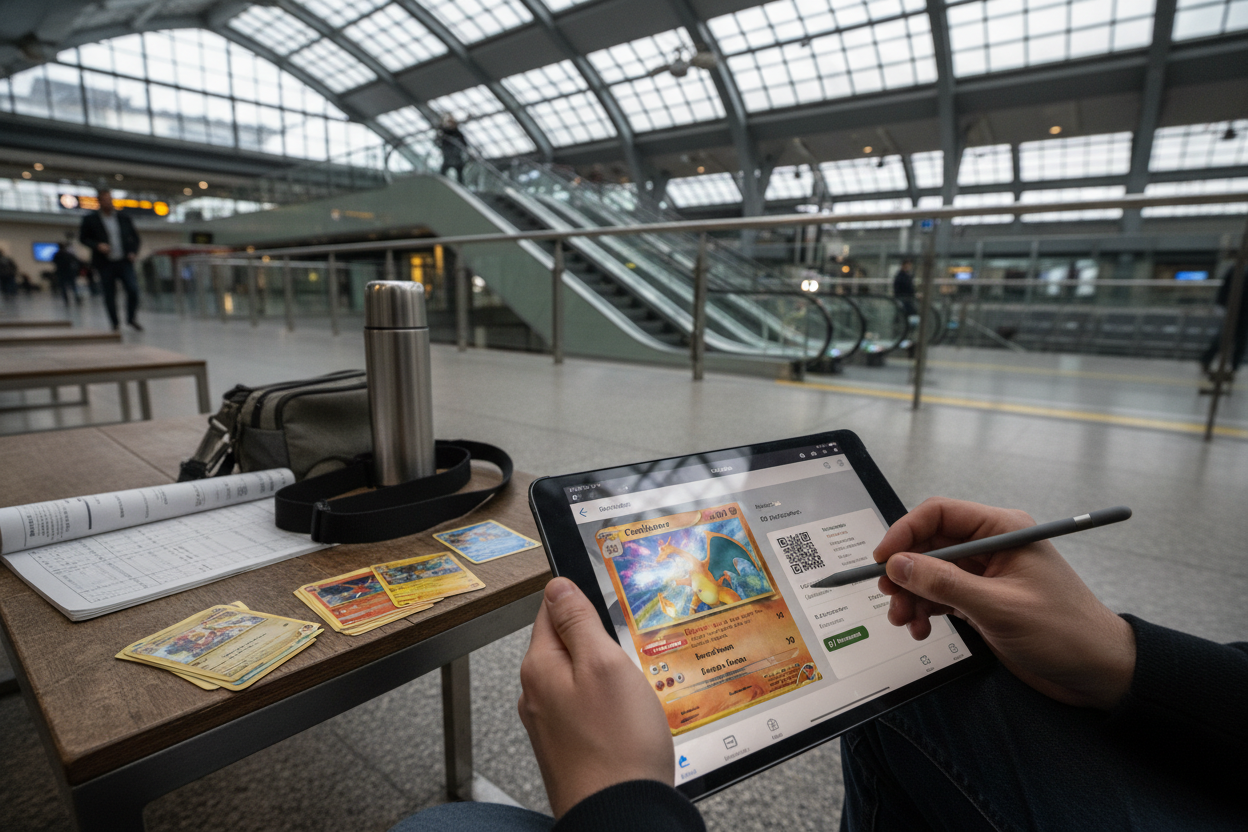
- Create unique identifiers: Attach QR codes or NFC tags physically linking each card to its corresponding NFT for maximum security.
This process creates an immutable record tying your physical collectible directly to its digital twin, a powerful tool against counterfeiting while enabling seamless global trade.
Once your Pokémon card NFT is minted, the next step is to ensure its connection to the physical asset is both secure and transparent. This is where unique identifiers such as QR codes or NFC tags come into play. These identifiers are affixed to the physical card or its graded slab, providing a scannable link between the real-world collectible and its digital representation. This system not only deters fraud but also reassures buyers of the card’s authenticity and custody status.
Listing, Trading, and Redeeming Tokenized Pokémon Cards
With your NFT live on the blockchain, you’re ready to list it on a marketplace. Platforms like OpenSea, Rarible, and Mintable support Pokémon card NFTs and offer global exposure to collectors and investors. When listing your NFT, include all essential metadata: card details, grading information, high-res images, and a description of its provenance.
Trading tokenized Pokémon cards is fast and borderless. Buyers can instantly purchase or bid on your NFT using crypto wallets. The marketplace handles escrow and transfer of digital ownership automatically via smart contracts. If the new owner wishes to claim the physical card, they initiate a redemption process: burning (destroying) the NFT on-chain triggers release of the physical card from vault custody for secure shipping.
This burn-to-redeem model has become standard across leading platforms like Collector Crypt and Courtyard Marketplace because it guarantees that only one party ever holds both digital rights and physical possession at any time, eliminating double-spending risks entirely.
Security Best Practices for Tokenizing Physical Trading Cards
Security is paramount in tokenizing physical trading cards as NFTs. Here’s how to protect yourself:
- Use reputable custodial services: Only trust platforms that provide insured vault storage with transparent audit trails.
- Authenticate before you tokenize: Cards should always be graded by PSA, Beckett, or equivalent services prior to minting.
- Double-check smart contract code: If deploying your own contract, work with experienced blockchain developers who understand RWA linkage.
- Maintain off-chain records: Keep copies of grading certificates and transaction receipts for future reference or dispute resolution.
The combination of blockchain transparency and third-party authentication makes fraud far less likely than in traditional marketplaces. Still, vigilance remains key, never cut corners when it comes to verification or documentation.
The Future of Blockchain Pokémon Cards and Real-World Asset (RWA) Collecting
The rapid growth in this sector provides $124.5 million in transaction volume as of late 2025, signals that tokenized trading cards are more than just a novelty. They’re reshaping collector behavior by making rare assets liquid globally while preserving authenticity at every step. The surge in $CARDS token value reflects this newfound confidence from both crypto natives and traditional collectors entering the space.
The ability to buy, sell, trade, or even fractionalize, high-value cards without ever worrying about shipping damage or counterfeiting represents a paradigm shift for hobbyists worldwide. As more platforms introduce advanced features like gacha vending machines or instant buyback guarantees (as seen on Collector Crypt), expect further innovation at the intersection of collectibles and DeFi.
If you’re ready to tokenize your collection, or start investing in blockchain Pokémon cards, remember: authenticity comes first, security is non-negotiable, and transparency benefits everyone involved. By following best practices outlined above and leveraging trusted platforms like Collector Crypt or Courtyard Marketplace, you can safely bridge the gap between tangible nostalgia and cutting-edge technology.

No comments yet. Be the first to share your thoughts!