
Tcg on-chain limits to account for
The shift to on-chain trading card games introduces a strict technical requirement: every card in play must be provably owned by the player at that exact moment. Unlike traditional digital collectibles where ownership is recorded in a central database, on-chain TCGs rely on blockchain verification. This means you cannot simply "use" a card; you must demonstrate possession through a cryptographic transaction.
This constraint fundamentally changes how players interact with their decks. Imagine trying to play a physical card game where, before every turn, you had to mail proof of ownership to your opponent. On-chain, this proof is instantaneous but mandatory. If a card is locked in a wallet, listed on a marketplace, or staked in a protocol, it cannot be used in a match until it is transferred back to the active player’s wallet.
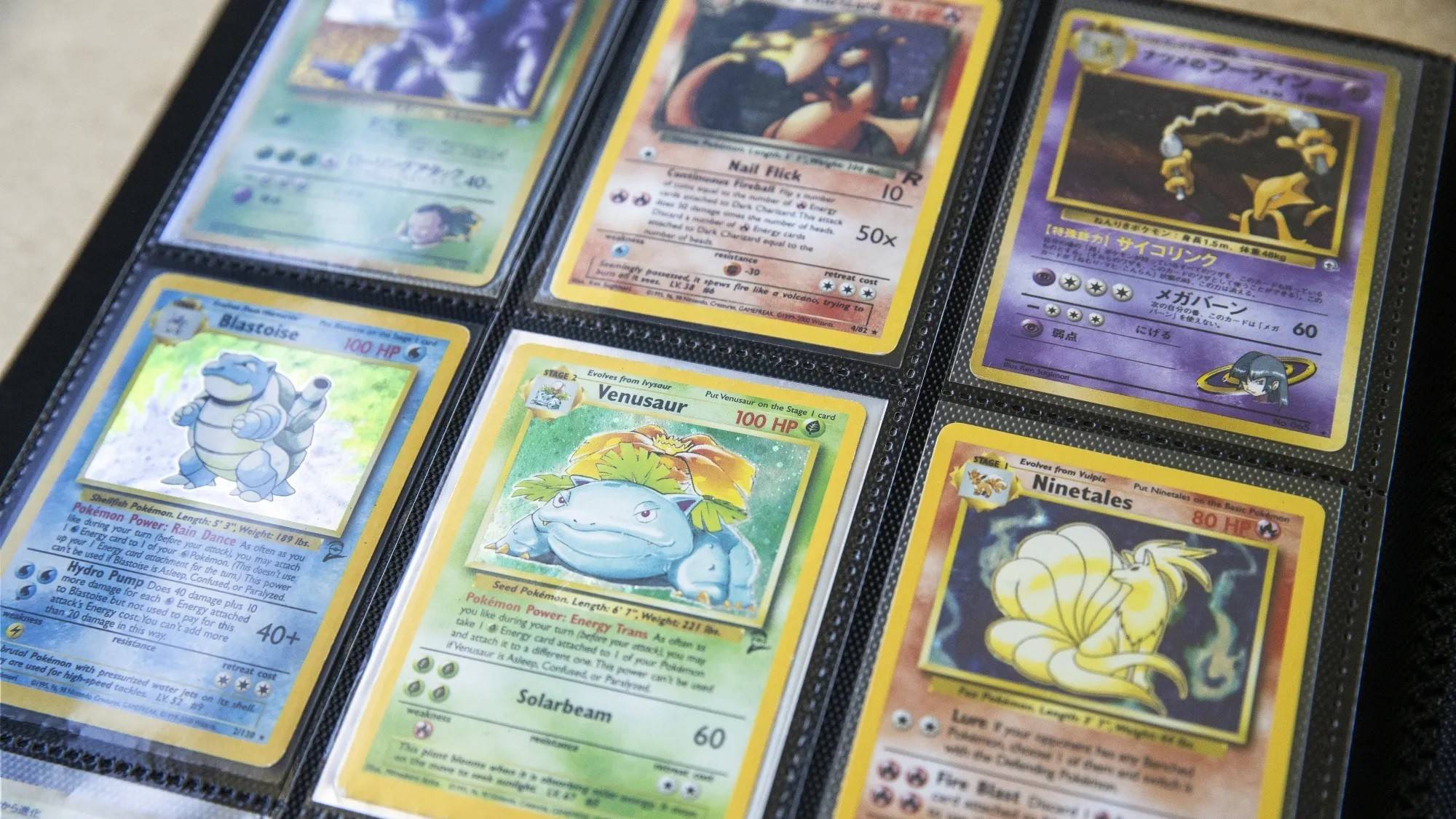
The primary benefit of this system is verifiable provenance and liquidity. Tokenized cards are digital representations of physical assets mapped to blockchain tokens, offering a transparent history of ownership. This transparency can drive secondary market values, as buyers can verify authenticity and rarity instantly. However, the tradeoff is friction. The necessity of constant wallet management and transaction fees can slow down gameplay and create barriers to entry for casual players who are not accustomed to decentralized finance workflows.
Tcg on-chain choices that change the plan
Moving a trading card game onto the blockchain introduces a fundamental tension between verifiable ownership and gameplay friction. While tokenized cards offer enhanced liquidity and immutable provenance, they require players to constantly prove asset custody on the ledger. This shift transforms collectibles into active digital assets that must satisfy smart contract conditions before each turn.
Evaluating these tradeoffs requires looking beyond the hype of digital scarcity. The real cost lies in the mechanical overhead imposed on the game loop. Below is a breakdown of the concrete factors that determine whether an on-chain TCG model serves the player or merely the speculator.
Ownership Verification vs. Turn Speed
In traditional digital TCGs, the server validates card ownership instantly. On-chain, every card in play must be proven to belong to the player’s wallet. This creates a latency spike. If a game mints 1,000 new cards every 20 minutes, the network must process these state changes without stalling the match. Players must weigh the security of public ledger ownership against the delay it introduces to rapid decision-making.
Transaction Costs vs. Card Value
Gas fees or network transaction costs can quickly exceed the value of common cards. If minting or trading a $0.50 card costs $2 in fees, the secondary market becomes economically unviable for casual players. This dynamic disproportionately affects lower-tier cards, pushing the market toward high-value assets where the fee percentage is negligible. It essentially creates a premium-only ecosystem.
Liquidity vs. Market Stability
On-chain integration allows cards to be traded instantly on decentralized exchanges, offering liquidity that physical cards cannot match. However, this ease of sale can lead to volatile price swings. Unlike physical markets where scarcity is fixed, on-chain TCGs can sometimes introduce new supply through minting events, potentially diluting the value of existing holdings. Players must decide if they are collectors or traders.
Interoperability vs. Game Integrity
True on-chain assets can often be used across multiple games or platforms that support the same standard. This interoperability increases the long-term utility of a card. However, it complicates game balance. Developers must ensure that assets moving between games do not break the core mechanics or economic models of either title, requiring strict governance over asset attributes.
| Factor | Benefit | Cost | Impact |
|---|---|---|---|
| Ownership | Immutable provenance | Latency in validation | High |
| Liquidity | Instant secondary sales | Price volatility | Medium |
| Costs | Transparent fee structure | Gas fees may exceed card value | High |
| Interoperability | Cross-game utility | Complex balance management | Medium |
How to evaluate on-chain TCG value
On-chain provenance shifts trading card games from static collectibles to liquid digital assets. Tokenized trading cards map physical items to blockchain tokens, offering verifiable ownership and integration into decentralized finance. This creates a new secondary market where value is driven by both rarity and on-chain history. To navigate this shift, you need a clear framework for assessing what makes a card valuable in a digital ledger.
Check if the card was minted by the official game issuer or a verified third party. Official mints carry institutional trust, while community mints may have lower liquidity. Look for smart contract audits and clear issuance limits to ensure the supply is capped and transparent.

A clean on-chain history increases value. Look for cards with minimal transfers and no association with known scam wallets or wash trading patterns. A long, consistent ownership chain signals genuine collector interest rather than speculative flipping.
Determine if the token can be used in multiple games or marketplaces. Cards with broader utility, such as interoperability across different digital environments, tend to hold value better during market downturns. Check for partnerships that expand the card’s use cases beyond a single platform.

High volume on decentralized exchanges indicates strong demand. Look for consistent trading activity and reasonable bid-ask spreads. Low liquidity can make it difficult to sell your cards at fair value, especially during volatile market conditions.
Cards tied to active governance tokens allow holders to influence game updates or reward distributions. Communities with transparent voting mechanisms and engaged developers tend to sustain higher card values over time due to ongoing ecosystem growth.
Spotting Weak Options in the On-Chain TCG Market
As tokenized trading cards enter the secondary market, distinguishing genuine value from speculative noise becomes critical. Blockchain cards offer verifiable provenance, but not every project delivers on that promise. Buyers often mistake hype for utility, leading to poor acquisition decisions. This section highlights the most common pitfalls in the current on-chain TCG landscape.
Ignoring liquidity limits to account for
Many projects launch with high mint volumes but zero secondary market depth. A card may have a theoretical floor price on-chain, but without active buyers, it is illiquid. Unlike physical cards where you can visit a local game store, on-chain assets require a willing counterparty. Always check the 24-hour trading volume before acquiring high-value assets. If the volume is thin, your exit strategy is compromised.
Overvaluing Utility Tokens
Some projects bundle trading cards with governance or utility tokens, inflating the card’s perceived worth. The card’s value should derive from its rarity and collectibility, not its speculative token linkage. When the token price crashes, the card often follows, regardless of its artistic merit or scarcity. Separate the asset’s intrinsic collectible value from its financial instrument wrapper.
Vague Provenance Claims
Not all "on-chain" cards have true on-chain provenance. Some projects only tokenize the receipt, not the asset itself, or rely on centralized servers to verify ownership. This creates a single point of failure. Verify that the smart contract actually holds the asset or links directly to a decentralized storage solution. If the provenance data can be altered by a central entity, the blockchain benefit is illusory.
Misreading Rarity Metrics
On-chain rarity algorithms can be gamed or poorly implemented. A card labeled "Legendary" might be minted in the thousands if the smart contract lacks strict caps. Compare the on-chain supply against the project’s stated roadmap. If the minting process is transparent, you can audit the supply. If it is opaque, treat the rarity label with skepticism.
Skipping the Gas Cost Analysis
High gas fees can erase the profit margin on lower-value cards. When buying or selling, the transaction cost matters. A $50 card might cost $10 in fees on a congested network, making the trade inefficient. Use layer-2 solutions or chains with lower fees for smaller assets. Always calculate the net cost after fees to determine if the acquisition makes financial sense.
Tcg on-chain: what to check next
The intersection of physical collectibles and blockchain technology is shifting how players verify ownership and trade assets. Before committing capital or time to on-chain TCGs, it helps to understand the mechanics and market realities.
Understanding these fundamentals clarifies why provenance is becoming the primary driver of value in secondary markets.
No comments yet. Be the first to share your thoughts!