
Get AI-Generated TCGs Right
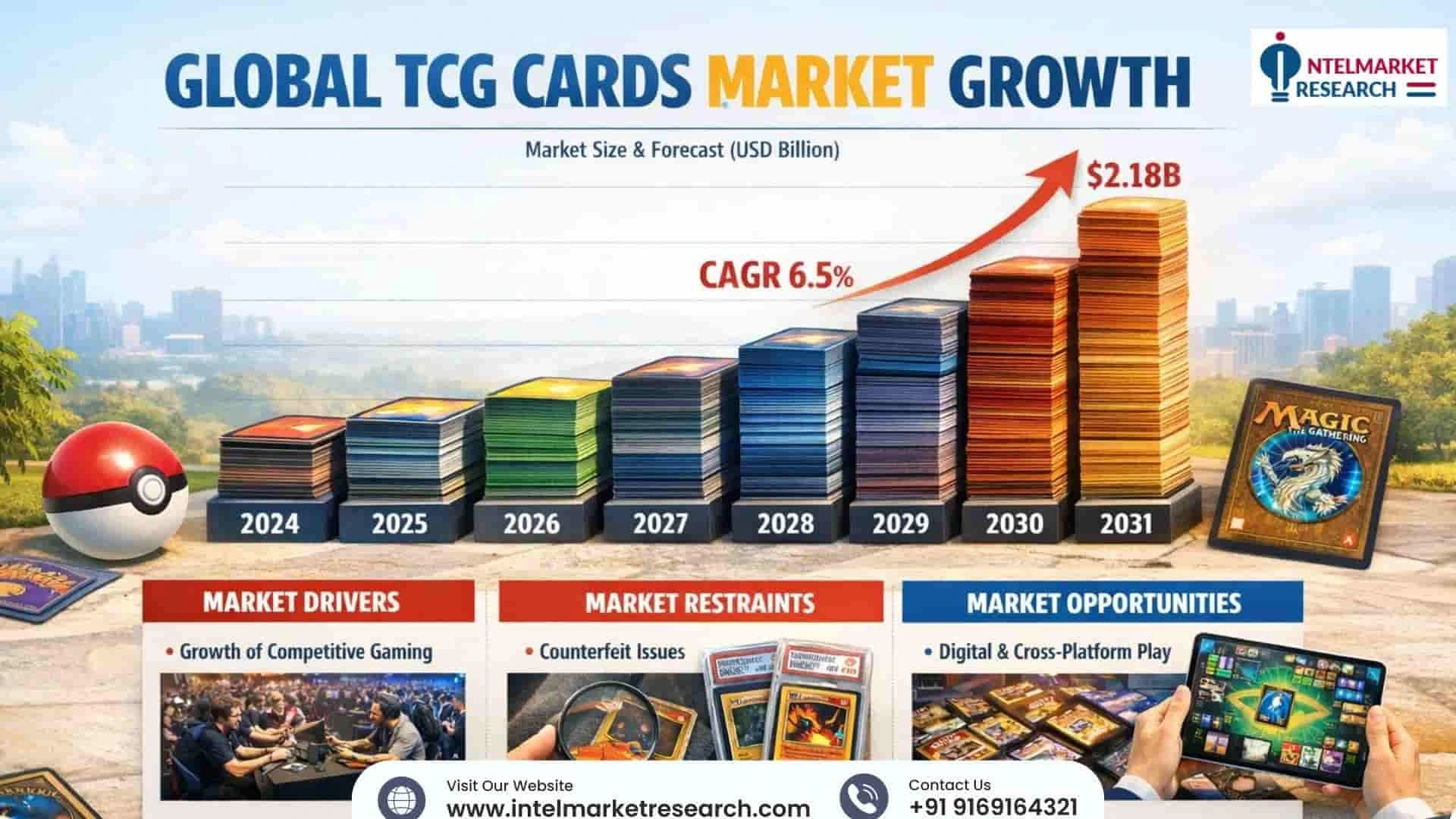
Before minting or trading AI-generated trading card games (TCGs) in 2026, you must secure verifiable on-chain provenance. Without it, your assets remain speculative collectibles rather than legitimate digital property. The market has shifted from novelty to verification; buyers now demand proof of origin and rarity before committing capital.
Start by choosing a blockchain with strong metadata standards. Ethereum and Polygon are the primary choices for TCGs due to their mature infrastructure. Ensure your smart contract stores the AI generation parameters—such as seed values and model versions—directly in the token metadata. This transparency allows future collectors to verify that the card’s visual style was indeed generated by the specified AI model.
Next, implement a strict generation protocol. Randomly generated assets often lack consistency, making them difficult to catalog. Define clear rules for how the AI produces card art, stats, and lore. Document these rules in your project’s whitepaper or readme. This creates a predictable ecosystem where collectors understand the value drivers, rather than guessing at the algorithm’s whims.
Finally, test your contract for common pitfalls. Many projects fail because they do not account for gas costs during minting or lack proper royalty enforcement mechanisms. Use official documentation from your chosen blockchain provider to audit your code. A small oversight in royalty distribution can lead to significant revenue loss and community backlash.
Work through the steps
How AI-Generated TCGs Are Reshaping the Collector Market works best as a clear sequence: define the constraint, compare the realistic options, test the tradeoff, and choose the path with the fewest hidden costs. That order keeps the advice usable instead of decorative. After each step, pause long enough to check whether the recommendation still fits the reader's actual situation. If it depends on perfect timing, unusual access, or a best-case budget, include a simpler fallback.
Common Mistakes in AI-Generated TCGs
The surge of AI-generated trading card games (TCGs) has introduced a new class of collector errors. While generative tools lower the barrier to entry, they also create distinct risks for provenance and gameplay integrity. Avoiding these pitfalls requires a shift from passive collecting to active verification.
Ignoring Provenance Gaps
Many new collectors assume that any digital asset with a blockchain tag is authentic. This is a dangerous oversimplification. AI-generated assets often suffer from "provenance gaps" where the on-chain record does not match the actual creation process. A card might be minted on-chain, but if the source file was generated by an unverified model, its historical value is questionable. Always check if the creator’s wallet has a verifiable history of original content generation, rather than just minting activity.
Overlooking Artistic Inconsistencies
AI models frequently struggle with subtle details, such as consistent character designs, text legibility, and logical object interactions. Collectors often miss these errors until after purchase. Before buying, zoom in on the card’s borders and text. Look for "hallucinated" elements—strange symbols or garbled text that AI often inserts to mimic realism. If a card’s art style shifts abruptly between panels, it is likely a composite generated by multiple prompts, which reduces its collectible coherence.
Assuming Gameplay Parity
Not all AI-generated TCGs are playable. Some are purely visual experiments with no underlying game logic. Buyers often mistake aesthetic novelty for functional utility. Verify that the TCG has a defined rule set and active player base. If the "game" is just a gallery of images with no mechanics, it is art, not a collectible card game. Check for community discussions on platforms like Reddit or Discord to see if players are actually engaging with the rules, not just the artwork.
Ai-generated tcgs 2026: what to check next
Here are practical answers to the most common objections collectors face when evaluating AI-generated trading cards.
These questions highlight the core tension between traditional collecting values and new digital realities. Always prioritize on-chain verification over aesthetic appeal when investing in AI-generated TCGs.
No comments yet. Be the first to share your thoughts!