
The on-chain TCG market hits $80 billion
The digital collectible card game sector has reached an $80 billion valuation in 2026, marking a significant expansion from its niche origins. This figure reflects the convergence of traditional trading card mechanics with blockchain infrastructure, creating a liquid, transparent marketplace for digital assets. The growth is not merely speculative; it represents a structural shift in how collectors and investors interact with intellectual property.
Legacy franchises like Pokémon and Magic: The Gathering (MTG) serve as the primary engines driving this valuation. Their established player bases and recognized brand equity provide the trust and familiarity necessary for mass adoption on-chain. As these titles migrate to decentralized platforms, they bring with them billions in existing community value, effectively bridging the gap between physical hobbyist markets and digital finance.
Price discovery in this market is complex, with over 50% of trading volume occurring in gray markets or secondary liquidity pools. This dynamic highlights the importance of transparency, as blockchain ledgers provide the only verifiable record of ownership and transaction history. For investors, this means that data-driven decisions are more critical than ever, requiring real-time visibility into asset performance.
The correlation between broader crypto market trends and TCG asset performance remains strong. As Bitcoin and Ethereum fluctuate, so too does the liquidity available for digital card trading. Understanding these macroeconomic indicators is vital for navigating the $80 billion landscape, where asset values can shift rapidly based on external market sentiment.
Solana captures 64% of trading volume
Solana has cemented its position as the primary liquidity hub for the trading card game market, capturing 64% of total trading volume in May alone. This dominance is not merely a result of passive trading; it is driven by aggressive gacha mechanics that have pushed on-chain spending to a record $230 million. The chain’s high throughput and low transaction costs have made it the preferred infrastructure for developers seeking to integrate real-time, high-frequency card battles and loot box mechanics without the friction often found on other networks.
The concentration of volume on Solana suggests a clear migration of speculative and utility-driven capital. While other chains host niche TCG projects, Solana’s ecosystem benefits from network effects that attract both high-volume traders and casual collectors. The $230 million gacha spend indicates that players are willing to engage with randomized digital assets at scale, treating these digital packs with the same urgency as physical collectibles. This liquidity creates a deeper market for secondary sales, allowing holders to exit positions more easily than on chains with fragmented trading volumes.
This dominance is reflected in the broader market performance of the SOL token, which serves as the primary settlement layer for these transactions. As TCG activity scales, the demand for SOL to pay for gas and purchase cards creates a structural floor for the asset. The following chart illustrates the recent price action of SOL against the US dollar, highlighting the correlation between chain liquidity and token valuation.
The visual representation of SOL/USD price action underscores the financial gravity of the sector. When trading volume surges, as it did with the $230 million gacha record, the underlying asset often experiences increased volatility and upward pressure. For investors and players alike, Solana is no longer just an alternative chain; it is the central nervous system of the digital collectible economy.
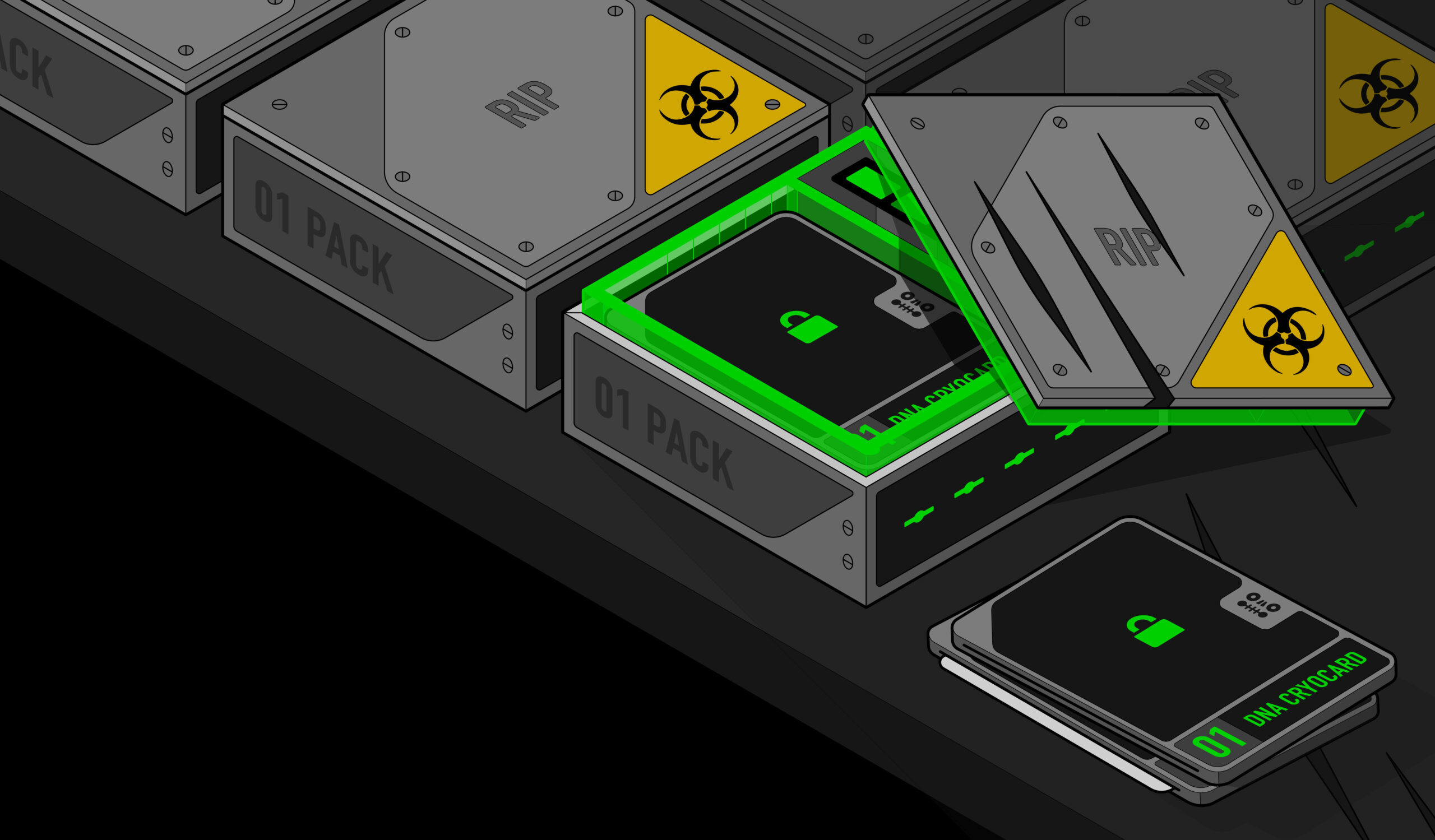
How AI is reshaping competitive deck building
The era of relying solely on human intuition for strategy is ending. Artificial intelligence has moved from a peripheral tool to the central engine of competitive play, fundamentally altering how players construct and optimize their decks. This shift is not merely about speed; it is about precision. Algorithms can now process millions of game states in the time it takes a human to read a card text box, identifying synergies and win conditions that remain invisible to the naked eye.
In the past, meta shifts were gradual, driven by tournament results and community discussion. Today, AI-driven optimization accelerates these cycles to a breaking point. Players are no longer just reacting to the meta; they are being outpaced by agents that continuously refine strategies based on real-time data. This creates a feedback loop where the "best" deck is determined by computational superiority rather than creative design. The result is a homogenization of high-level play, where diverse strategies are rapidly pruned in favor of mathematically dominant archetypes.
This transition introduces a new layer of complexity to gaming. As algorithms become more sophisticated, the barrier to entry for competitive success rises. Players must now compete against systems that do not tire, do not make emotional errors, and can adapt instantly to counter-picks. The focus of skill is shifting from memorization and experience to the ability to interpret and challenge AI-generated strategies. For the TCG market, this means a more volatile but potentially deeper competitive landscape, where the value of a deck is tied directly to its resistance against algorithmic exploitation.
Tokenization brings physical proof on-chain
Tokenization bridges the gap between physical collectibles and digital ledgers. On-chain tokens now serve as verifiable proof of ownership, authenticity, and condition for physical cards. This convergence allows collectors to trade the underlying asset without moving the physical card, reducing risk and increasing liquidity.
The process typically involves a trusted third party grading or authenticating the physical card, then minting a corresponding non-fungible token (NFT) or fungible token that represents it. This digital twin carries immutable data about the card's state, creating a single source of truth that eliminates the fraud and condition disputes common in traditional markets.
Projects like Parallel TCG have already demonstrated this model by linking physical card packs to on-chain mints. By anchoring physical assets to a blockchain, the market transforms static collectibles into dynamic financial instruments, enabling fractional ownership and automated royalty distribution for creators.
Gray market price discovery dynamics
The trading card game market, now valued at $80 billion, operates on a dual-track pricing system. While official exchanges provide baseline liquidity, over 50% of actual price discovery occurs in gray markets. These unregulated venues—ranging from decentralized OTC desks to peer-to-peer social channels—set the real-world value for rare assets before they hit public ledgers.
This structure creates significant volatility. When a new Pokémon or Magic: The Gathering digital asset drops, its initial price is often speculative and inflated. Gray market participants, who trade directly without exchange fees or compliance checks, absorb the initial shock. Their trades establish the true market floor, which on-chain platforms then reflect. This lag means on-chain players often react to prices that were set days or weeks earlier in opaque channels.
For participants, this dynamic presents unique opportunities. By monitoring gray market sentiment, traders can anticipate price shifts before they appear on public order books. However, it also introduces risk. Without the transparency of regulated exchanges, gray market data can be noisy or manipulated. Understanding this split market structure is essential for navigating the ecosystem effectively.
Key questions about on-chain TCG 2026
The $80 billion on-chain TCG market operates alongside traditional physical conventions, creating distinct ecosystems for collectors and investors. While digital assets trade 24/7 on the blockchain, physical events remain the primary venue for community building and tangible card appreciation.
What is TCG CON 2026?
TCG CON 2026 is an upcoming three-day physical convention scheduled for June 10–13 in San Juan, Puerto Rico. The event targets collectors of major trading card games including Pokémon, Magic: The Gathering, One Piece, Dragon Ball Z, Lorcana, and Yu-Gi-Oh! Attendees can expect vendor halls, competitive tournaments, voice actor appearances, and exclusive giveaways. It serves as a central hub for the physical trading card community, separate from the digital on-chain market discussed in this report. Registration details are available through the official TCG National Conference site.
How does on-chain trading differ from physical conventions?
On-chain trading relies on blockchain technology to verify ownership and facilitate peer-to-peer transactions without intermediaries. This allows for instant global settlement and transparent price discovery for digital representations of cards. In contrast, physical conventions like TCG CON require in-person attendance, cash or card payments at vendor booths, and manual verification of card condition. The on-chain market offers liquidity and accessibility, while physical events provide social interaction and the tactile experience of handling collectibles.
Can I trade physical cards on the blockchain?
Currently, most on-chain TCG projects tokenize digital versions of cards rather than physical ones. While some initiatives explore "phygital" assets using NFC chips or QR codes to link digital tokens to physical cards, the primary market remains digital. Investors in the $80 billion on-chain sector are typically trading digital assets that mirror the utility and rarity of physical cards, rather than shipping physical items across the blockchain.
No comments yet. Be the first to share your thoughts!