
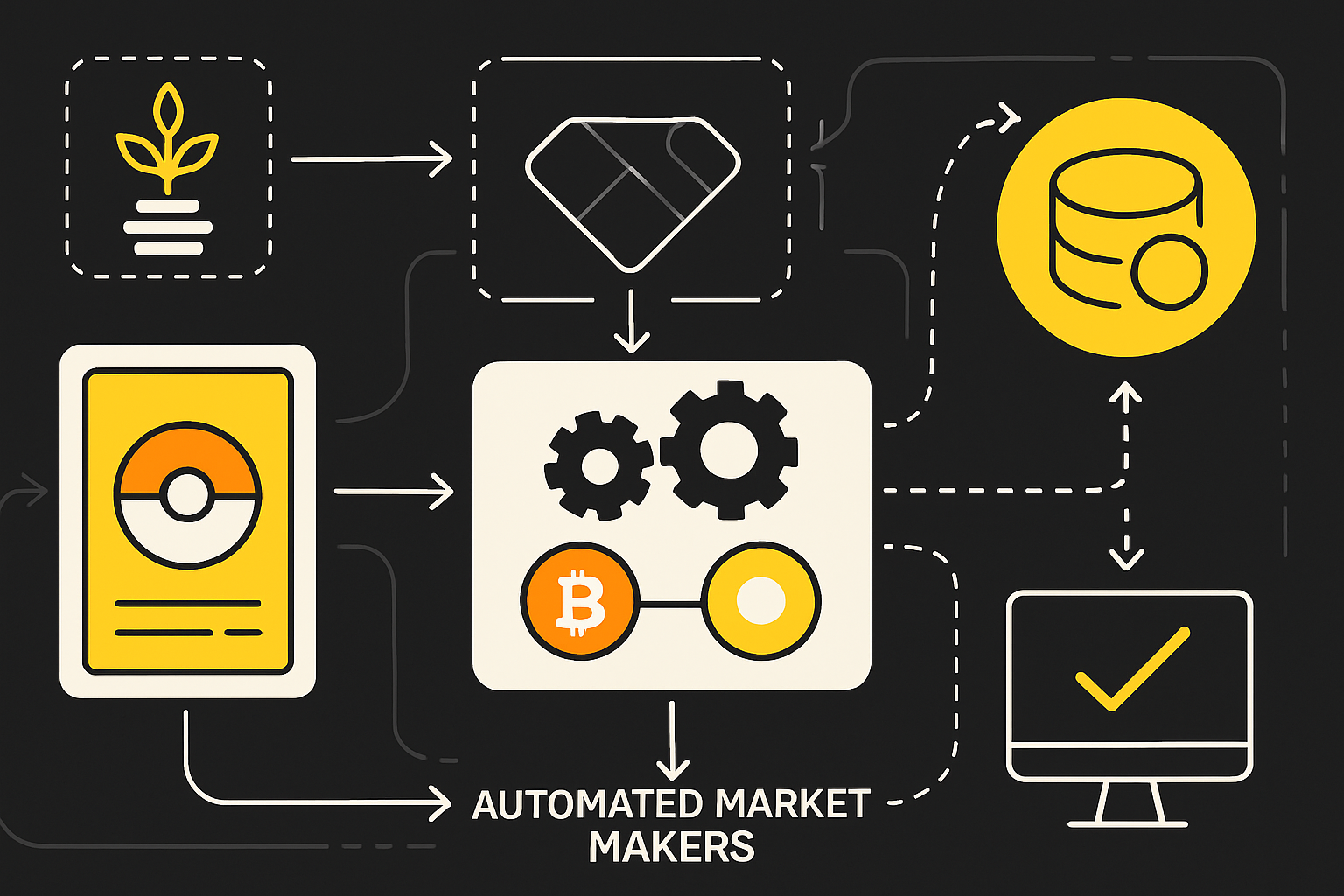
The tokenization of Pokémon cards is catalyzing a paradigm shift in the collectibles market, transforming how collectors and investors interact with real-world assets (RWAs). By leveraging blockchain infrastructure, physical Pokémon cards are now represented as unique, verifiable NFTs, unlocking liquidity, global access, and new financial utilities previously unimaginable in the analog era.
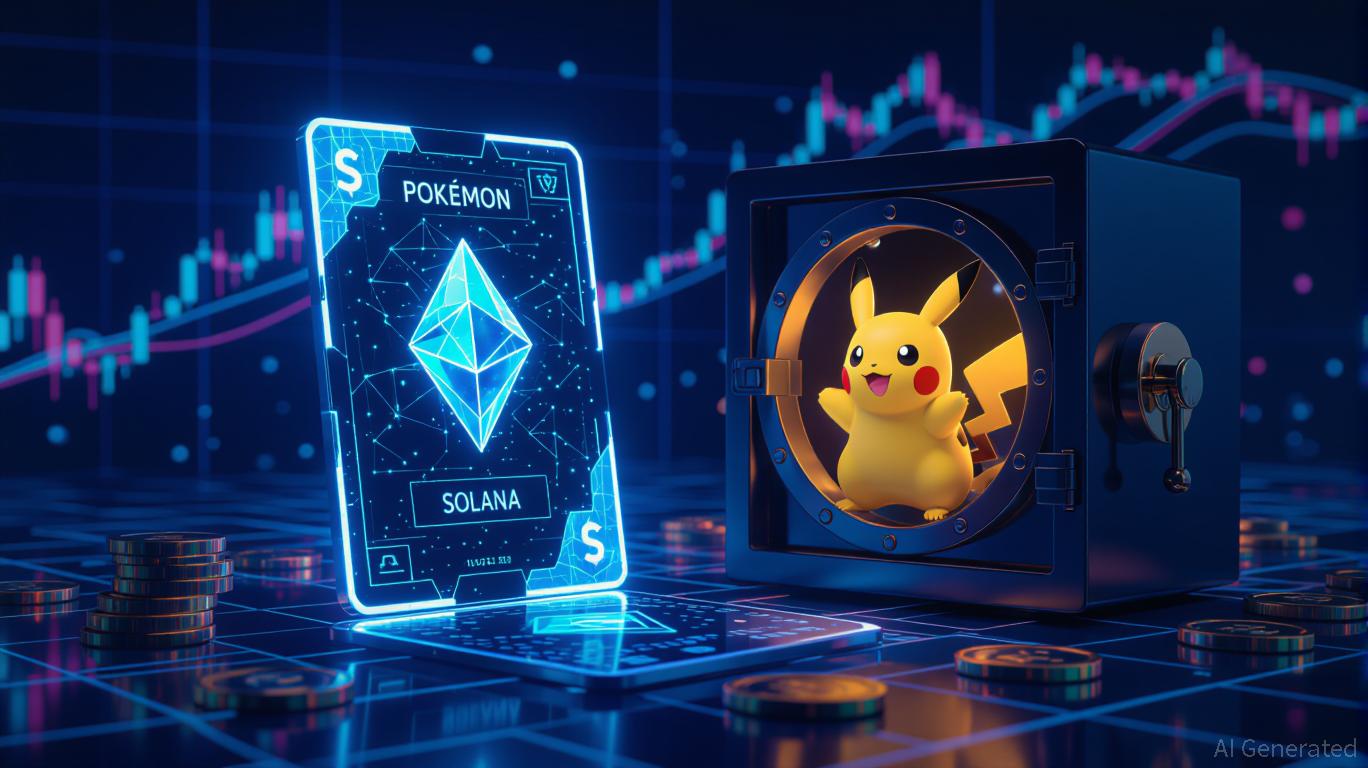
From Cardboard to Crypto: How Tokenized Pokémon Cards Work
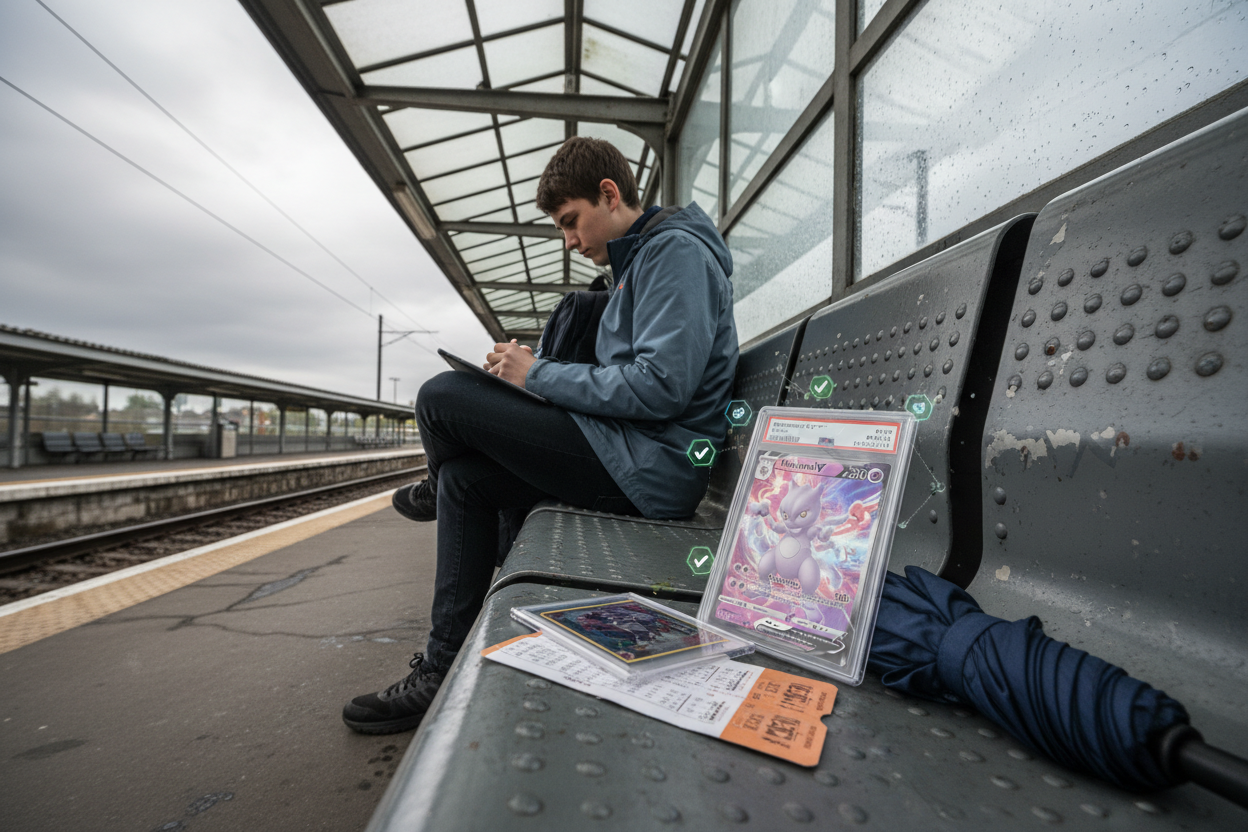
Tokenized Pokémon cards are not just digital images or speculative art. Each NFT is backed by a real, authenticated card, held securely in professional vaults. Platforms like Collector Crypt and Courtyard have pioneered this model. The process begins when a collector submits a physical card for grading and authentication. Once verified, the card is stored in a secure facility and an NFT is minted on-chain - typically on scalable networks such as Solana - establishing an immutable 1: 1 relationship between the token and its physical counterpart.
This approach solves two major pain points in traditional collecting: authenticity verification and counterfeit risk. Every transaction is transparently recorded on the blockchain, meaning provenance is indisputable and ownership can be instantly transferred without the logistical friction of shipping or third-party escrow.
The Data-Driven Boom: Surging Trading Volumes and Market Impact
The numbers underscore how rapidly collectors are embracing tokenized RWAs. In August 2025 alone, trading volumes for tokenized Pokémon cards soared to $124.5 million, representing a staggering 5.5x increase from January's figures. The two leading platforms split much of this volume: Courtyard processed $78.4 million while Collector Crypt handled $44 million (see detailed guide here). This surge reflects not only increased demand but also growing trust in blockchain-backed collectibles as legitimate investment vehicles.
Market projections estimate that by 2033, the tokenized collectibles sector could reach $48.64 billion. For context, Pokémon trading cards alone target a $21 billion addressable market for blockchain integration as of 2025. As more collectors seek verifiable ownership and instant liquidity, these numbers are expected to climb further.
Why Collectors and Investors Are Flocking to Tokenized RWAs
The appeal of tokenized Pokémon cards extends well beyond digital novelty:
- 24/7 Global Liquidity: Trading becomes borderless and continuous - no more waiting days for auctions or dealing with regional marketplaces.
- Guaranteed Authenticity: Blockchain records provide tamper-proof proof of ownership and condition at minting time.
- Fractional Ownership: High-value grails like first-edition Charizards can be split into fractional tokens, letting anyone own a piece of history without six-figure buy-ins (learn more about RWA transformation here).
- Lending and DeFi Integration: Some platforms enable users to collateralize their NFT-backed cards for loans or yield strategies - though practical limits around volatility remain under discussion among DeFi protocols.
This combination of transparency, security, and financial utility marks a fundamental upgrade over legacy collecting models.
Yet, the innovation doesn’t stop at liquidity and accessibility. Tokenized Pokémon cards are also driving new forms of community engagement and investment strategies. Collectors can now participate in on-chain governance, vote on platform upgrades, or even co-own rare cards with global partners, all while keeping the underlying asset secure and verifiable.
Risks, Limitations, and What’s Next for RWA Collectibles
Despite explosive growth, the sector faces technical and market challenges. Collateralization of NFT Pokémon cards for DeFi lending is still in its infancy, with platforms experimenting around volatility management and real-world redemption logistics. While instant trading removes counterparty risk, it introduces new dependencies on vault security and smart contract reliability. If a vault provider fails or a contract is exploited, asset recovery may be complex.
Additionally, regulatory clarity around digital ownership of physical assets remains an ongoing discussion. Jurisdictions differ in how they treat NFTs linked to RWAs, prompting platforms to implement rigorous KYC/AML processes and legal frameworks for asset custody.
Still, the data-driven momentum is undeniable. As infrastructure matures and standards emerge for physical card tokenization, expect broader adoption by both institutional investors and mainstream collectors. The lines between traditional collecting, gaming culture, and crypto-native finance are blurring fast.
How to Get Started with Tokenized Pokémon Cards
If you’re ready to explore this new frontier:
- Research trusted platforms: Vet providers like Collector Crypt or Courtyard for security protocols and transparency.
- Understand fractionalization: Decide if you want full card ownership or exposure via fractional tokens.
- Review on-chain trading guides: Learn about wallet setup, minting processes, and redemption mechanics (step-by-step guide here).
- Diversify your collection: Consider blending physical grails with digital-native assets for optimal portfolio resilience.
The intersection of blockchain collectibles and real-world nostalgia is creating entirely new markets, and rewriting the rules for what it means to collect. Whether you’re a seasoned investor or a casual fan seeking authenticity in an age of counterfeits, tokenized Pokémon cards offer a transparent, liquid gateway into the next evolution of RWA collectibles.

No comments yet. Be the first to share your thoughts!