
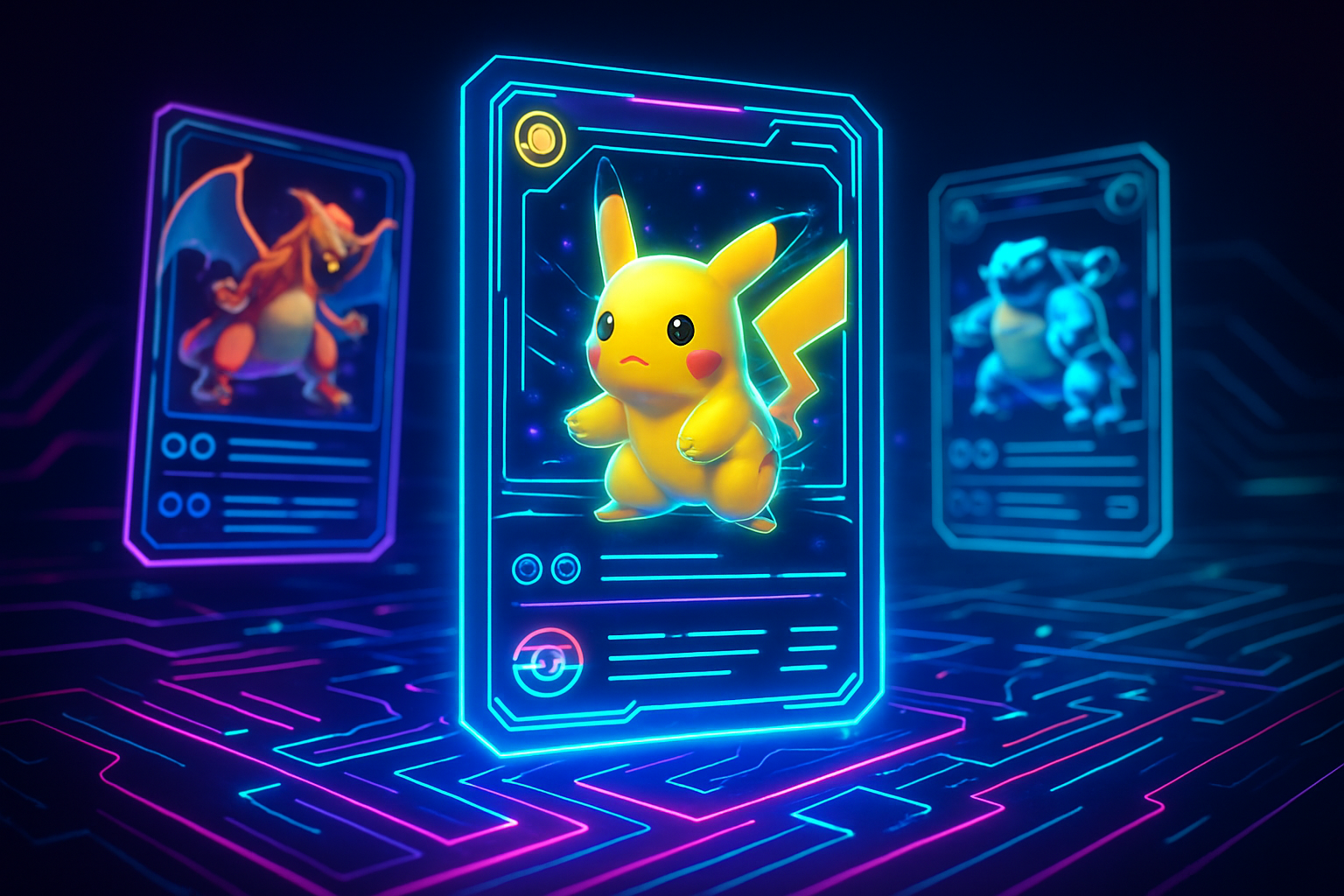
Tokenized Pokémon cards are rapidly transforming the landscape of collectibles, seamlessly merging the nostalgia and authenticity of physical cards with the efficiency and security of blockchain technology. In August 2025, trading volumes for tokenized Pokémon cards soared to $124.5 million, a staggering 5.5-fold increase since January, highlighting a new era for collectors and investors alike. This surge is not just hype - it reflects a fundamental shift in how real world asset Pokémon are owned, traded, and valued in the digital age.
What Are Tokenized Pokémon Cards?
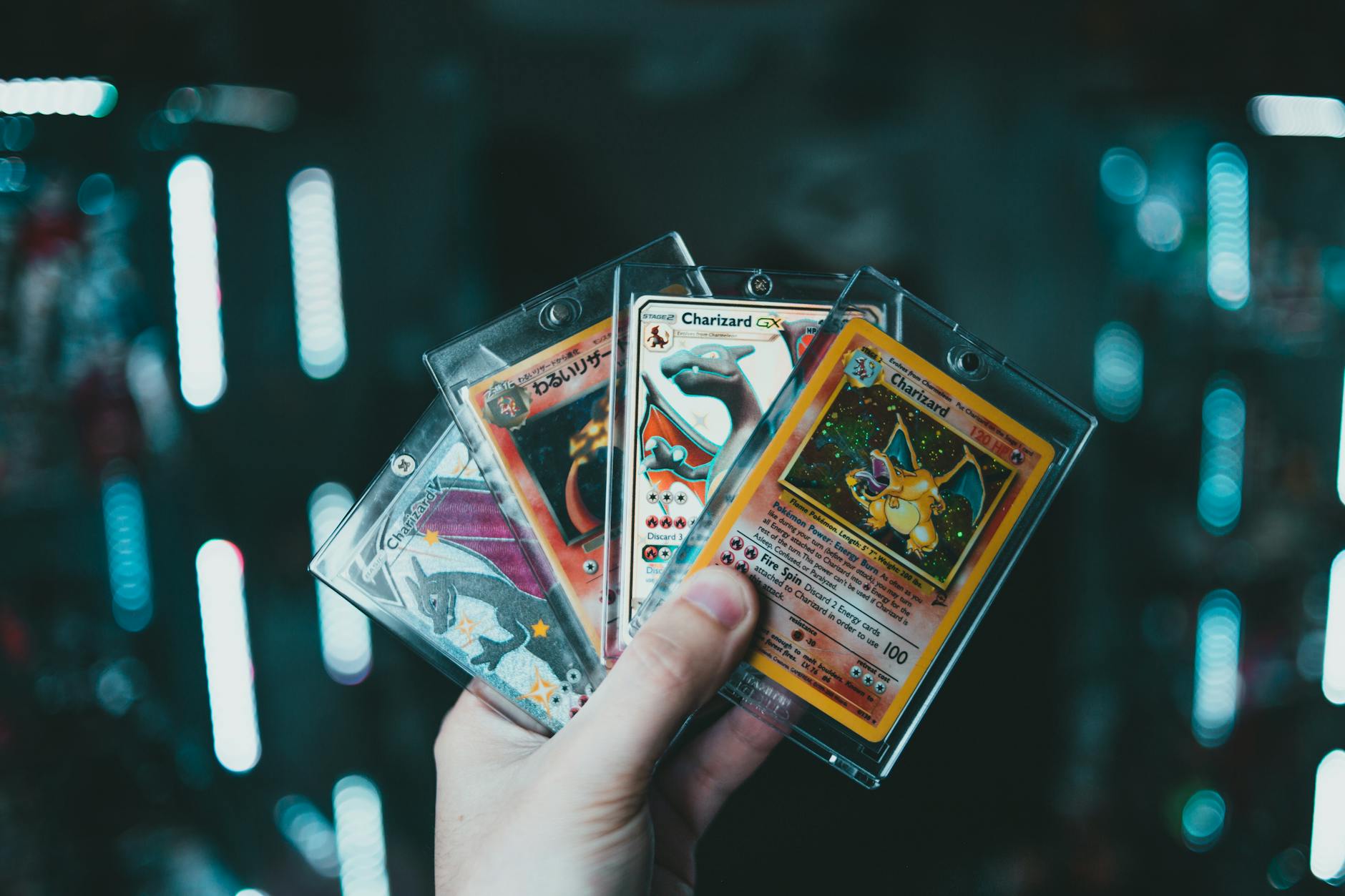
At their core, tokenized Pokémon cards are NFTs (non-fungible tokens) directly linked to physical Pokémon cards secured in professional vaults. Unlike traditional NFTs that exist solely as digital art or media, each tokenized card represents legal ownership of an actual card stored safely by third-party custodians such as Brink's or similar vaulting services (source). The NFT serves as both proof of authenticity and a tradable asset on blockchains like Ethereum or Solana.
This innovation bridges the gap between tangible collectibles and blockchain assets. When you purchase a Pokémon card NFT through platforms like Courtyard or Collector Crypt, you own the rights to that specific card - not just its image. You can trade it globally, hold it for investment, or redeem it for physical delivery at any time (as long as the platform remains operational).
The Benefits: Security, Liquidity and Fractional Ownership
Key Benefits of Tokenized Pokémon Cards
- Enhanced Security & Authenticity: Blockchain technology verifies each card’s provenance, drastically reducing the risk of counterfeits and ensuring collectors own genuine, vault-backed Pokémon cards.
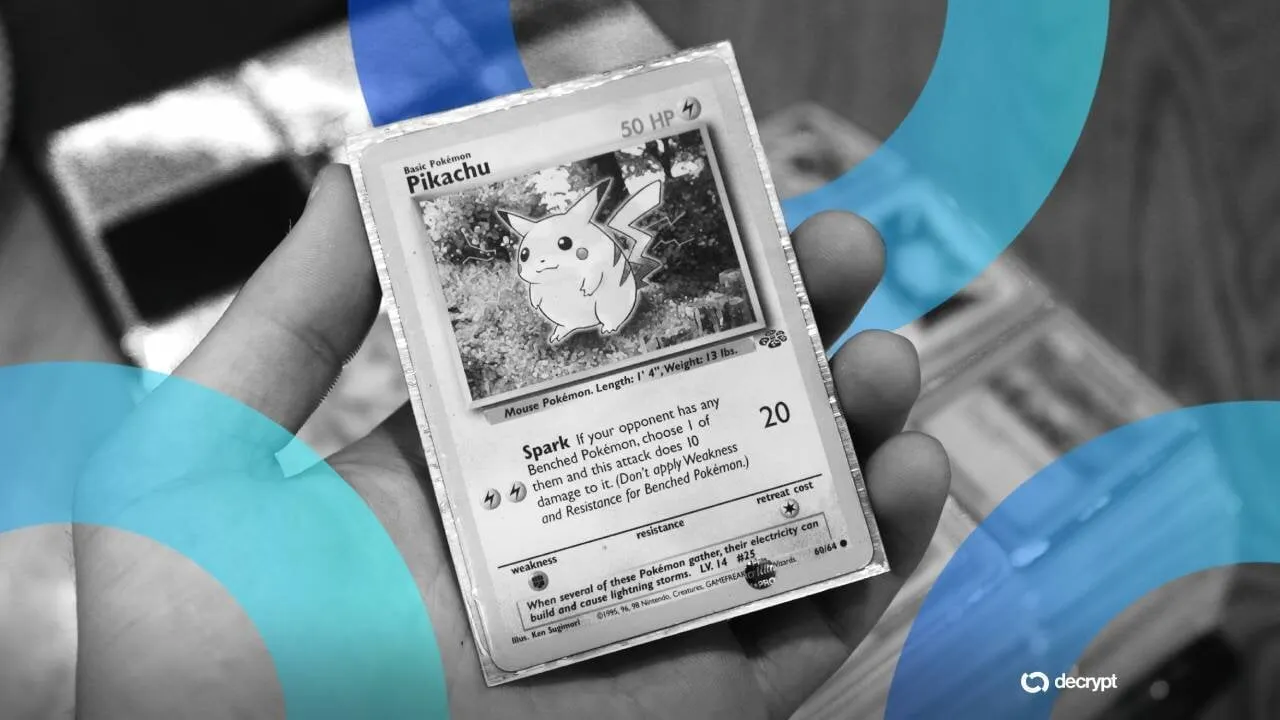
- Global Accessibility & Instant Liquidity: Tokenized Pokémon cards can be bought, sold, or traded instantly across international marketplaces like Courtyard and Collector Crypt, eliminating shipping hassles and opening the market to collectors worldwide.
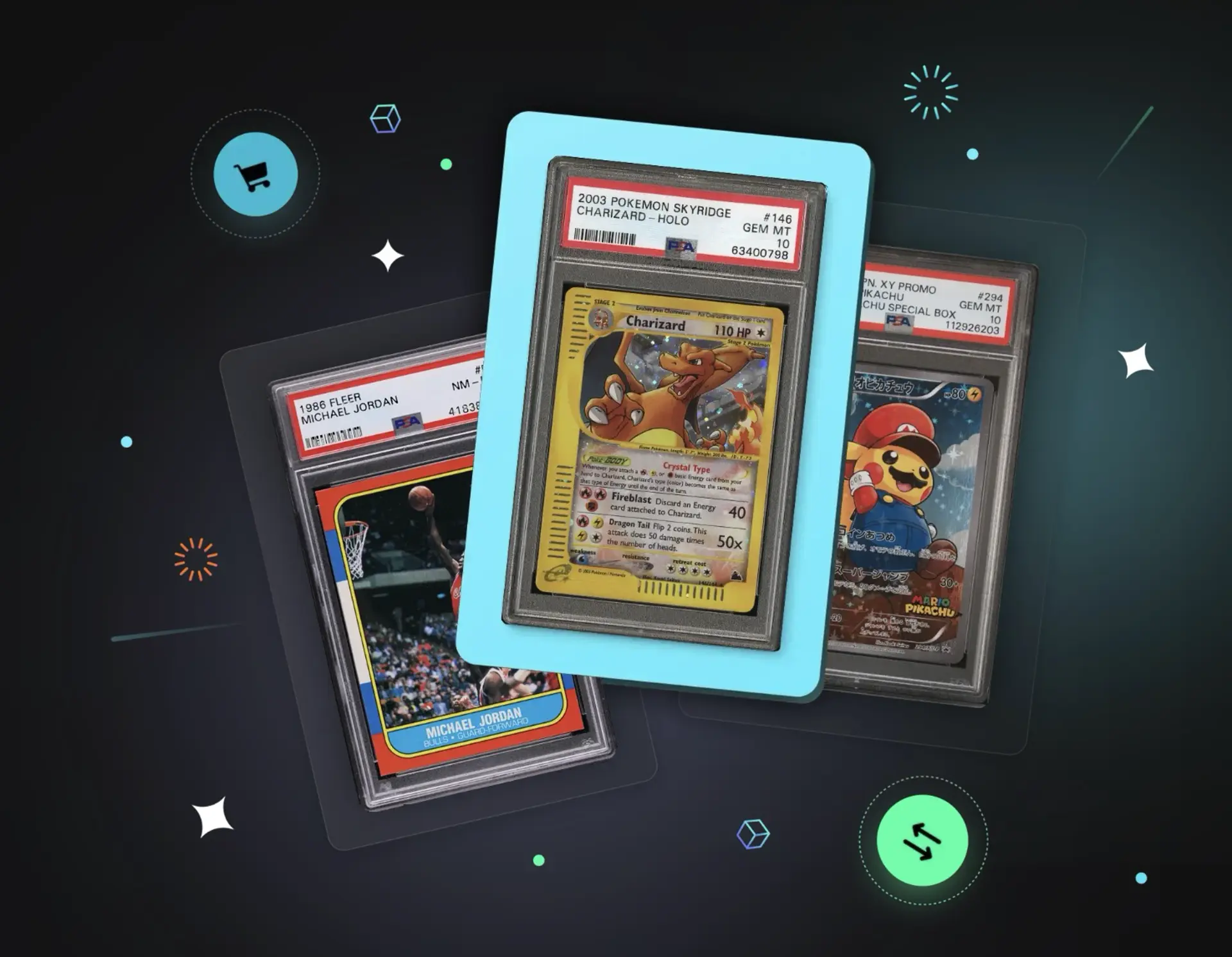
- Fractional Ownership of High-Value Cards: Tokenization enables collectors to purchase fractions of rare cards, making iconic Pokémon cards accessible to a broader audience and allowing shared investment in valuable assets.
- Seamless Redemption for Physical Cards: Owners can redeem their digital tokens for the underlying physical Pokémon cards stored in secure vaults, bridging the gap between digital and tangible collecting.
- Transparent Market Data & Provenance: All transactions and ownership records are stored on public blockchains, providing transparent pricing history and card authenticity for informed decision-making.
The first advantage is enhanced security and authenticity. Blockchain’s immutable ledger eliminates concerns about counterfeits and forgeries that have plagued the trading card market for decades (source). Each NFT is verifiably linked to its real-world counterpart by serial number and grading details.
Global accessibility is another game-changer. Collectors no longer need to worry about shipping risks or cross-border payment headaches - transfers happen instantly onchain, opening up liquidity pools far beyond local markets.
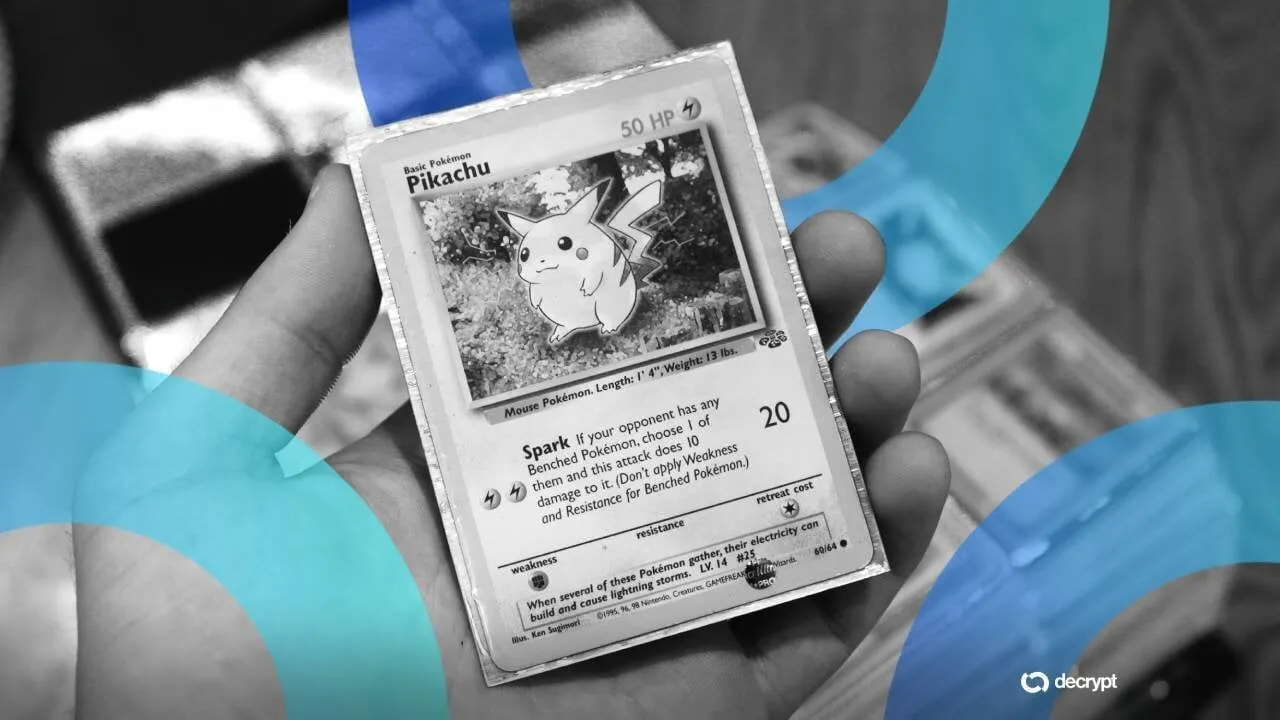
Fractional ownership democratizes access to high-value grails. Instead of needing tens of thousands of dollars for a trophy Pikachu Illustrator, investors can buy fractions (shares) of rare cards via tokenization (source). This lowers barriers to entry while increasing overall market participation.
Navigating Risks in Crypto Pokémon Cards
No frontier comes without risk - and tokenized collectibles are no exception. Market volatility remains high; prices can swing dramatically based on speculation or sudden shifts in demand. The legal landscape is still evolving as well; regulatory changes could impact ownership rights or trading practices overnight (source). Redemption risk also looms large: if your chosen platform shutters unexpectedly, retrieving your physical asset may become difficult or impossible.
Savvy collectors must perform due diligence on platform reputation, vaulting procedures, insurance coverage, and transparency before committing capital to crypto Pokémon cards.
Your First Steps: How to Get Started with Tokenized Pokémon Cards
Diving into blockchain Pokémon trading isn’t as daunting as it seems when you follow a strategic approach:
Buy Your First Tokenized Pokémon Card: A Step-by-Step Guide
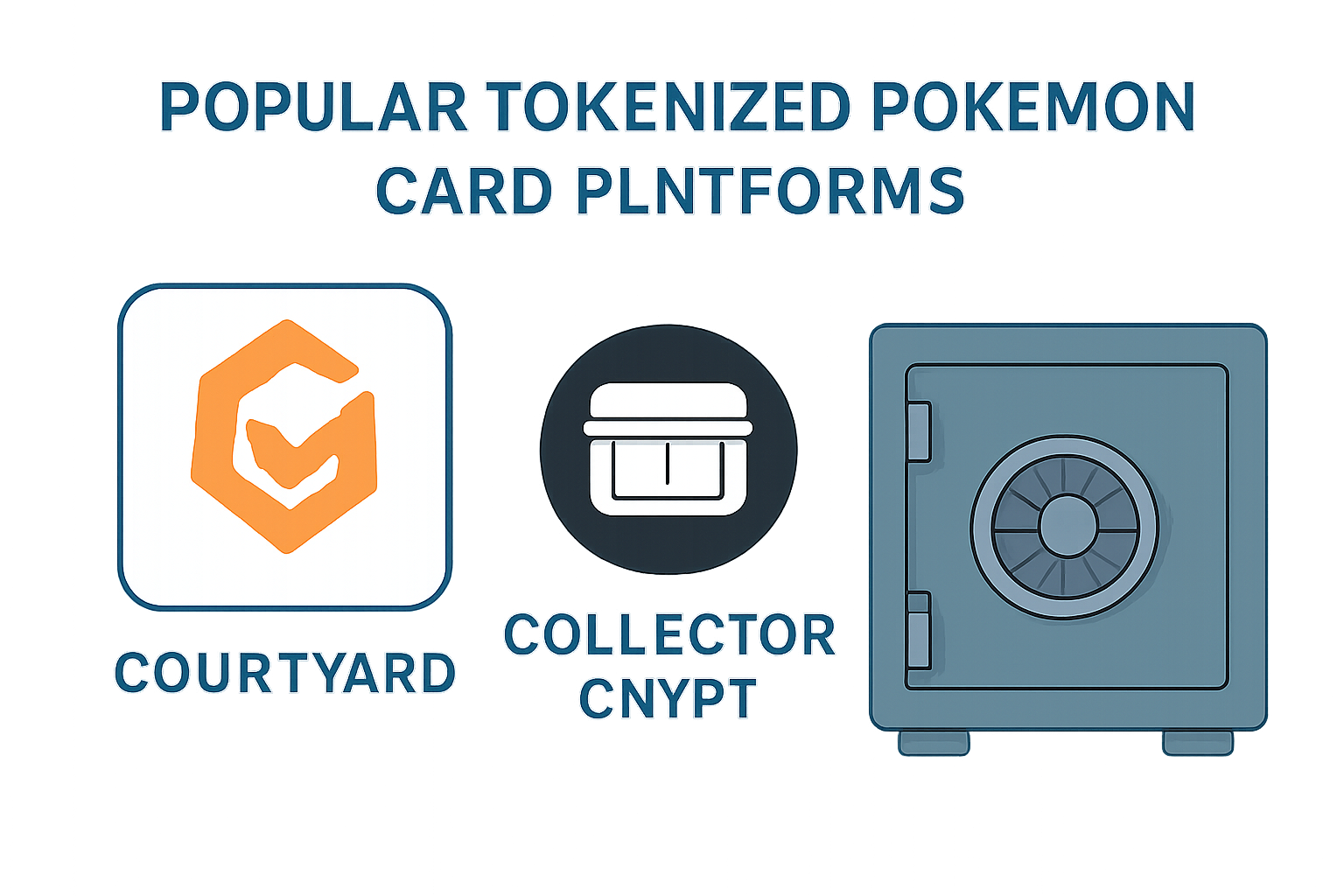
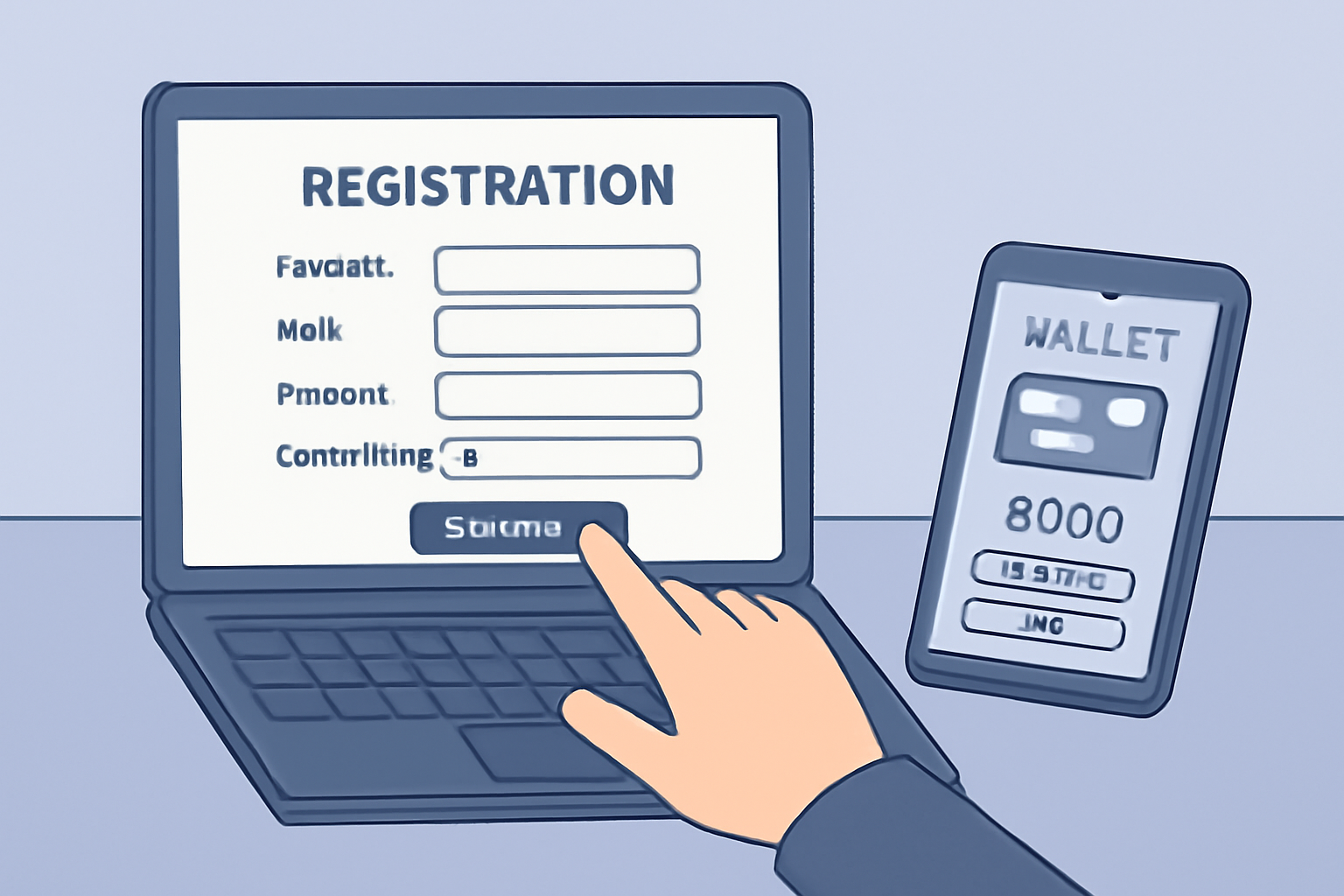
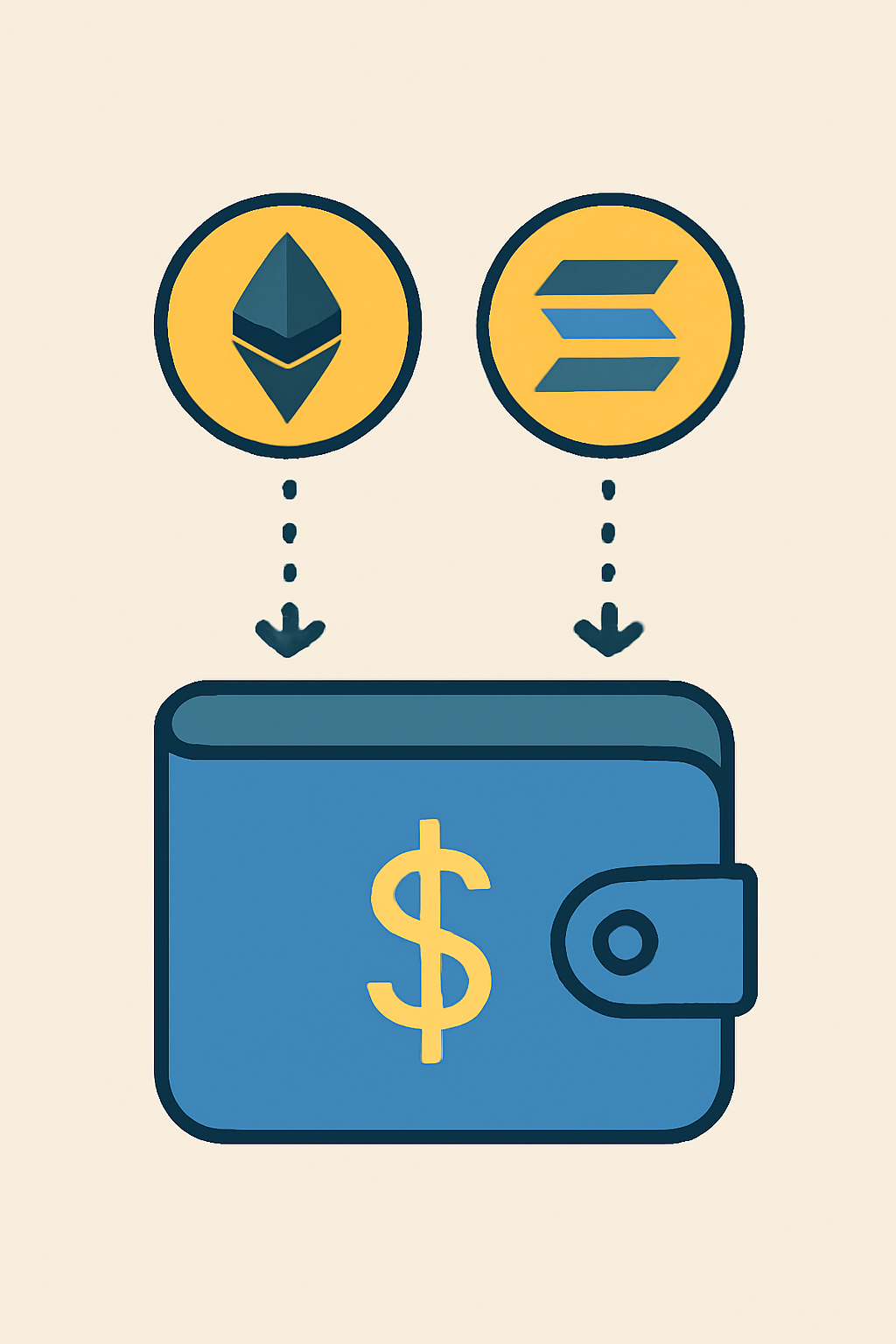
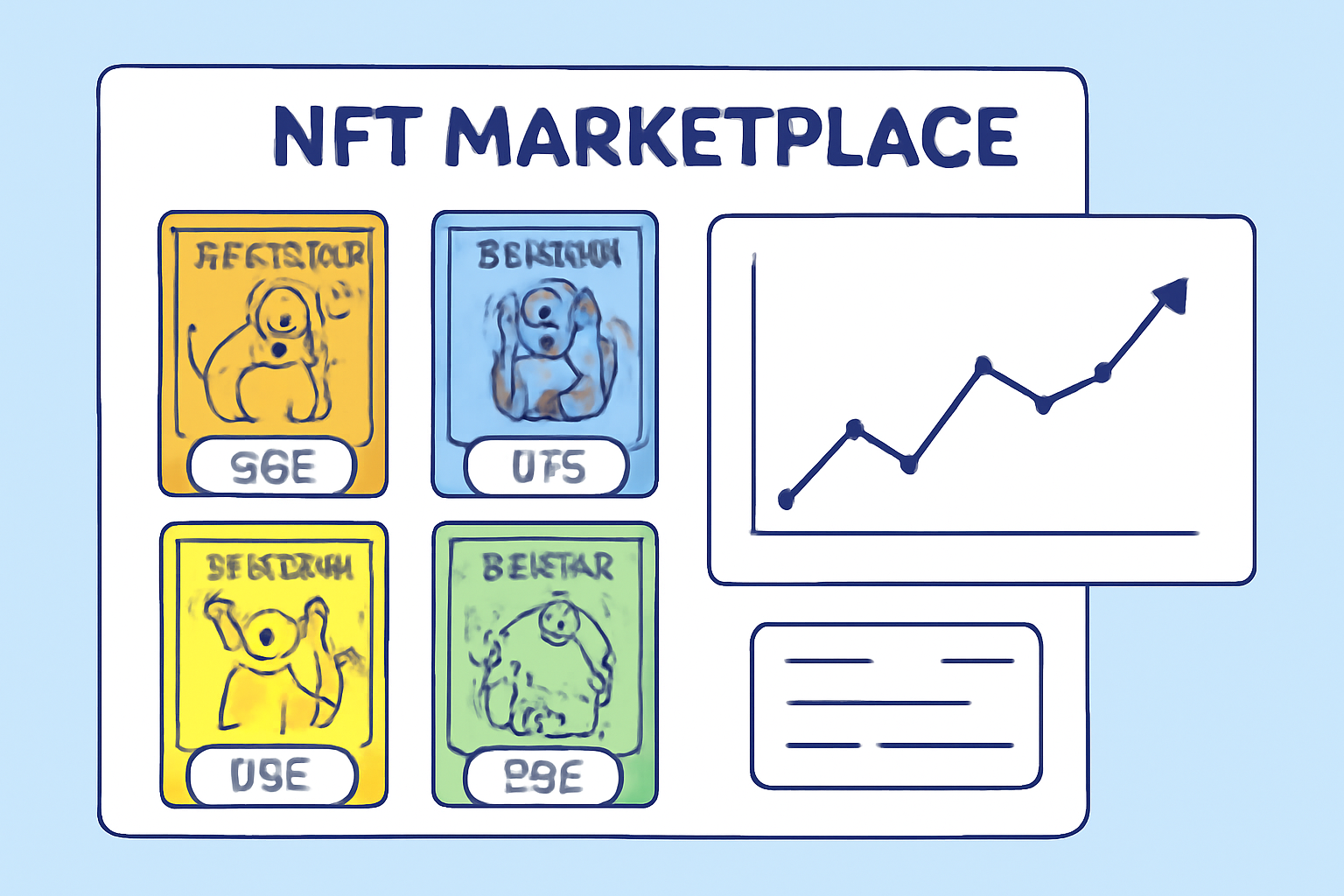
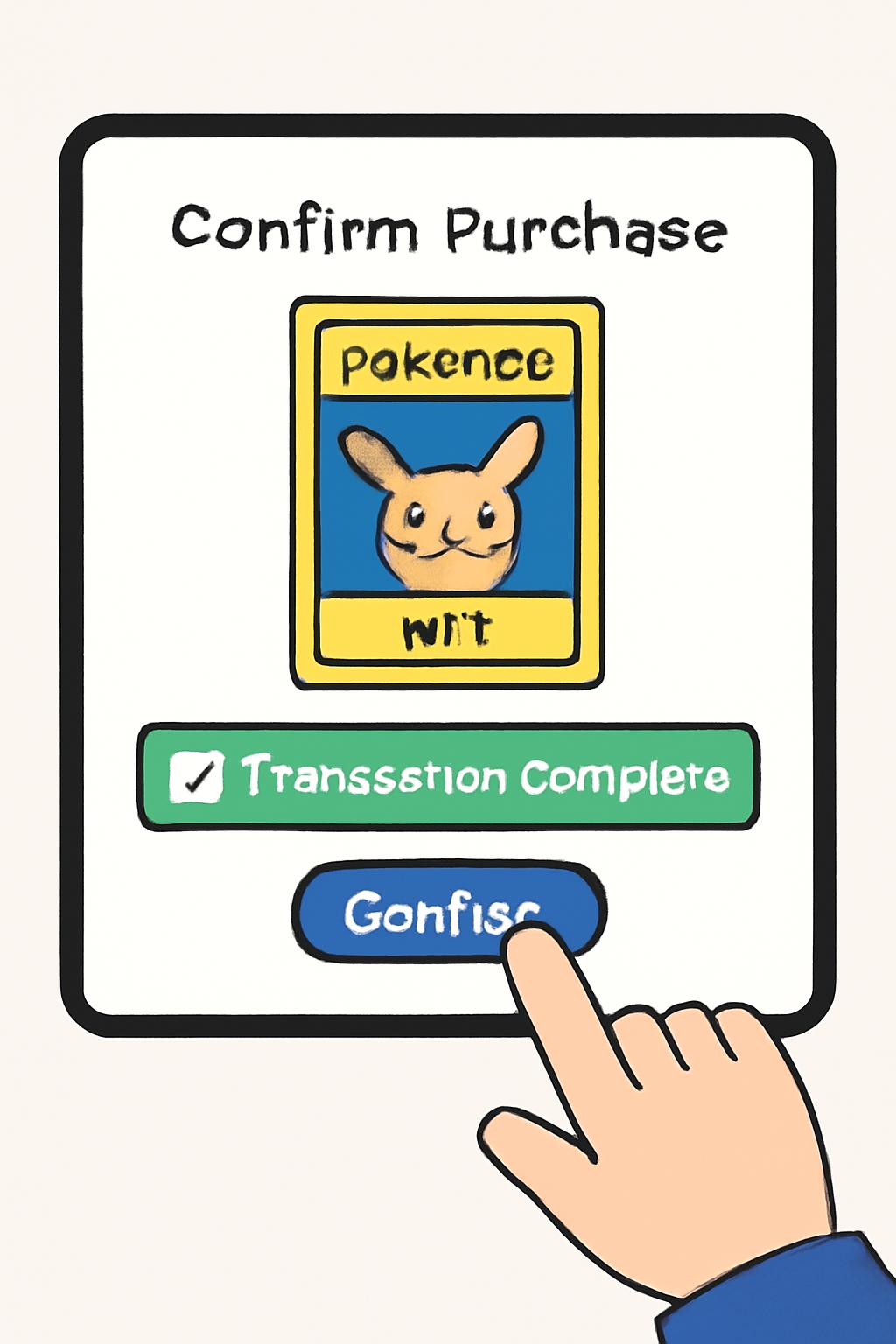
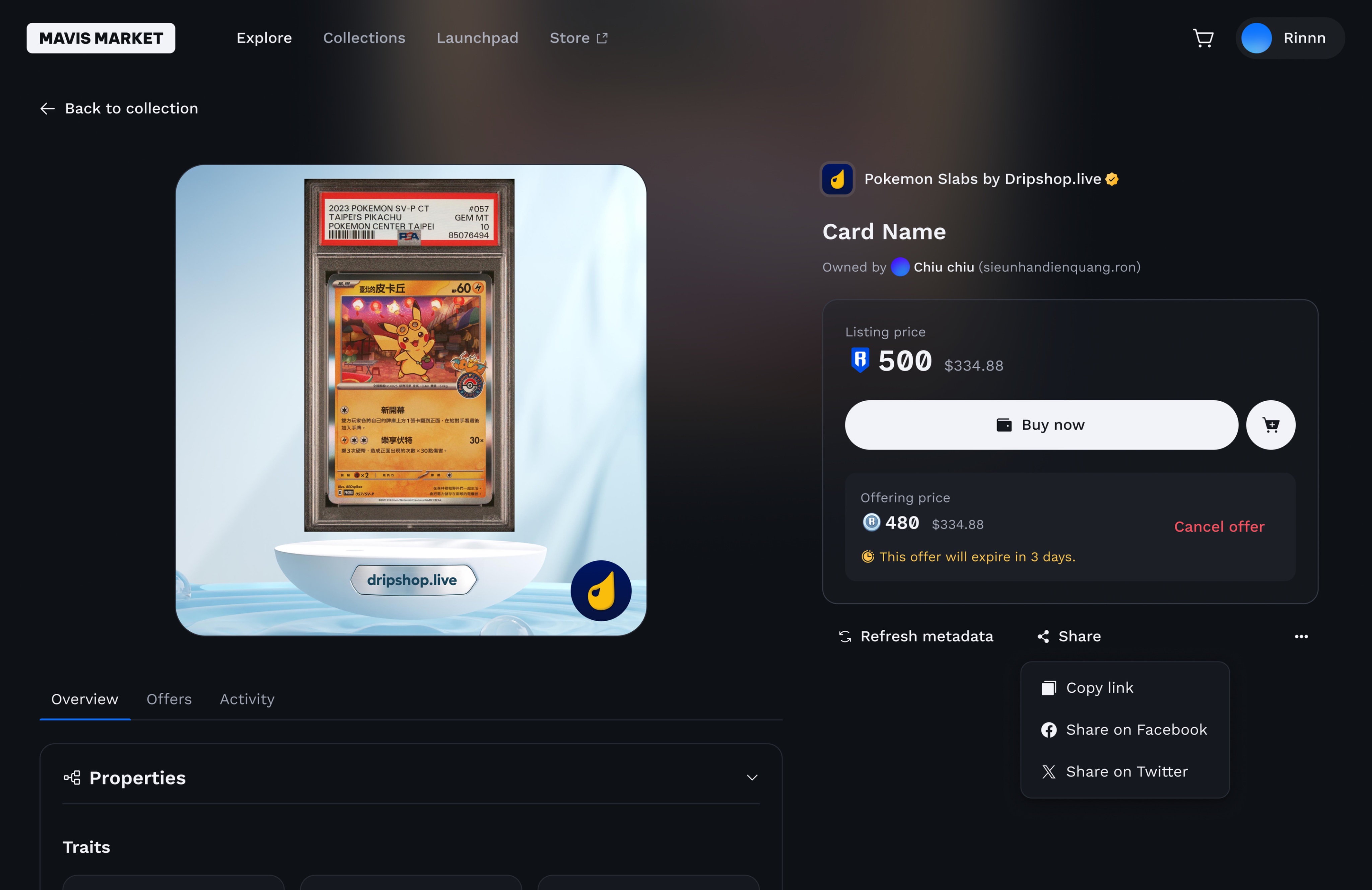
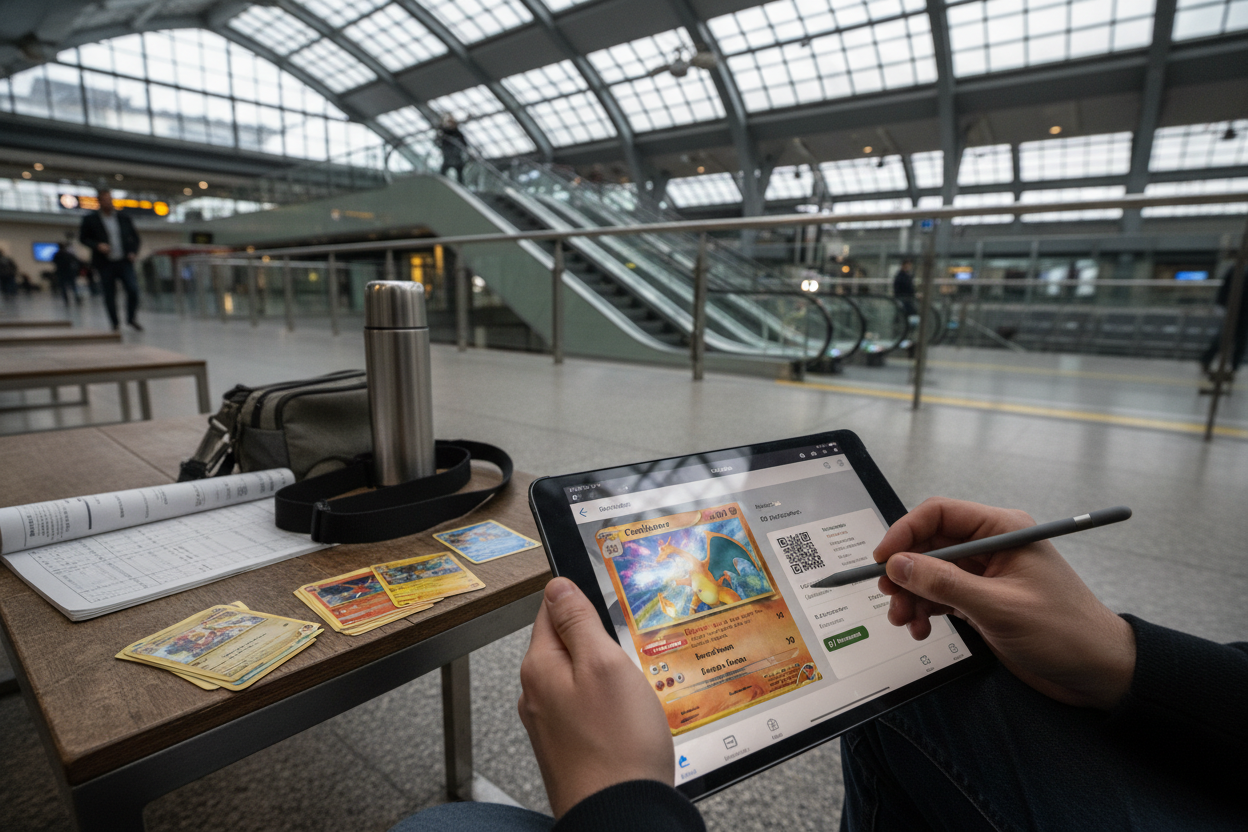
Selecting reputable platforms like Courtyard or Collector Crypt is crucial; these marketplaces specialize in collectible RWA Pokémon backed by robust custody solutions (source). After setting up an account and digital wallet, browse listings carefully - pay attention not just to price but also rarity grades and redemption policies before making your purchase.
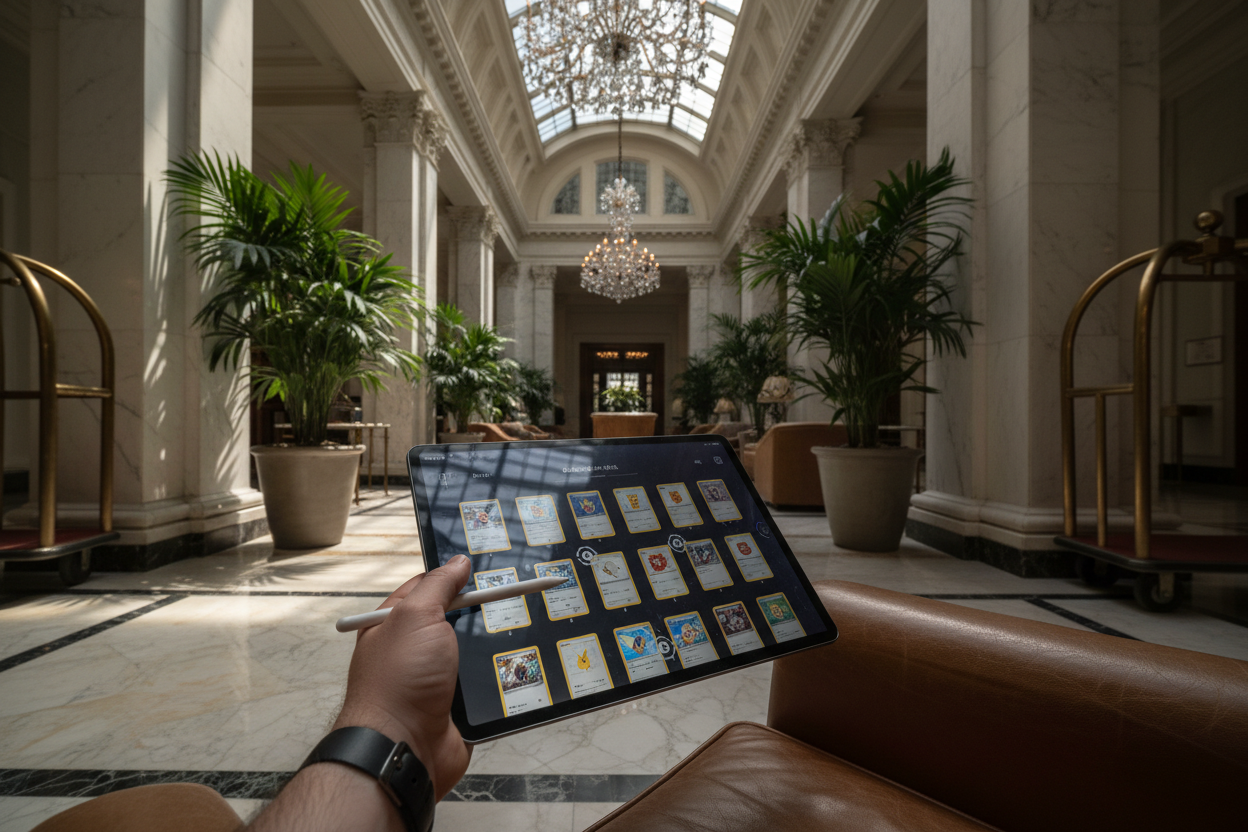
Once you’ve secured your first Pokémon cards NFT, managing your collection is easier than ever. Blockchain-based platforms offer real-time portfolio tracking, instant transfer capabilities, and transparent transaction histories. This level of control was unimaginable in the days of binders and private eBay deals. With global liquidity, you can sell or swap your assets 24/7, no matter where you or your counterparties are located.
It’s important to monitor both market trends and platform updates. The tokenized Pokémon card ecosystem is evolving rapidly, with new features like NFT-backed loans and staking rewards emerging on leading platforms. For those seeking to diversify their portfolios, these innovations offer additional ways to extract value from collectible RWA Pokémon while maintaining exposure to underlying assets.
Key Considerations Before You Buy
- Platform Security: Does the provider use reputable vaults (e. g. , Brink’s) and provide insurance?
- Transparency: Are grading reports, serial numbers, and ownership records easily verifiable onchain?
- Redemption Process: How simple (or complex) is it to claim the physical card if desired?
- Fee Structure: Understand all transaction, storage, and redemption fees before committing capital.
If you’re serious about blockchain Pokémon trading or want to buy Pokémon cards with crypto as part of a diversified strategy, consider starting small while you learn the ropes. Engage with community forums and follow platform announcements for updates on regulatory changes or new product launches.
Top Mistakes in Tokenized Pokémon Card Collecting
- Overlooking Platform Reputation: Many newcomers fail to research the credibility of tokenization platforms like Courtyard and Collector Crypt. Using unproven platforms increases the risk of losing access to your physical cards or tokens.
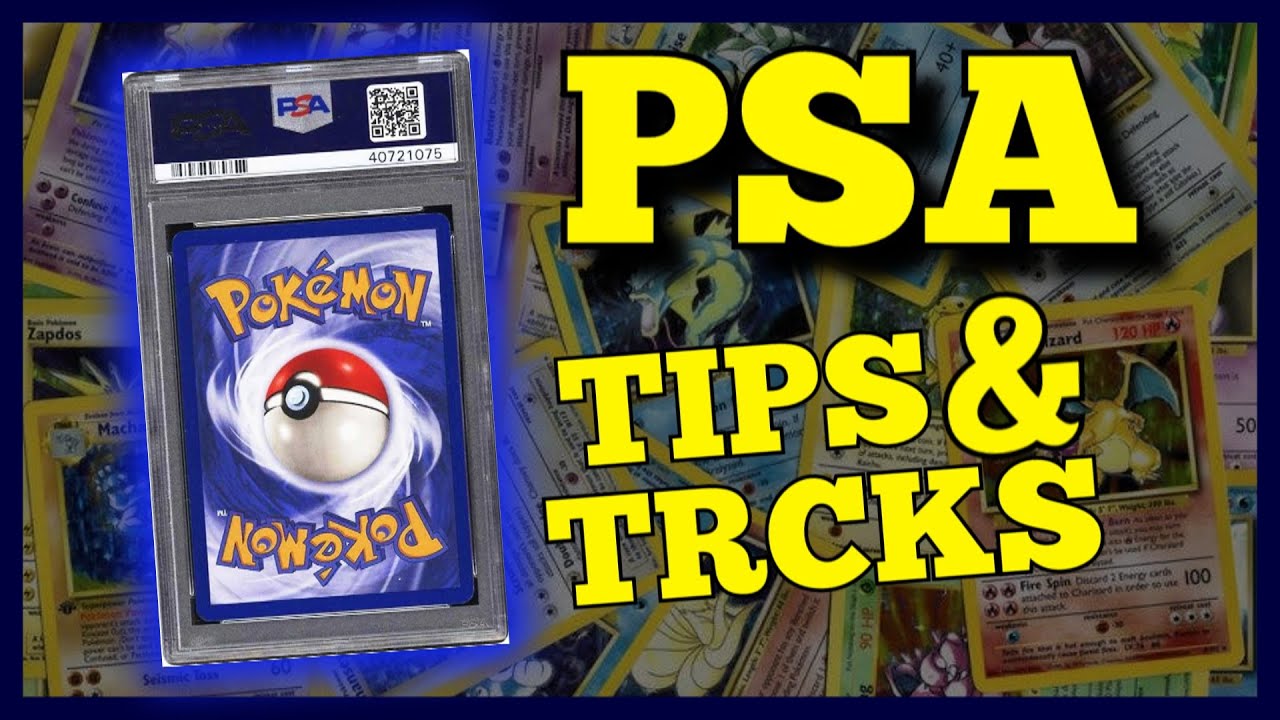
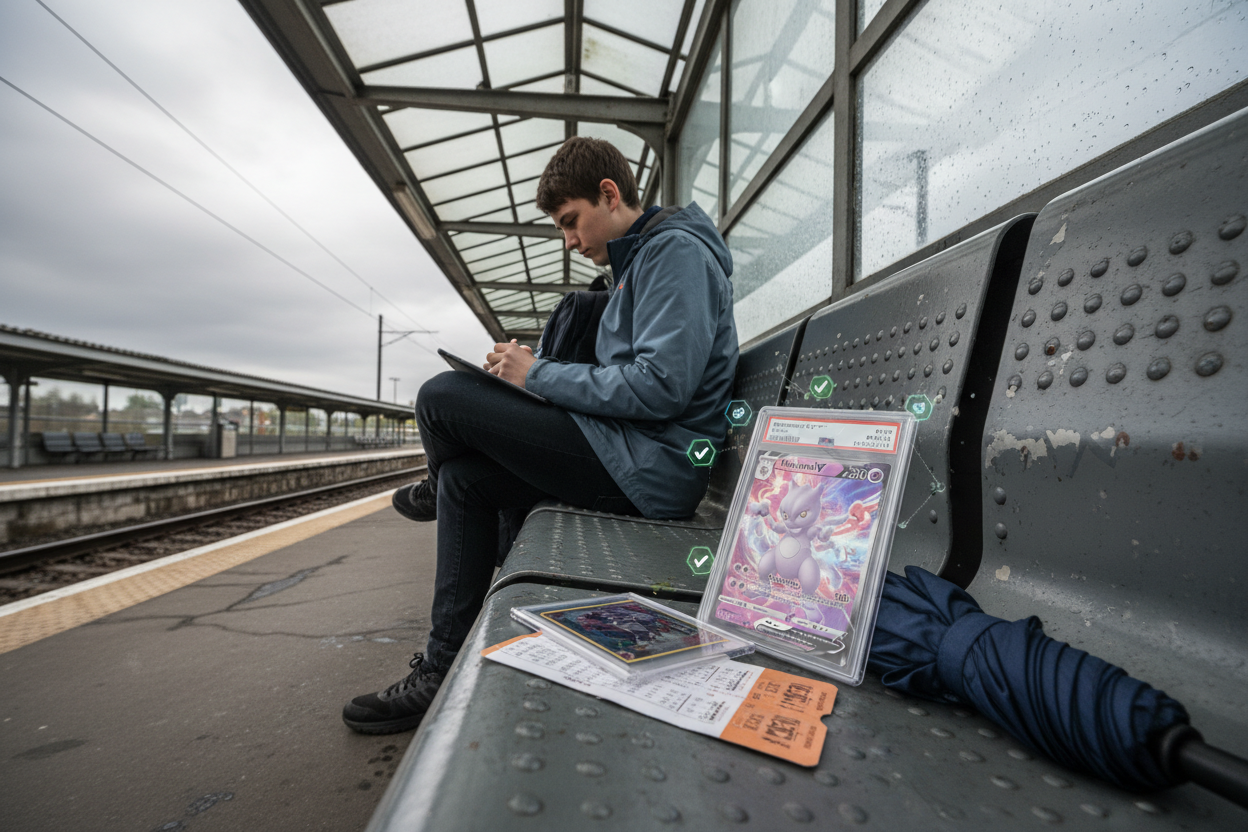
- Ignoring Physical Card Verification: Some collectors assume all tokenized cards are authentic. Always check for third-party grading (e.g., PSA, Beckett) and secure vault storage before purchasing a tokenized card.
- Neglecting Redemption Policies: Failing to understand a platform’s physical card redemption process can lead to disappointment if you ever want to claim the real card. Always review terms and ensure redemption is possible and clearly outlined.
- Underestimating Market Volatility: Many buyers treat tokenized cards as stable assets, but prices can fluctuate rapidly—as seen with August 2025’s $124.5 million trading volume surge. Be prepared for significant value swings.
- Forgetting Regulatory Risks: Some collectors ignore the evolving legal landscape around tokenized assets. Regulatory changes could impact ownership rights or platform operations, so stay informed about compliance updates.
- Skipping Wallet Security Best Practices: Storing tokenized cards in unsecured digital wallets exposes them to theft or loss. Use reputable wallets, enable two-factor authentication, and safeguard your private keys.
The Future of Collectible RWA Pokémon
The surge to $124.5 million in monthly trading volume is not just a passing trend, it signals that tokenized collectibles are here to stay (source). As regulatory clarity improves and more institutional players enter the space, expect further innovation: fractionalization of ultra-rare cards, seamless integration with DeFi protocols, and even cross-platform interoperability for assets minted on different blockchains.
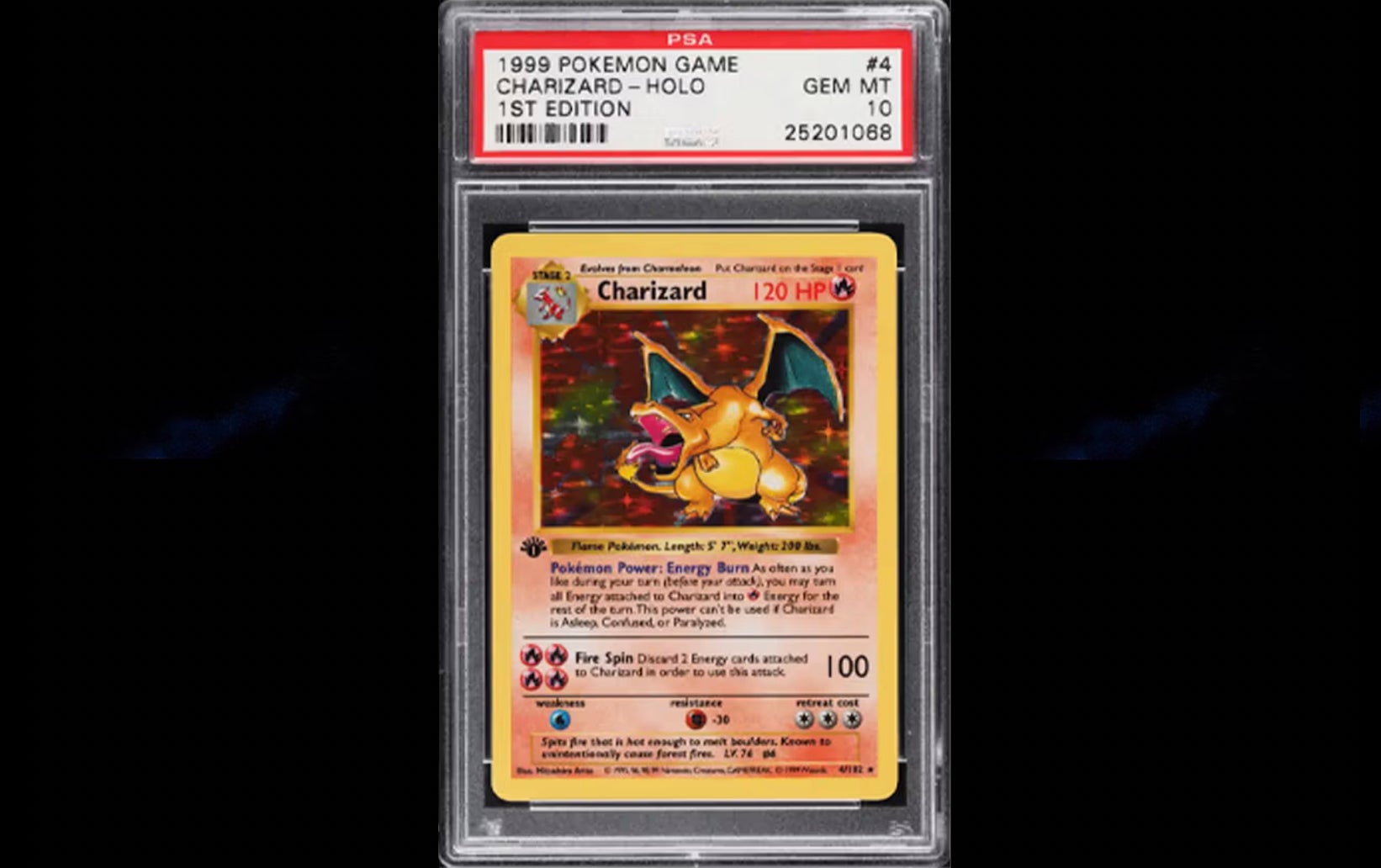
This new paradigm empowers collectors and investors alike, whether you’re holding a fraction of a trophy Charizard or building an entire digital vault of graded classics. Tokenized Pokémon cards offer security, liquidity, and market access at an unprecedented scale. For those ready to embrace this evolution in collectibles, the opportunities are as exciting as the risks are real.

No comments yet. Be the first to share your thoughts!