Tokenizing Pokémon cards as NFTs is fundamentally reshaping the landscape for collectors, investors, and crypto enthusiasts. With the Pokémon trading card market reaching new highs and tokenized assets surging to $124.5 million in value (per Medium · Miguel Morales), the intersection of physical collectibles and blockchain technology is no longer theoretical, it's actionable, accessible, and increasingly mainstream.
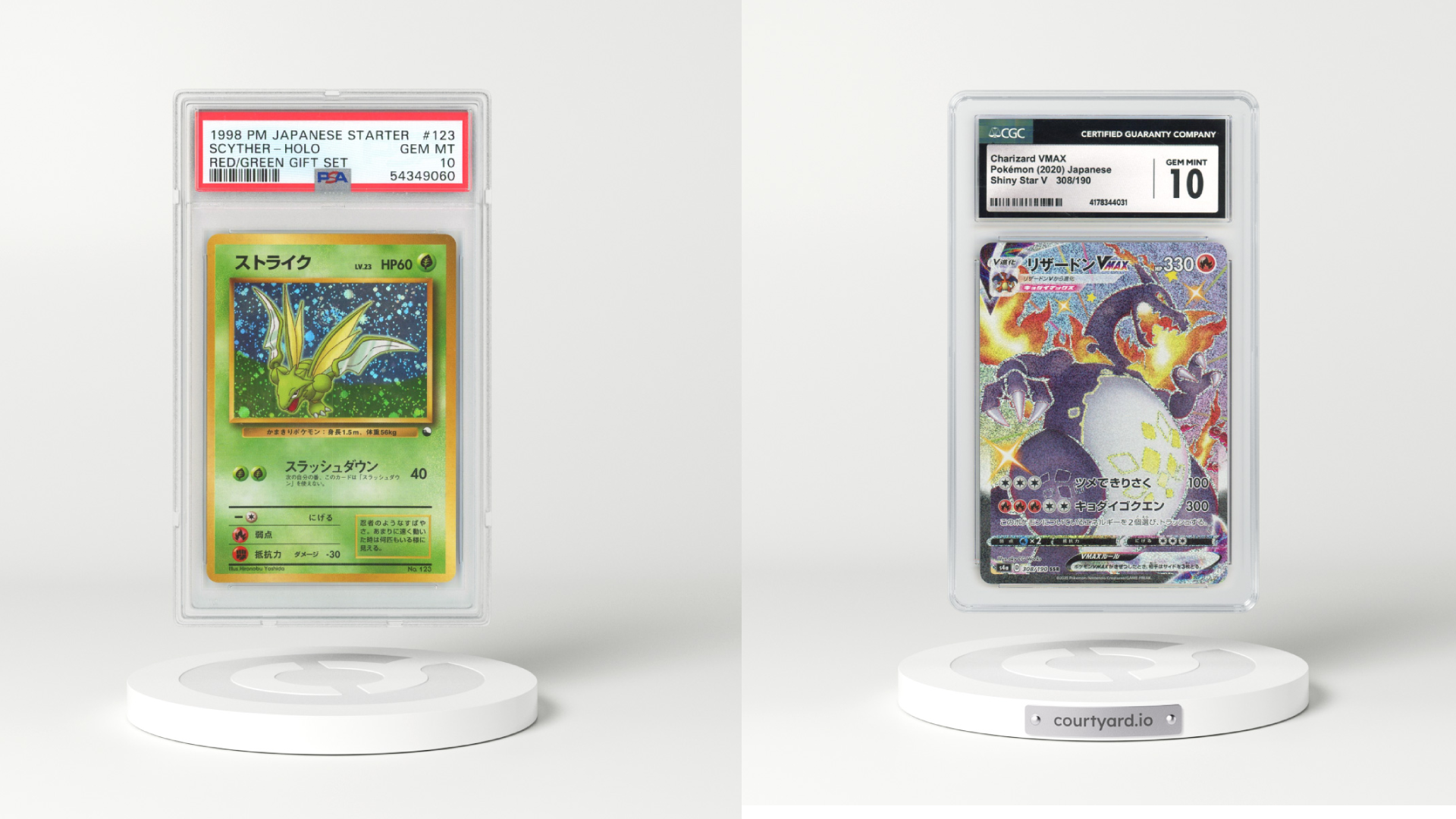
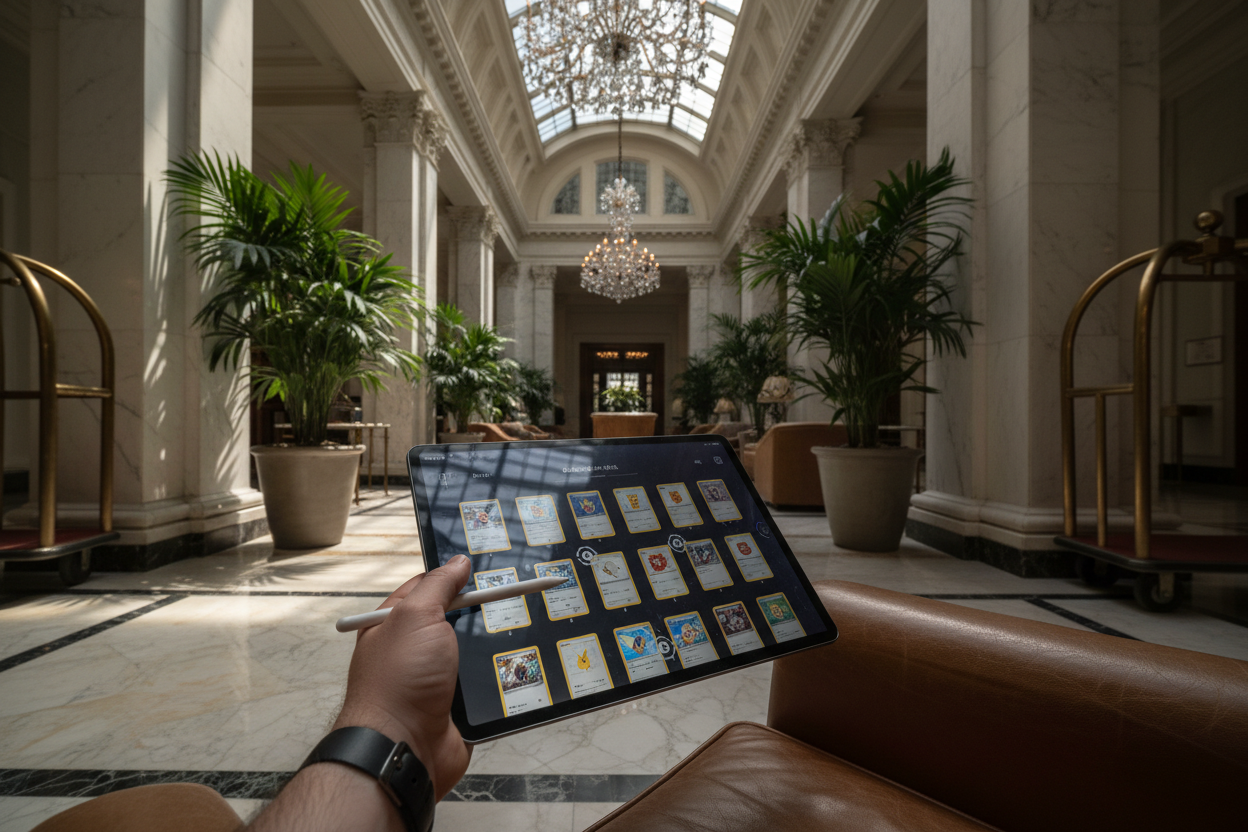
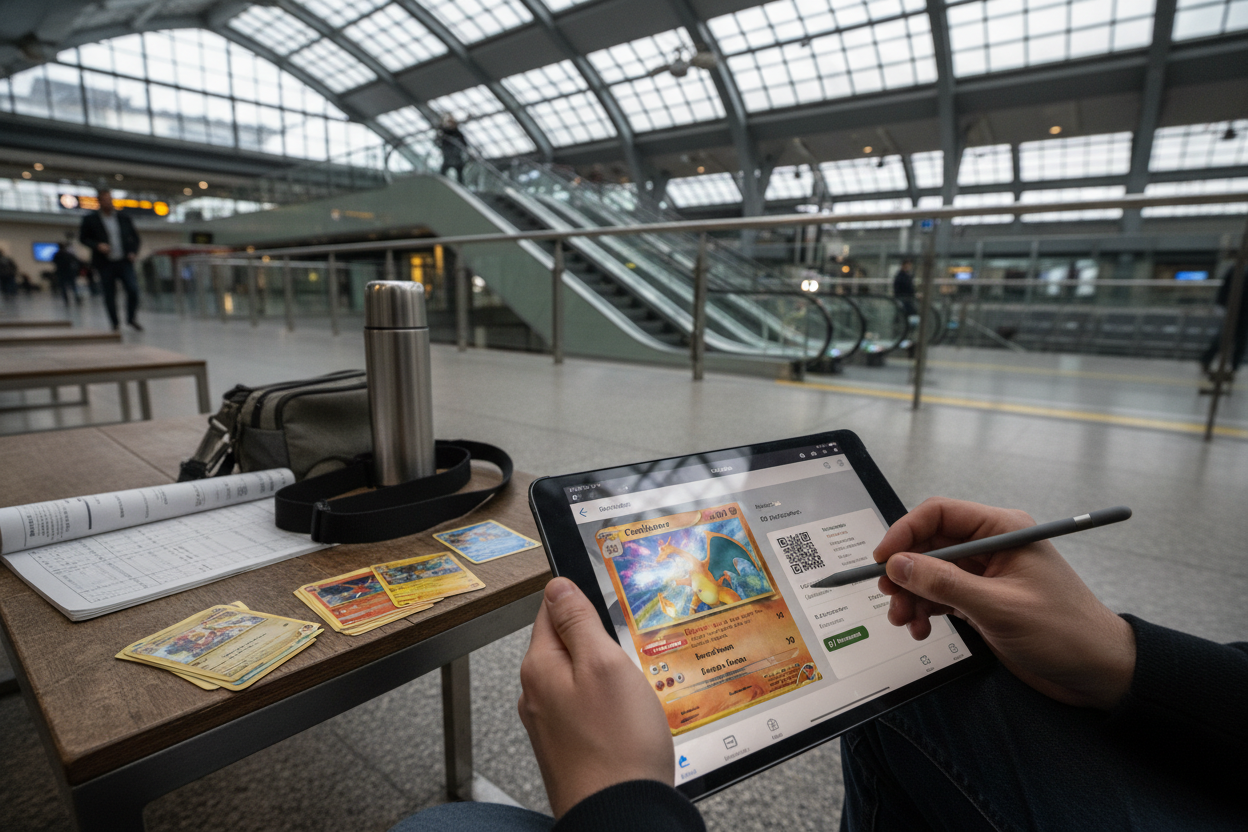
High-resolution photo of a rare Pokémon card being scanned or digitized for NFT creation, illustrating the process of turning physical collectibles into digital assets.

Why Tokenize Pokémon Cards? The Data-Driven Case

The rationale for tokenizing Pokémon cards is grounded in both security and liquidity. Traditional collecting requires physical storage, trusted grading, and often cumbersome peer-to-peer transactions. By contrast, Pokémon card NFTs offer:

  • Proof of Authenticity: NFTs act as immutable certificates of ownership on the blockchain.
  • Global Liquidity: Instantly list or trade your cards with collectors worldwide, no shipping required until final settlement.
  • Fractional Ownership: Some platforms enable users to purchase fractions of high-value cards, democratizing access to rare assets.
  • Programmable Royalties: Creators can receive royalties on secondary market trades.

This data-driven approach is fueling a new wave of interest. Projects like Collector Crypt have seen their $CARDS token surge as NFT-backed Pokémon cards become hot commodities (Bitget, MEXC).

The Tokenization Process: Step-by-Step Overview

If you’re ready to turn your physical collection into digital assets, here’s a concise breakdown based on recent industry best practices and current platform standards. For a more granular walkthrough, check out our detailed step-by-step guide.

Tokenizing Your Pokémon Card as an NFT: A Visual Step-by-Step Guide
A close-up, high-resolution photo setup of a rare Pokémon card on a clean background, with professional lighting and both sides visible.
Digitize Your Pokémon Card
Capture high-resolution, well-lit images of both the front and back of your Pokémon card. This digital image will serve as the visual representation for your NFT.
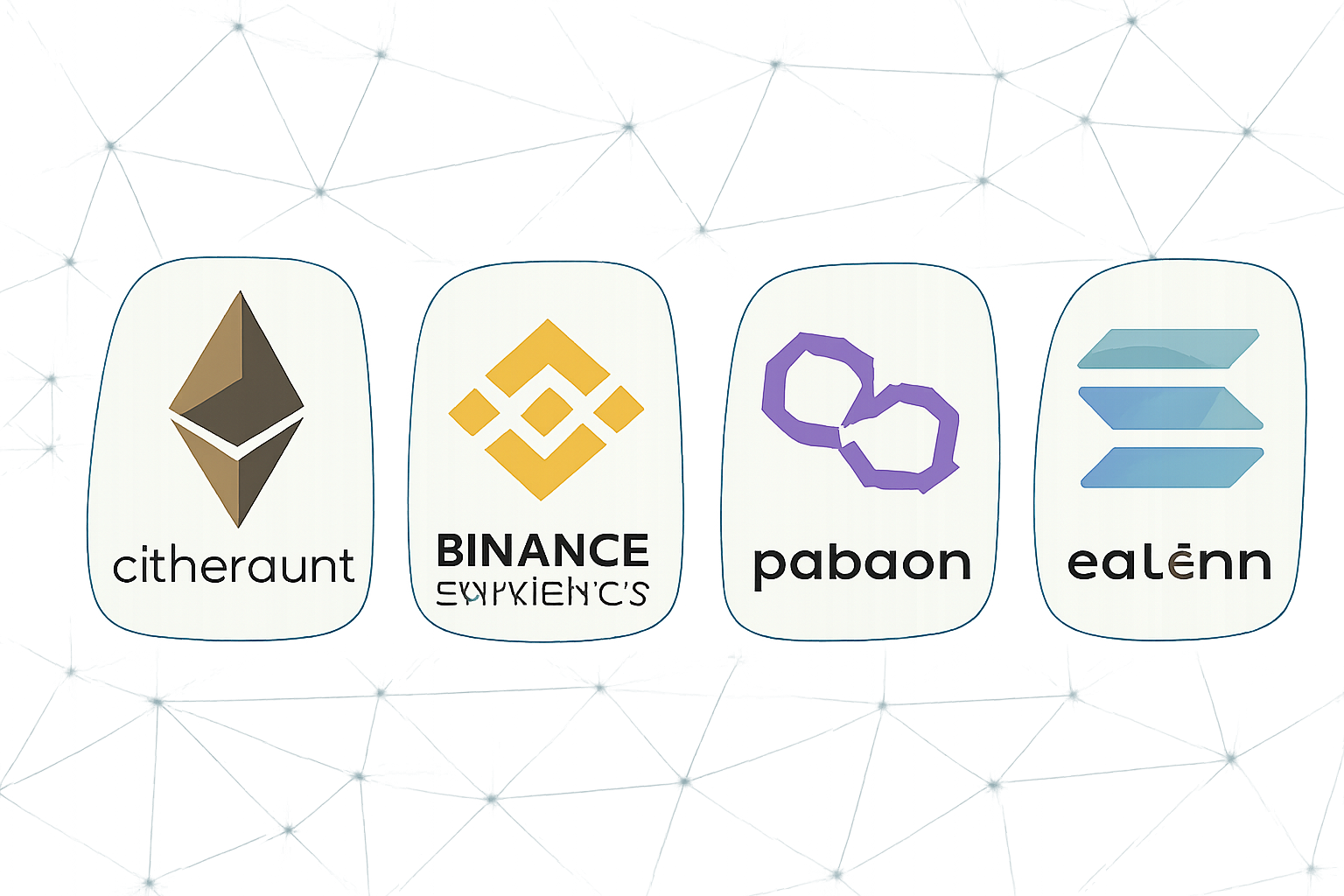
Logos of Ethereum, Binance Smart Chain, Polygon, and Solana arranged side by side, with digital network graphics in the background.
Choose a Blockchain Platform
Select a blockchain that supports NFTs. Ethereum is the most widely used, but Binance Smart Chain, Polygon, and Solana are also strong options. Consider transaction fees and community support when choosing.
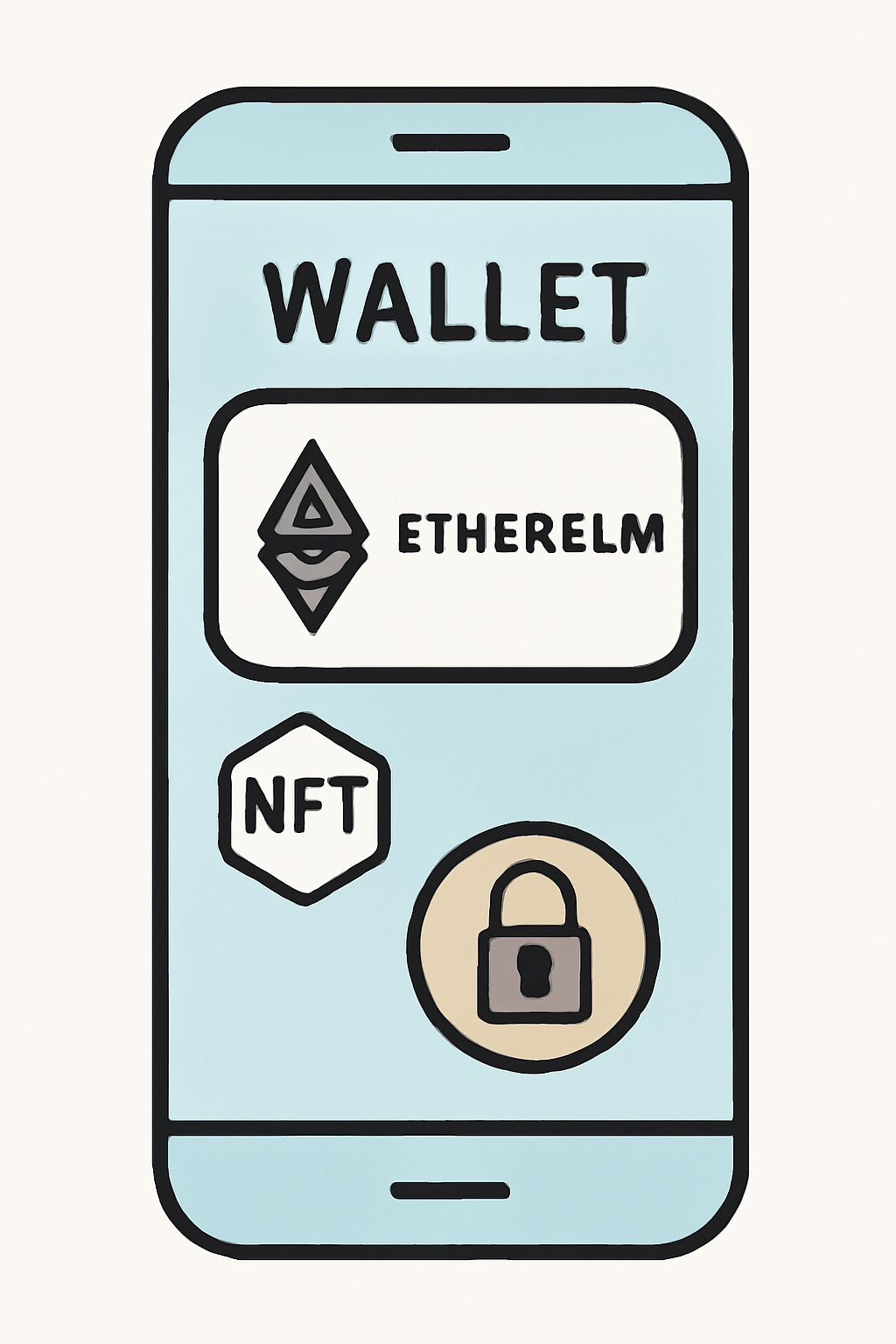
A digital wallet app interface on a smartphone, displaying Ethereum and NFT icons, with a secure lock symbol.
Set Up a Digital Wallet
Create a cryptocurrency wallet compatible with your chosen blockchain. For Ethereum, MetaMask is popular; for Binance Smart Chain, use Binance Chain Wallet. This wallet will store your NFTs and manage transactions.
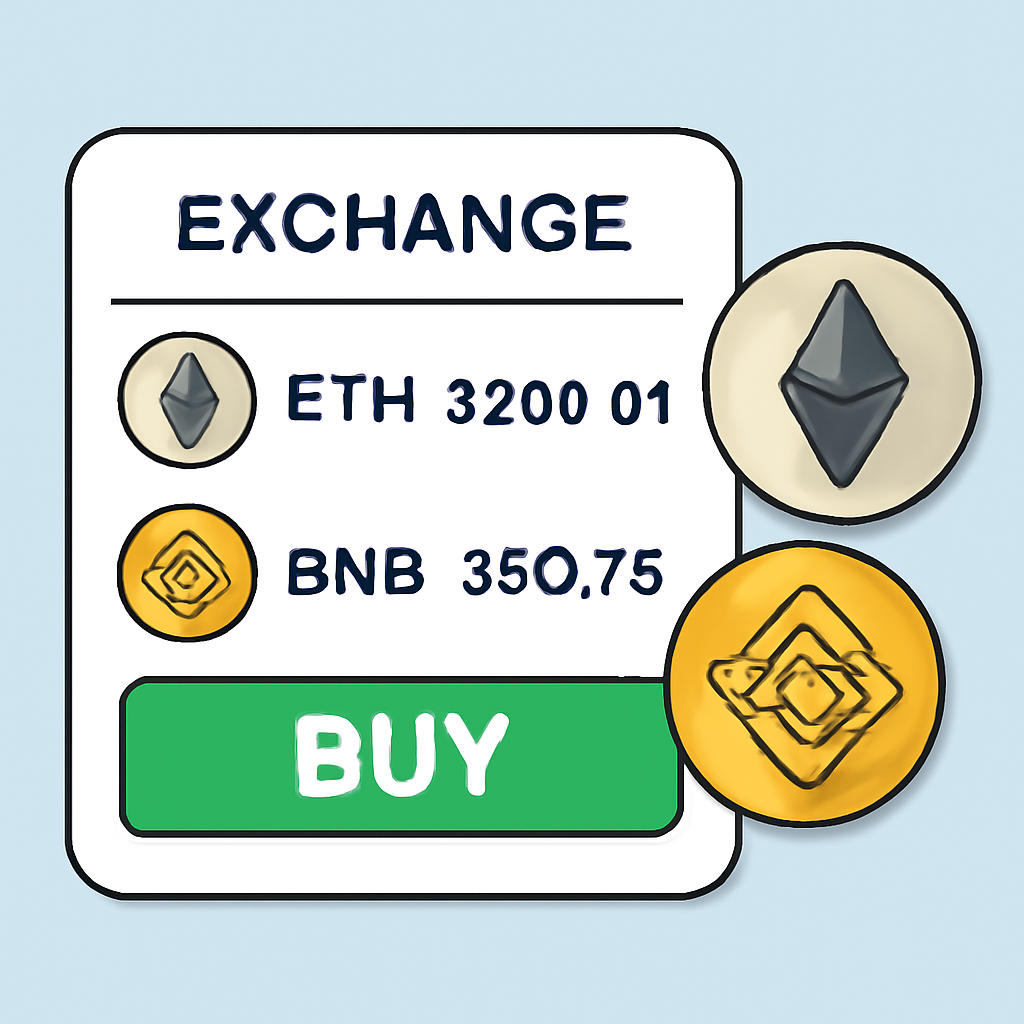
A digital exchange screen showing ETH and BNB prices, with a 'Buy' button highlighted and coins visually represented.
Purchase Cryptocurrency
Buy the native cryptocurrency of your selected blockchain (e.g., ETH for Ethereum, BNB for Binance Smart Chain) to cover transaction fees for minting and transferring NFTs. Reference current market prices before purchasing.
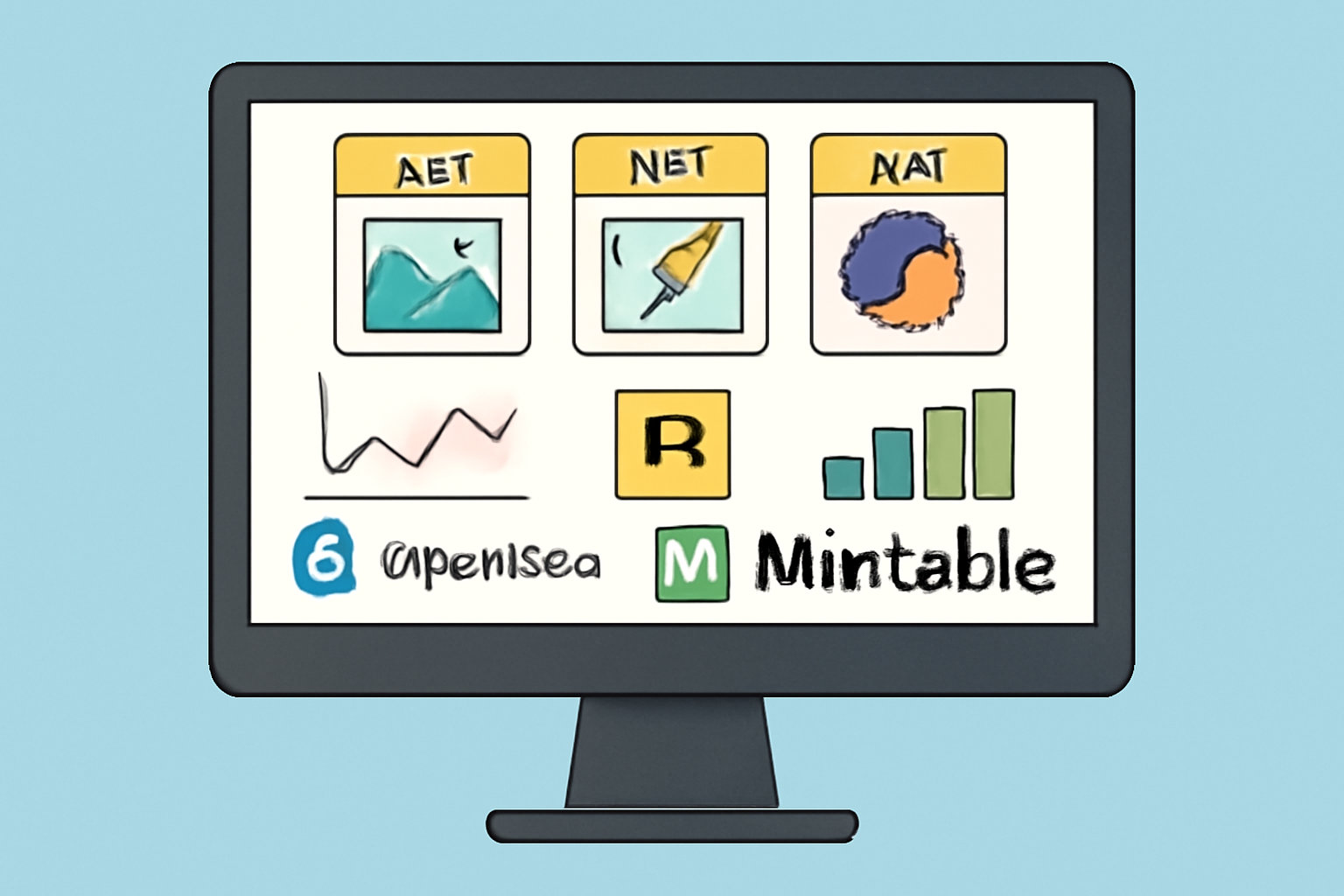
A computer screen displaying the OpenSea, Rarible, and Mintable logos, with NFT cards and trading charts in the background.
Select an NFT Marketplace
Choose a marketplace that supports your blockchain for minting and selling NFTs. OpenSea, Rarible, and Mintable are prominent options. Confirm compatibility with your chosen blockchain.
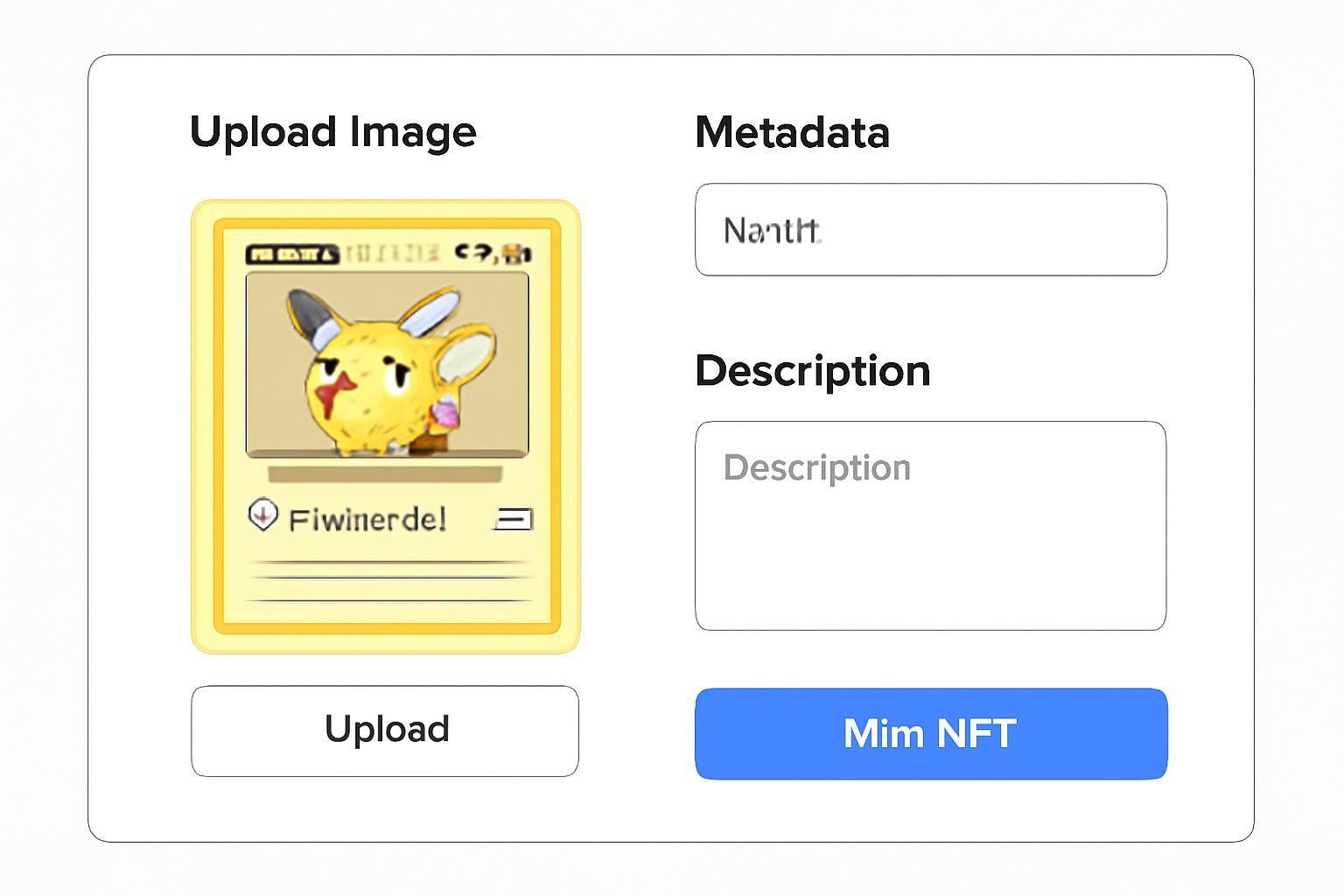
A web interface showing NFT creation: image upload, metadata fields, and a 'Mint NFT' button, with a Pokémon card image on display.
Mint Your Pokémon Card NFT
Connect your wallet to the marketplace, upload your card images, and add detailed metadata (name, edition, condition, unique attributes). Set your price and royalties, then pay the minting fee to create your NFT.
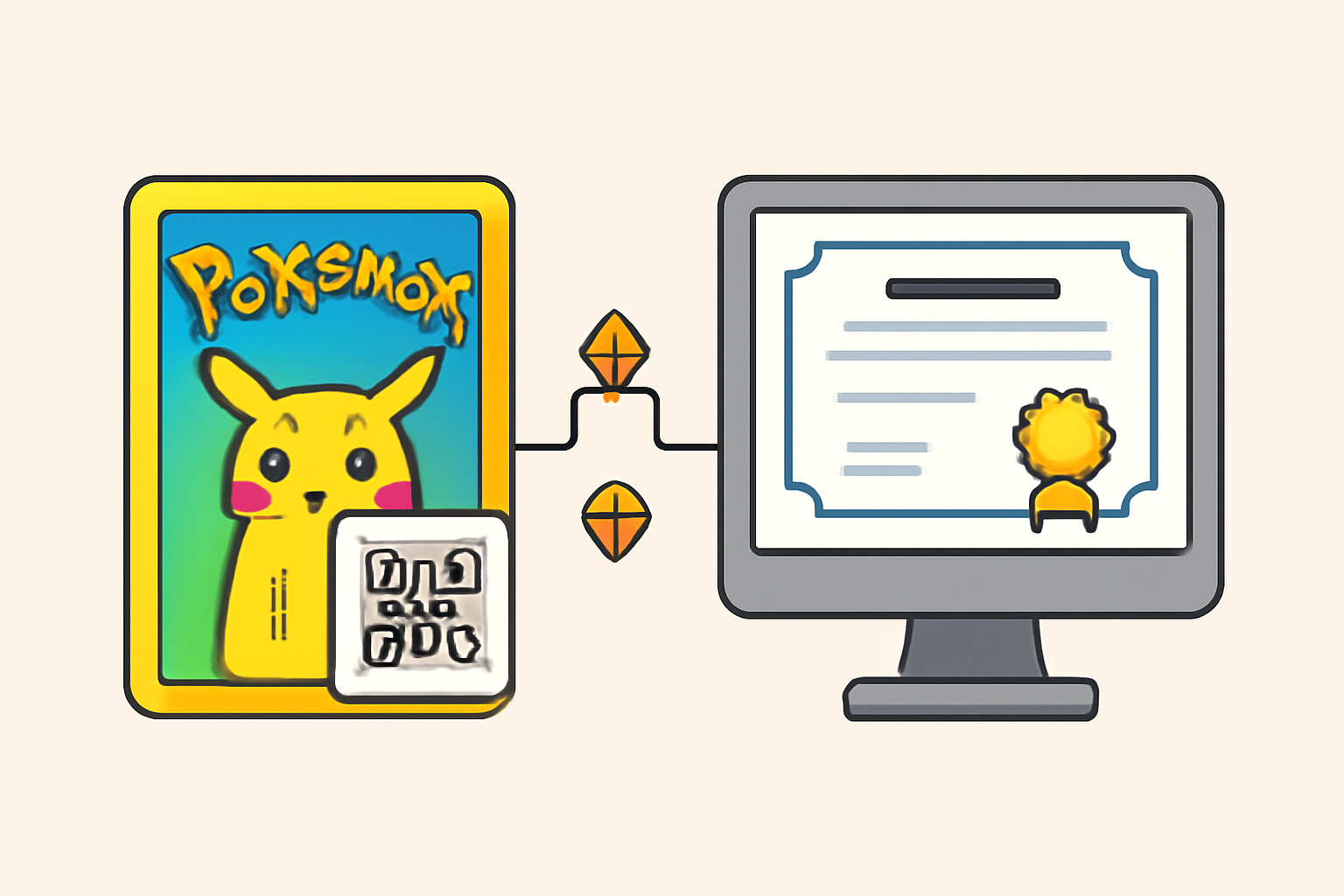
A Pokémon card with a QR code sticker, a digital certificate on a screen, and blockchain icons connecting them.
Link the NFT to the Physical Card
Assign a unique identifier to the physical card and include it in the NFT metadata. Consider adding a QR code or NFC tag to the card that links to the NFT’s blockchain record. Provide a digital certificate of authenticity within the NFT.
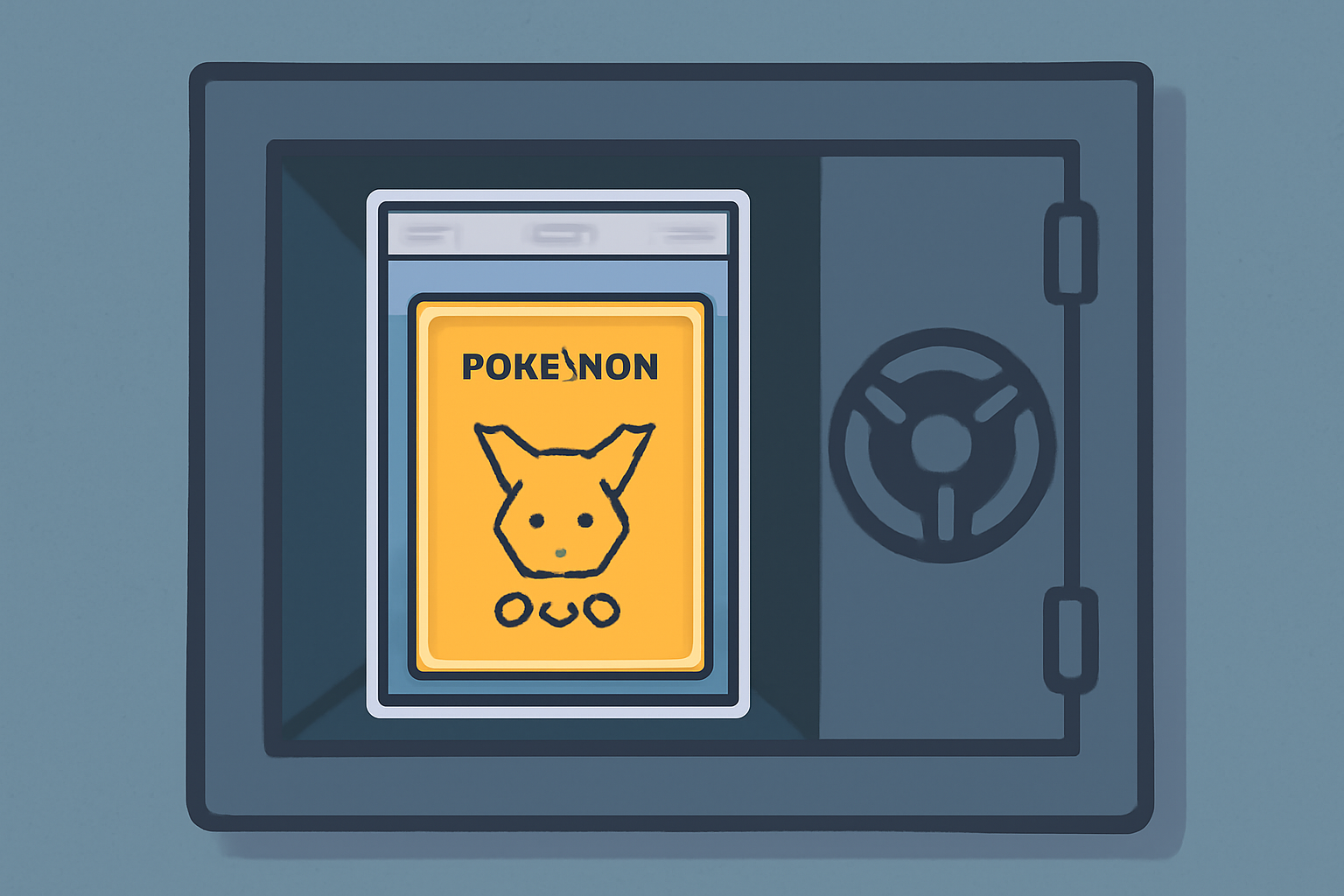
A rare Pokémon card inside a transparent, sealed protective case, placed in a secure vault or safe.
Store and Protect the Physical Card
Securely store your physical Pokémon card in a protective case or vault to maintain its condition. The NFT’s value is directly tied to the state of the physical asset.
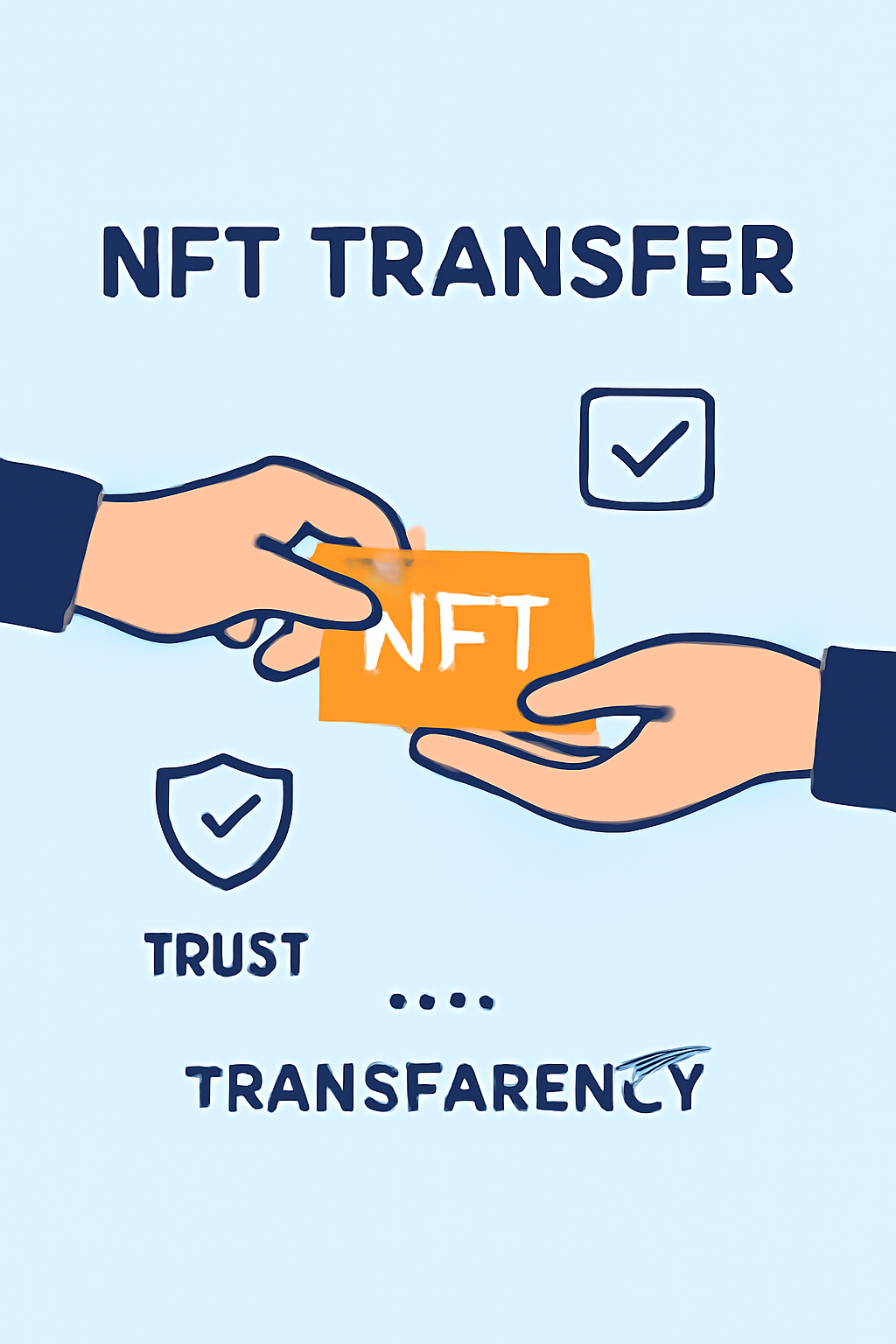
A digital NFT transfer screen, with hands exchanging a card and digital confirmation icons, emphasizing trust and transparency.
Transfer or Sell the NFT
When selling or transferring your NFT, clearly explain the process for transferring the physical card. Build trust by providing verifiable details about the card’s authenticity and condition.
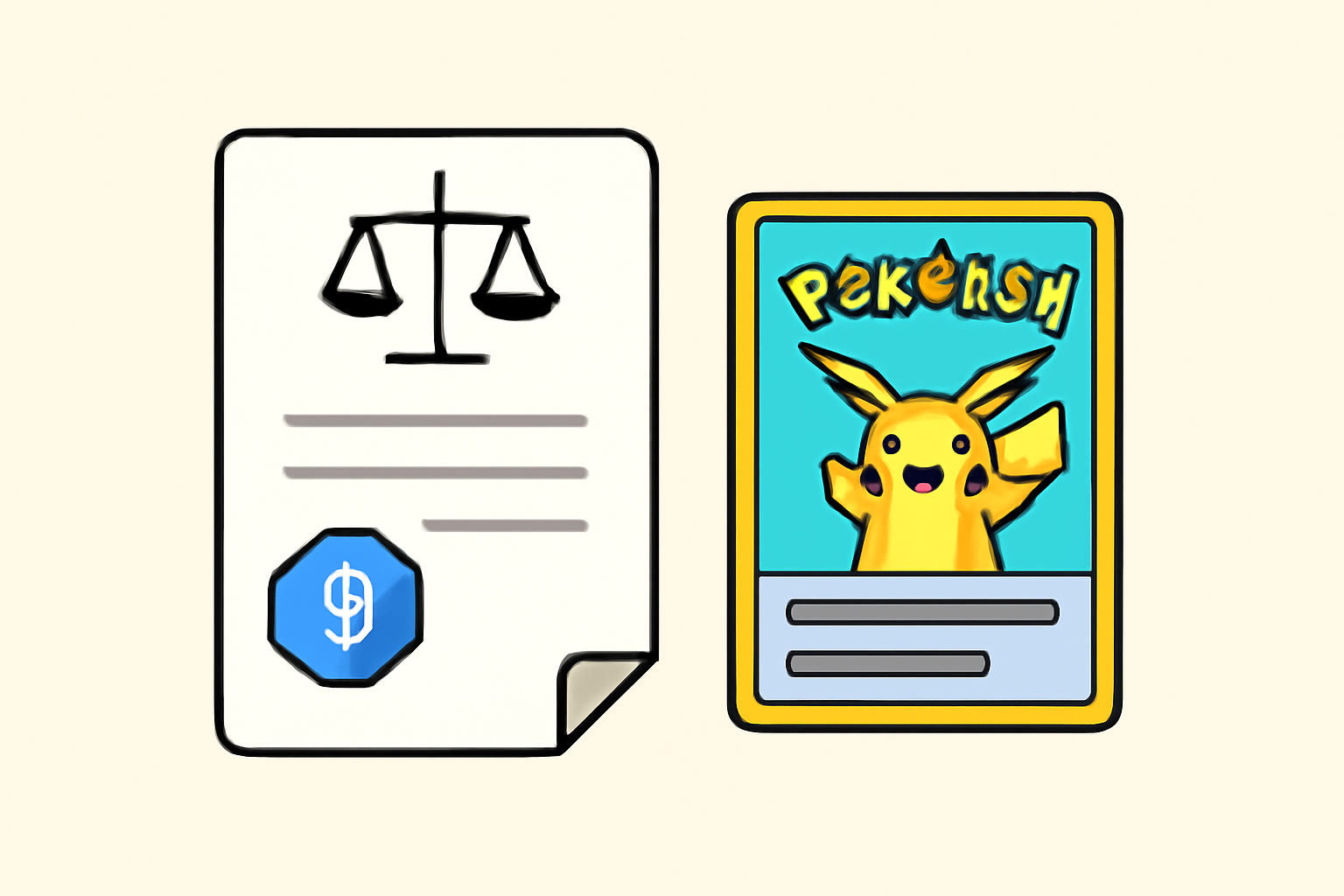
A legal document with a blockchain seal, scales of justice, and a Pokémon card beside it, representing compliance and ownership.
Understand Legal Considerations
Ensure that NFT and physical card ownership transfers comply with relevant laws and regulations. The NFT should represent legal ownership of the physical card to avoid disputes.
  1. Digitize Your Cards: Use high-resolution scans or photos that clearly show both sides of each card. Proper imaging is critical for authenticity checks.
  2. Select a Blockchain Platform: Ethereum remains dominant, but alternatives like Polygon and Solana offer lower fees. Choose based on your priorities, network effect or cost efficiency.
  3. Create a Digital Wallet: MetaMask (for Ethereum) or Binance Chain Wallet (for Binance Smart Chain) are top choices. This wallet will store your NFT once minted.
  4. Purchase Cryptocurrency: Acquire enough ETH, BNB, or SOL to cover minting costs. Transaction fees can fluctuate; check current rates before proceeding.
  5. Select an NFT Marketplace: OpenSea, Rarible, and Mintable are leading options. Ensure your chosen marketplace supports your blockchain of choice and allows for detailed metadata entry.

The Critical Link: Connecting Your NFT to the Physical Card

The true value proposition comes from linking the digital token to the real-world asset. Top platforms now require a unique identifier (QR code, NFC tag) attached to each card, which is then referenced in the NFT’s metadata. This ensures that when you buy a Pokémon card NFT, you’re not just acquiring pixels, you’re gaining verifiable ownership of a tangible collectible securely stored in a vault or by a trusted custodian (see CoinGecko's platform analysis). Some leading projects even provide on-chain certificates of authenticity embedded within each NFT.

Pokémon Card Tokenization Preparation Checklist

  • Capture high-resolution, well-lit images of both sides of each Pokémon card.📸
  • Catalog your cards, noting edition, condition, and unique attributes for each.🗂️
  • Assign a unique identifier (e.g., serial number) to every card for NFT linkage.🔢
  • Consider tagging each card with a QR code or NFC chip for digital verification.🔗
  • Prepare a digital certificate of authenticity for each card.📄
  • Ensure all cards are stored in protective sleeves and kept in a secure, climate-controlled environment.🛡️
  • Document the storage location and security measures for your collection.🏷️
  • Review legal considerations regarding the tokenization and transfer of physical assets.⚖️
Your Pokémon card collection is now fully prepared for tokenization—you're ready to bridge the gap between physical collectibles and the digital NFT marketplace!

This hybrid model, NFT plus physical custody, is what’s driving renewed confidence and price discovery in trading card crypto markets. As always, ensure you understand both the technical steps and legal implications before minting or trading. For further reading on how these processes work across different blockchains and marketplaces, see our comprehensive resource at How to Tokenize Pokémon Cards as NFTs: A Step-by-Step Guide for Collectors.

As the Pokémon card NFT space matures, collectors are not just tokenizing for novelty, they’re seeking enhanced liquidity, transparency, and global access. The presence of secure vaulting services and immutable on-chain metadata means that buyers and sellers can transact with unprecedented confidence. This is especially crucial as the market for tokenized Pokémon cards continues to expand, with total value locked in these digital assets reaching $124.5 million according to recent data from Medium · Miguel Morales.

Beyond Minting: Trading, Lending, and Fractionalization

Once your Pokémon card is tokenized, a world of opportunity opens up. Leading platforms like Collector Crypt and tcgonchain. com are pioneering models where NFTs can be traded instantly, used as collateral for crypto loans, or even fractionalized, allowing multiple collectors to own a share of a single high-value card. This evolution is making Pokémon card NFTs more than collectibles; they’re becoming dynamic financial instruments within the broader real-world asset NFT ecosystem.

  • Trading: NFT marketplaces enable 24/7 global trading without the friction of physical shipping. Settlement is rapid and transparent.
  • Lending: Some platforms now allow you to use your Pokémon card NFTs as collateral. While practical limits remain (as noted by Yahoo Finance), this trend is gaining traction.
  • Fractionalization: By breaking ownership into shares, rare cards become accessible to a wider audience, further boosting liquidity and price discovery.

The ecosystem is evolving quickly. For those seeking a deeper dive into advanced strategies, like leveraging NFTs for DeFi or participating in community governance, visit our extended guide: How to Tokenize Your Pokémon Cards as NFTs: Step-by-Step Guide for Collectors.

Key Considerations Before You Tokenize

Due diligence is paramount. The security of your physical card, the reputation of your chosen platform, and the clarity of legal ownership transfer should all be verified before minting. The best-in-class platforms provide transparent custody solutions and robust dispute resolution processes. Always review marketplace policies regarding physical redemption and ensure your NFT’s metadata contains accurate, verifiable details.

Legal, Technical, and Storage FAQs for Tokenizing Pokémon Cards

Is it legal to tokenize and sell Pokémon cards as NFTs?
Tokenizing Pokémon cards as NFTs is generally legal, but there are important considerations. The process involves creating a digital representation of your physical card and selling it as an NFT. However, you must ensure that the transfer of the NFT equates to the legal transfer of the physical card. Additionally, be mindful of intellectual property rights—using official Pokémon imagery or branding without permission could potentially violate copyright laws. Always consult local regulations and, if needed, seek legal advice before proceeding.
⚖️
How is the authenticity of a tokenized Pokémon card verified?
Authenticity is critical when tokenizing Pokémon cards as NFTs. Leading platforms require the physical card to be stored in a secure vault, and a unique identifier (such as a QR code or NFC tag) is attached to the card. This identifier is referenced in the NFT's metadata, ensuring that the digital token is directly linked to the real-world asset. Some platforms also provide a digital certificate of authenticity within the NFT for additional verification.
🔍
What happens to the physical Pokémon card after it is tokenized?
After tokenization, the physical Pokémon card is typically stored in a secure vault or with a trusted custodian. This is essential because the value of the NFT is intrinsically tied to the condition and existence of the physical card. Secure storage protects against damage, theft, or loss, and reputable platforms provide regular audits or proof-of-reserve mechanisms to assure NFT holders that the card remains safe and accessible.
🏦
Can I redeem or receive my physical card if I own the NFT?
Yes, most platforms allow NFT holders to redeem the physical Pokémon card, but the process varies. You may need to burn (destroy) the NFT or follow a specific redemption protocol to claim the card from the vault. Always check the platform’s terms regarding redemption fees, shipping, and transfer of ownership. Clear communication and transparency are key to ensuring a smooth redemption experience.
📦
Are there any technical risks or challenges in tokenizing Pokémon cards?
Technical risks include smart contract vulnerabilities, wallet security, and blockchain compatibility. If the NFT platform or underlying blockchain faces technical issues, your NFT could become inaccessible. Additionally, improper linking between the NFT and the physical card (such as missing or incorrect metadata) can undermine authenticity. Always use reputable platforms, double-check all details before minting, and keep your wallet credentials secure to minimize risks.
🛡️

The Future of Trading Card Crypto: What’s Next?

The convergence of blockchain and collectibles is still in its early innings. As regulatory clarity improves and infrastructure matures, expect new features like automated royalty payments, cross-chain interoperability, and enhanced provenance tracking. With $124.5 million already circulating in tokenized Pokémon cards alone, mainstream adoption is accelerating, and platforms like tcgonchain. com are helping set the standard for security and transparency in this space.

If you’re ready to bridge your collection into the digital era, or simply want to stay ahead of the curve, the time to explore Pokémon card NFTs is now. The tools are robust, the market is liquid, and the upside potential for both collectors and investors has never been greater.