
Tokenizing your Pokémon cards as NFTs is no longer a futuristic dream - it's the cutting edge of trading card collecting in 2025. Imagine transforming your rare Charizard or shadowless Blastoise into a digital asset that lives securely on the blockchain, instantly tradable with collectors worldwide. This process, called trading card RWA tokenization, bridges physical and digital ownership, unlocking new levels of liquidity, authenticity, and collector confidence. If you’re eager to explore Pokémon card NFTs, this step-by-step guide breaks down everything you need to know, with practical tips and the latest market context.

Why Tokenize Your Pokémon Cards?
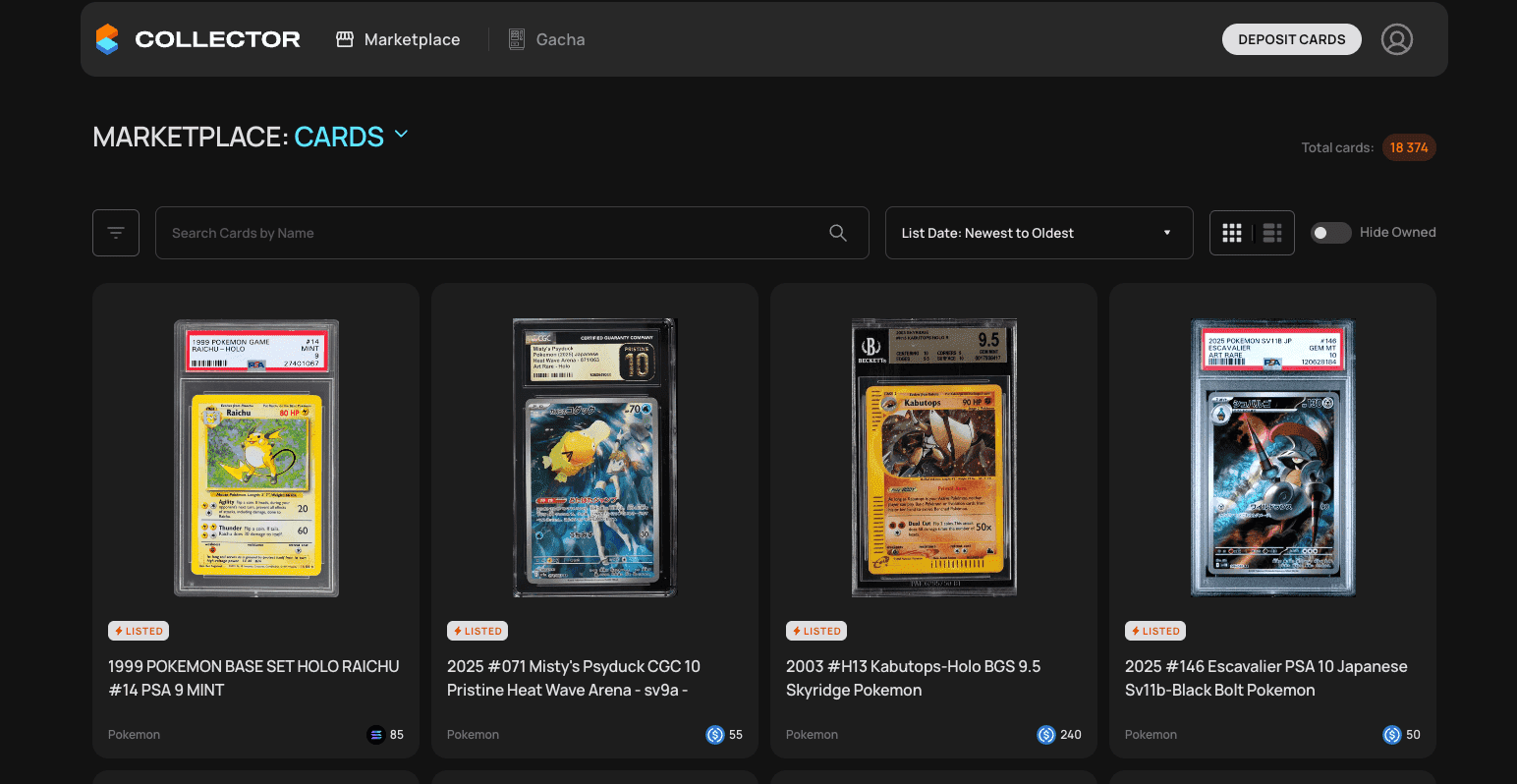
The buzz is real: Pokémon cards are becoming the new NFT frontier, but with a critical difference from pixel-only art. Tokenized Pokémon cards are NFTs backed by real, physical assets, not just digital images. This means your card’s uniqueness and scarcity are verifiable on-chain, while the physical original can be vaulted and insured for maximum security. Platforms like Collector Crypt and Courtyard have made headlines by vaulting physical cards and issuing corresponding NFTs on chains like Solana and Polygon, giving collectors instant access to global liquidity without sacrificing authenticity.
“NFTs are worthless online pixels. Pokémon cards are physical objects that have a limited amount of genuine copies printed. ”
- Reddit user on r/pokemoncardcollectors
Step 1: Digitize Your Pokémon Cards
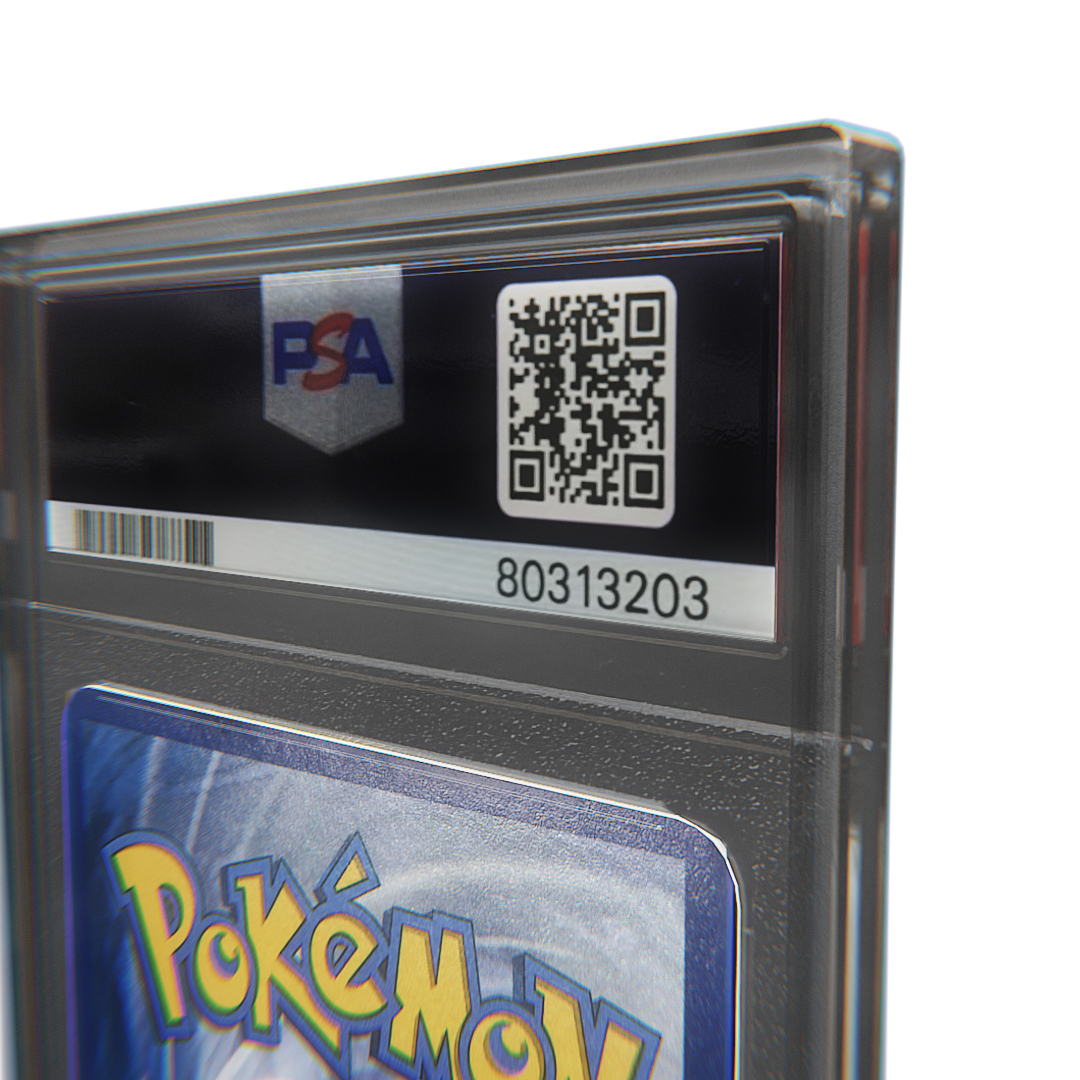
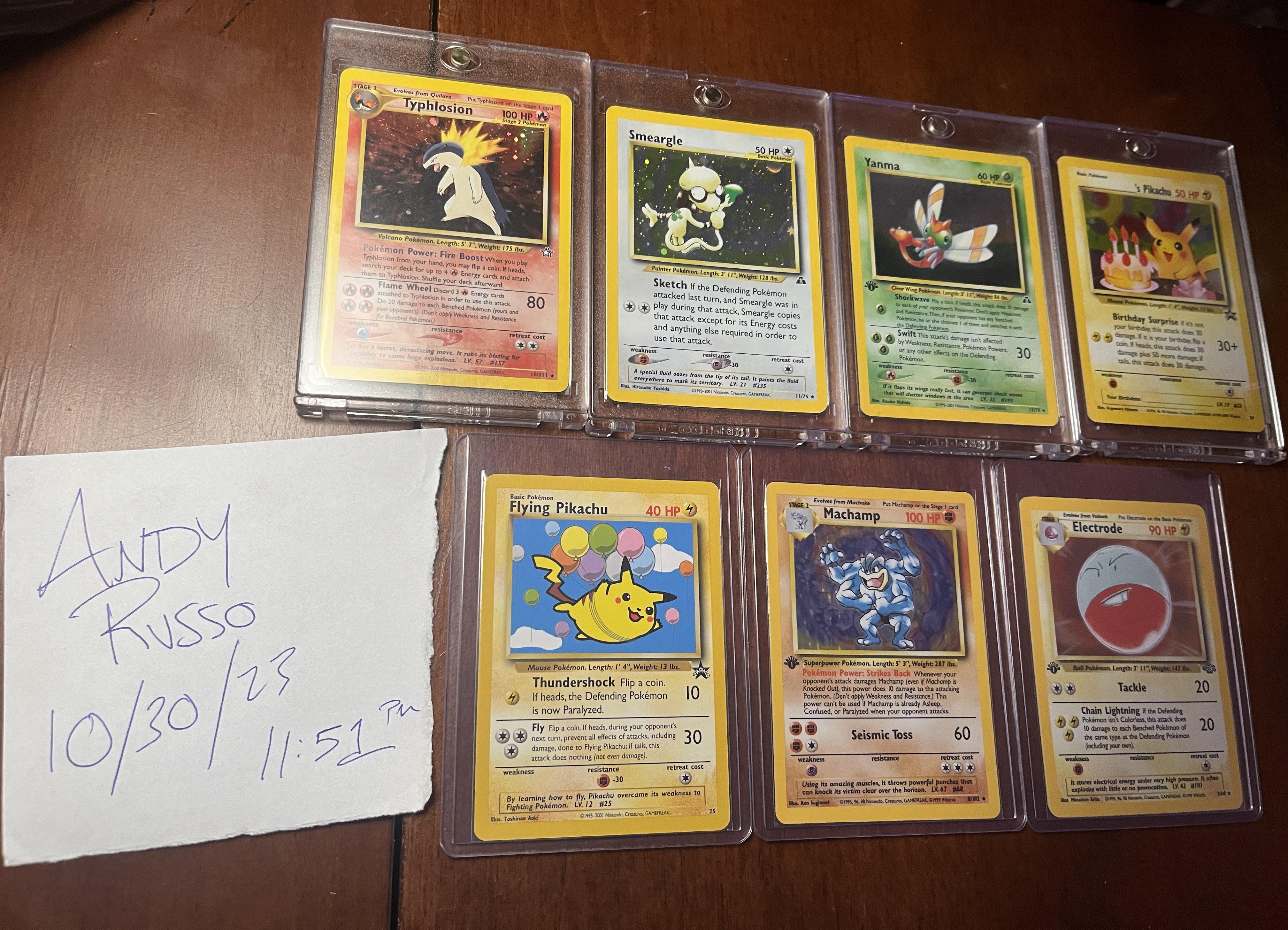
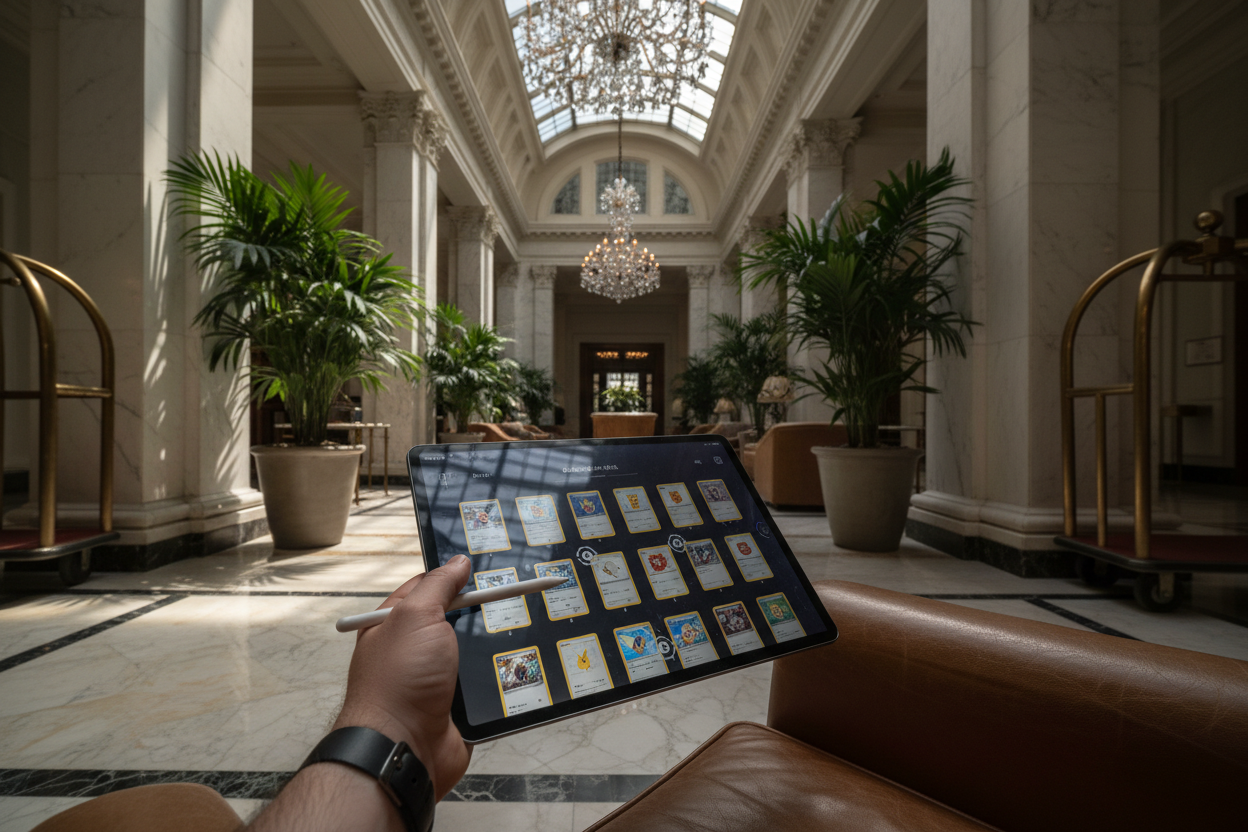
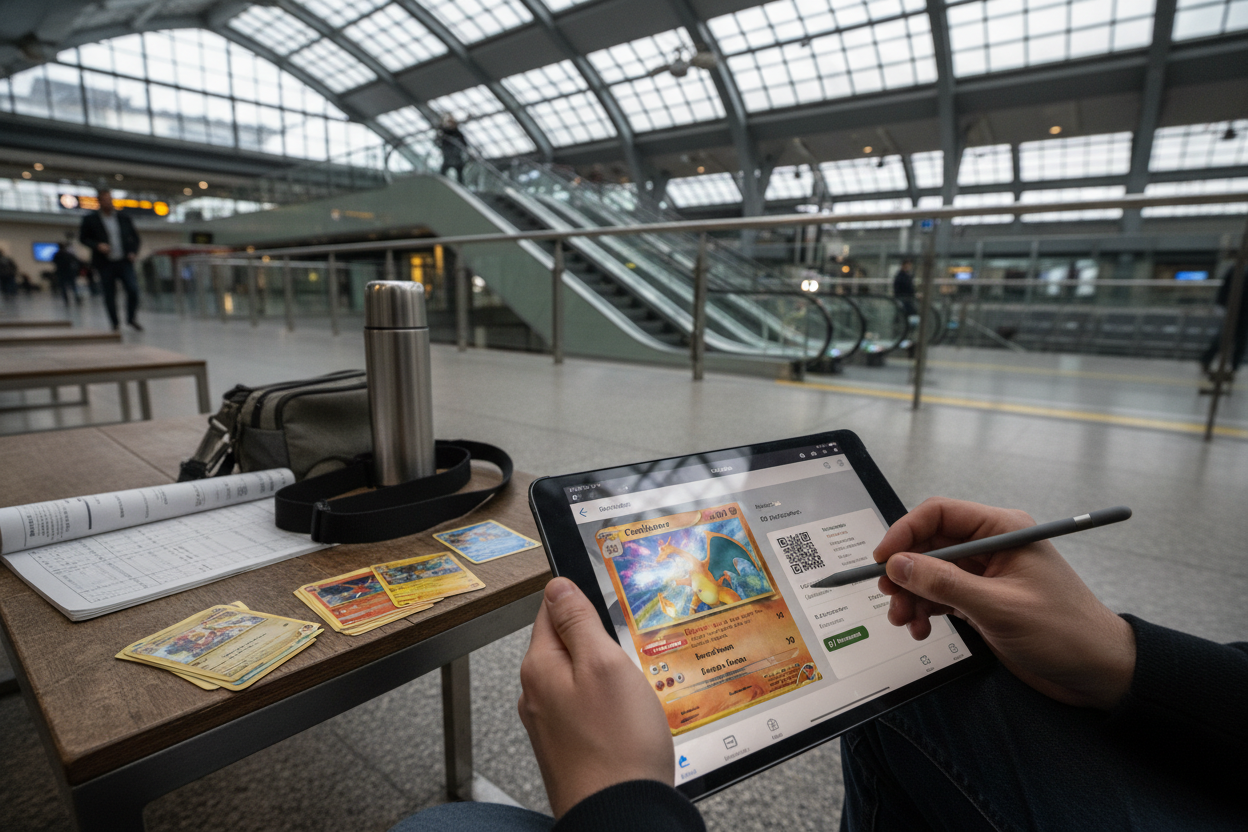
Your journey begins by digitizing your collection. High-resolution images or scans are essential - both for the NFT’s visual appeal and for verification during minting. Take your time here: use natural lighting, capture every edge, and avoid glare. The goal is to showcase every detail that makes your card unique, from holofoil patterns to PSA grading labels.
Essential Tools for Digitizing Pokémon Cards
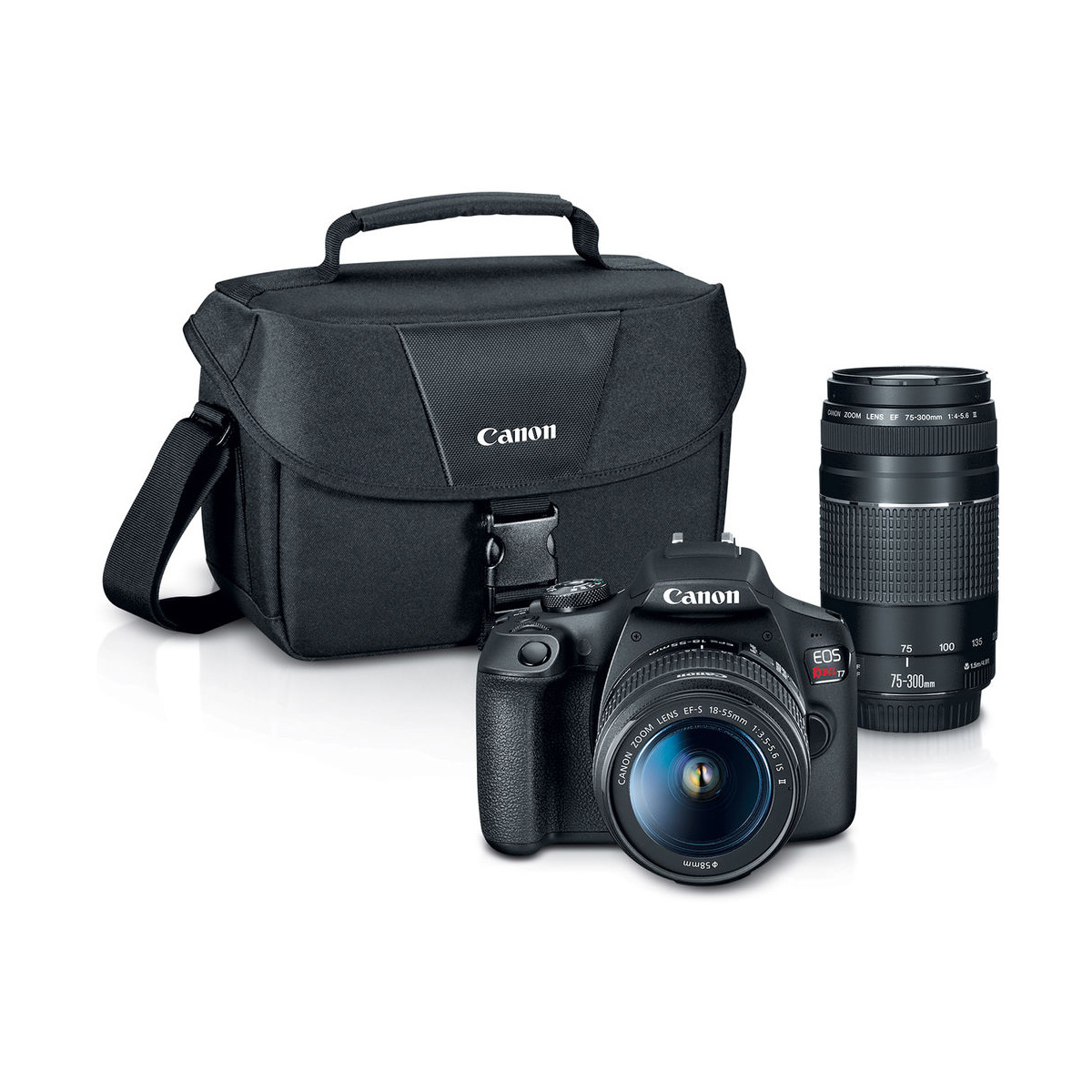
- High-Resolution Camera or Scanner: Use a DSLR camera like the Canon EOS Rebel T7 or a scanner such as the Epson Perfection V600 to capture sharp, detailed images of your Pokémon cards.
- Photo Editing Software: Refine your card images with trusted tools like Adobe Photoshop or GIMP to enhance clarity and correct colors before minting.
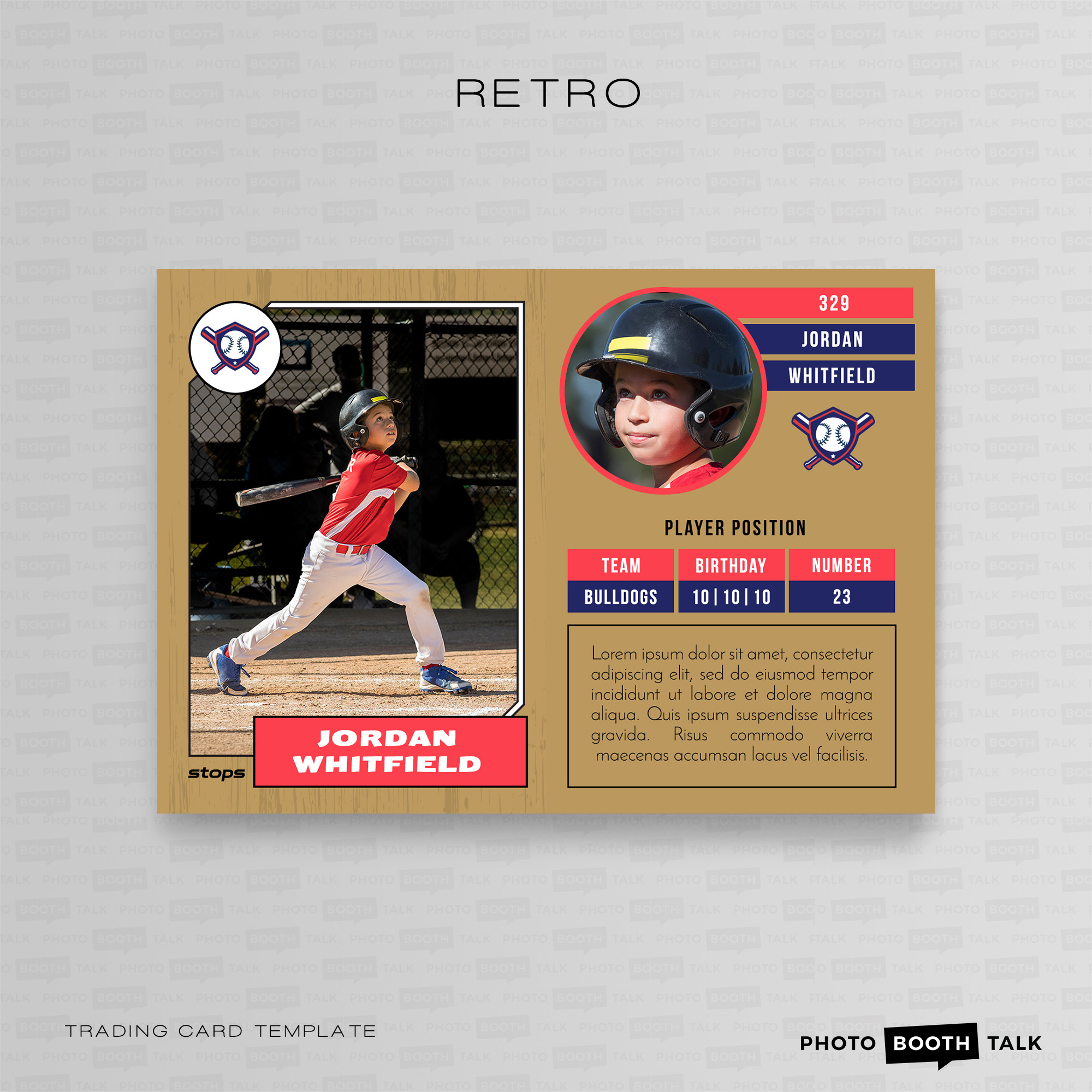
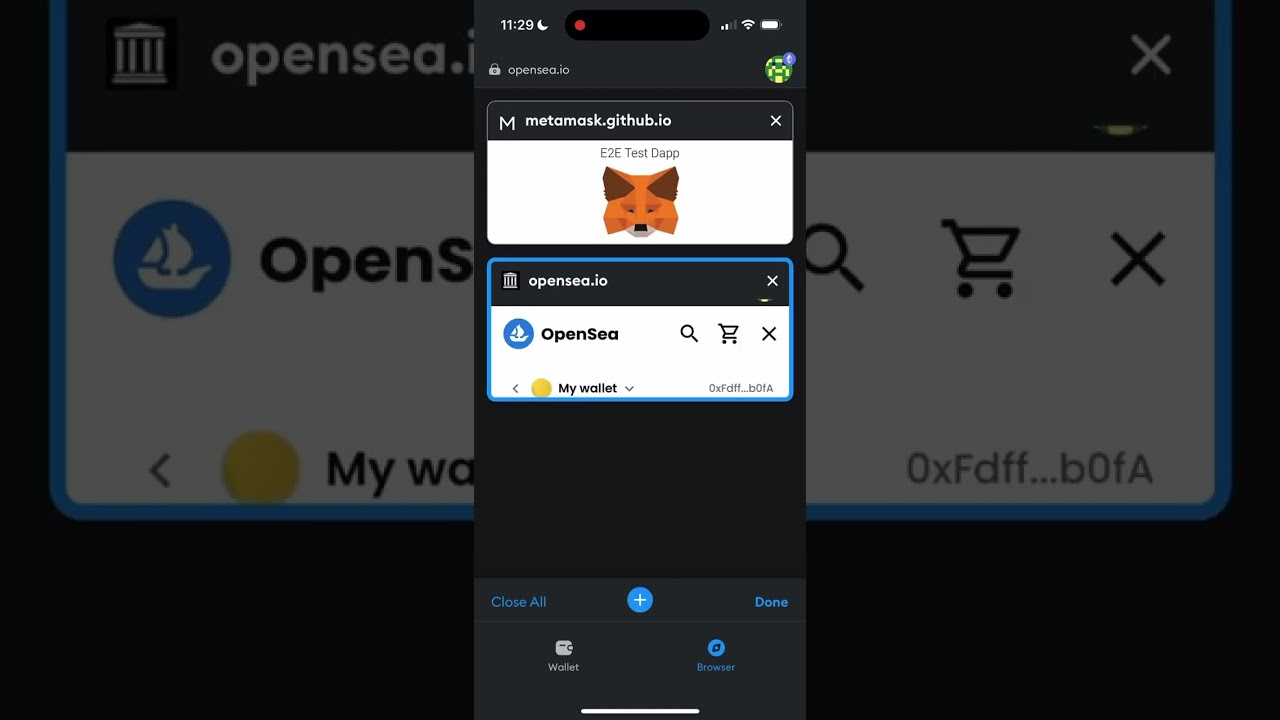
- MetaMask Wallet: Securely store and manage your NFTs and crypto assets on Ethereum or Polygon with the widely-used MetaMask browser extension or mobile app.
- Phantom Wallet: For Solana-based NFTs, the Phantom Wallet offers an easy and secure way to handle your digital assets.
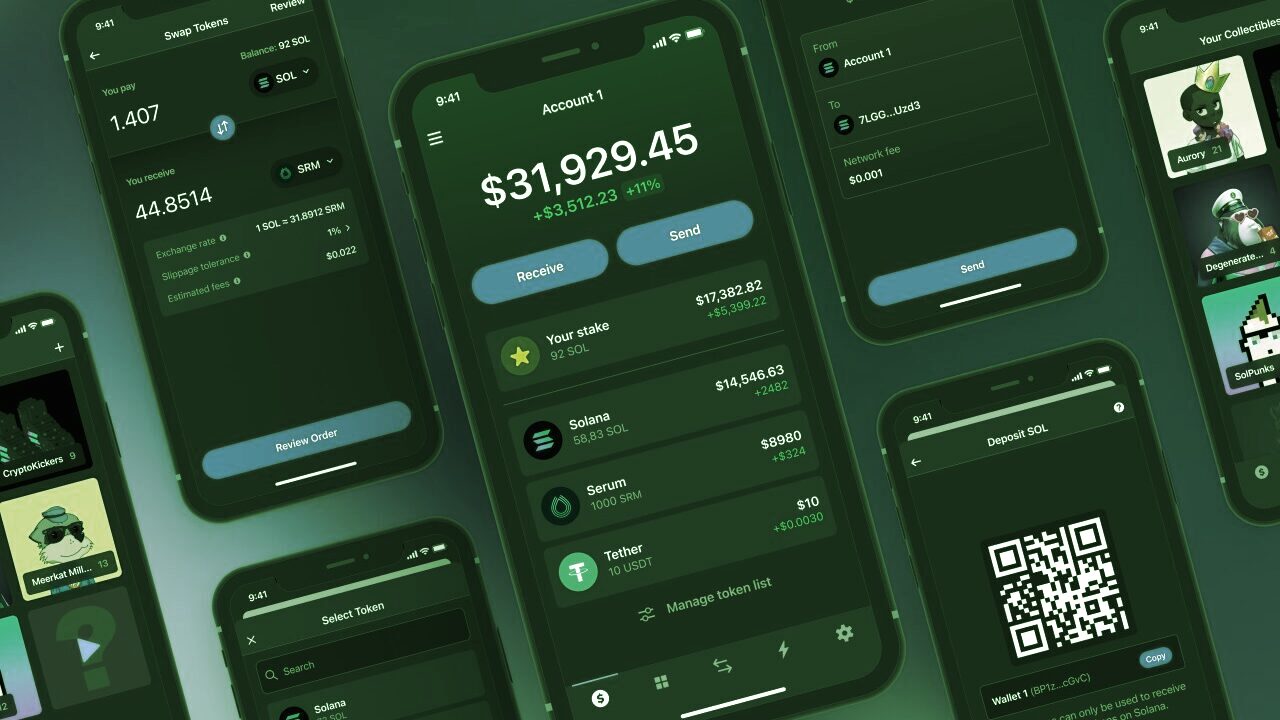
- OpenSea Marketplace: List, mint, and trade your tokenized Pokémon cards on OpenSea, the largest NFT marketplace supporting Ethereum and Polygon.
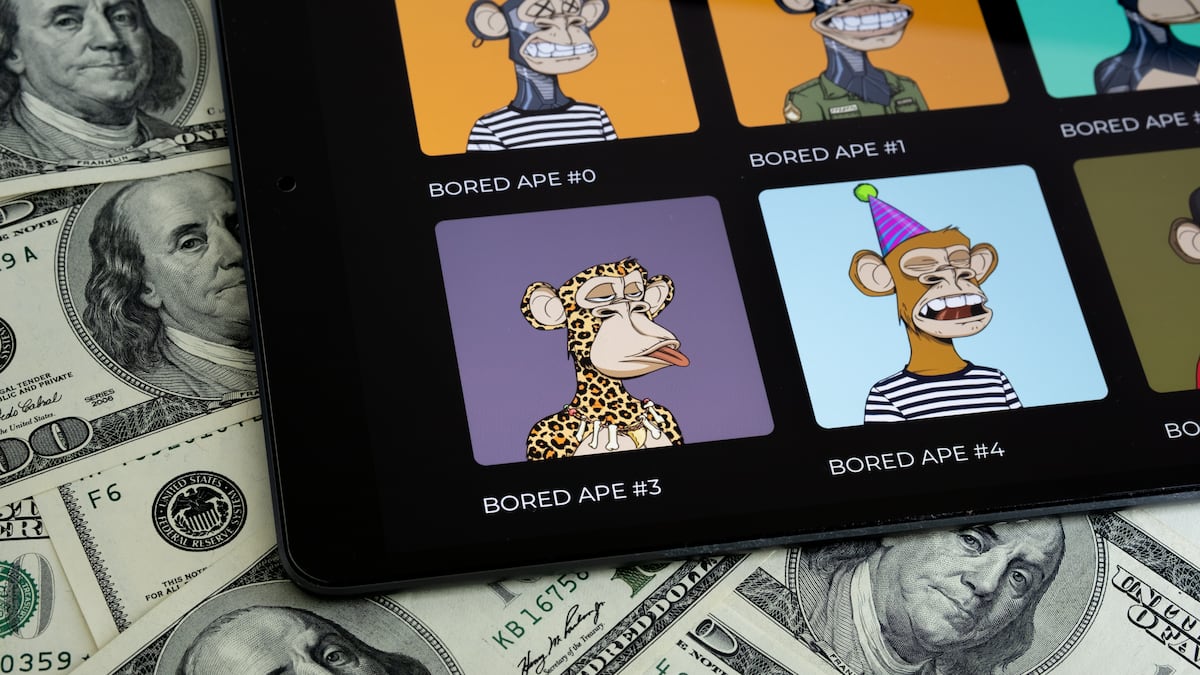
- Rarible Marketplace: Another popular platform, Rarible lets you mint, sell, and customize royalties for your NFT Pokémon cards.
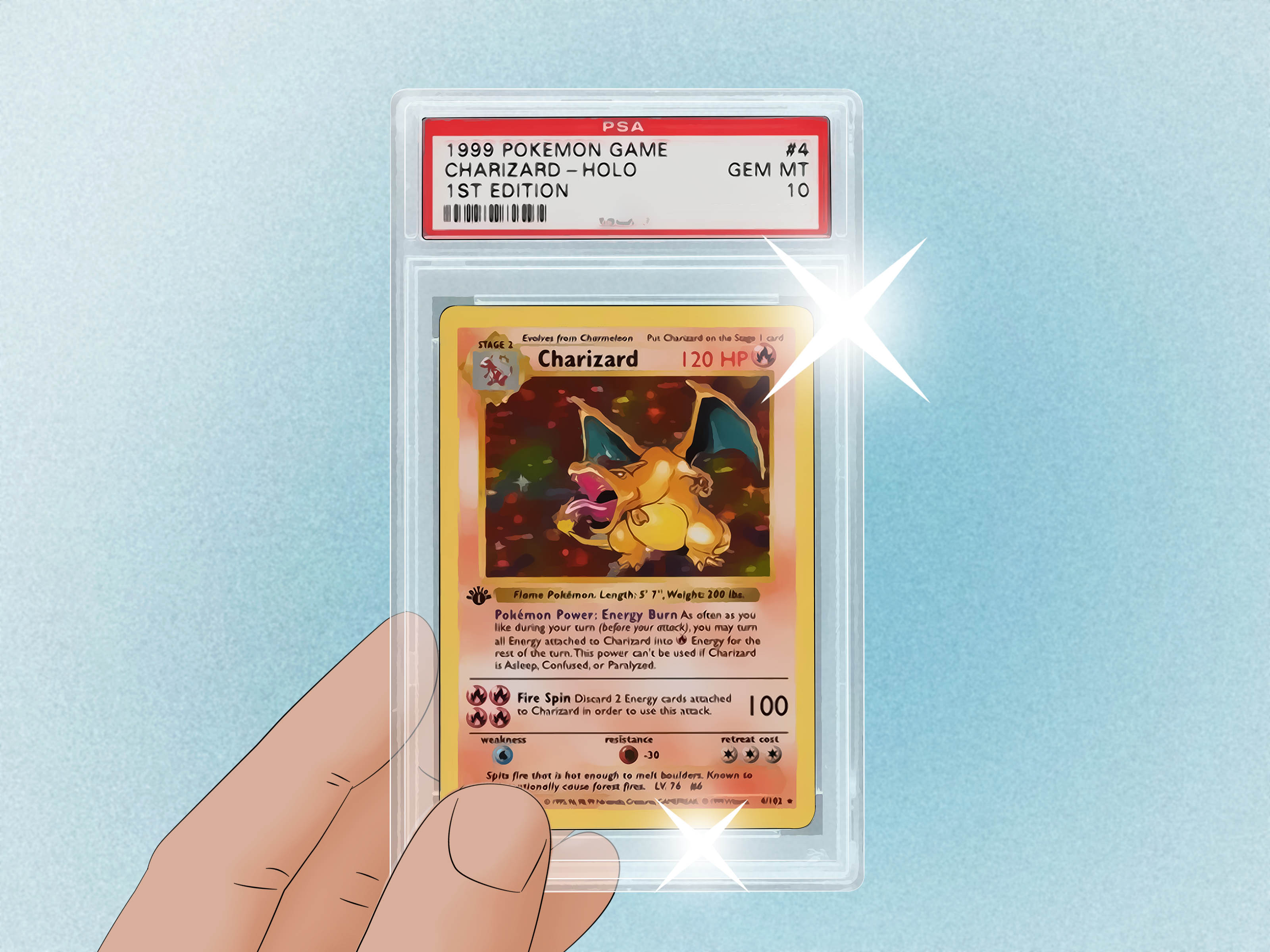
- Third-Party Grading and Vaulting Services: Use reputable services like PSA (Professional Sports Authenticator) for grading, and platforms such as Collector Crypt or Courtyard for secure storage and tokenization of your physical cards.
- QR Code Generator: Link your physical and digital assets by creating unique QR codes with tools like QR Code Generator (qrcode-generator.com) to embed in your NFT metadata.
Step 2: Choose Your Blockchain Platform
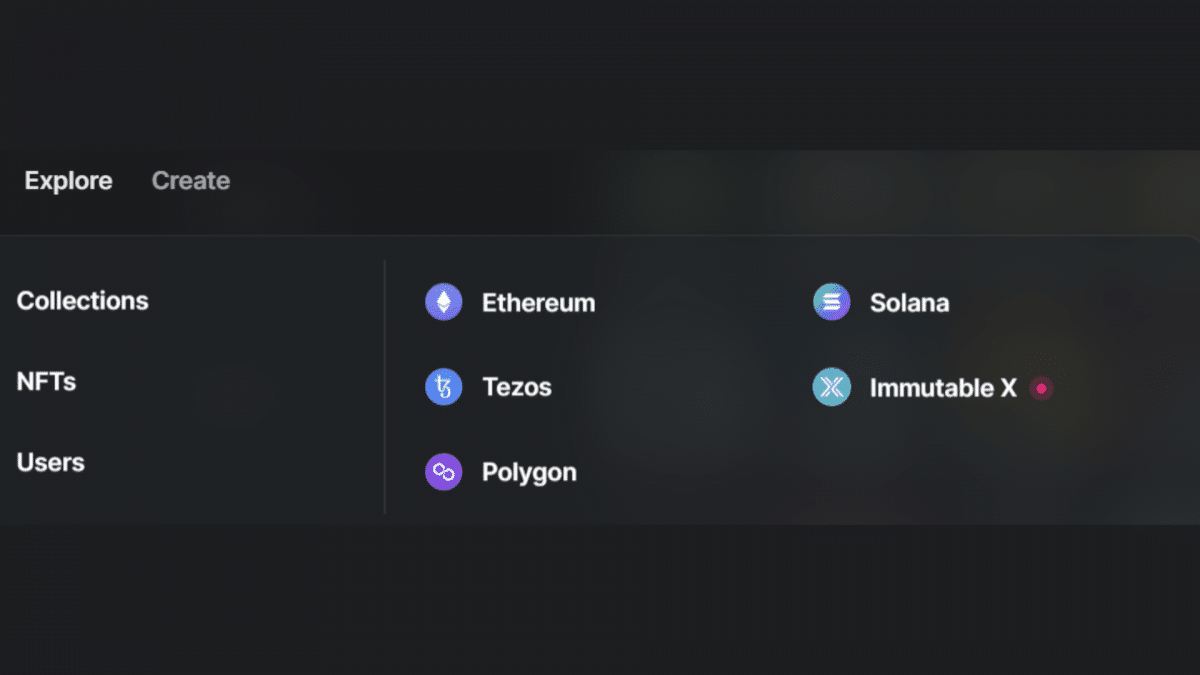
Selecting the right blockchain is crucial. Ethereum remains the most established network for NFTs, but high gas fees can eat into your profits. Polygon offers lower fees and speedy transactions, making it attractive for high-volume collectors. Solana stands out for its blazing fast speeds and minimal transaction costs - a favorite among trading card RWA platforms in 2025.
Step 3: Set Up Your Digital Wallet
You’ll need a crypto wallet compatible with your chosen blockchain. MetaMask works seamlessly with Ethereum and Polygon, while Phantom is ideal for Solana users. Secure your wallet with strong passwords and backup phrases - losing access could mean losing your NFTs. Once set up, fund your wallet with enough crypto to cover minting fees (which fluctuate based on network demand).
Step 4: Select an NFT Marketplace
Now it’s time to choose where you’ll mint (create) and list your NFT Pokémon cards. OpenSea supports both Ethereum and Polygon, offering huge reach but also stiff competition. Rarible gives you more control over royalties and metadata. Specialized platforms like Collector Crypt cater specifically to trading card RWAs, providing extra features like vaulting services or authenticity verification.
Ready for the next steps? Learn how to securely link your NFT to its physical counterpart, set competitive prices, and promote your listings in part two of our guide. For more hands-on strategies and compliance tips, check out our comprehensive resource here.
Step 5: Mint and Link Your NFT to the Physical Card
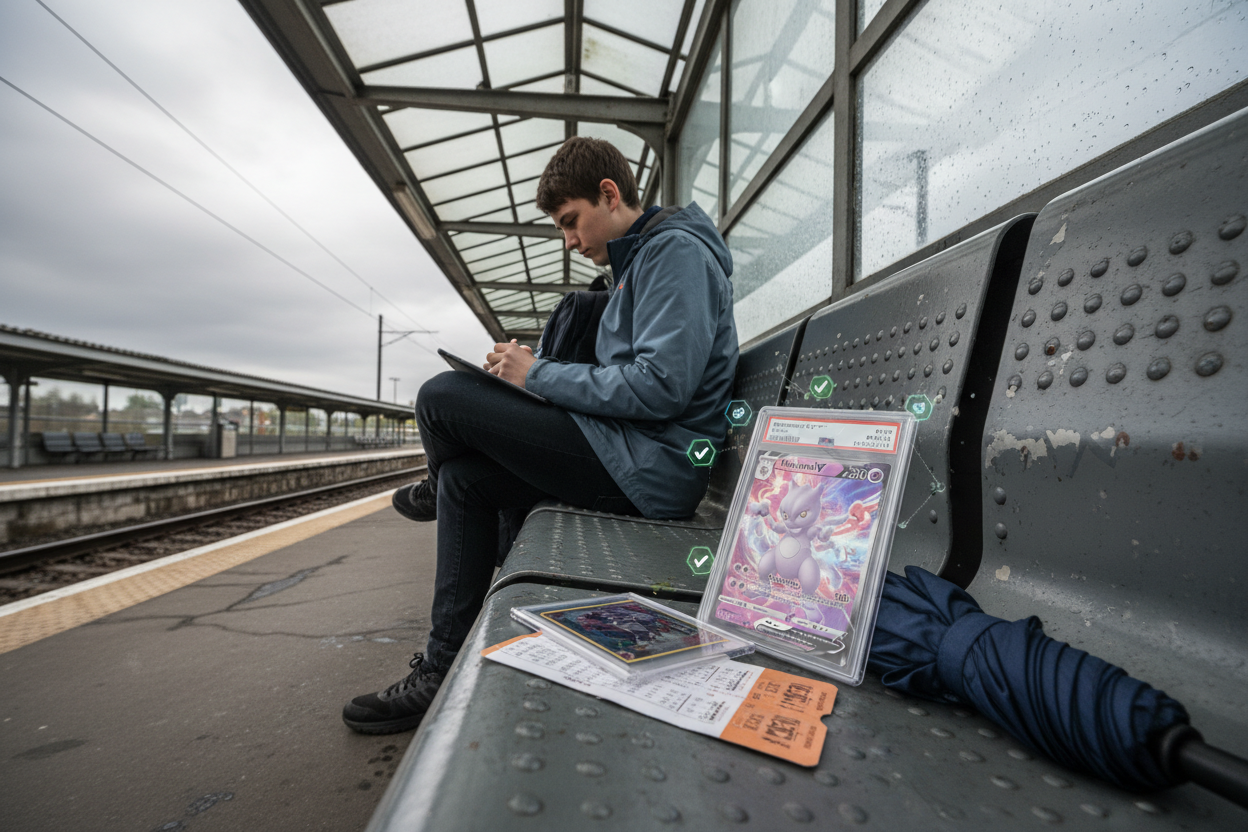
Minting is where your digital and physical worlds collide. Upload your card’s digitized image, fill in detailed metadata (card name, set, condition, serial number), and set your royalty preferences. The critical step is linking the NFT to your real card. Use unique identifiers: a PSA or CGC serial, a custom QR code, or even a signed certificate. Many platforms now offer professional vaulting services, your card is authenticated, insured, and stored in a secure facility, while the NFT proves ownership and authenticity on-chain. This is the backbone of trading card RWA security.
Step 6: List, Promote, and Manage Your NFT Pokémon Cards
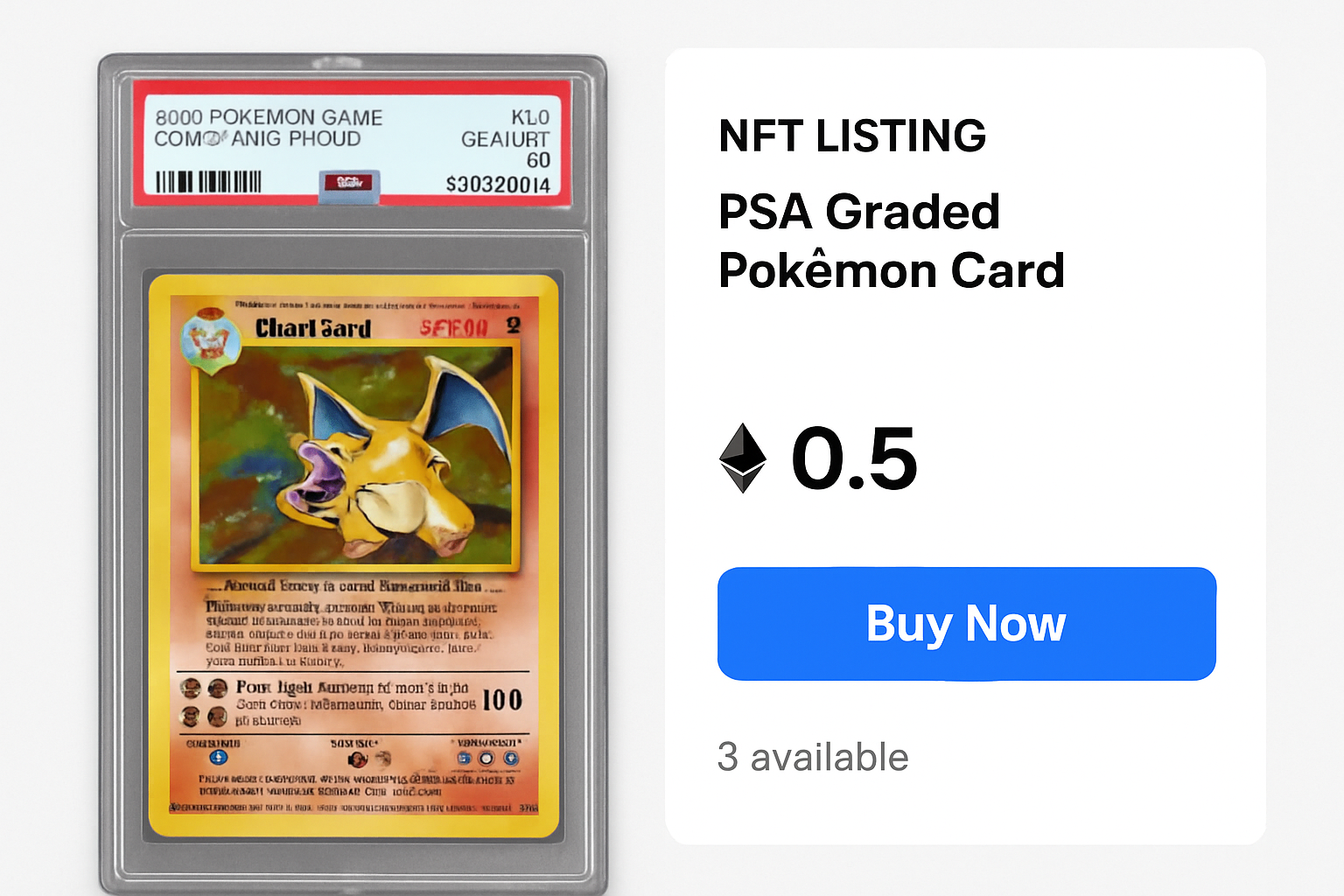
With your NFT minted, it’s time to list it for sale. Research recent sales of similar cards to set a competitive price, rare cards with verified provenance often command a premium. Use social media, Discord, and NFT communities to showcase your listing. Share high-quality images, detailed backstory, and proof of authenticity. Engage with potential buyers, answer questions, and build your reputation as a trustworthy collector. Remember, liquidity is now global, your next buyer could be anywhere in the world.
Top Strategies to Promote Pokémon Card NFTs in 2025
- Engage with Pokémon Card Collector Communities: Share your NFT listings and collection stories on popular forums such as Reddit’s r/pokemoncardcollectors and Discord servers dedicated to Pokémon and NFT trading.
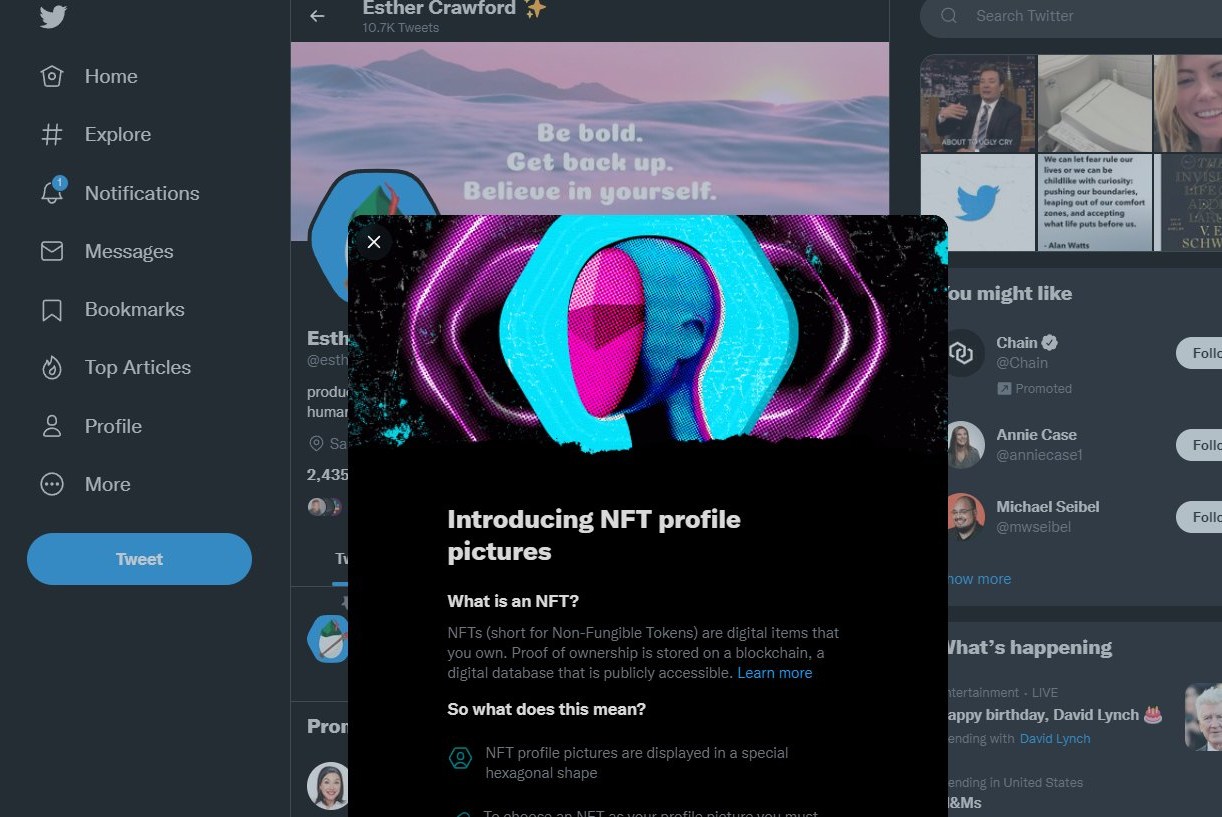
- Utilize Social Media Marketing: Promote your NFTs on platforms like Twitter (X), Instagram, and TikTok using trending hashtags such as #PokemonNFT and #TokenizedCards to reach a broader audience.
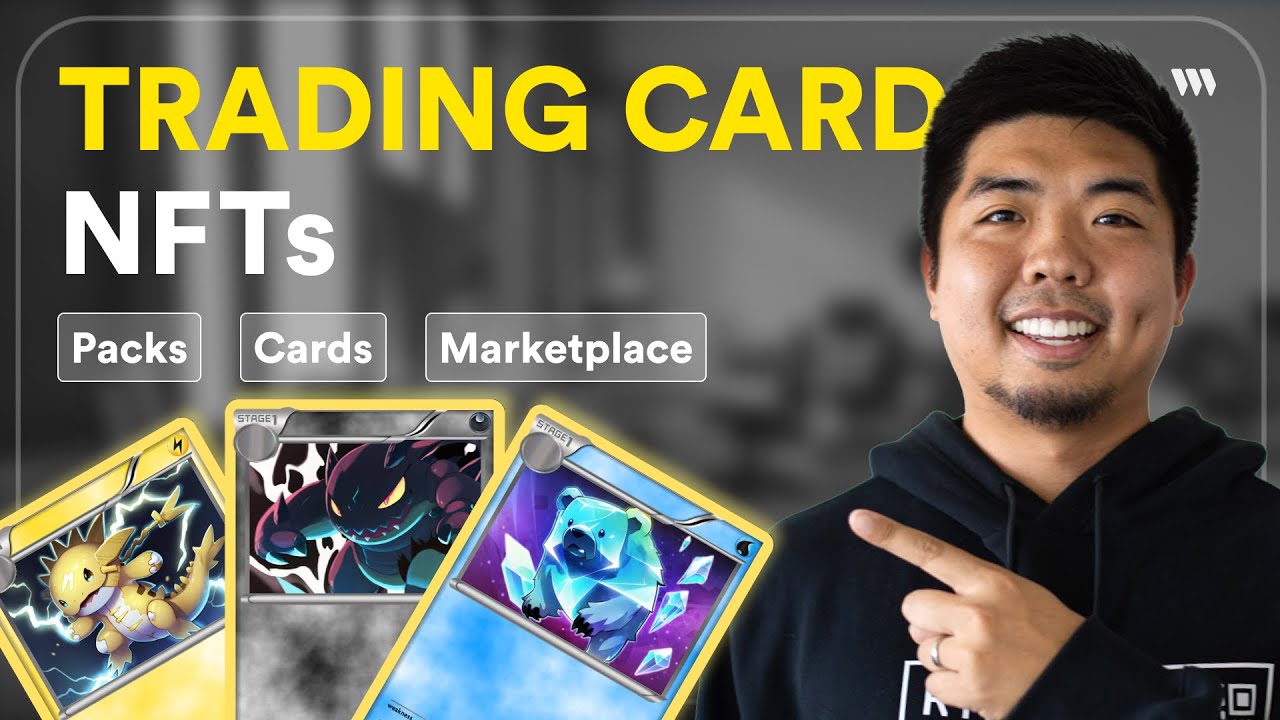
- Collaborate with Influencers and Streamers: Partner with well-known Pokémon card YouTubers, Twitch streamers, or NFT influencers to showcase your tokenized cards, increasing exposure and credibility.
- Highlight Physical-Backed NFT Features: Emphasize that your NFTs are backed by real, vaulted Pokémon cards, leveraging platforms like Collector Crypt and Courtyard for authenticity and trust.
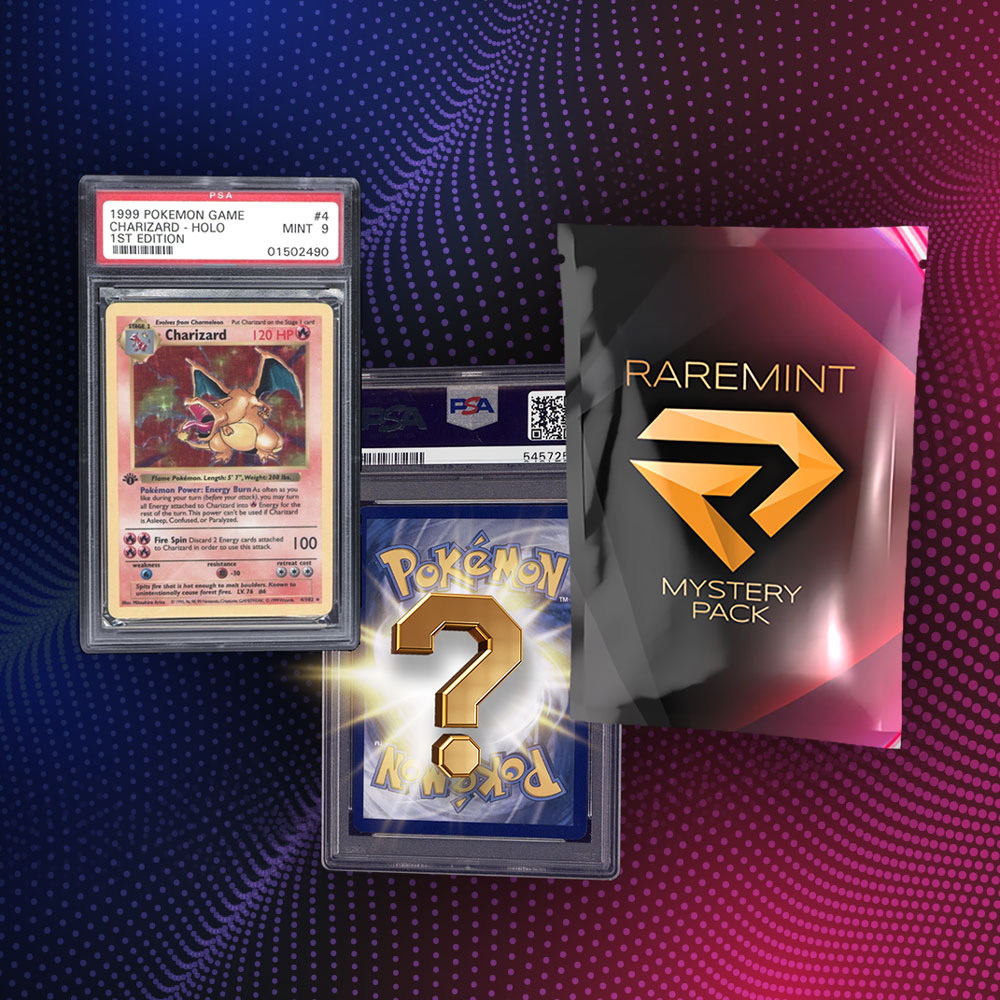
- Host Giveaways and Community Events: Organize NFT giveaways, trivia contests, or live pack openings on platforms like Discord and Twitter Spaces to engage collectors and generate buzz.

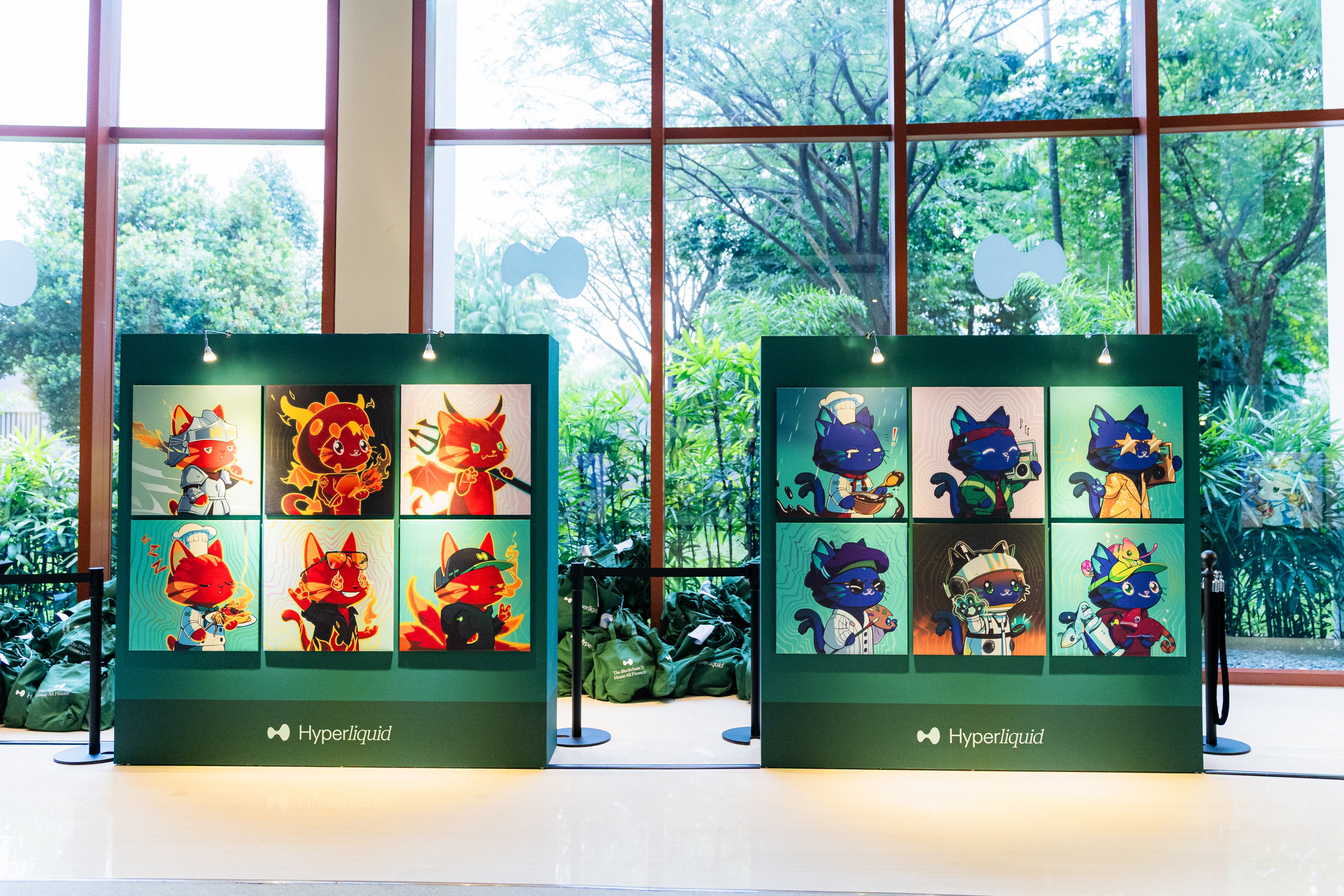
- Participate in NFT and Collectibles Expos: Showcase your collection at virtual and physical events like NFT.NYC or major card shows to connect with collectors and industry professionals.
Handling Sales and Transfers
When a sale happens, transfer the NFT to the buyer’s wallet as per marketplace instructions. If your NFT is redeemable for the physical card, coordinate secure shipping or arrange for the vault to transfer custody. Always keep records of every transaction, blockchain transparency is a huge plus, but clear documentation adds another layer of trust.
Legal, Compliance, and Authenticity: What Every Collector Must Know
Tokenizing Pokémon cards isn’t just about tech, it’s about respecting IP rights and following the law. You can only tokenize cards you own, and you must avoid using copyrighted artwork or trademarks in your NFT’s marketing. Nintendo and The Pokémon Company are vigilant, so never claim official affiliation. Use clear contracts that state what the NFT represents (digital ownership, physical custody rights, or both), and specify terms for redemption or resale. Stay up to date with local regulations on digital assets and collectibles, laws evolve quickly.
“If you want a cease and desist then go ahead mint it as a NFT. They are owned by a different company (Nintendo) so you'll need rights from them. . . ”
- Quora user on NFT legality
Unlocking the Power of Tokenized Pokémon Cards
The true magic of tokenizing your Pokémon cards lies in unlocking new value streams. You gain on-chain proof of authenticity, instant access to global buyers, and a transparent record of provenance. Graded cards, rare promos, and first editions can now be traded like blue-chip assets, fractionalized, auctioned, or used as collateral in DeFi protocols. As platforms like Collector Crypt and Courtyard push the boundaries, the line between traditional collecting and crypto investing blurs.
If you’re ready to dive deeper into strategies for maximizing returns, managing your digital vault, or understanding the risks and rewards of trading card RWAs, check out our advanced guides:
- How Tokenized Pokémon Cards Work: Benefits, Risks, and How to Get Started
- How Pokémon Card Tokenization is Creating New Investment Opportunities in Crypto
The next era of collecting is here, seamless, secure, and truly global. Tokenize your Pokémon cards with confidence, and let your collection become part of the world’s most dynamic digital marketplace.

No comments yet. Be the first to share your thoughts!