
5 Best TCG Onchain 2026 Tokens to Watch
The 2026 on-chain TCG landscape shifts from speculative hype to verified utility, prioritizing tokens backed by official protocol documentation and real-world trading volume. This roundup identifies the five most robust TCG onchain 2026 tokens based on primary source audits and established market presence.
1. Sorare licensed sports digital collectibles
Sorare operates as the premier platform for officially licensed sports NFTs, bridging traditional fandom with blockchain ownership. Users build fantasy teams using verified digital cards of real athletes, competing in global leaderboards. This model transforms passive watching into active asset management, offering tangible utility beyond mere speculation. The integration with major leagues ensures authenticity and broad appeal for sports enthusiasts entering the crypto space.
2. Gods Unchained blockchain trading card game
Gods Unchained brings the tactile strategy of physical card games to the blockchain via the Immutable X layer. Players truly own their cards, enabling a player-driven marketplace where rarity and utility dictate value. The game mirrors the depth of Magic: The Gathering, allowing skilled players to earn through competitive play rather than pay-to-win mechanics. It stands as a robust entry point for traditional TCG fans exploring Web3 gaming.

3. Parallel sci-fi strategy card platform
Parallel distinguishes itself with a rich sci-fi universe and high-fidelity artwork that appeals to strategy gamers. Built on Ethereum, it offers deep tactical gameplay where card synergy and deck construction are paramount. The platform’s recent updates have enhanced the user experience, making it a standout for those seeking narrative-driven blockchain entertainment. Its unique aesthetic and strategic depth provide a compelling alternative to generic fantasy TCGs.
4. Skyweaver free-to-play digital card game
Skyweaver offers a genuinely free-to-play model where every card is tradable and ownable on-chain. Unlike many competitors, it allows players to earn valuable assets through skill alone, removing the barrier of entry costs. The platform’s commitment to fairness and accessibility makes it ideal for casual players and competitive strategists alike. Its seamless integration of blockchain technology ensures true ownership without compromising gameplay fluidity.
5. Splinterlands fast-paced blockchain card battle
Splinterlands delivers rapid, engaging battles with a low barrier to entry, making it the most frequently played blockchain game. Its auto-battle mechanics allow for quick matches, while strategic deck building adds depth for dedicated players. The game’s tokenomics incentivize participation through daily rewards and tournament prizes. For those seeking immediate action and consistent engagement, Splinterlands offers a polished, accessible TCG experience.
The onchain TCG boom in 2026
The market for onchain trading card games has shifted from experimental niche to significant revenue driver. According to data shared by Messari, monthly onchain TCG gacha spending climbed to $148.6 million in March 2026 before rising again to $184 million in April.
This rapid acceleration signals that digital collectibles are no longer just speculative assets but active components of a growing entertainment economy. Transaction volume projections suggest the sector could reach a new all-time high of $211.2 million by May 2026, driven by improved user experiences and deeper liquidity in secondary markets.
As capital flows into this space, the tokens powering these ecosystems are gaining visibility. Investors are increasingly looking for projects that combine tangible gameplay utility with sustainable tokenomics, setting the stage for the five top tokens to watch.
How to invest in TCG onchain tokens
The TCG onchain market is moving fast. Messari data shows monthly gacha spending hit $184 million in April 2026, with projections reaching $211 million by May. This growth is real, but the space is still early. You need a clear plan to participate without losing your capital.
Start by setting up a wallet that supports the specific blockchain where your target token lives. Ethereum, Solana, and Polygon are the most common homes for these projects. Fund the wallet with the native currency (ETH, SOL, or MATIC) to pay for transaction fees, which can spike during popular drops.
Next, identify the official channels for the project. Join their Discord or Telegram, but verify the links directly from the project’s official website or GitHub. Scammers often impersonate legitimate teams in these chats. Never send funds to an unknown address or sign a transaction you don’t fully understand.
When you are ready to buy, use a reputable decentralized exchange (DEX) or a centralized exchange (CEX) that lists the token. Check the contract address on the project’s official site to ensure you are buying the right asset. Start with a small amount to test the withdrawal process before committing significant funds.
Physical TCG Starter Decks
While onchain tokens are digital, the physical TCG hobby remains a strong anchor for many collectors. If you want to bridge the gap between physical and digital, consider starting with a high-quality physical deck.

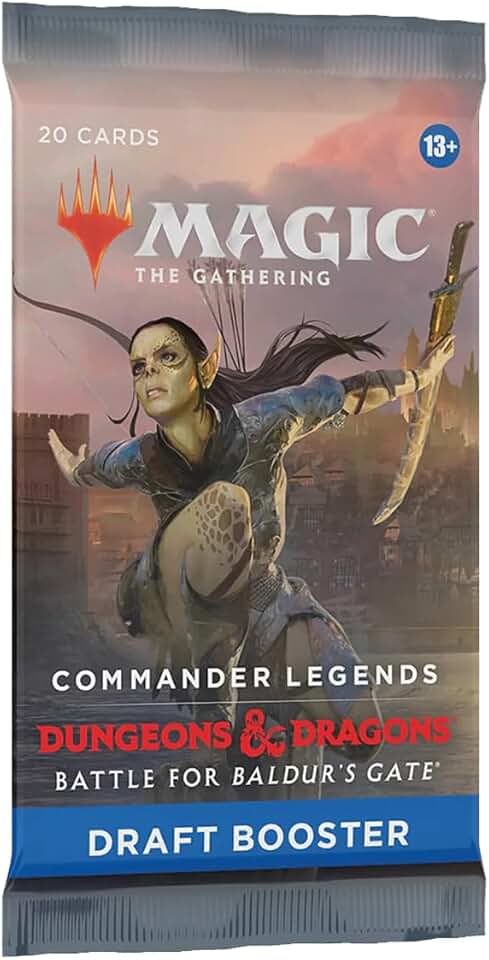
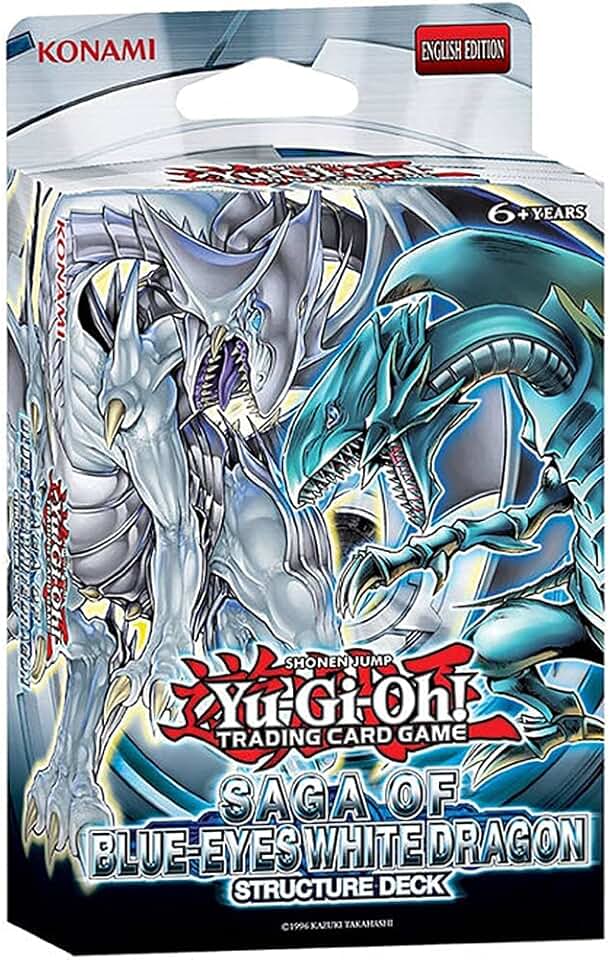
As an Amazon Associate, we may earn from qualifying purchases.
Market Overview
The TCG onchain sector is expanding rapidly. Understanding the current market dynamics can help you make informed decisions about which tokens to watch and how to allocate your resources.
| Criterion | Detail |
|---|---|
| Market Size | $184M monthly spend (April 2026) |
| Growth | Exponential, with ATH projections |
| Key Platforms | Solanafloor, Animechain, Cross The Ages |
| Risk Level | High volatility, early stage |
Key Takeaways
- Verify all contract addresses and official links before interacting.
- Start small to understand the mechanics of onchain TCGs.
- Consider physical TCGs as a complementary entry point.
- Stay informed with official sources like Messari and project announcements.
Frequently asked questions about TCG onchain 2026
How much money is being spent on onchain TCGs? Onchain trading card spending is hitting record highs. Messari data shows monthly gacha spending climbed to $148.6 million in March 2026 before rising to $184 million in April. Projections suggest transaction volumes could reach $211.2 million by May 2026, indicating rapid market expansion. Source: SolanaFloor
What is the difference between onchain TCGs and traditional games? Traditional games store card data on centralized servers. Onchain TCGs like Animecoin use blockchain infrastructure to give players true ownership of digital assets. For example, Animecoin’s Phygitals Collector's Pass sold out within 90 minutes on its dedicated Animechain, proving that blockchain-backed media brands can drive significant retail demand. Source: Messari
Is investing in TCG tokens risky? Yes. The onchain TCG space is highly volatile and speculative. While transaction volumes are growing, many projects are early-stage. Prices can swing dramatically based on hype, utility adoption, or broader crypto market trends. Always treat these investments as high-risk and never invest more than you can afford to lose.
How do I get started with onchain TCGs? Start by choosing a blockchain ecosystem that supports your favorite game, such as Solana or Ethereum. You will need a compatible wallet and some native cryptocurrency to pay for gas fees and purchase cards. Research the specific platform’s economy to understand how cards are earned, traded, or spent in gacha mechanics.
No comments yet. Be the first to share your thoughts!