
Redeeming tokenized Pokémon cards for their physical counterparts has become one of the most exciting trends in the collector world for 2025. As trading card RWAs (real-world assets) gain traction, platforms like Magic Eden, Collector Crypt, and Courtyard have made it easier than ever to bridge digital ownership with tangible collectibles. Whether you’re a seasoned crypto enthusiast or a longtime Pokémon fan looking to claim your favorite card from the vault, understanding this process is key to maximizing both value and enjoyment.
Why Redeem Tokenized Pokémon Cards?
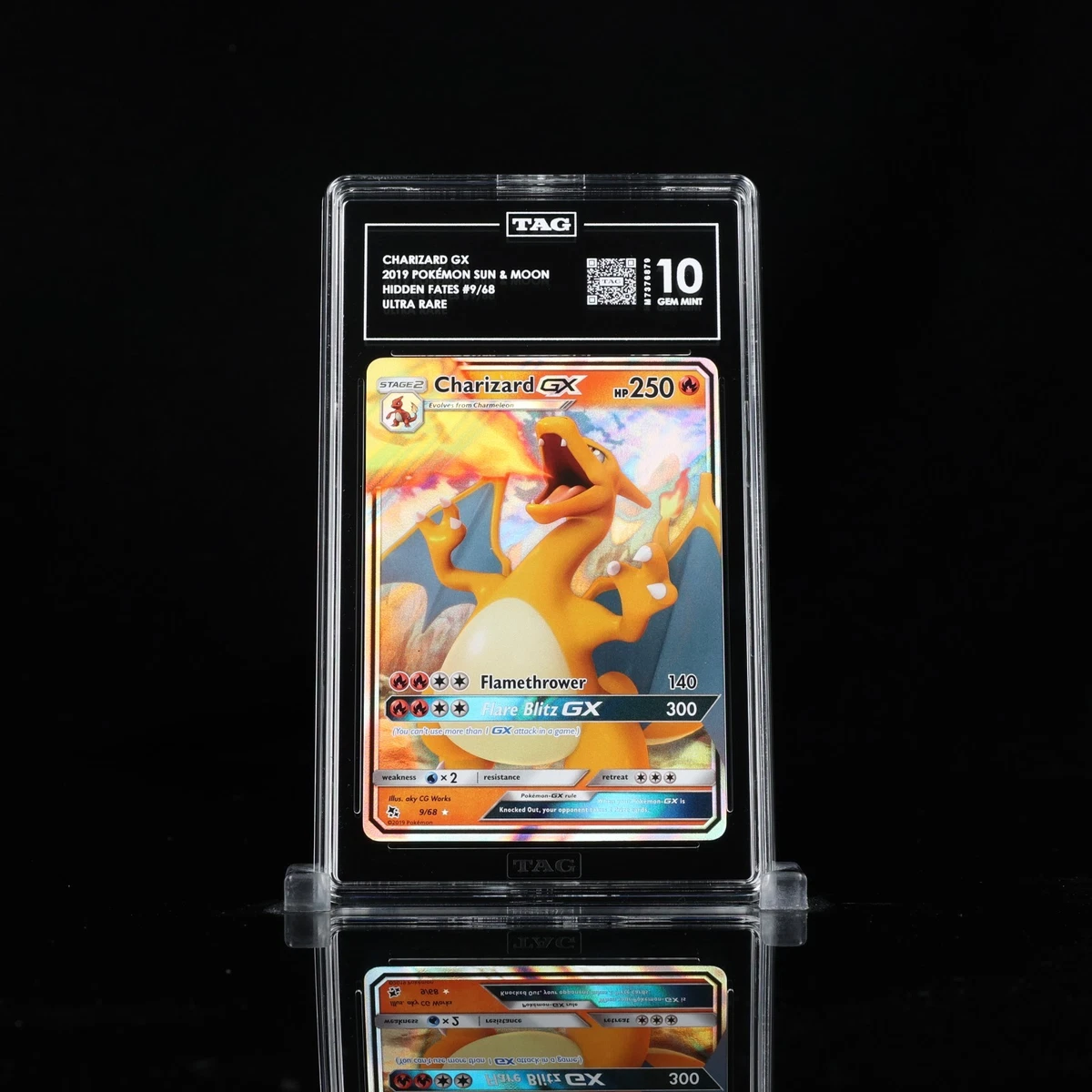
The appeal of tokenized Pokémon cards goes beyond digital speculation. Each NFT represents a real, authenticated card stored securely in a vault, often professionally graded and insured. Collectors can trade these NFTs globally with instant settlement and full transparency. However, the true magic happens when you decide it’s time to hold that prized Charizard or Pikachu in your hands. Redeeming for physical delivery unlocks the tactile nostalgia and display value traditional collectors crave, while ensuring provenance via blockchain records.
This hybrid approach is at the heart of collectible RWAs: global liquidity meets physical authenticity. But how exactly do you move from digital token to real-world cardboard? Let’s break down the current redemption landscape step by step.
Step 1: Choose Your Redemption Platform
Your journey begins by selecting a reputable platform that supports both tokenization and physical redemption. In 2025, three names dominate this space:
- Magic Eden: Known for its partnerships with Collector Crypt and curated Pokémon NFT packs that can be redeemed for graded cards.
- Collector Crypt: Built on Solana, this platform specializes in secure vaulting and seamless NFT-to-card redemption.
- Courtyard. io: Leveraging Polygon’s fast transactions, Courtyard offers an easy interface for acquiring and redeeming trading card NFTs, including Pokémon cards, for global delivery.
If you're curious about how tokenization itself works or want an in-depth look at trading mechanics, see our guide on how tokenized Pokémon cards work.
Step 2: Acquire Your Tokenized Card
You can obtain tokenized Pokémon cards through two main methods:
- Purchase Digital Packs: Platforms like Magic Eden offer limited-edition packs containing randomized NFTs tied to real cards. These packs are bought using cryptocurrency, typically SOL or ETH depending on network support, and opened digitally to reveal your assigned card.
- Buy on Secondary Marketplaces: For those seeking specific cards or grades, secondary marketplaces linked to each platform allow direct purchase from other collectors. This route often provides detailed metadata including serial number, grading (e. g. , PSA 10), and condition images before you commit.
Step 3: Verify Ownership and Card Details
Once your NFT is safely in your wallet (whether Metamask for Polygon/Courtyard or Phantom for Solana/Collector Crypt), it’s vital to verify all associated details before proceeding with redemption:
- NFT Metadata: Confirm card name, set number, grade, unique serial ID, and provenance records match what was advertised.
- Vault Status: Ensure the physical card is still held in custody by the platform’s partner vault, redemption is only possible if the asset remains locked and unclaimed.
- KYC Verification: For regulatory reasons (especially if shipping high-value items internationally), most platforms require completion of Know Your Customer checks prior to physical delivery requests.
This verification stage helps prevent fraud and ensures you’re truly eligible for redemption. If you’re new to buying or trading these assets safely online, check out our comprehensive step-by-step guide on opening packs online and redeeming real cards.
Step 4: Initiate and Confirm Redemption
With your ownership and card details verified, you’re ready to initiate the redemption process. Log in to the platform using your connected wallet, then navigate to the dedicated redemption portal. The interface will prompt you to select the specific NFT you wish to redeem. Double-check all card metadata, grade, set, serial number, to avoid mistakes, as burning the NFT is irreversible.
Next, input your shipping information. This usually includes a full name, address, and contact details for delivery tracking. Some platforms may offer additional options such as insured shipping or signature-on-delivery for high-value cards. Once all information is confirmed, you’ll be asked to sign a blockchain transaction authorizing the burn of your NFT. This action permanently destroys the digital token and signals the vault custodian to release your physical card for shipment.
Comparison of Pokémon Card Redemption Processes: Magic Eden vs Collector Crypt vs Courtyard
| Feature | Magic Eden | Collector Crypt | Courtyard |
|---|---|---|---|
| Blockchain Network | Solana (via Collector Crypt partnership) | Solana | Polygon |
| Acquisition Method | Buy digital packs or NFTs on Magic Eden marketplace | Buy digital packs or NFTs on Collector Crypt marketplace | Buy NFTs on Courtyard marketplace |
| Redemption Trigger | Redeem via Magic Eden portal (NFT is burned) | Burn NFT on blockchain to initiate redemption | Redeem via Courtyard portal (NFT is burned) |
| Account Requirements | Magic Eden account, connected wallet | Collector Crypt account, KYC for physical redemption, connected wallet | Courtyard account, connected wallet |
| Redemption Steps | 1. Log in 2. Select NFT 3. Enter shipping info 4. Confirm and burn NFT | 1. Log in 2. Select NFT 3. Burn NFT 4. Enter shipping info | 1. Log in 2. Select NFT 3. Enter shipping info 4. Confirm and burn NFT |
| Shipping & Delivery | Physical card shipped after NFT is burned | Physical card shipped after NFT is burned and leaves vault custody | Physical card shipped after NFT is burned |
| Vault Storage Option | Yes, via Collector Crypt partnership | Yes, secure vault storage available | Yes, secure vault storage available |
| Fees | Shipping & processing fees may apply | Shipping & processing fees may apply | Shipping & processing fees may apply |
| Instant Buyback Option | Available on some cards | Available on some cards | Available on some cards |
| Supported Card Types | Graded Pokémon cards (packs & singles) | Graded Pokémon cards (packs & singles) | Graded Pokémon cards and other collectibles |
This step is crucial: once an NFT is burned, it cannot be recovered or traded again. The corresponding physical Pokémon card is removed from secure storage and prepared for dispatch.
Step 5: Track Shipping and Delivery
After submitting your redemption request, platforms typically provide tracking updates via email or dashboard notifications. Delivery times can vary based on location and courier selection, expect anywhere from a few days (domestic) to several weeks (international). For particularly valuable cards, insured shipping is highly recommended.
If you prefer not to take immediate delivery, perhaps for insurance or resale reasons, some platforms offer continued vault storage post-redemption for a nominal fee. This allows flexibility if market conditions shift or if you want to relist the card in future NFT drops.
Key Considerations Before Redeeming
- Fees: Factor in redemption costs such as blockchain transaction fees, shipping charges (which can be significant for international deliveries), and optional add-ons like insurance or express service.
- Market Value: Evaluate whether it’s more advantageous to redeem or sell your NFT on the secondary market. Some cards see higher liquidity as digital assets due to global demand; others fetch premium prices when physically delivered in pristine condition.
- Security: Always use official platform links and double-check that you’re interacting with legitimate portals before signing any blockchain transactions.
If you're interested in learning how tokenization works from start to finish, including how collectors themselves can tokenize their own cards, see our related deep dive at this guide.
The Future of Pokémon Card RWAs: Community Trends and Tips
The integration of real-world assets with blockchain technology has opened new avenues for both collectors and investors. As more rare cards enter digital vaults and fractional ownership becomes commonplace through DeFi protocols, expect increased competition, and opportunity, in this space.
- Community Engagement: Many platforms now feature social trading tools where users can share redemption experiences or showcase collections post-delivery.
- Fractionalized Ownership: Certain ultra-rare cards are being split into fractional NFTs so multiple users can co-own a single asset before deciding together whether to redeem it physically or keep trading digitally.
- Sustainability and Transparency: Blockchain records ensure every redemption is publicly verifiable, reducing fraud risk while enhancing trust among buyers and sellers worldwide.
The process of redeeming tokenized Pokémon cards unites nostalgia with cutting-edge technology, giving collectors new ways to enjoy their passion while maintaining investment-grade security and provenance. As this market matures, expect further innovations around instant buybacks, dynamic pricing models based on live auction data, and even physical-to-digital-to-physical cycles that maximize both liquidity and collector satisfaction.

No comments yet. Be the first to share your thoughts!