

Pokémon cards have always been more than cardboard, they’re a passport to nostalgia, competition, and investment. Now, with the surge in crypto and NFTs, collectors are asking: Can you truly tokenize Pokémon cards as NFTs and trade them as real-world assets (RWAs)? The answer is yes, but it’s not as simple as taking a photo and minting an NFT. Let’s break down how you can bridge your physical collection with the blockchain, unlock global liquidity, and embrace a new era of collecting.
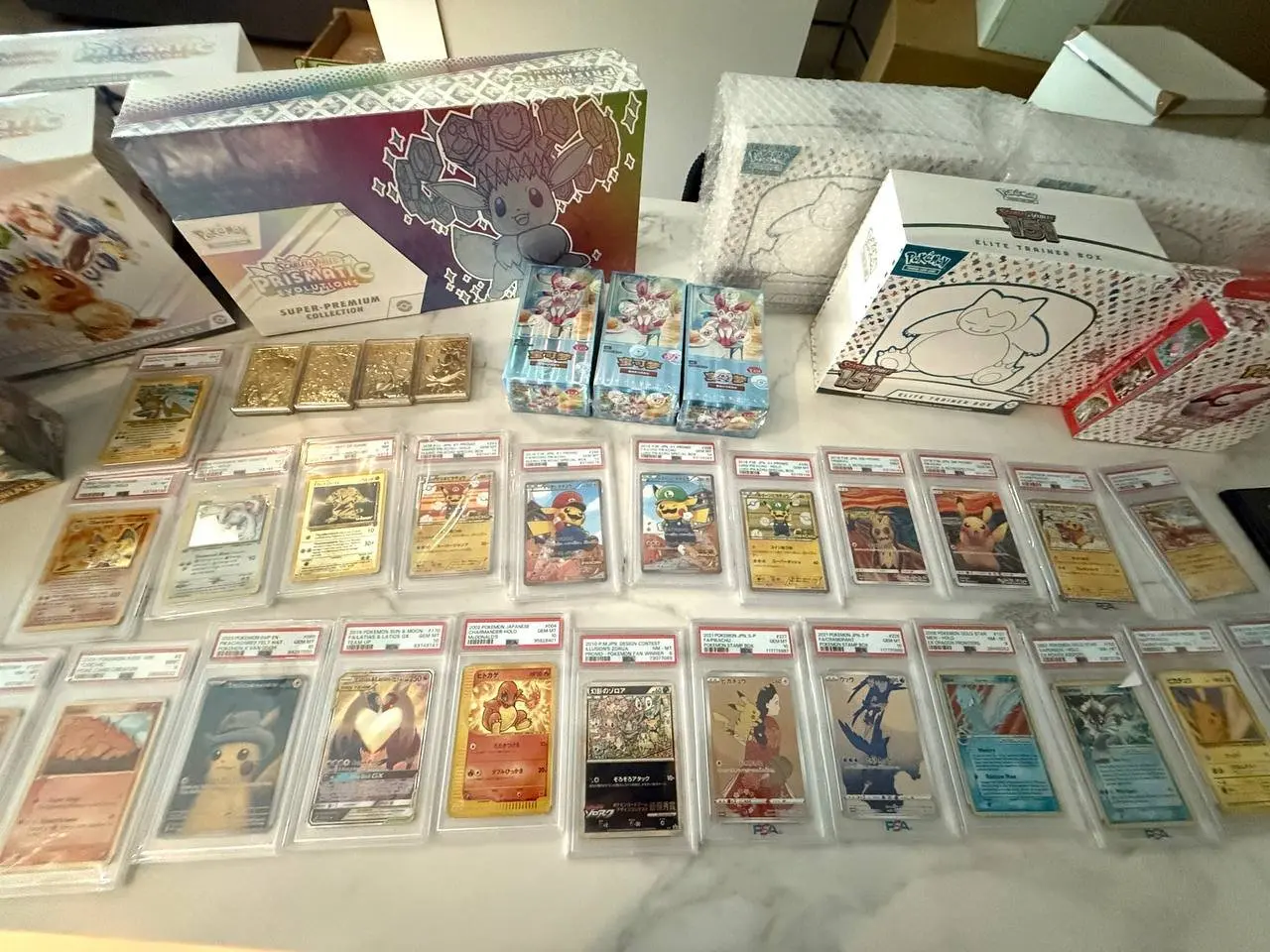
Why Tokenize Pokémon Cards?
Tokenization transforms your tangible Pokémon cards into digital assets, NFTs, secured on the blockchain. This means:
- Global Trading: Sell or trade your collectibles instantly, without borders.
- Provable Authenticity: Blockchain-backed provenance reduces fraud and counterfeits.
- Fractional Ownership: Sell shares of high-value cards, opening up new investment strategies.
- Liquidity: Access crypto markets and buyers worldwide, not just local shops or eBay auctions.
But there are caveats. The Pokémon Company owns the intellectual property, so tokenizing for commercial purposes requires careful navigation of rights. For personal trading and verifiable ownership, platforms like Courtyard, Collector Crypt, and tcgonchain. com offer secure, compliant solutions. Read our full guide to legal and technical considerations.
Step-by-Step: How to Tokenize Your Pokémon Cards as NFTs
Ready to dive in? Here’s what the process looks like in 2025:
Tokenize Your Pokémon Card as an NFT: A Visual Step-by-Step Guide
1. Digitize Your Cards
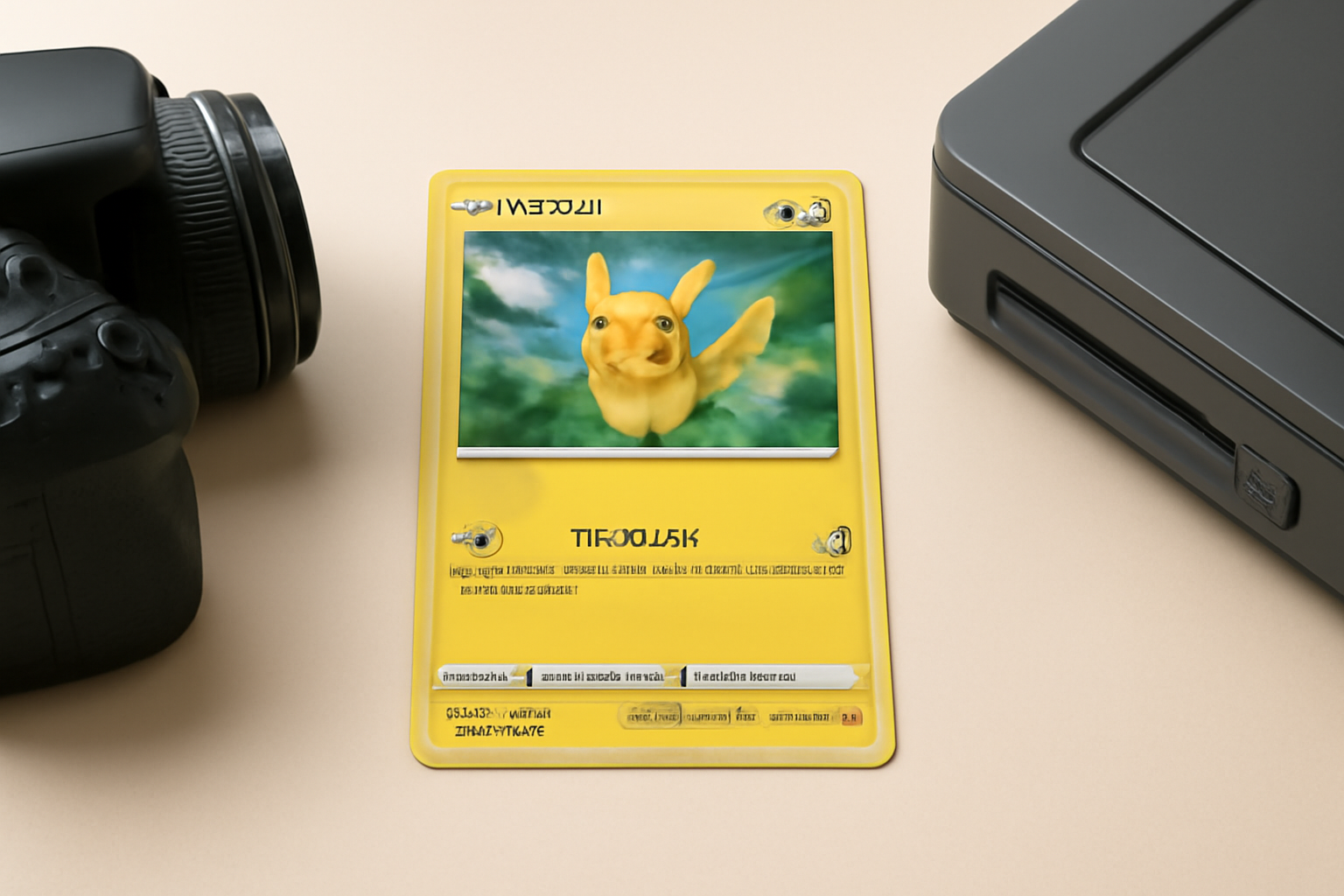
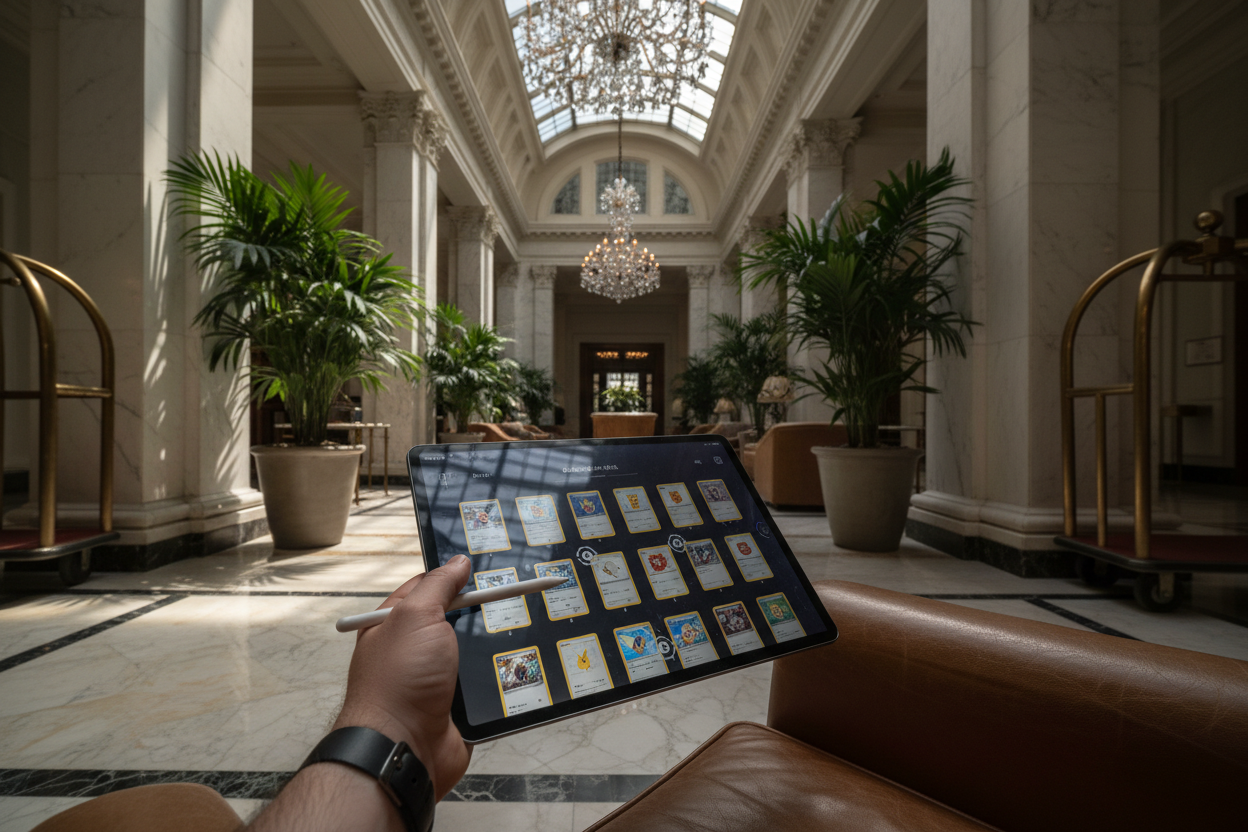
Start with quality visuals. Use a high-resolution camera or scanner, lighting and clarity matter! This image becomes the face of your NFT.
2. Choose Your Blockchain Platform
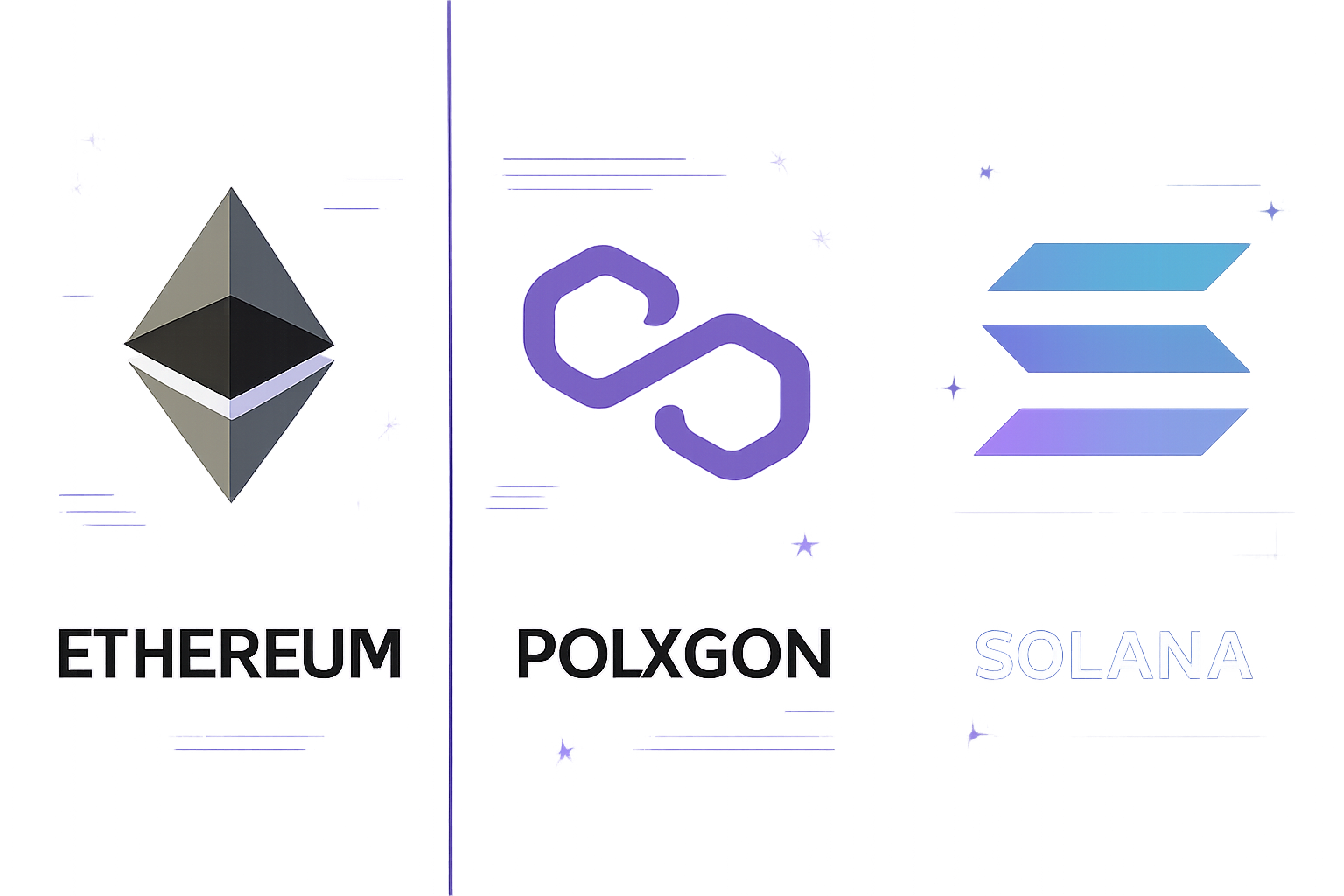
The most popular blockchains for trading card NFTs are Ethereum, Polygon, and Solana. Each offers unique advantages:
Ethereum vs. Polygon vs. Solana for NFT Minting
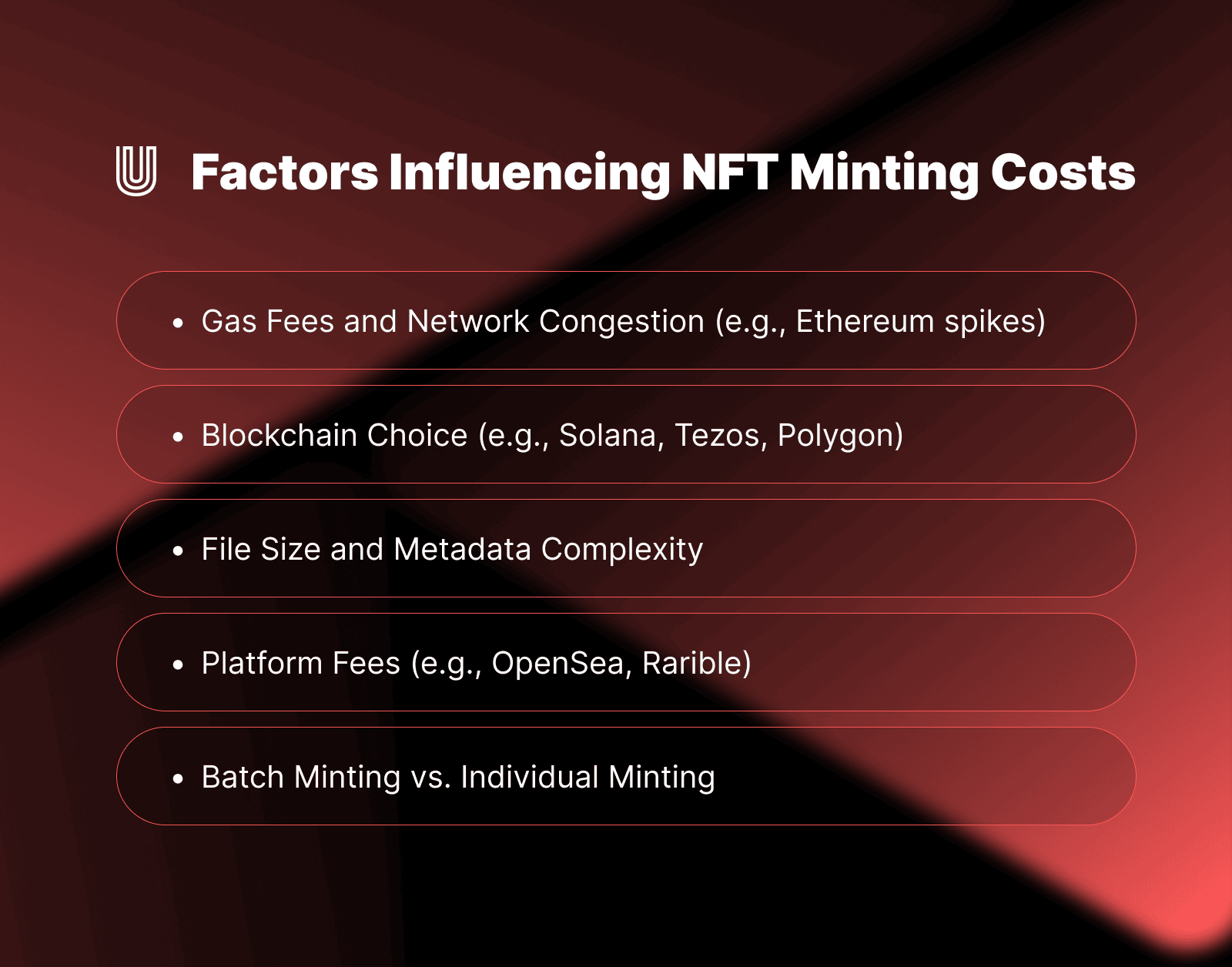
- Ethereum: The original NFT powerhouse, Ethereum boasts the largest user base and most established marketplaces like OpenSea. However, transaction (gas) fees can be high, especially during network congestion. Minting speed is moderate, and the ecosystem is robust with widespread wallet support (e.g., MetaMask).
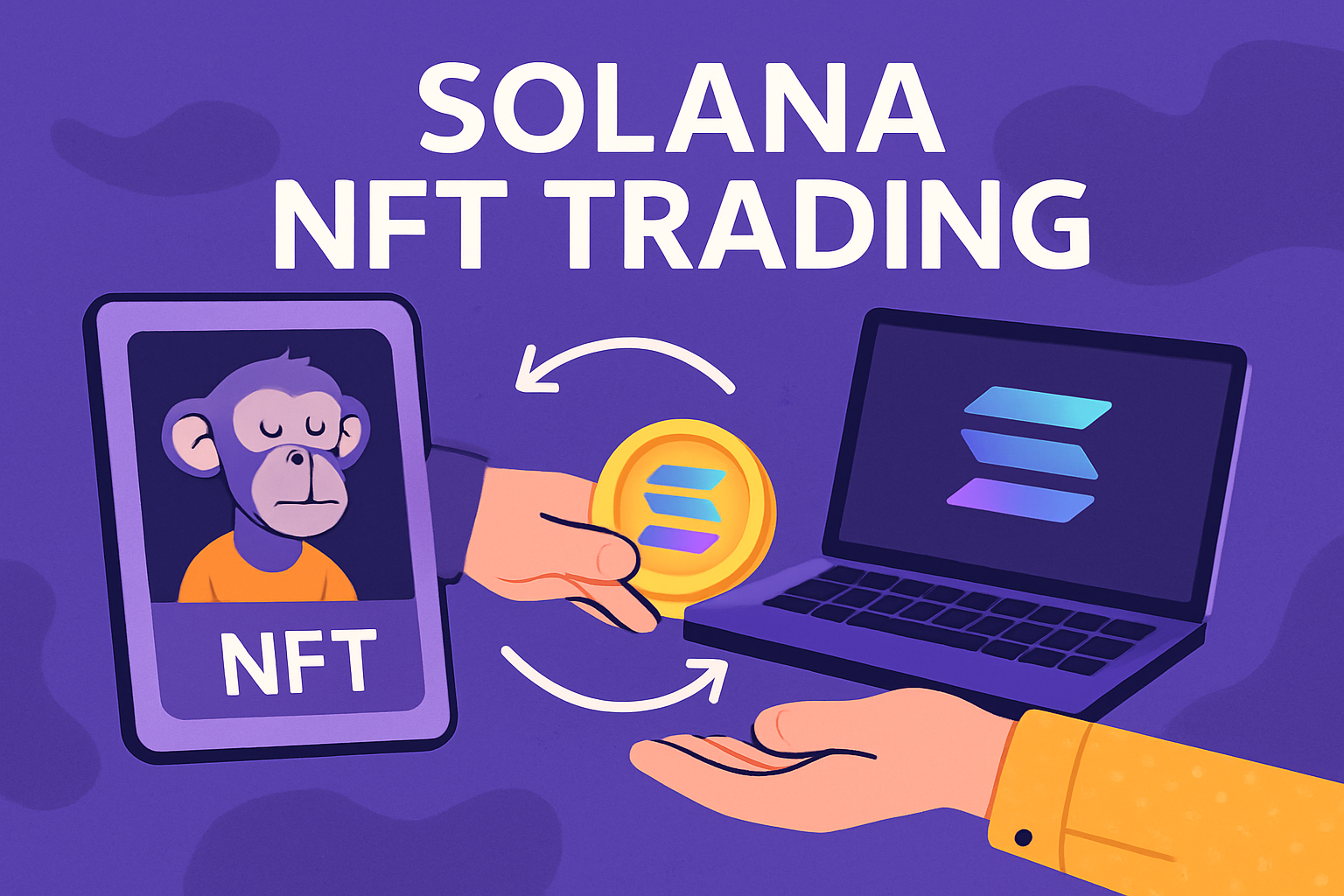
- Solana: Known for ultra-fast and inexpensive transactions, Solana is a favorite for high-volume NFT trading. Marketplaces like Magic Eden and Solanart cater to a dedicated community. Wallets like Phantom are popular, and the ecosystem is expanding quickly, though it’s newer than Ethereum.
3. Set Up a Crypto Wallet
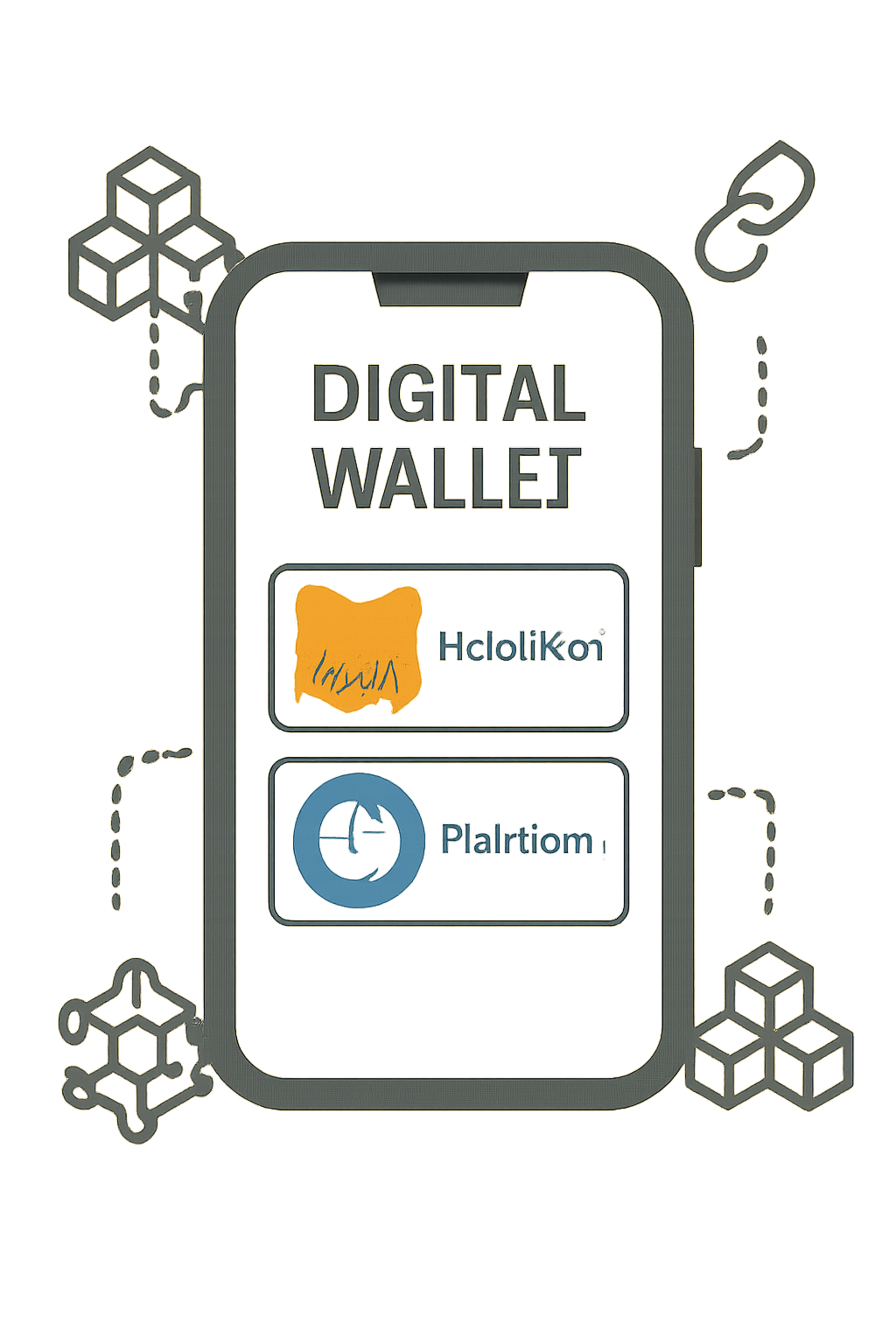
You’ll need a wallet that supports your chosen blockchain. MetaMask is perfect for Ethereum or Polygon; Phantom is ideal for Solana.
NFT Marketplaces: Where to Mint and Trade Your Card NFTs
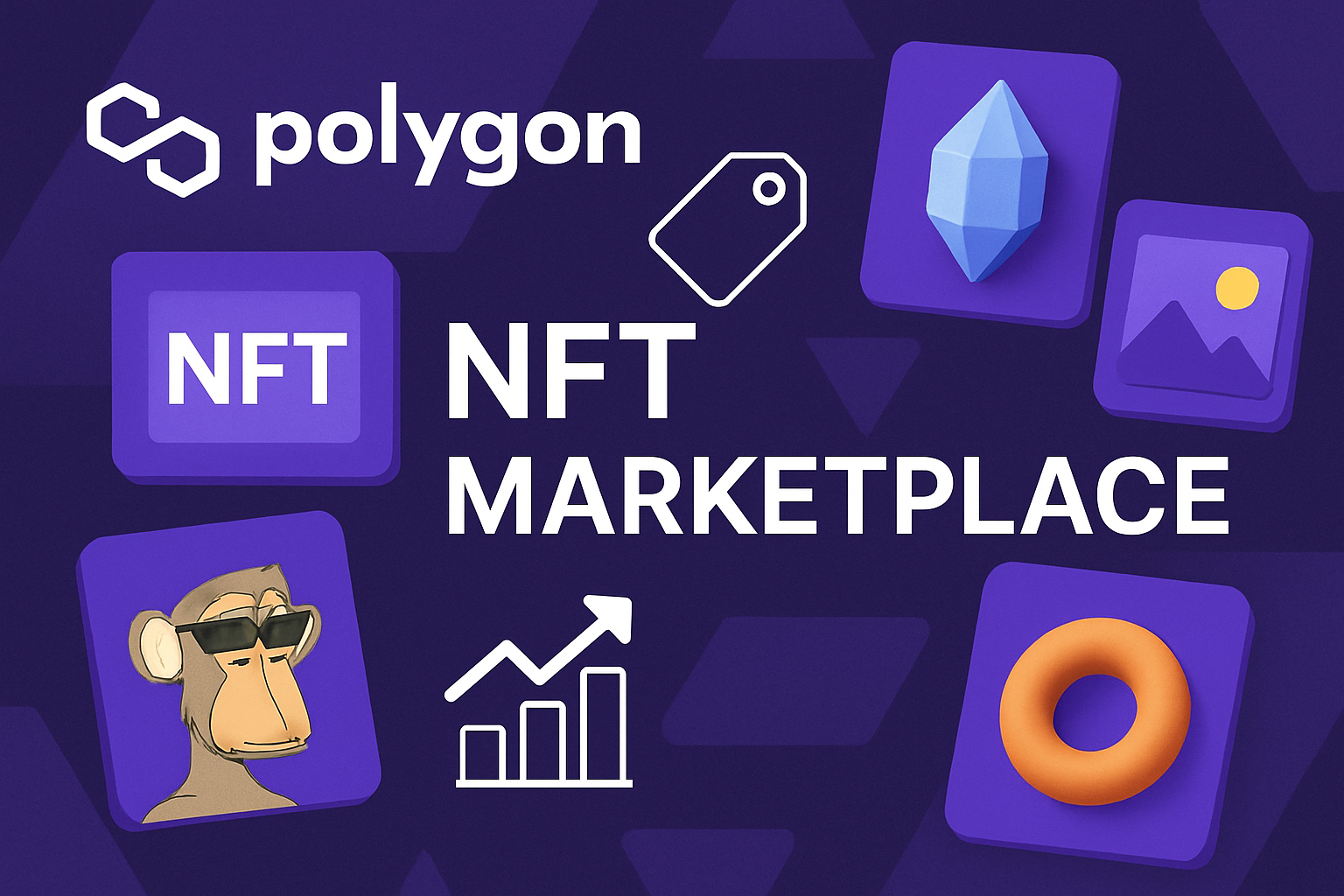
Select a marketplace that aligns with your goals, whether it’s maximizing reach (OpenSea), community-driven features (Rarible), or Solana-native speed (Magic Eden). These platforms let you mint, list, sell, or auction your tokenized Pokémon cards with ease.
Pro Tip: Always double-check fees before minting, costs vary based on blockchain congestion and platform policies!
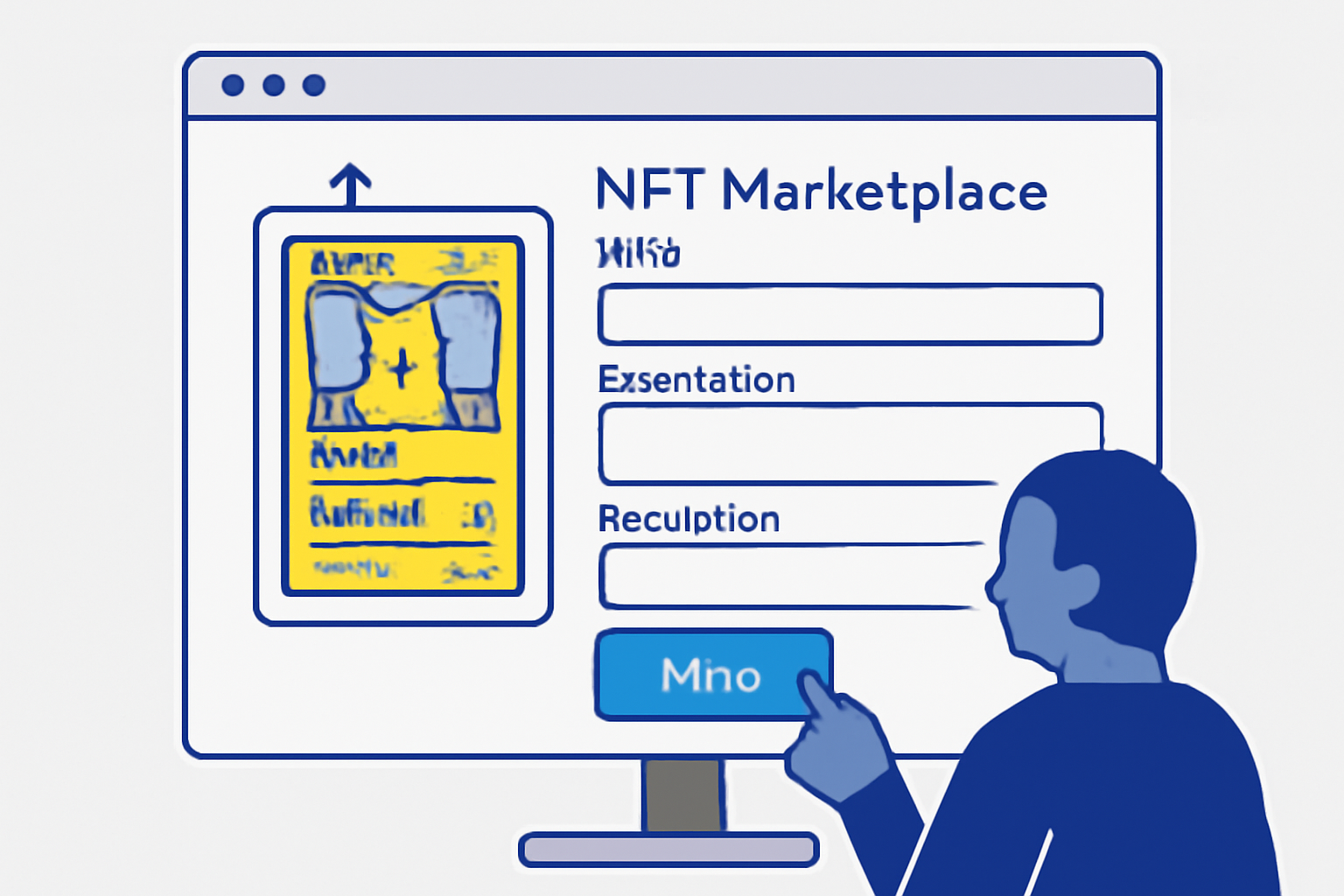
Once your digital images are ready and your wallet is set up, it’s time to mint your Pokémon card NFTs. This is where your collectible officially enters the blockchain era. Connect your wallet to your chosen marketplace, upload your card images, and carefully fill out the metadata, think card name, set, year, and any unique identifiers. The more detailed and transparent your metadata, the more trust you’ll inspire in potential buyers and traders.
4. Secure the Link Between Physical and Digital
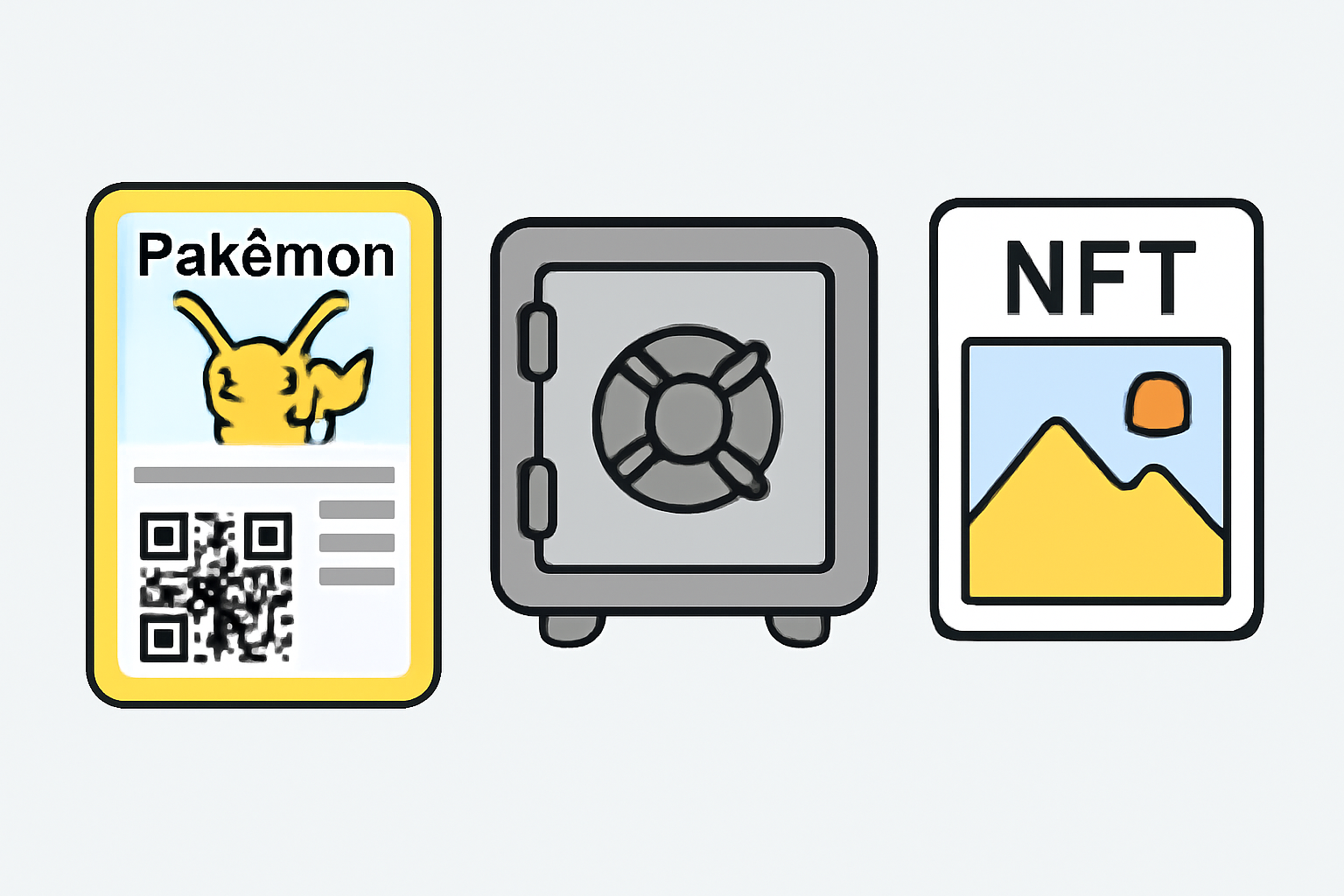
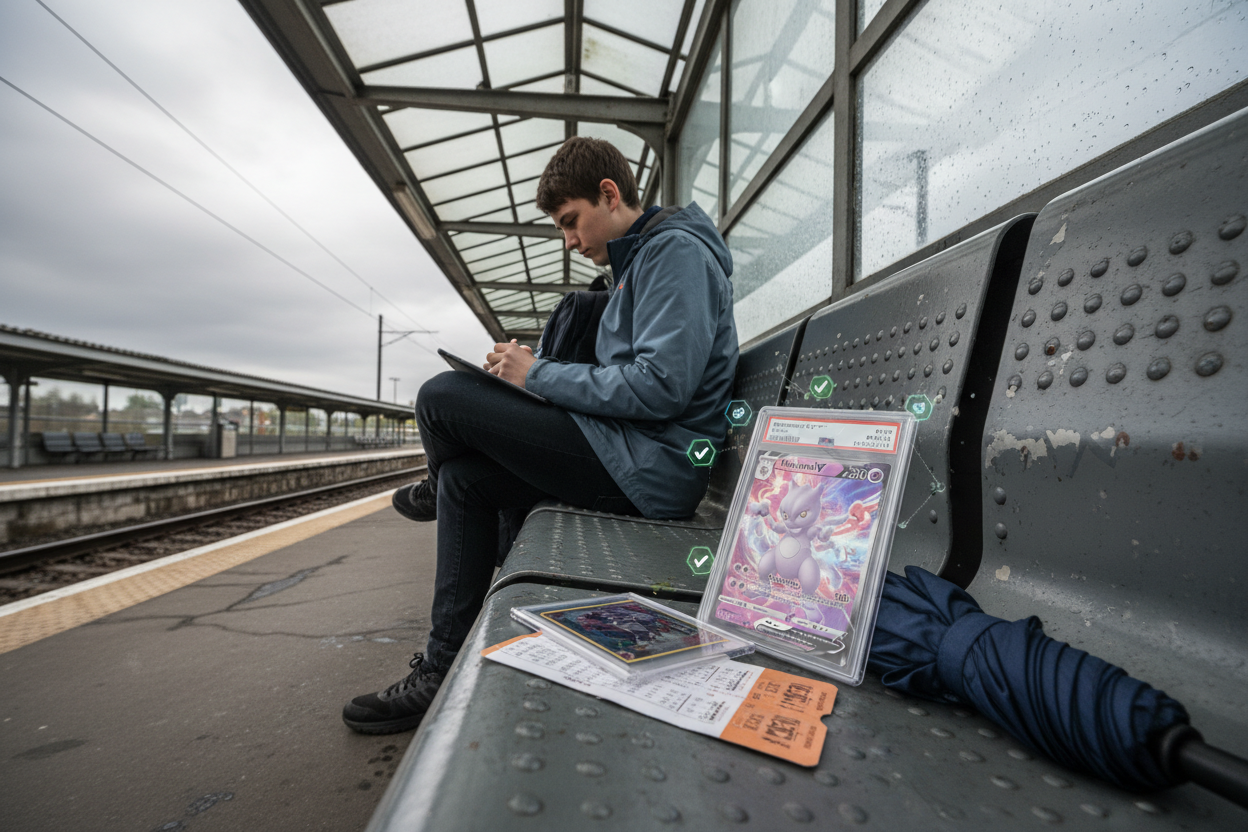
One of the biggest questions in the trading card RWA space: How do you prove your NFT actually represents a real, physical card? The answer is in unique identifiers and third-party vaulting. Services like Courtyard or Collector Crypt allow you to send in your physical cards for professional verification and storage. Once authenticated, you receive an NFT that’s directly tied to that specific card, no more guessing games or trust issues.
"Tokenizing my Shadowless Charizard was nerve-wracking, but the third-party vault gave me peace of mind. Now, I can trade globally without worrying about fakes or lost shipments. "
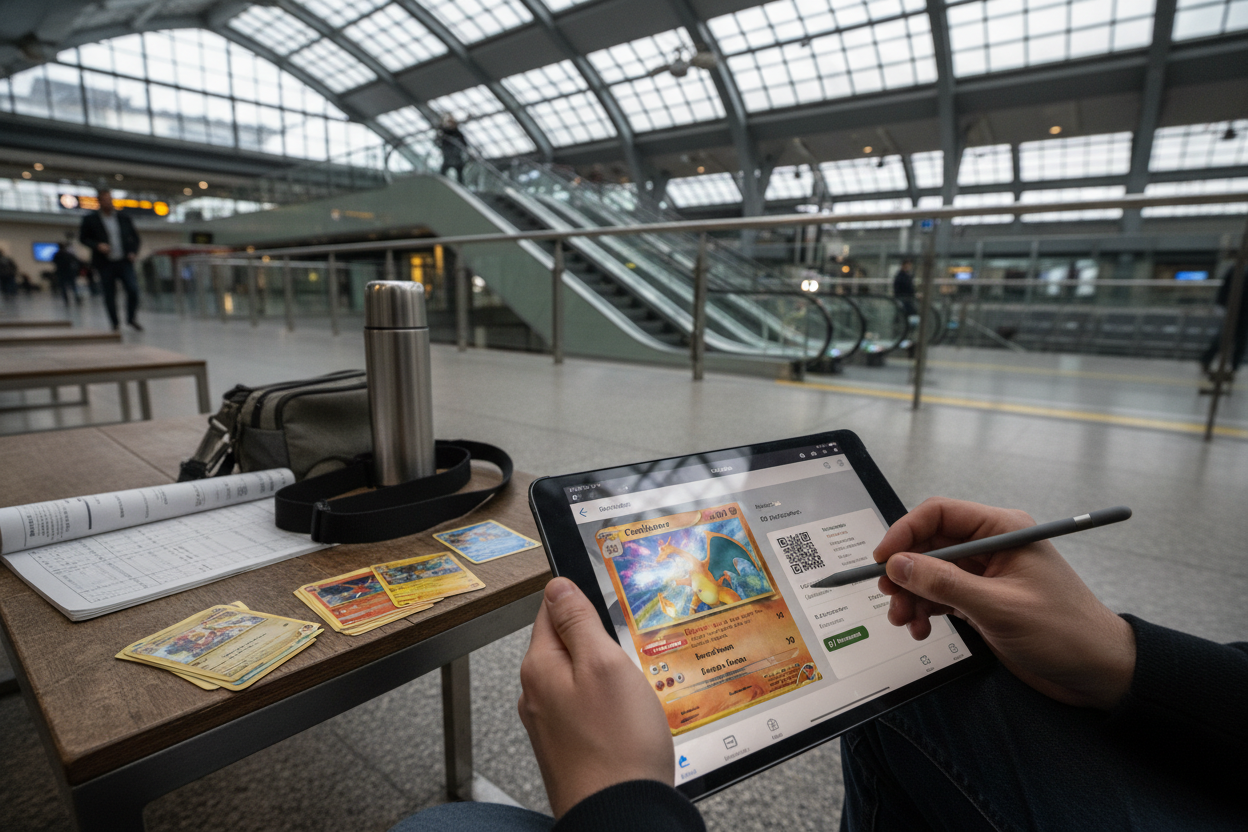
If you’re handling the process yourself, consider adding a QR code or serial number to your card’s sleeve, then reference this in your NFT’s metadata. This manual method isn’t as secure as professional vaulting, but it’s a starting point for smaller or less valuable cards.
5. List Your Pokémon Card NFT for Sale
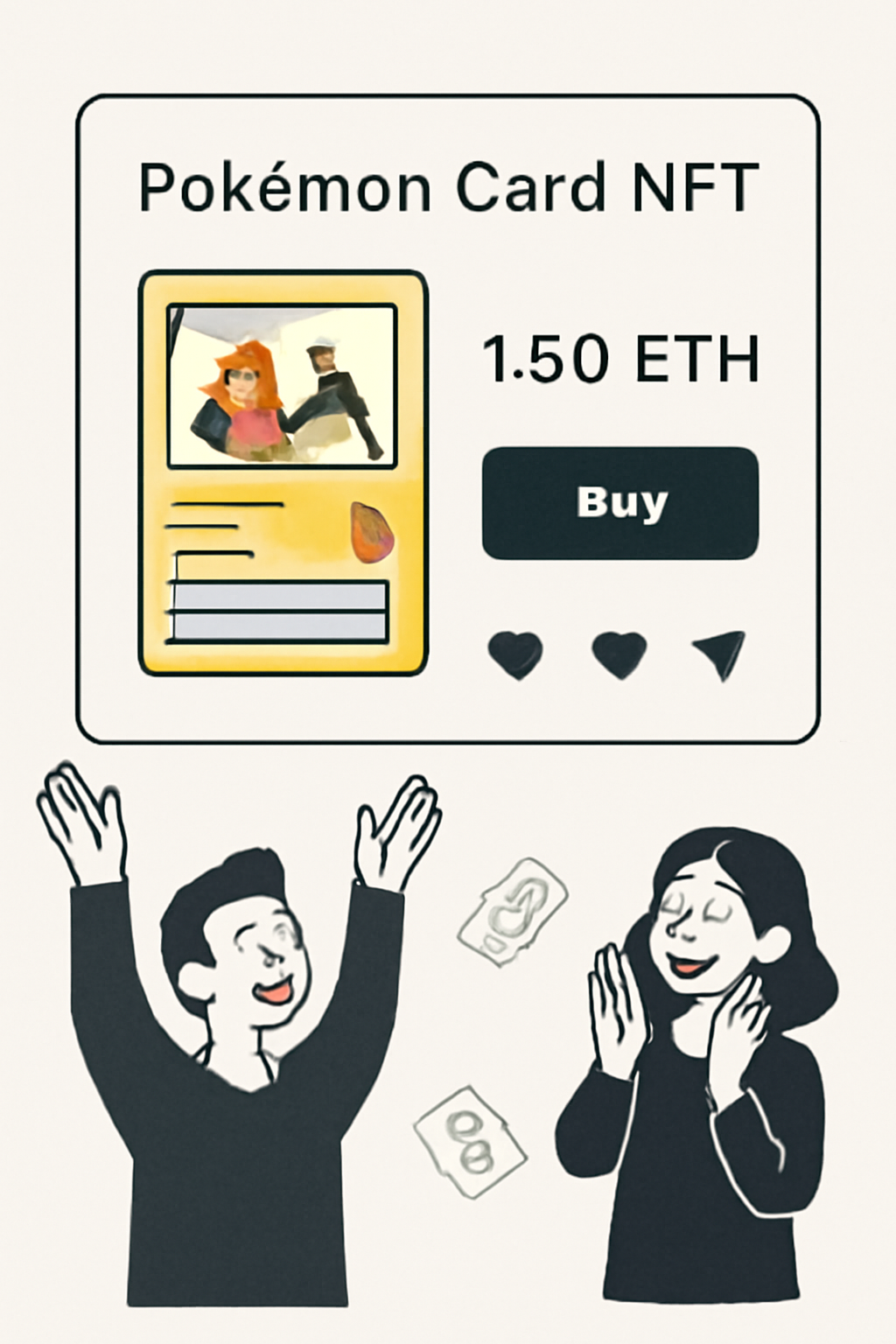
With your NFT minted and provenance established, you’re ready to list it on the marketplace. Set a price that reflects the card’s rarity and condition, research recent sales both on-chain and off-chain to gauge demand. Some platforms even allow auctions or fractional sales, letting multiple collectors invest in a single high-value card.
Top Pokémon Card NFTs Recently Tokenized
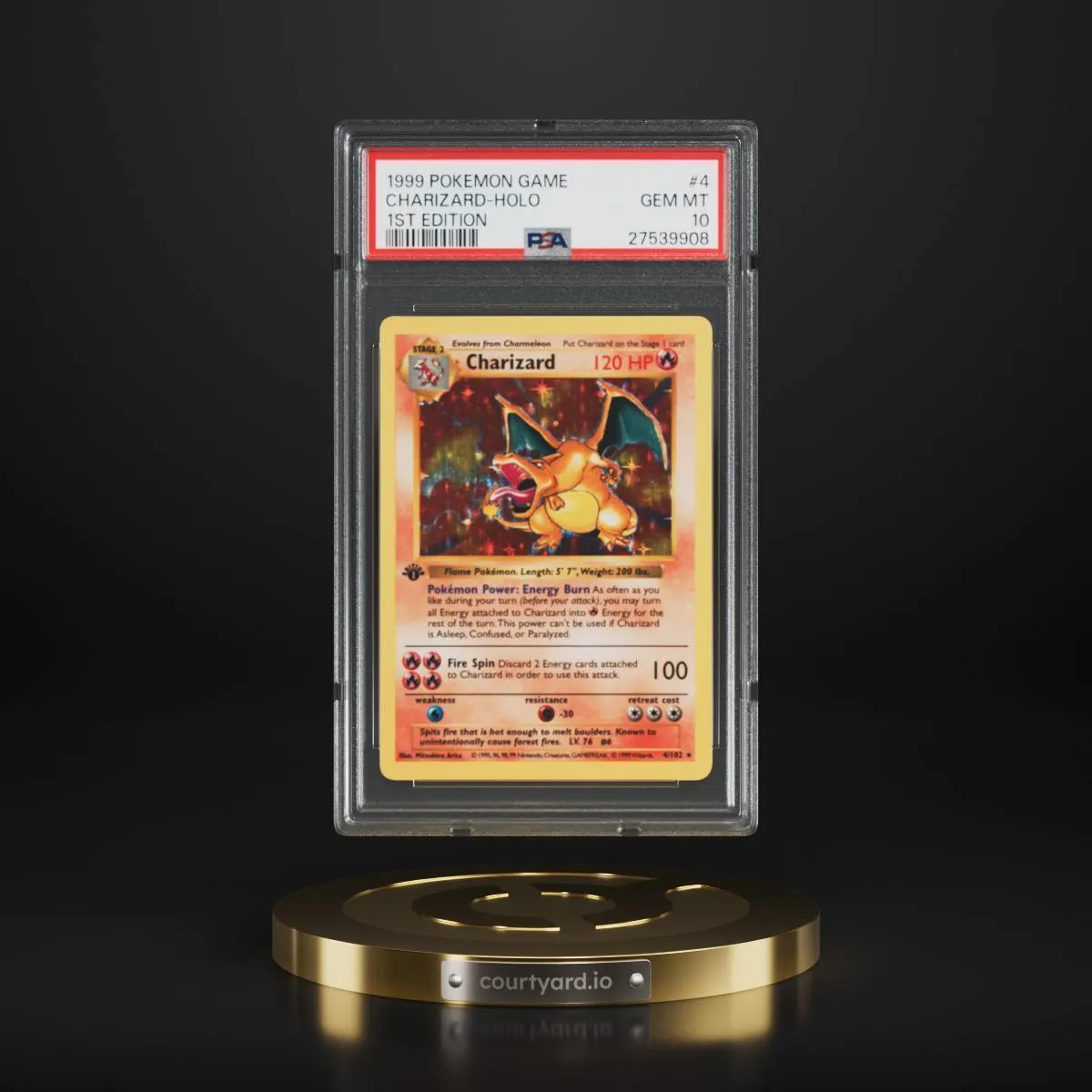
- Charizard (1st Edition, Shadowless) – Tokenized via CourtyardThis iconic Charizard card, graded PSA 9, was recently tokenized on Courtyard. Its NFT is backed by the physical card, securely vaulted and verified for authenticity.
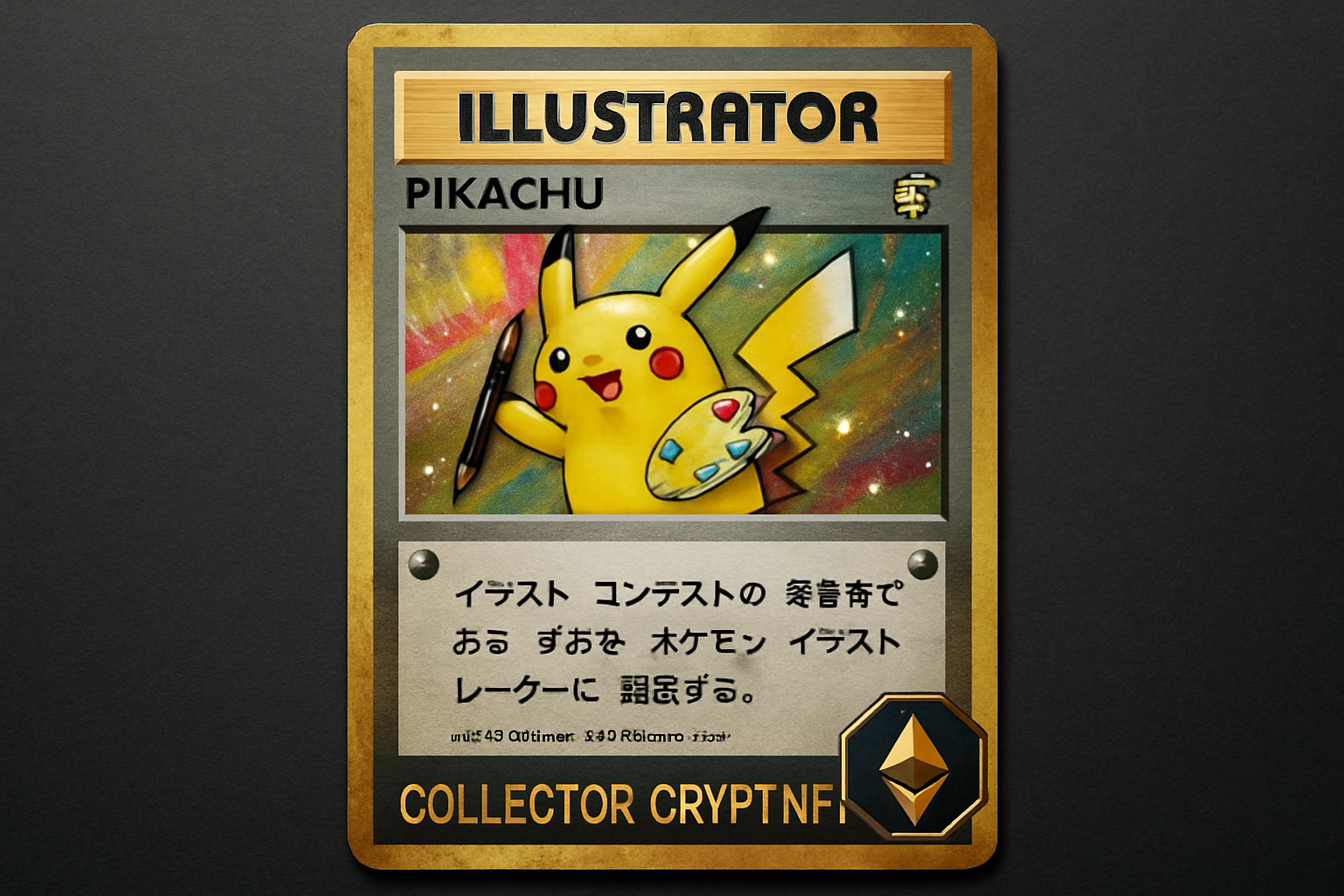
- Pikachu Illustrator – Vaulted & Minted on Collector CryptThe legendary Pikachu Illustrator card, one of the rarest Pokémon cards, was tokenized as an NFT on Collector Crypt, with blockchain-backed provenance and instant tradability.
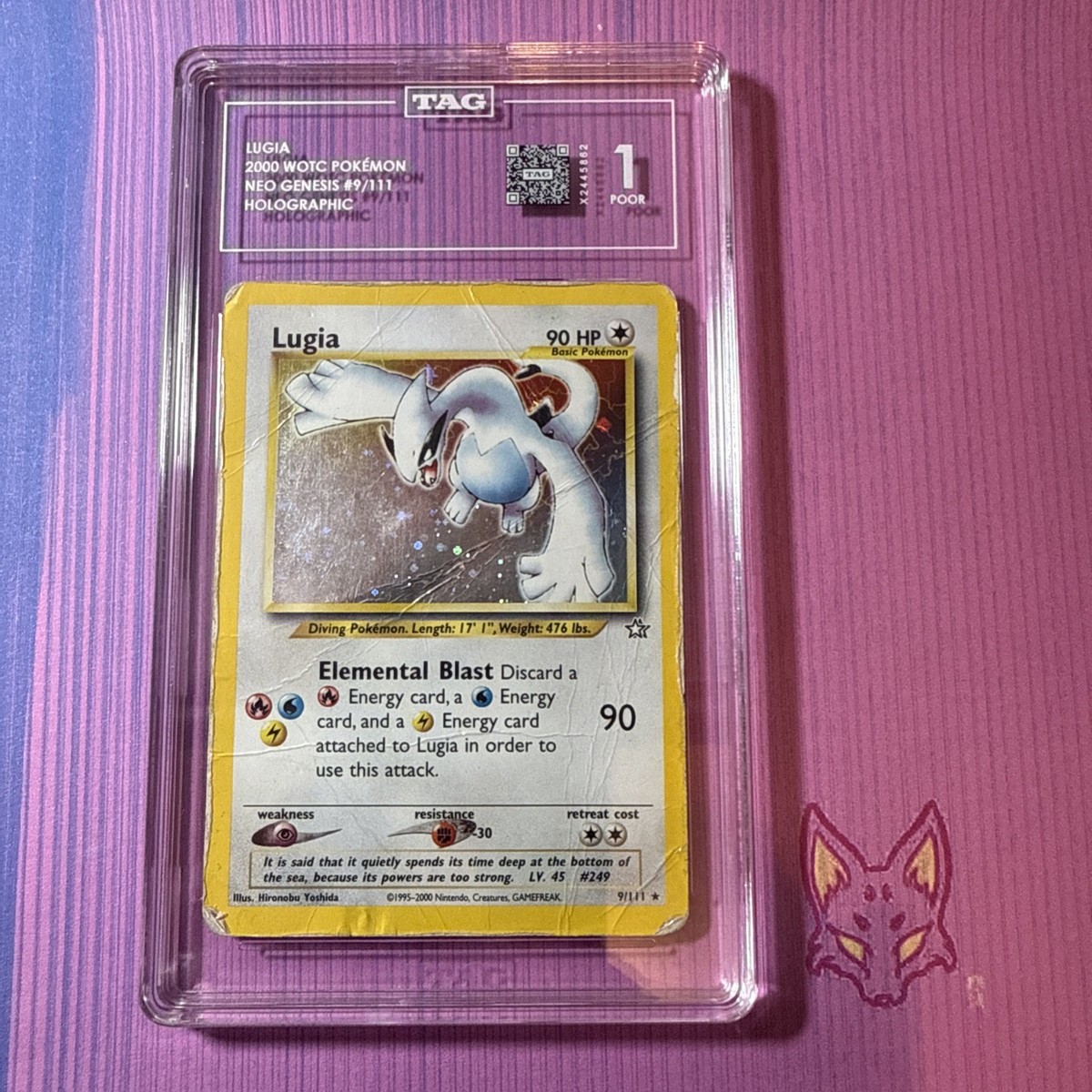
- Lugia (Neo Genesis 1st Edition, PSA 10) – Polygon NFTThis pristine Lugia card was digitized and minted as an NFT on the Polygon blockchain, with the physical card held in a secure vault and ownership tracked transparently.
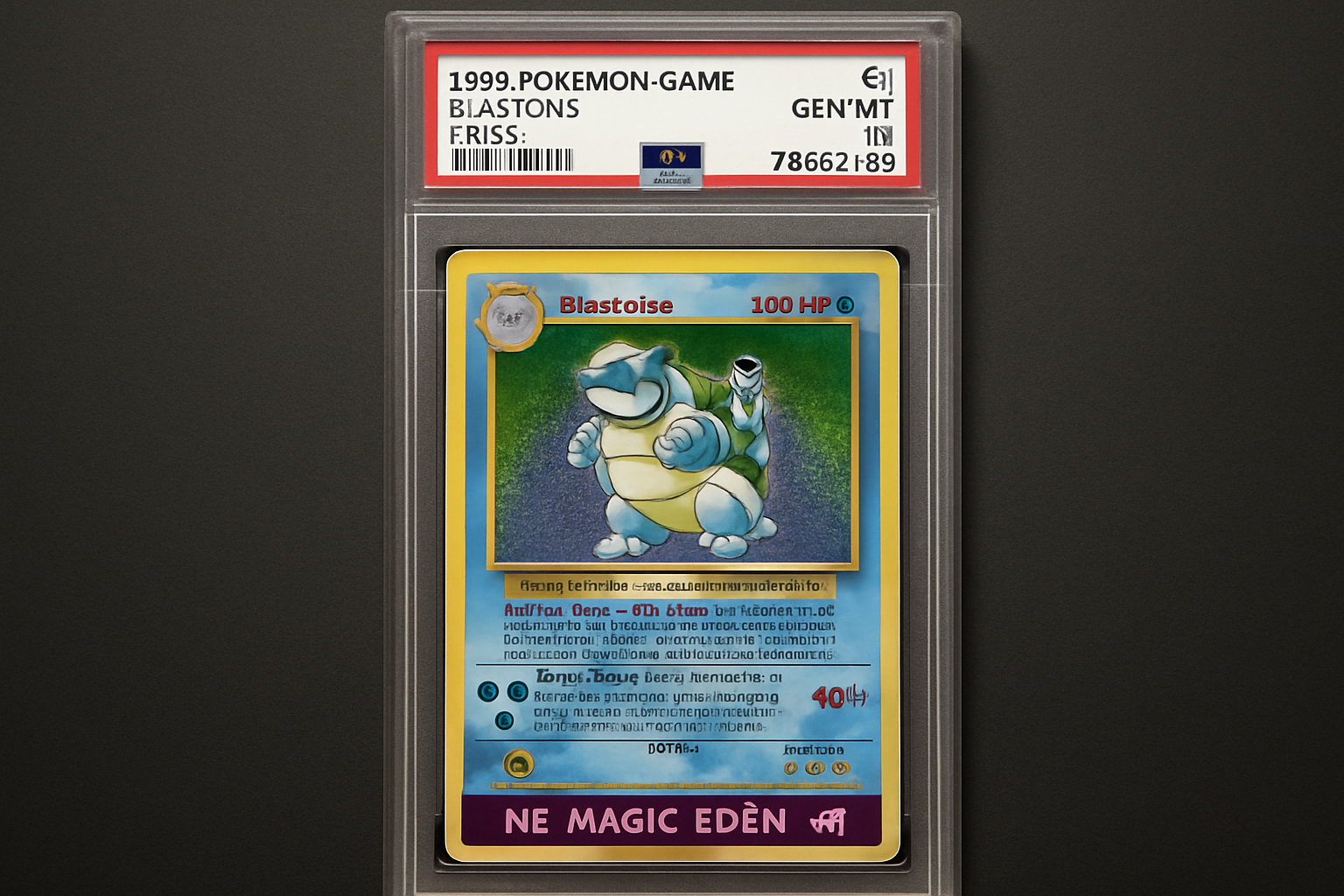
- Blastoise (Base Set, PSA 10) – Magic Eden ExclusiveA Blastoise Base Set card, graded PSA 10, was recently tokenized and listed on Magic Eden, allowing collectors to trade its NFT representation on Solana.
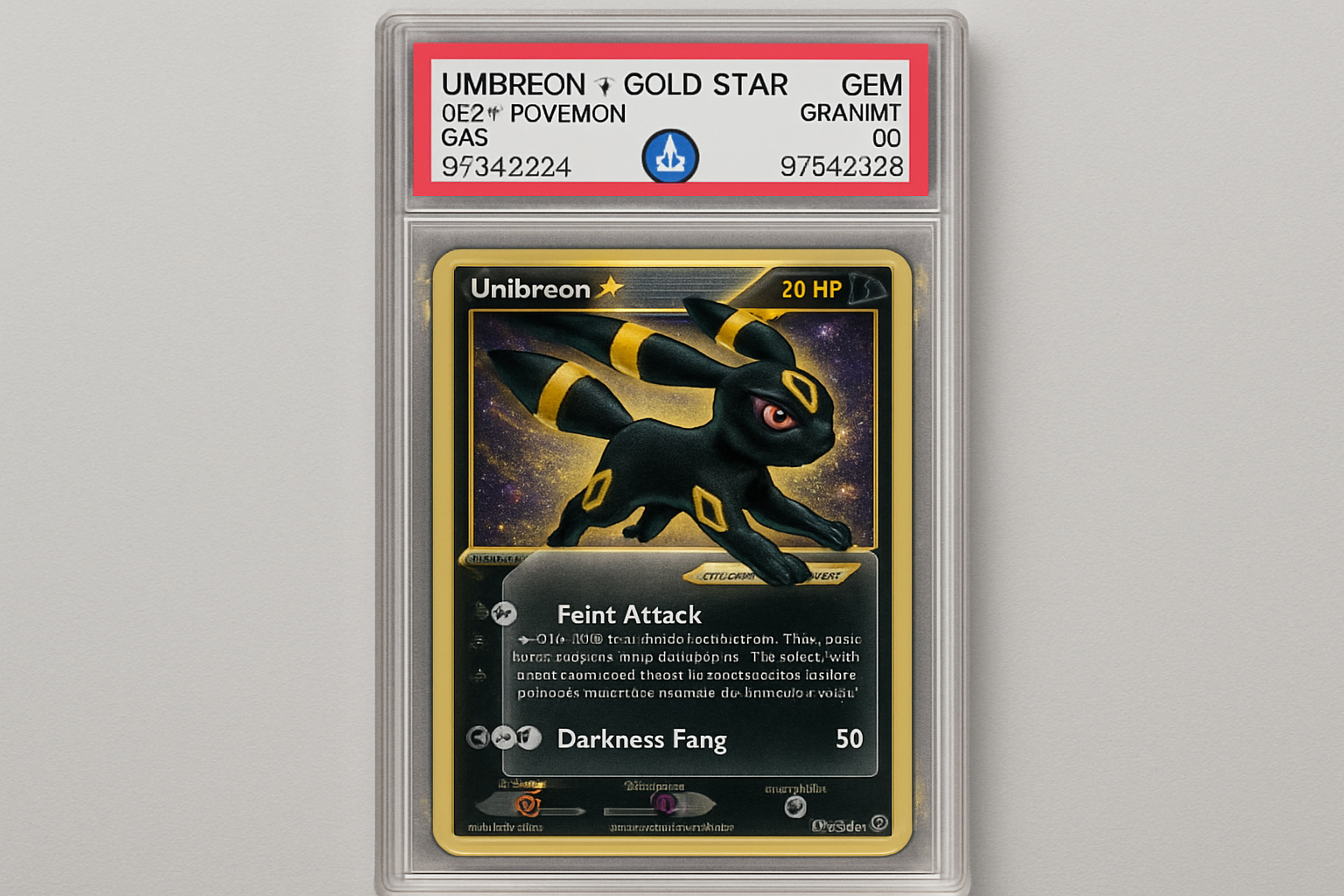
- Umbreon (Gold Star, PSA 10) – OpenSea Vaulted AssetThe coveted Umbreon Gold Star card, PSA 10, was tokenized on OpenSea with a verified link to its physical counterpart, combining rarity and NFT utility.
Promote your listing! Share it on social media, Discord groups, and within NFT communities. The more eyes on your card, the better your chances of finding an enthusiastic buyer.
Risks, Rewards, and Legal Realities
Tokenizing Pokémon cards as NFTs is cutting-edge, but it’s not without risks. The biggest legal gray area is intellectual property, while you own the physical card, the artwork and branding belong to The Pokémon Company. For personal use and private trading, most NFT marketplaces are currently operating in a gray zone, but large-scale commercial use could draw unwanted attention or even takedowns.
Another consideration: market volatility. NFT prices can swing wildly based on hype cycles, crypto trends, and collector sentiment. Always do your research and never risk cards you’re not willing to part with.
Why Tokenized Pokémon Cards Are Here to Stay
Despite skepticism from some corners of the collector community provides "NFTs are just pixels!": the reality is that tokenized RWAs are unlocking new possibilities for liquidity, transparency, and global access. Imagine trading a PSA 10 Pikachu with someone halfway across the world, settling ownership instantly and securely on-chain. That’s the future we’re building.
Ready to start your journey? Dive deeper into the technical steps and compliance tips in our comprehensive guide to tokenizing Pokémon cards. Whether you’re a seasoned TCG investor or just looking to future-proof your childhood collection, tokenization puts you at the forefront of collectibles and crypto innovation.

No comments yet. Be the first to share your thoughts!