
The convergence of collectibles and DeFi
The on-chain trading card game (TCG) market in 2026 has matured from a speculative side project into a sector where physical collectibility meets decentralized finance infrastructure. This convergence is driven by the institutionalization of NFT marketplaces and the integration of DeFi protocols that enable liquidity provision, fractional ownership, and automated pricing mechanisms previously unavailable to traditional card collectors.
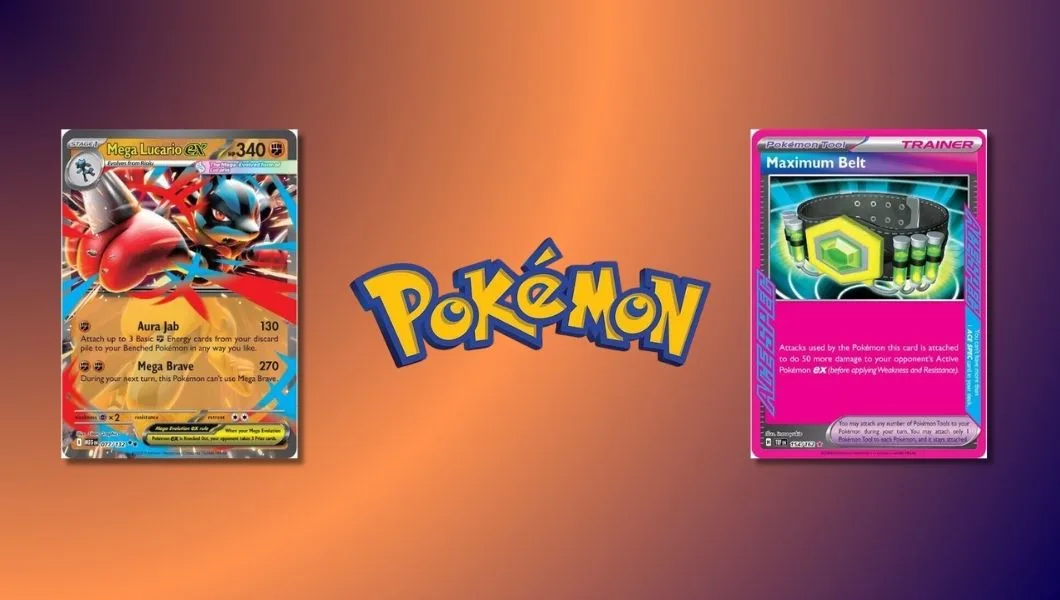
Market analysts identify 2026 as a breakout year for crypto-native TCGs, a sentiment supported by prediction markets exceeding $4 billion in volume in 2025. This momentum is transferring directly into the TCG space, where platforms capitalize on renewed interest in major intellectual properties like Pokémon by offering NFT versions of cards and unopened packs with embedded financial utility.
Major protocols are actively building infrastructure to support TCG assets, moving beyond simple ERC-721 storage to include dynamic pricing models and cross-chain liquidity pools. This structural change reduces the friction of trading high-value digital cards, allowing collectors to treat their holdings with the same liquidity management strategies applied to equities or commodities.
The correlation between broader crypto market trends and TCG-specific token performance remains a critical indicator for investors. As seen in the chart above, tokens associated with gaming and digital collectibles, such as Gala, exhibit volatility that reflects both macroeconomic conditions and niche sector adoption. Understanding this interplay is essential for managing the risks associated with on-chain card investments in 2026.
Liquidity mechanics in digital TCGs
Traditional secondary markets for physical trading card games operate on friction-heavy timelines. Sellers must source buyers through forums, social media groups, or auction houses, often waiting days or weeks for a match. Settlement involves shipping physical inventory, verifying authenticity, and clearing payments through third-party processors that take significant cuts. This illiquidity traps capital and introduces counterparty risk that does not exist in on-chain environments.
On-chain TCGs replace this slow pipeline with instant settlement and programmable liquidity. When a tokenized card trades on a decentralized exchange or specialized marketplace, ownership transfers immediately on the blockchain. There is no waiting for shipping or manual verification. The asset is digital-native, meaning the transfer of title and the settlement of funds happen simultaneously within the same transaction block. This eliminates the lag that typically erodes value in traditional collectibles markets.
The liquidity advantage extends beyond speed. On-chain assets can be integrated directly into DeFi protocols, allowing collectors to earn yield on otherwise idle inventory. Platforms are emerging that let users leverage tokenized Pokémon cards or other TCG assets as collateral for loans or liquidity provision. This transforms static collectibles into active financial instruments, a stark contrast to physical cards that sit in binders earning nothing.
| Feature | Traditional Physical Market | On-Chain TCG |
|---|---|---|
| Settlement Time | Days to weeks | Seconds to minutes |
| Counterparty Risk | High (shipping, fraud) | Low (smart contract enforced) |
| Yield Opportunities | None | DeFi integration possible |
| Market Access | Fragmented, niche | Global, 24/7 |
This shift redefines how value is captured in collectible markets. While traditional trading relies on scarcity and physical rarity, on-chain liquidity adds a layer of financial utility. Collectors are no longer just holders; they are participants in a continuous, liquid market where assets can be traded, leveraged, or staked without leaving the digital ecosystem.
Leading on-chain TCG platforms in 2026
The 2026 market for blockchain-based trading card games has bifurcated into distinct operational models. On one side, pure-play native protocols like Gods Unchained continue to refine the "play-to-earn" loop, offering deep strategic depth with over 1,800 cards across six domains. On the other, hybrid giants such as Sorare have expanded their licensed sports card ecosystems across football, the NBA, and MLB, leveraging existing consumer bases to drive liquidity.
Pure-play platforms rely on internal tokenomics to sustain trading volume. Gods Unchained, for instance, uses its native $GODS token to facilitate marketplace transactions and reward competitive play. This model creates a closed-loop economy where player activity directly influences token demand. However, it also exposes the platform to the same volatility that affects the broader crypto market. When the native token price drops, player retention and liquidity often follow, creating a feedback loop that requires careful economic management.
Hybrid platforms, by contrast, decouple the gaming experience from speculative token assets. Sorare’s model centers on officially licensed digital collectibles bought with fiat or stablecoins, reducing the friction for traditional sports fans entering the space. This approach stabilizes the user base but limits the "earn" mechanics that define the blockchain TCG niche. The 2026 landscape is defined by this tension: pure-play games offer higher yield potential but carry greater financial risk, while hybrids offer stability but lower speculative upside.

Liquidity remains the primary differentiator between these platforms. Pure-play ecosystems often suffer from thin order books during market downturns, making it difficult for players to exit positions without significant slippage. Hybrid models benefit from deeper, more consistent trading volumes driven by broader consumer interest in sports collectibles. For investors and players alike, understanding this structural difference is critical when allocating capital in 2026.
Risks and regulatory headwinds
The on-chain TCG sector operates in a high-stakes environment where liquidity is often more fragile than it appears. While the narrative of $10 billion in new Pokémon collectibles drives mainstream attention, the underlying market structure faces significant scrutiny. Investors must understand the reality that digital asset liquidity can vanish rapidly during periods of market stress, leaving holders unable to exit positions without substantial slippage.
Regulatory uncertainty remains a persistent overhang. Unlike traditional card games, on-chain assets are subject to evolving securities and commodities classifications that vary by jurisdiction. This legal ambiguity creates compliance risks for platforms and issuers, potentially limiting institutional participation and constraining the market's ability to scale sustainably. The lack of standardized regulatory frameworks means that what is permissible today may face restrictions tomorrow, adding a layer of operational risk to long-term holding strategies.
Market analysts have increasingly raised concerns about speculative bubbles, particularly in ecosystems where trading volume is driven by hype rather than utility or genuine collector demand. Investigations into the rapid expansion of on-chain collectibles suggest that a significant portion of activity may be self-referential or artificially inflated. This dynamic creates a dangerous feedback loop where rising prices attract more speculative capital, further detaching valuations from fundamental value.
The convergence of these factors—liquidity traps, regulatory ambiguity, and bubble concerns—means that on-chain TCGs should be approached with caution. The high-stakes nature of this market requires rigorous due diligence and a clear understanding of the risks involved, rather than blind faith in the potential for exponential returns.
No comments yet. Be the first to share your thoughts!