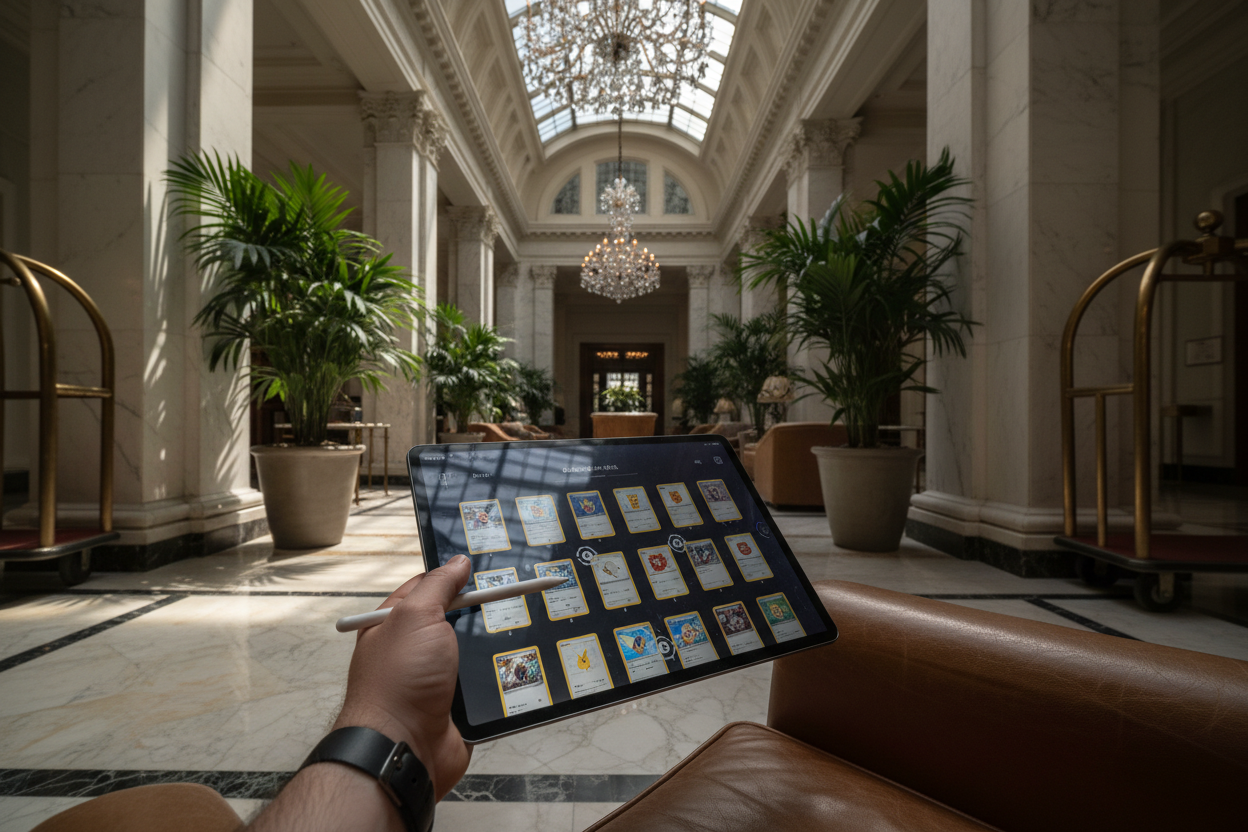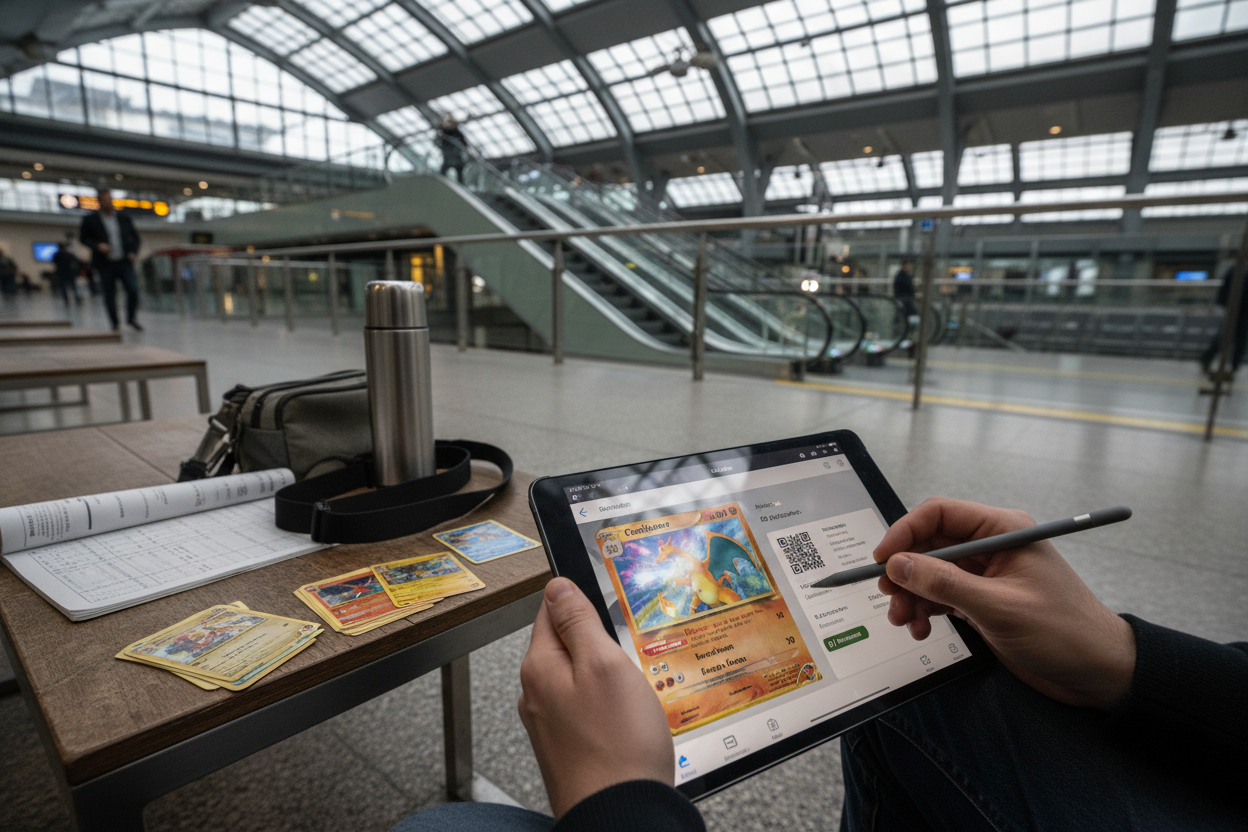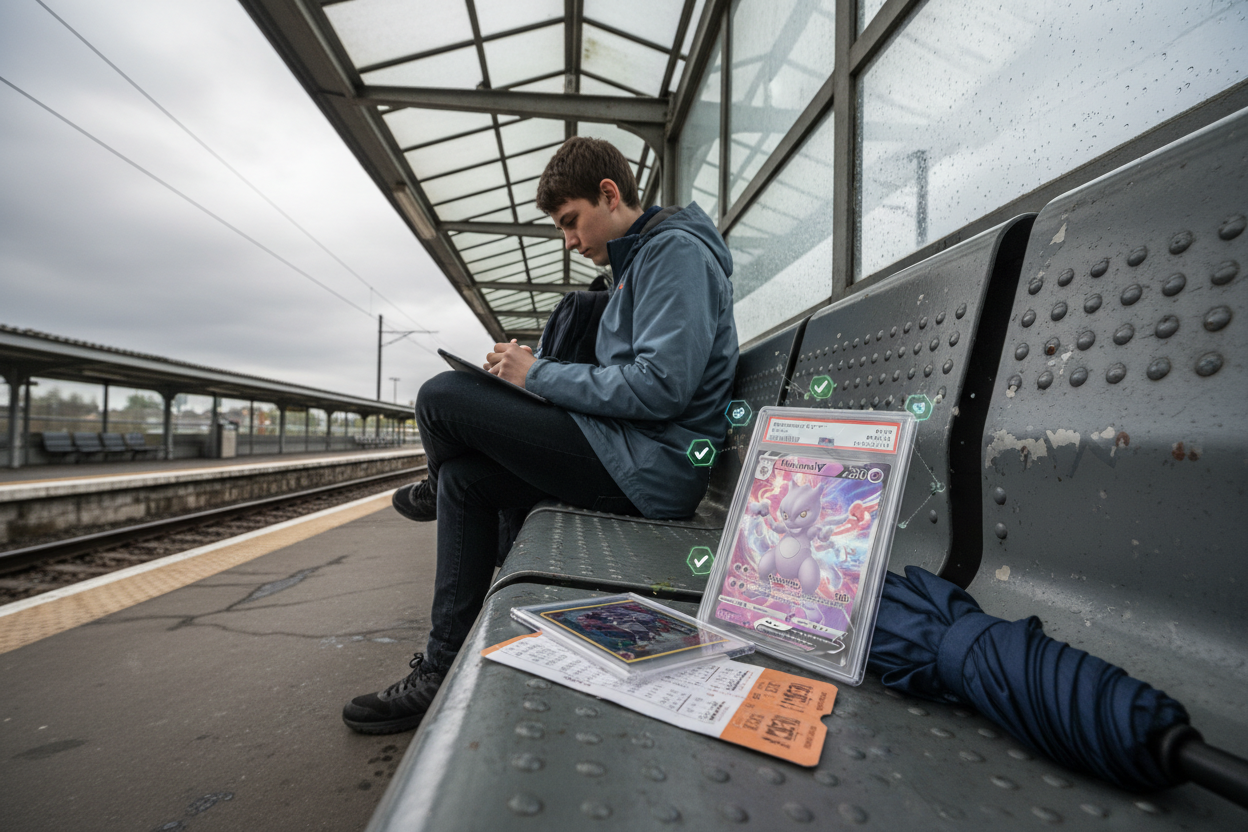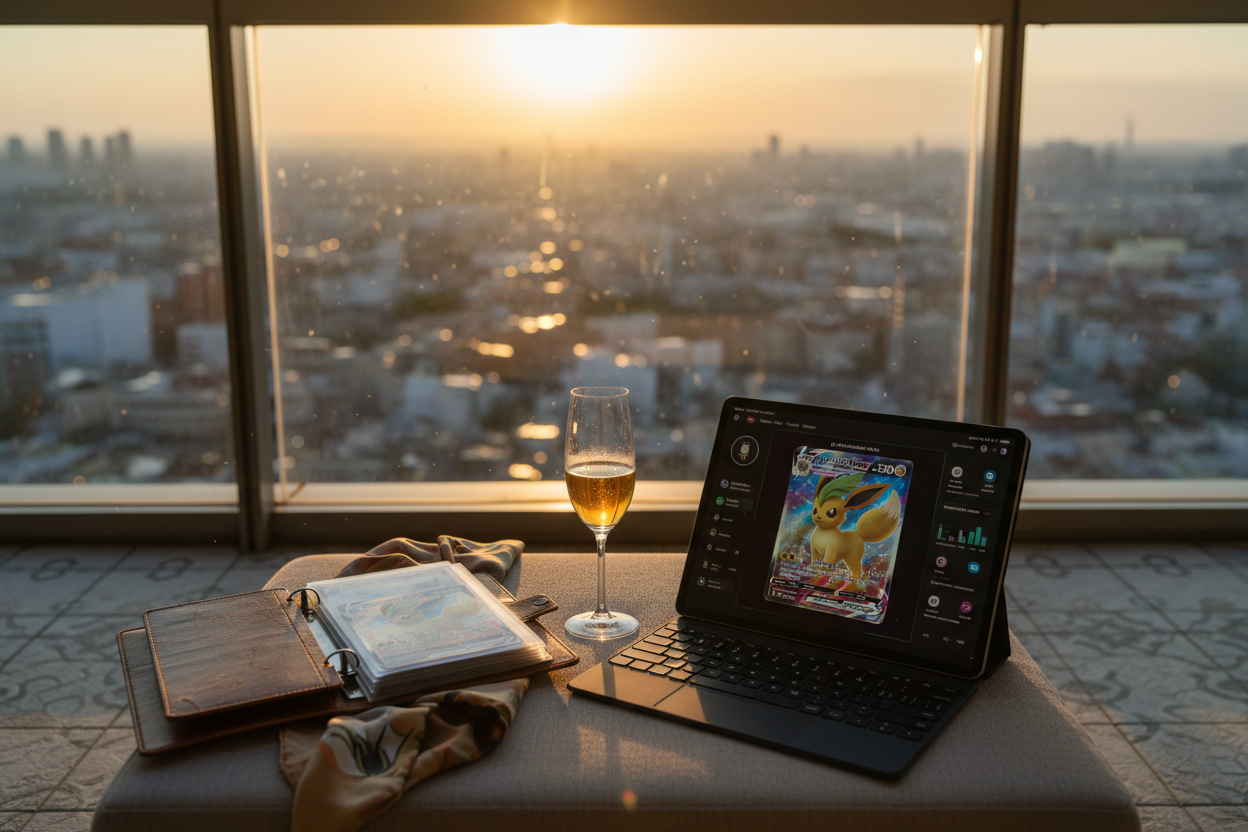
Pokémon cards have always been more than just collectibles, they represent nostalgia, strategy, and significant financial value. As the market for physical trading cards exploded past $124.5 million in trading volume in August 2025, a new wave of innovation is transforming how collectors buy, sell, and own these assets: tokenization on the blockchain. Platforms like Courtyard (Polygon) and Collector Crypt (Solana) are leading this charge by converting physical Pokémon cards into blockchain-backed NFTs, unlocking liquidity and global access for collectors and investors.

What Does It Mean to Tokenize Pokémon Cards?
Tokenizing a Pokémon card means creating a unique digital token, an NFT, that represents ownership of a specific, authenticated physical card stored in a secure vault. This NFT acts as a digital certificate of authenticity and provenance. When you own the NFT, you have legal rights to the underlying card. If you choose, you can redeem your NFT to claim the physical asset or trade it instantly on global marketplaces.
This process bridges the gap between physical collectibles and crypto, bringing Pokémon cards into the world of trading card RWAs (real-world assets). The result is increased transparency, security from counterfeits, and instant liquidity, no more waiting weeks for shipping or worrying about scams.
The Step-by-Step Tokenization Journey
How to Tokenize Your Pokémon Cards as NFTs: A Step-by-Step Visual Guide
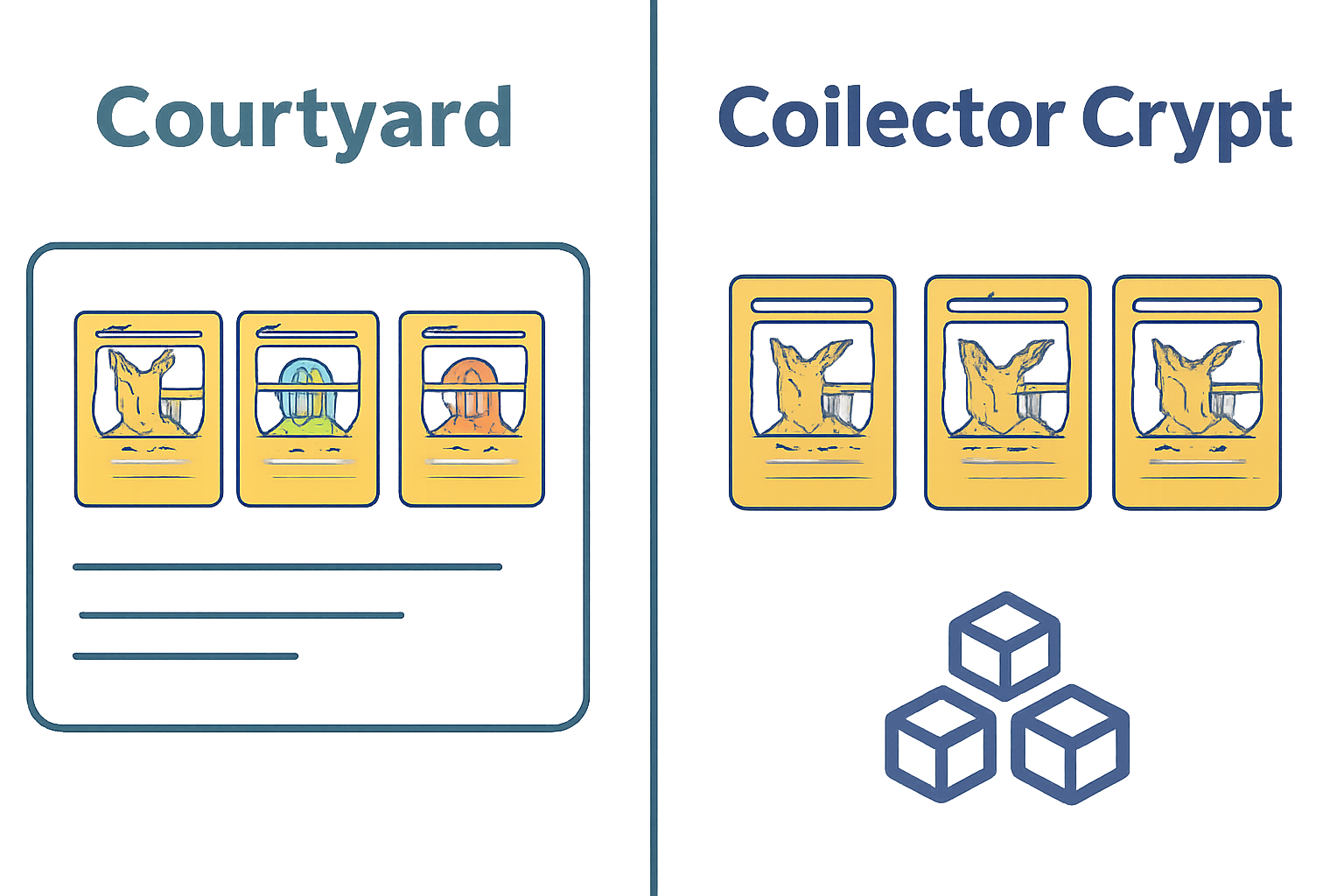
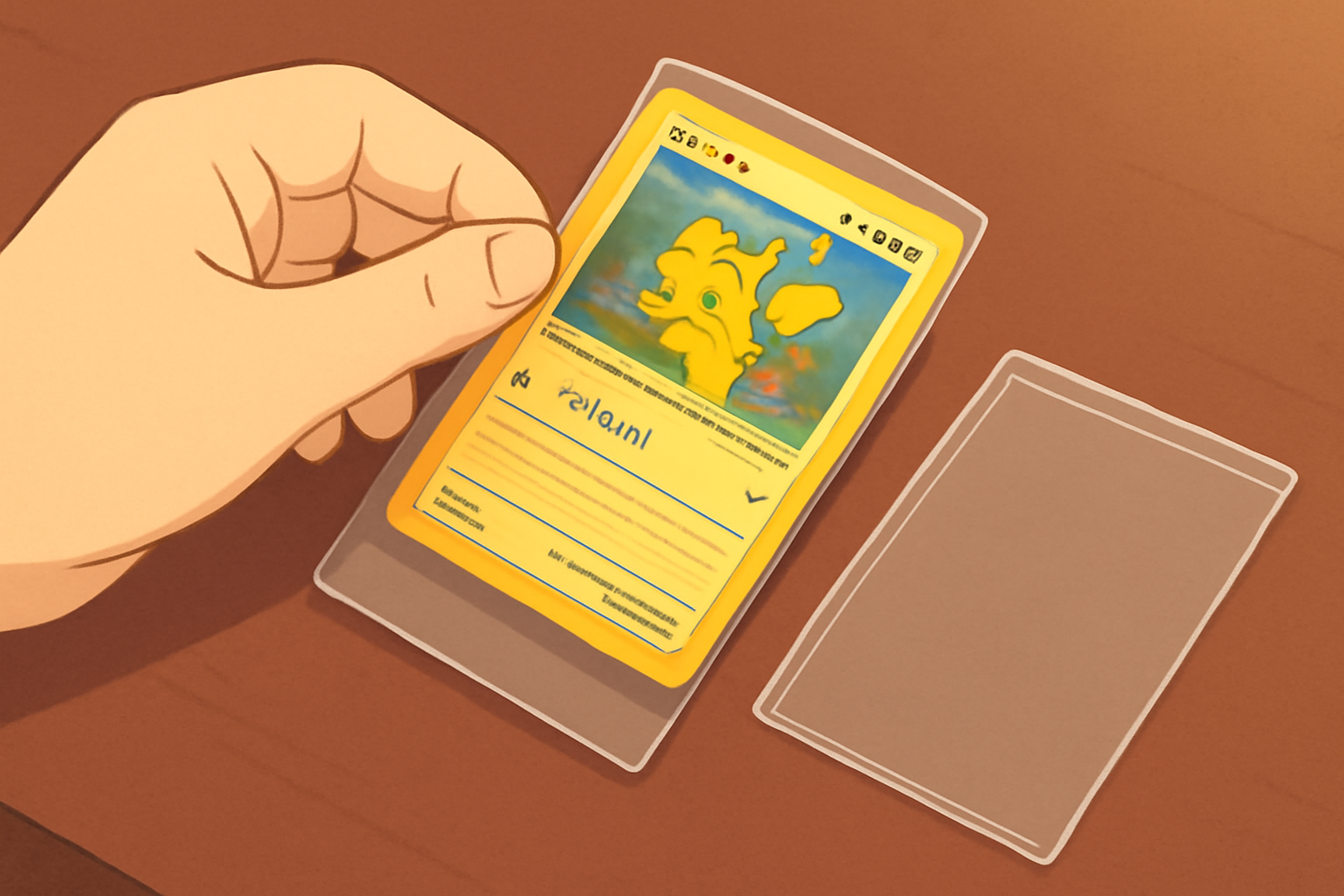
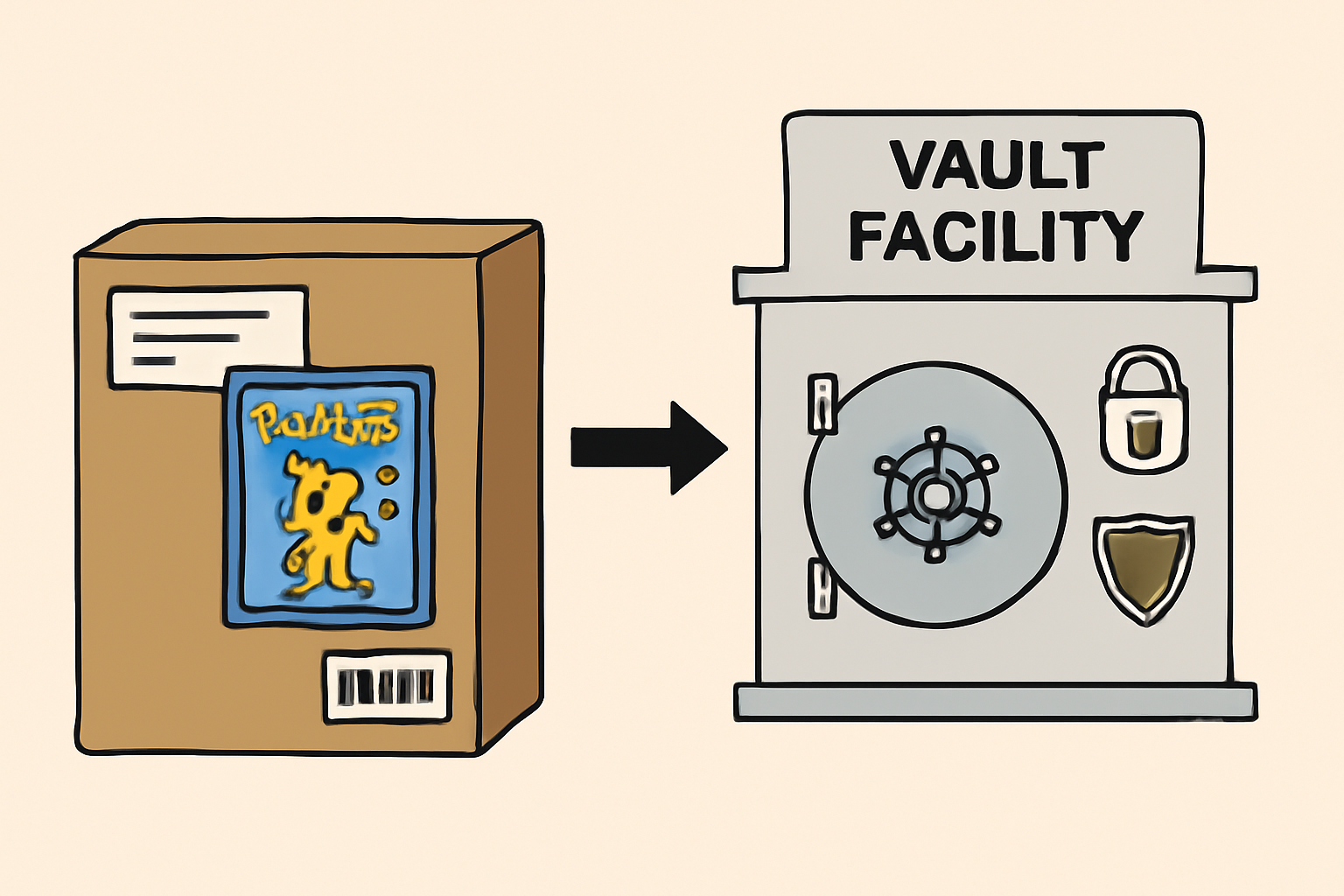
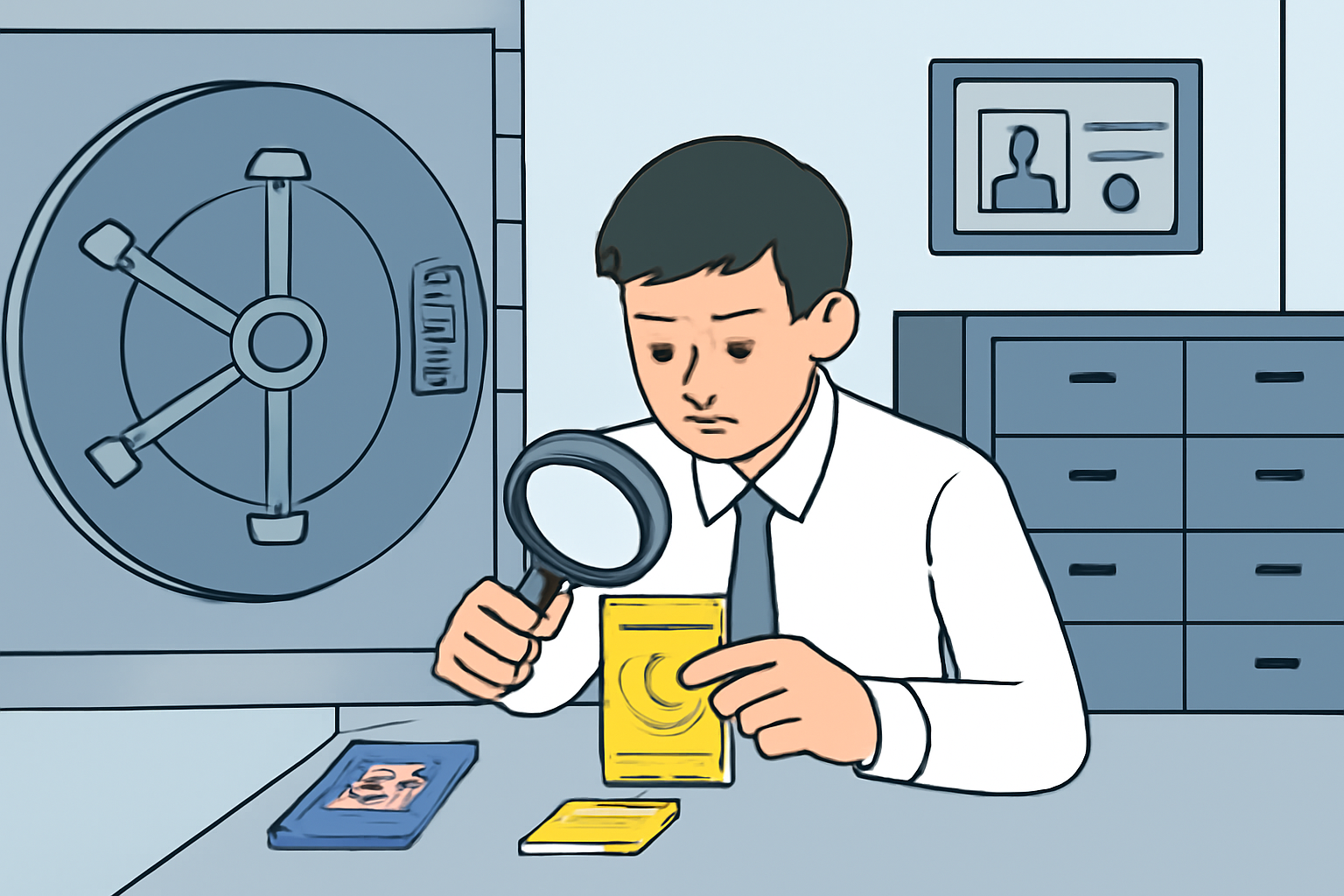
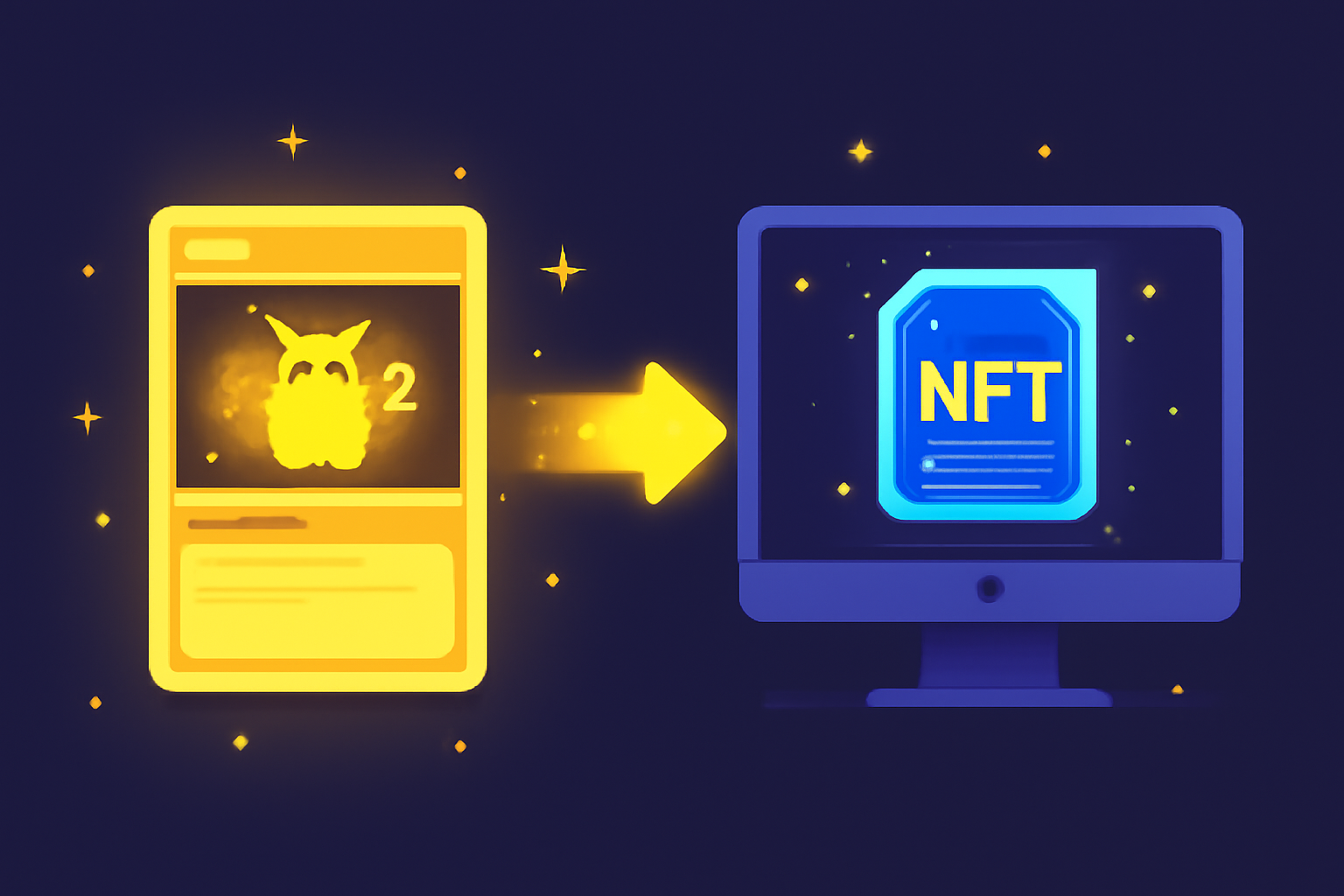
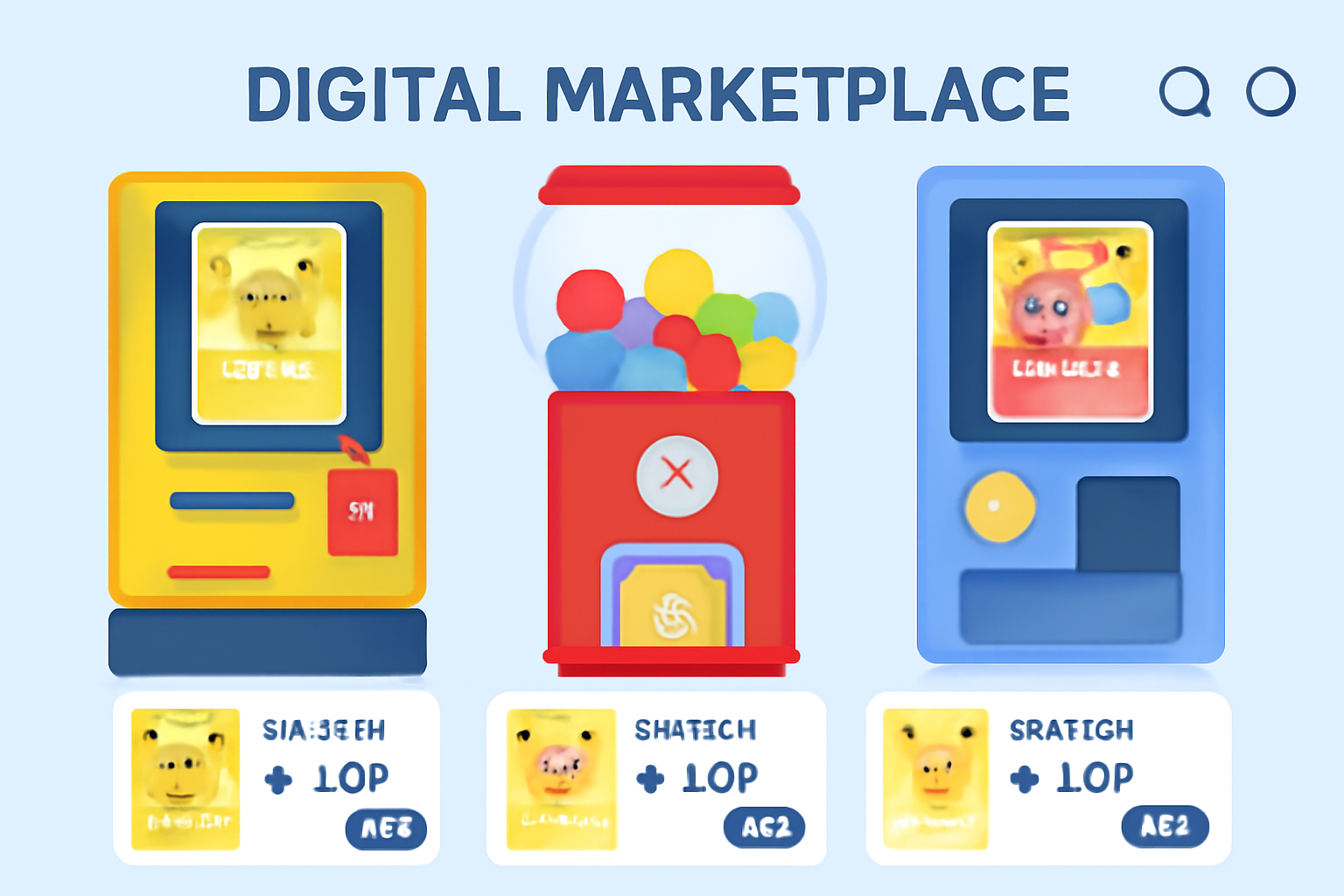
The journey from cardboard to blockchain typically involves these steps:
- Submission: You send your physical Pokémon card to an approved tokenization platform such as Courtyard or Collector Crypt.
- Authentication and Grading: Experts verify your card’s authenticity and condition. Cards that don’t meet quality standards are returned, some platforms even offer buyback guarantees.
- Vaulting: The authenticated card is securely stored in an insured vault facility.
- Minting: An NFT is created on-chain (Polygon or Solana) that uniquely represents your vaulted card.
- Trading: You can now trade your Pokémon card NFT globally on supported marketplaces, instantly and securely.
This model has proven so compelling that platforms like Courtyard led with $78.4 million in trading volume last month alone. Gamified features such as Courtyard’s “Vending Machine” and Collector Crypt’s “Gacha Machine” further drive engagement by letting users experience randomized pack openings digitally.
The Platforms Powering Pokémon Card NFTs
Top Platforms Tokenizing Physical Pokémon Cards
-

Courtyard (Polygon): Courtyard leads the sector, having facilitated $78.4 million in trading volume in August 2025. The platform securely vaults physical Pokémon cards, issues NFT representations, and features a unique Vending Machine model for digital pack openings, enhancing user engagement.
-

Collector Crypt (Solana): A major competitor, Collector Crypt reported $44 million in trading volume in August 2025. Its native CARDS token saw a tenfold increase in value, reaching a $360 million fully diluted valuation. The platform’s Gacha Machine gamifies card acquisition, generating $16.6 million in sales in just one week.
-

Courtyard Marketplace: As an extension of Courtyard, the Courtyard Marketplace allows users to submit Pokémon cards for tokenization at a cost of $25 per card. Cards are securely stored, and a buyback guarantee is offered if quality standards are not met, ensuring trust and transparency for collectors.
The rise of tokenized Pokémon cards is tightly linked to the credibility and user experience offered by leading platforms. Here’s where most collectors are turning:
- Courtyard (Polygon): Known for its seamless onboarding, insured vault storage, and robust secondary marketplace. Their Vending Machine model mimics the thrill of opening booster packs online.
- Collector Crypt (Solana): Offers fast transactions with low fees and unique gamified experiences like the Gacha Machine. Its native CARDS token saw a tenfold price surge within a week of launch, reaching a fully diluted valuation of $360 million.
The combination of secure storage, transparent authentication processes, and blockchain-based ownership is rapidly making tokenized Pokémon cards one of the most attractive sectors in both collectibles and crypto investing. For further details on how this process works step by step for collectors, see our expanded guide: How to Tokenize Your Pokémon Cards as NFTs: Step-by-Step Guide for Collectors.
With trading volumes for tokenized Pokémon cards hitting $124.5 million in August 2025, it’s clear that the sector is no longer a niche curiosity. Instead, it’s become a vibrant intersection of physical collectibles and blockchain innovation. But what’s truly driving this surge? It’s not just speculation. The underlying infrastructure has matured, offering real-world utility for both seasoned collectors and crypto natives.
Why Tokenized Pokémon Cards Appeal to Modern Collectors
Traditional card trading has always been plagued by issues: counterfeits, inconsistent grading, slow settlement times, and geographical barriers. Tokenizing Pokémon cards as NFTs solves these pain points by providing:
Key Benefits of Tokenized Pokémon Cards
-

Enhanced Liquidity and 24/7 Trading: Tokenized Pokémon cards can be bought and sold instantly on platforms like Courtyard and Collector Crypt, enabling collectors to access a global marketplace and benefit from $124.5 million in trading volume (August 2025), far surpassing the speed and reach of traditional physical card sales.
-

Secure Physical Storage: When cards are tokenized, the underlying physical Pokémon cards are stored in secure, insured vaults by platforms such as Courtyard and Collector Crypt, providing peace of mind against theft, loss, or damage—risks that physical collectors face with home storage.
-

Verifiable Authenticity and Provenance: Each tokenized card is linked to a blockchain-based NFT, ensuring transparent, tamper-proof records of ownership and authenticity, which helps eliminate counterfeiting and forgeries common in the physical card market.
-

Global Accessibility and Fractional Ownership: Tokenized cards can be accessed and traded from anywhere in the world, and platforms may enable fractional ownership, allowing collectors to invest in high-value cards without needing to purchase the entire asset.
-

Gamified User Experiences: Innovative features like Courtyard’s “Vending Machine” and Collector Crypt’s “Gacha Machine” offer engaging, randomized pack-opening experiences online, mirroring the excitement of physical pack openings and generating millions in sales (e.g., $16.6 million in a week for Collector Crypt’s Gacha Machine).
When you own a Pokémon card NFT, you’re not just holding a JPEG. You’re holding a claim on a real, authenticated asset, stored in a professional vault. This opens up possibilities like fractional ownership, instant global trading, and even DeFi integrations in the near future.
Risks and Considerations: What Every Collector Should Know
Despite the advantages, tokenizing physical assets isn’t without risks. You’re trusting third-party platforms to securely store and manage your cards. Platform solvency, insurance coverage, and regulatory clarity are all factors to weigh. Additionally, while blockchain records are immutable, the underlying physical asset must remain safe and accessible for redemption.
As with any emerging market, volatility is high. The CARDS token on Collector Crypt saw a tenfold increase within a week, reaching a fully diluted valuation of $360 million. While this reflects surging demand, it also means prices can swing rapidly. Always perform due diligence before participating in these new ecosystems.
How to Get Started: From Card Submission to On-Chain Trading
Ready to bridge your collection into the digital era? Here’s a quick checklist to guide your first steps:
For a comprehensive walkthrough of each stage, including authentication tips and platform comparisons, explore our full guide: How to Tokenize Your Pokémon Cards as NFTs: Step-by-Step Guide for Collectors.
What’s Next for Pokémon Card RWAs?
The evolution of Pokémon cards as crypto-backed RWAs is only beginning. As more collectors see the benefits of blockchain-based authentication and instant liquidity, expect further innovation from leading platforms. Features like dynamic pricing models, cross-chain interoperability, and integration with DeFi protocols are on the horizon.
The bottom line: whether you’re a nostalgic enthusiast or an investor seeking exposure to alternative assets, tokenized Pokémon cards offer a compelling blend of security, transparency, and global access. The days of collectibles being locked away in shoeboxes are fading fast – now they’re secured on-chain, traded worldwide in seconds.
About the Author