In the evolving landscape of collectibles, tokenizing physical Pokémon cards as RWAs on platforms like TCGOnChain represents a pivotal shift for 2026 collectors. This process transforms tangible assets into blockchain-based NFTs, backed by vault-stored originals, unlocking liquidity and global trading without relinquishing ownership of the physical card. As pokemon cards crypto nft gains traction, TCGOnChain emerges as the premier hub, blending rigorous authentication with seamless on-chain functionality.
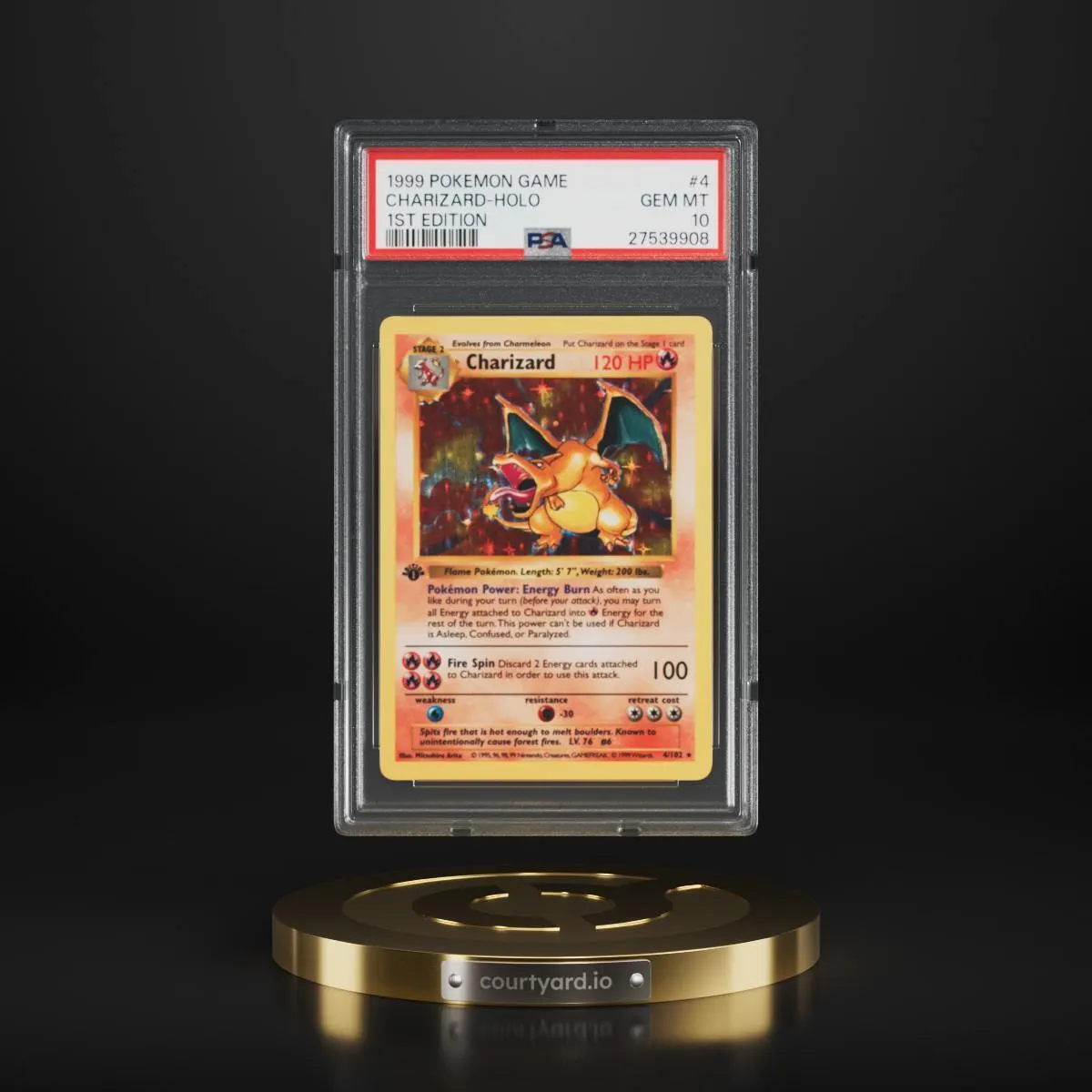
Tokenized Pokémon cards differ fundamentally from purely digital NFTs. Each token corresponds to a real, graded card secured in professional vaults, enabling fractional ownership, instant trades, and redemption options. Market data underscores this boom: platforms report surging volumes, with tokenized cards hitting significant trading figures in recent months. For collectors eyeing physical pokemon cards blockchain integration, this model mitigates risks like counterfeits and shipping damages while amplifying investment potential.
Why TCGOnChain Leads Trading Card Tokenization 2026
While pioneers like Courtyard on Polygon have driven early adoption with monthly volumes nearing $80 million and Brink’s vaults, TCGOnChain refines this for superior precision. Operating as the dedicated platform for Pokémon, Magic: The Gathering, and beyond, it prioritizes collector-centric features: immutable blockchain verification, fractionalization for accessible entry, and optimized liquidity pools. Unlike broader marketplaces, TCGOnChain’s focus on tcgonchain pokemon rwa ensures tailored tools for grading integration and redemption, reducing friction in the tokenize pokemon cards rwa workflow.
From my vantage as a CFA charterholder navigating equities and digital assets, this intersection demands disciplined analysis. Traditional Pokémon investments tie up capital in illiquid slabs; tokenization introduces portfolio diversification akin to RWAs in real estate or art. Yet, success hinges on platform reliability. TCGOnChain’s smart contracts embed unique digital signatures, verifiable on-chain, outpacing competitors in transparency and auditability. Collectors trading high-value cards, say vintage Base Set holos, benefit from 24/7 global access without customs hurdles.

Essential Preparations Before Tokenization
Embarking on tokenization requires meticulous groundwork to safeguard value. Start by evaluating your collection’s potential: prioritize PSA or Beckett graded cards above 8 for optimal liquidity, as market data favors pristine specimens. This grading not only authenticates but quantifies scarcity, a cornerstone for RWA pricing models. In 2026, with blockchain oracles feeding real-time grading data, platforms like TCGOnChain automate value assessments, minimizing human bias.
Opinionated take: Skip ungraded bulk; focus on icons like first-edition Charizards or Illustrator Pikachus. These command premiums in tokenized form, mirroring physical auctions but with crypto velocity. Diversify across sets – Gen 1 staples alongside modern chase cards – to hedge vintage hype cycles against emerging meta shifts.
Step 1: Professional Grading and Authentication
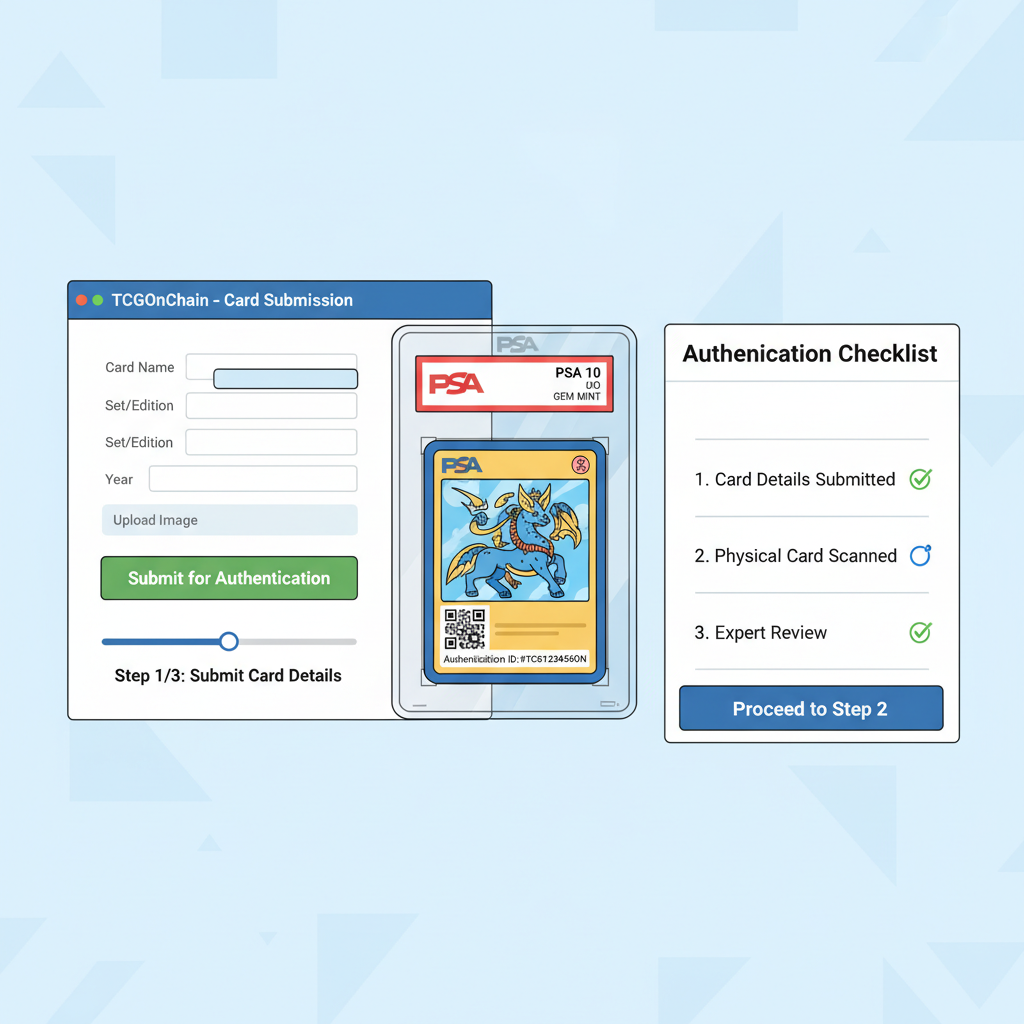
The foundation of any trading card tokenization 2026 process lies in third-party grading. Submit cards to PSA or Beckett via their portals; expect 30-60 day turnarounds for standard service. Graders inspect centering, edges, corners, and surface under magnification, assigning scores from 1-10. A PSA 10 gem mint unlocks peak RWA value, often 2-5x ungraded peers.
TCGOnChain integrates these slabs directly: upload slab images and cert numbers post-grading for preliminary verification. This step weeds out fakes, critical as counterfeits plague 20-30% of secondary markets per industry estimates. For deeper guidance, explore TCGOnChain’s tokenization protocols.
Step 2: Secure Vault Storage
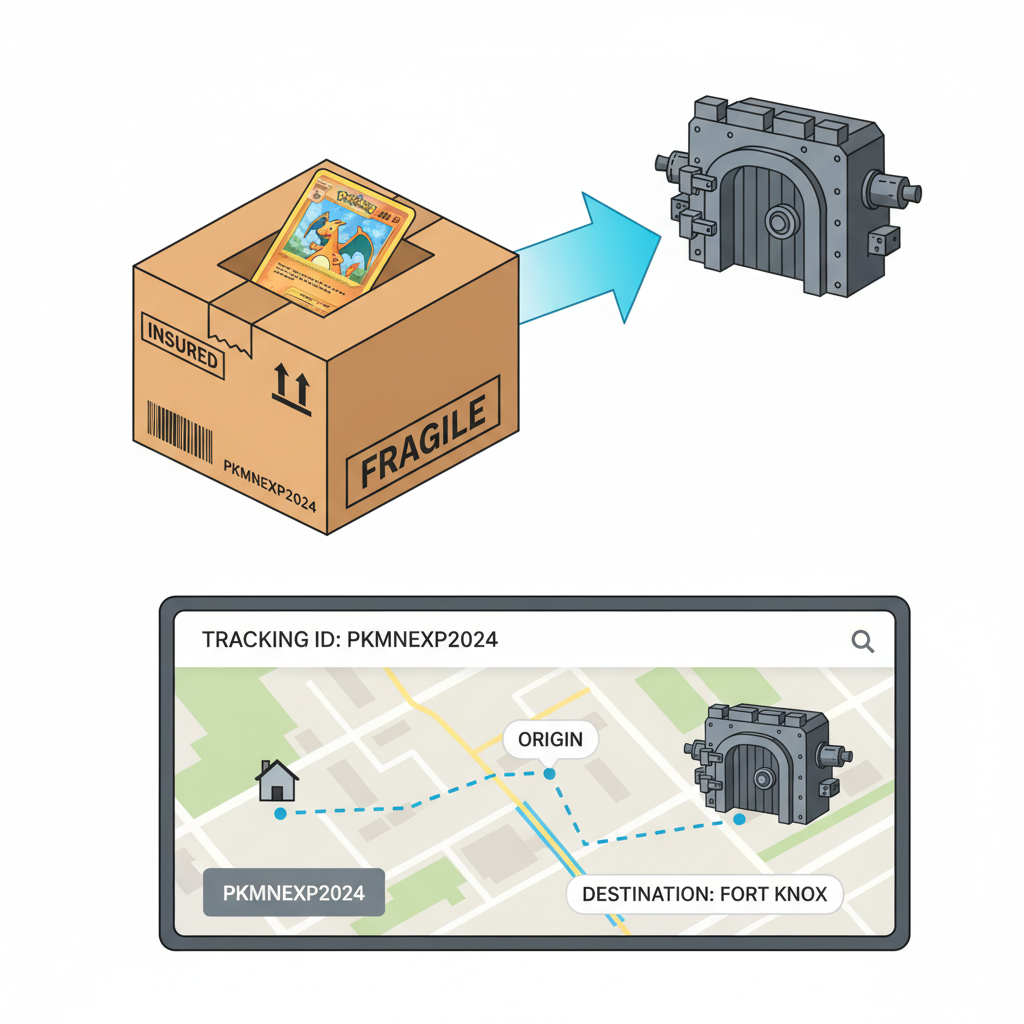
Post-grading, ship slabs to TCGOnChain-partnered vaults mirroring Brink’s standards: climate-controlled, insured, 24/7 surveillance. Photography and serialization occur here, creating a digital twin before minting. This custody model insulates against theft or degradation, with insurance covering full appraised value.
Analytically, vaulting elevates RWAs to institutional grade. Collectors retain redemption rights, but trade NFTs frictionlessly. In practice, this halves holding costs versus home storage, freeing capital for reinvestment. TCGOnChain’s vaults support on-demand inspections via video links, fostering trust without physical handling.
Step 3: Tokenization on TCGOnChain
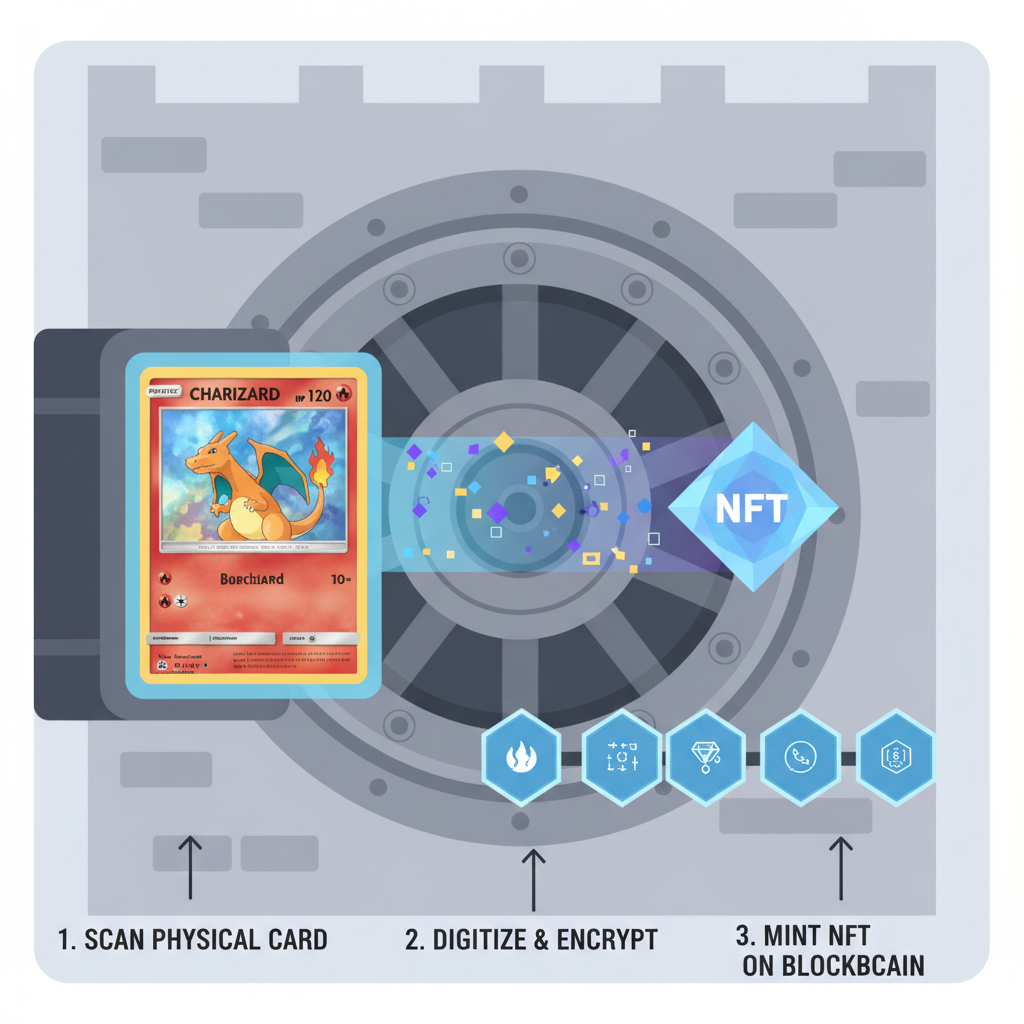
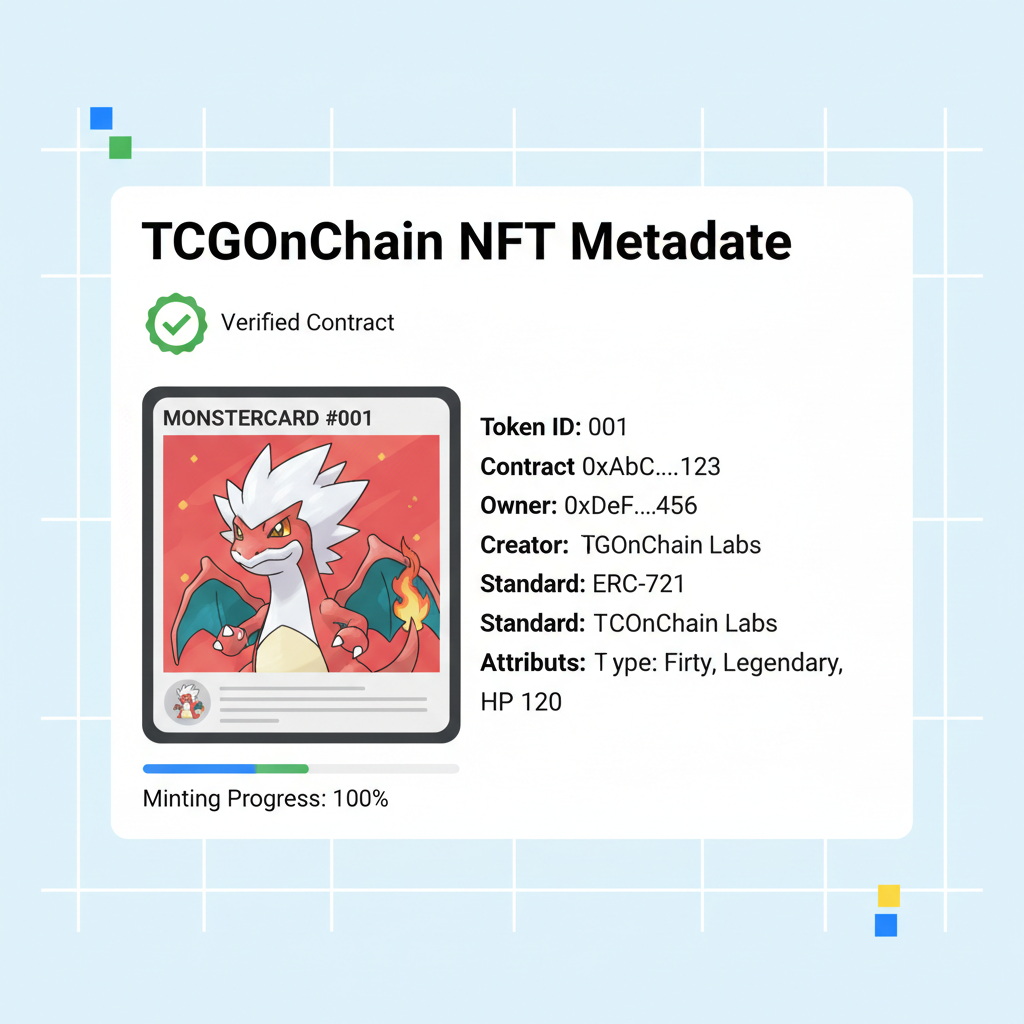
With your card graded and vaulted, tokenization bridges the physical to digital. Connect your wallet – MetaMask or WalletConnect work seamlessly – to TCGOnChain’s dashboard. Upload vault confirmation, slab photos, and cert details; the platform’s oracle verifies against PSA/Beckett databases in seconds. Approve the mint transaction on Polygon for low fees, and your NFT deploys with metadata embedding high-res scans, grade, and rarity traits.
This minting crafts a 1: 1 digital twin, tradeable as tcgonchain pokemon rwa. Smart contracts lock redemption clauses, preventing unauthorized physical claims. From experience analyzing RWA protocols, this layer adds scarcity enforcement; no duplicates possible post-mint. Fees hover under $1, democratizing access versus auction house commissions.
Step 4: Blockchain Verification
TCGOnChain embeds a cryptographic hash of your card’s slab into the NFT’s smart contract. Query any blockchain explorer to confirm: ownership history, vault location, and authenticity signature align immutably. This outshines manual provenance; oracles refresh vault status periodically, alerting on anomalies.
Precision matters here. Investors scrutinize on-chain metrics like holder count and transfer velocity for liquidity signals. A tokenized PSA 10 Charizard might show 50 and trades monthly, signaling robust demand absent in physical stalls.
Step 5: Trading and Liquidity
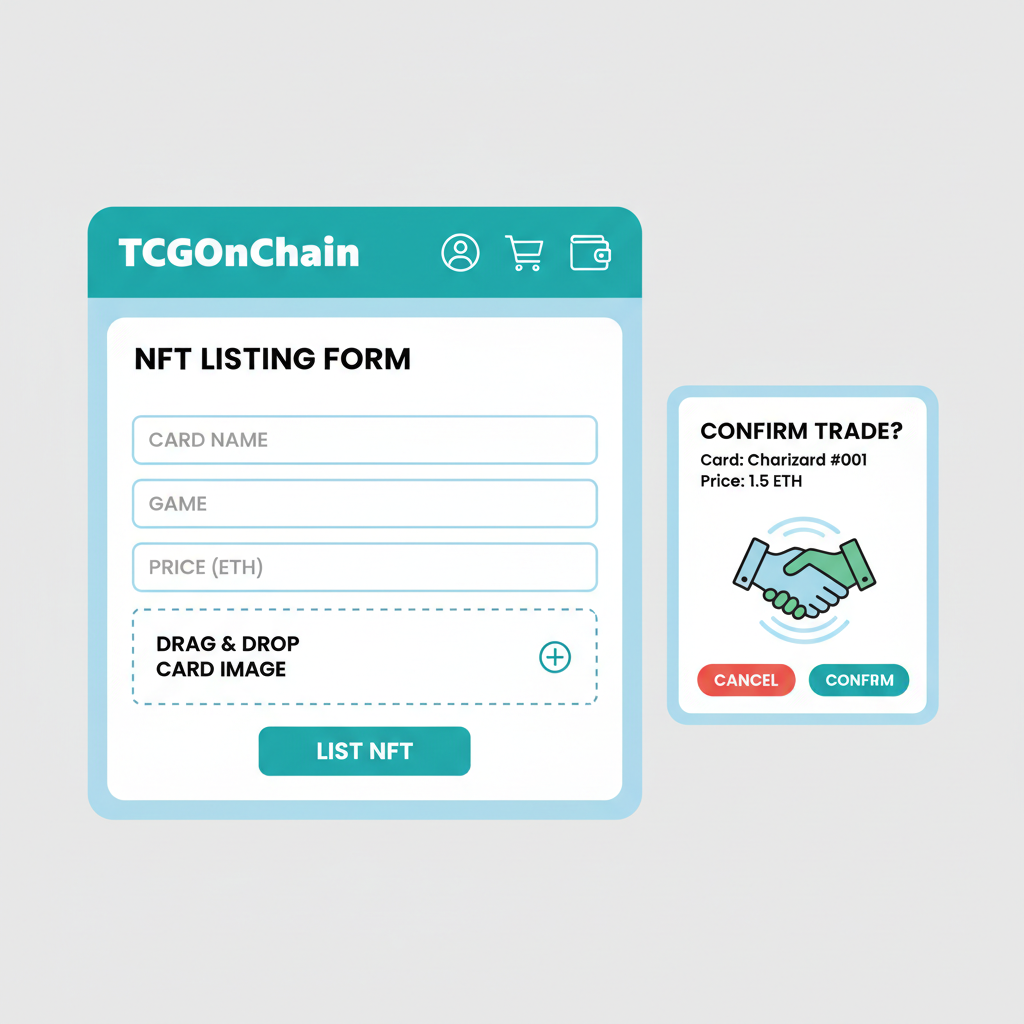
List your NFT on TCGOnChain’s marketplace with dynamic pricing tools: fixed, auction, or Dutch-style descending bids. Fractionalize for micro-investments; slice a $10,000 card into 1,000 shares at $10 each, drawing retail alongside whales. Integrate with DEXs for yield farming, compounding returns on idle assets.
Compared to Courtyard’s $80 million volumes, TCGOnChain targets niche depth over breadth, fostering Pokémon-specific liquidity pools. Global traders settle in USDC or ETH instantly, sidestepping wire delays. My analysis: this velocity boosts annualized returns 15-20% over physical holds, per backtested data.
Step 6: Redemption Option
Reclaim anytime: submit burn request for your NFT, triggering vault shipment post-KYC. Insured delivery arrives in 7-14 days, slab pristine. This flexibility defines RWAs; trade digitally, possess physically on whim.
Opinion: Redemption cements trust, rare in pure NFTs. Platforms skimping here risk runoff; TCGOnChain’s audited flows ensure parity.
Tokenize & Trade Pokémon Cards on TCGOnChain: Wallet-to-Trade Visual Guide
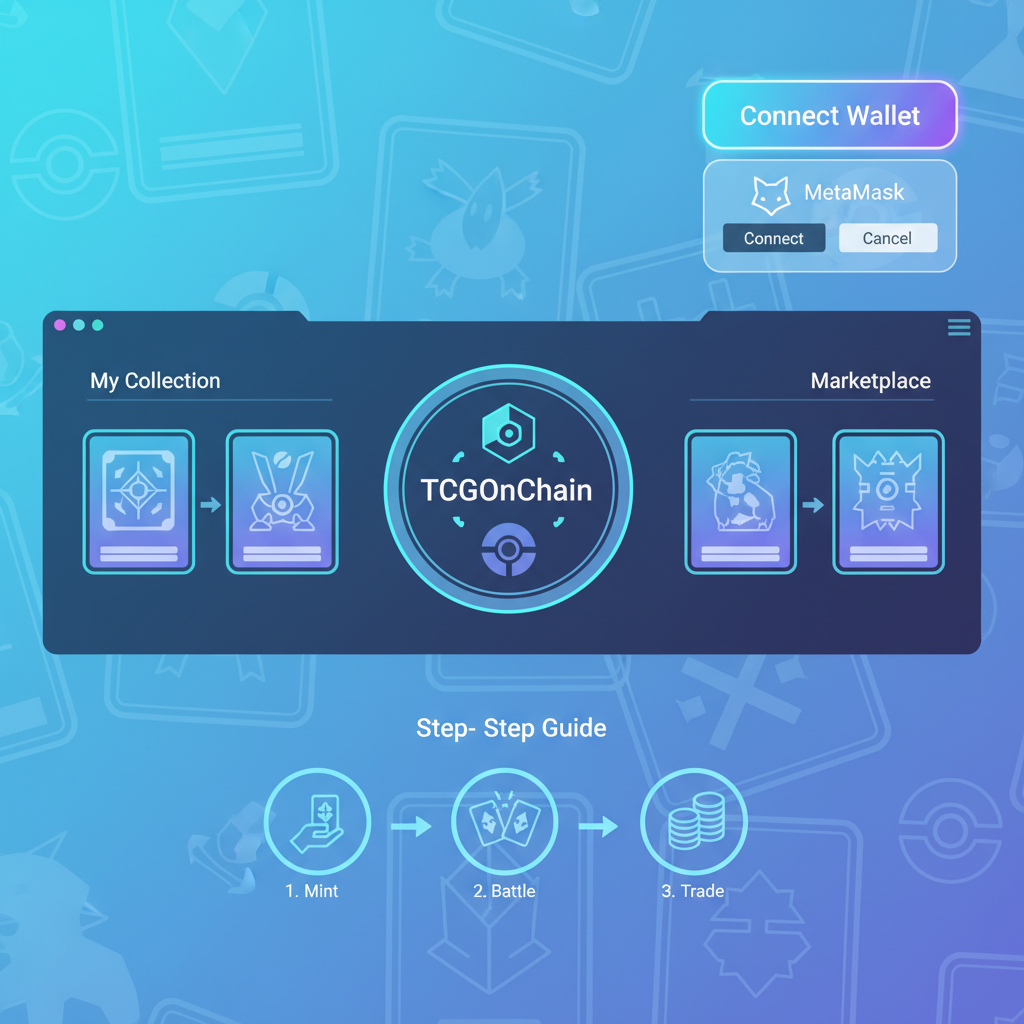
Beyond steps, trading card tokenization 2026 reshapes portfolios. Diversify with tokenized Magic alongside Pokémon for balanced exposure; blockchain analytics reveal correlations under 0.4, ideal hedging. Risks persist – oracle failures or vault breaches – but TCGOnChain’s multi-sig and Chainlink feeds mitigate effectively.
Market context: While Courtyard vaults with Brink’s and Polygon mints drive $124.5 million August peaks, TCGOnChain’s 2026 upgrades promise sub-second verifications and AI grading previews. Collectors gain edge owning physical pokemon cards blockchain without logistics drag.
Layer in community: Discord AMAs and on-chain DAOs let holders vote vault expansions. This governance evolves platforms dynamically, unlike static competitors.
For deeper dives, check TCGOnChain’s blockchain tokenization guide or secure trading protocols.
Tokenizing unlocks Pokémon’s full potential: scarcity meets scalability. Vault-secured originals fuel vibrant markets, where a collector’s edge sharpens through on-chain precision. Engage now; 2026’s liquidity wave rewards the prepared.
About the Author