
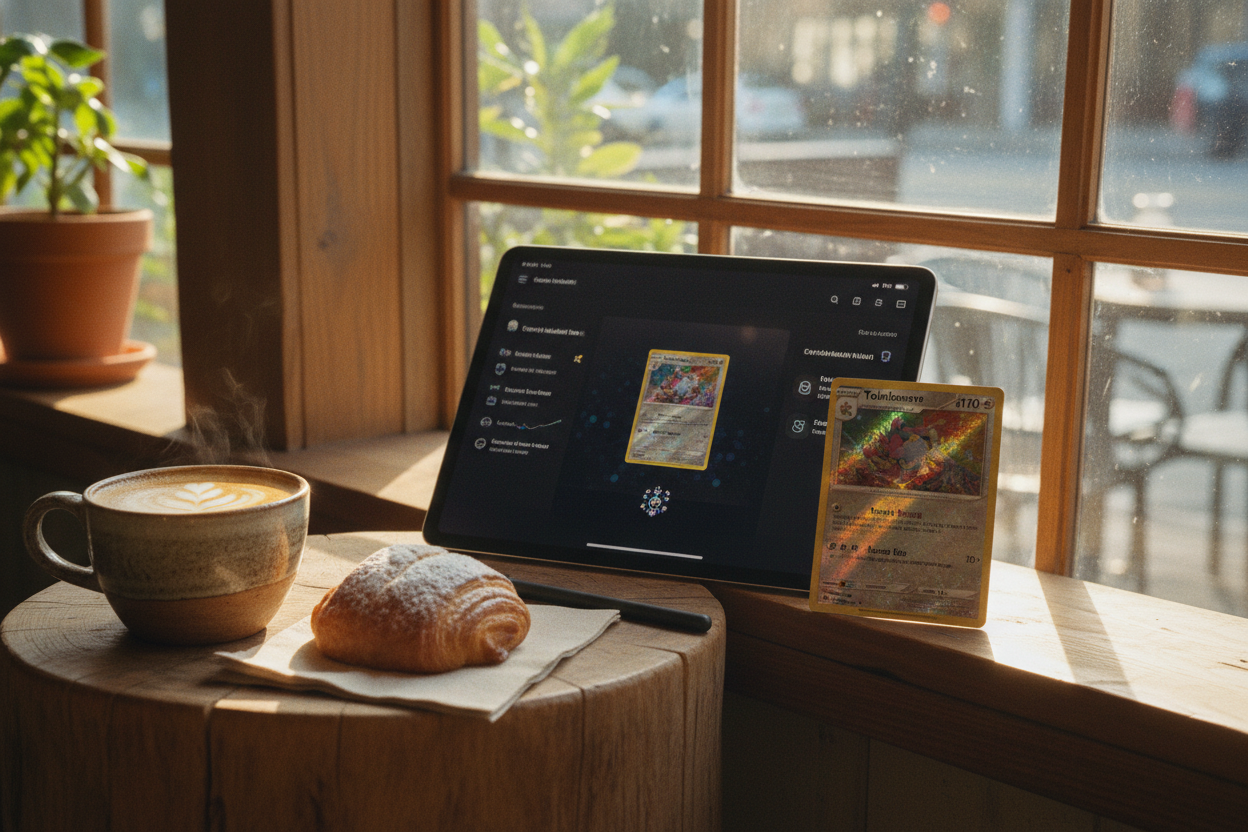
The Pokémon cards RWA market has surged dramatically in 2025, with tokenized trading cards accounting for over $124 million in August trades alone across major platforms. This 5.5x increase from January volumes signals a maturing intersection of collectibles and blockchain, where physical Pokémon cards crypto ownership gains unprecedented security and liquidity. TCGOnChain stands at the forefront, enabling collectors to tokenize assets like rare Charizard or Pikachu holos as NFTs backed by vaulted originals, transforming static holdings into dynamic, tradable RWAs.
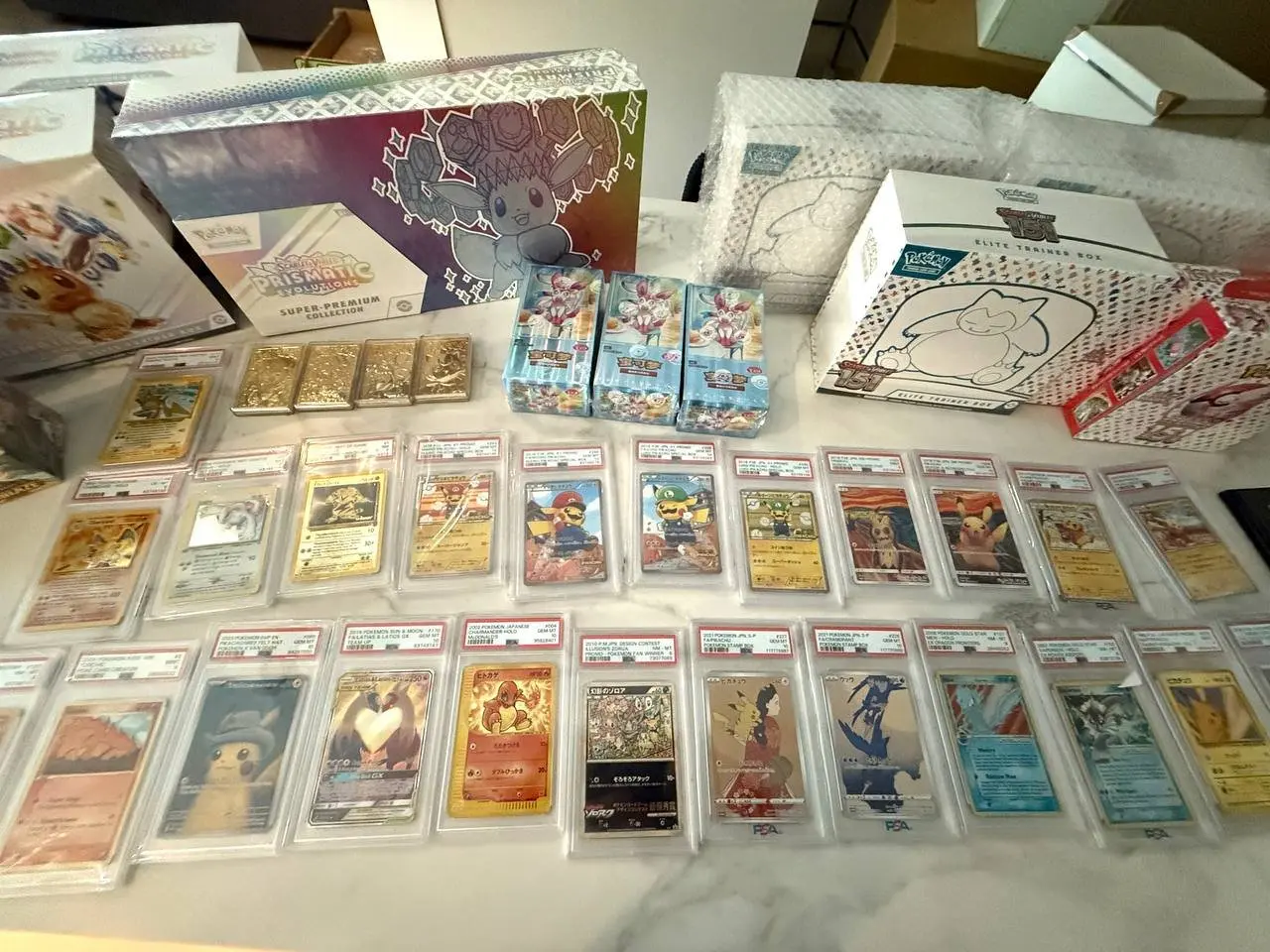
Tokenization converts physical cards into blockchain-verified digital twins, leveraging services like PSA or Beckett for authentication. This process not only verifies condition but also embeds immutable provenance on-chain, mitigating counterfeits that plague traditional markets. For investors eyeing trading card RWAs Pokémon, TCGOnChain's model addresses custodial risks through insured vaults and transparent redemption, fostering trust in an ecosystem where August's $124.5 million volume underscores real demand.
Market Momentum Driving Pokémon NFT RWA Adoption
Data reveals parabolic growth: four primary marketplaces hit $124.5 million in August 2025 trading, led by Courtyard at $78.4 million and Collector Crypt at $44 million. TCGOnChain's integration of rigorous grading and on-chain trading positions it as a leader in tokenize Pokémon cards blockchain, with platforms like these powering a sector ripe for institutional inflows. Yet, while liquidity surges, challenges persist; centralized custodians introduce vulnerabilities, demanding audits of Web2-Web3 bridges to safeguard assets.
Pokémon RWA Trading Volumes - August 2025
| Platform | Trading Volume |
|---|---|
| Courtyard | $78.4M |
| Collector Crypt | $44M |
| Total Market | $124.5M |
Collector Crypt's $CARD token, for instance, rocketed tenfold to a $360 million fully diluted valuation post-launch on Solana, highlighting speculative fervor. TCGOnChain differentiates by prioritizing redemption flexibility, allowing owners to reclaim physical cards anytime, a feature absent in purely digital NFT experiments. This hybrid approach aligns with macroeconomic shifts toward tangible assets in volatile crypto cycles, where patience yields edges in decade-long themes.
Advantages of TCGOnChain for Secure Tokenization
Opting for TCGOnChain yields tangible upsides over competitors. Authentication via PSA or Beckett ensures gem-mint status translates to premium NFT valuations, while vault custody by fortified partners minimizes theft risks. Traders benefit from instant settlements, bypassing shipping delays that erode value in peer-to-peer deals. In a market where Pokémon NFT RWA liquidity rivals blue-chip crypto, lending tokenized cards unlocks yield without relinquishing ownership, a DeFi primitive gaining traction despite on-chain collateral limits noted by analysts.
Courtyard's Brink’s-stored mystery packs exemplify innovation, but TCGOnChain's dashboard streamlines the full lifecycle. Risks like custodian failures loom, yet diversified insurance and blockchain oracles provide mitigations superior to untokenized storage. For collectors, this means global access without geographic barriers, amplifying Pokémon cards RWA as a portfolio diversifier amid equity-bond correlations.
Initiating Tokenization: Steps 1 Through 3
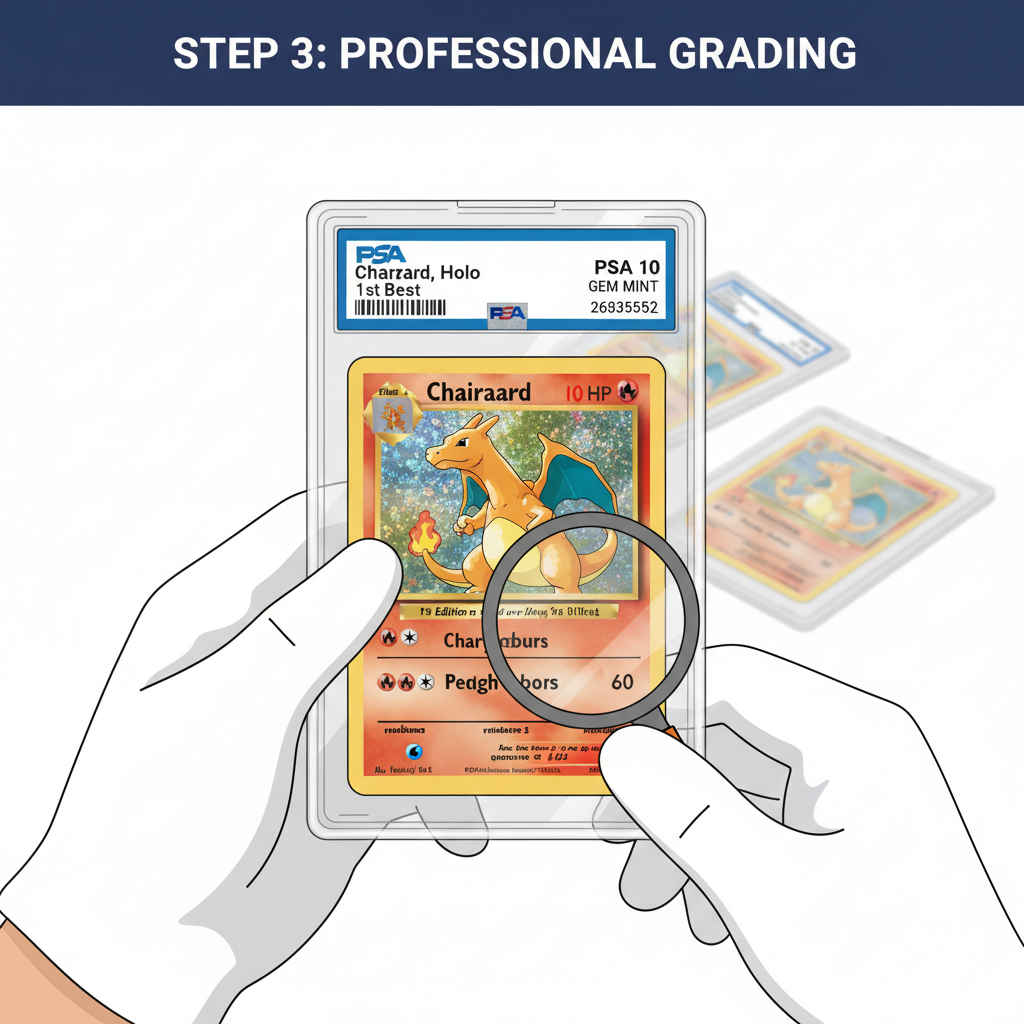
The path to secure crypto ownership begins with precision. Step 1: Authenticate and Grade Your Pokémon Card with PSA or Beckett. Submit your card to these gold-standard graders; a PSA 10 slab can command multiples of raw value, forming the bedrock for RWA credibility. Without this, tokenization falters, as on-chain claims demand empirical proof.
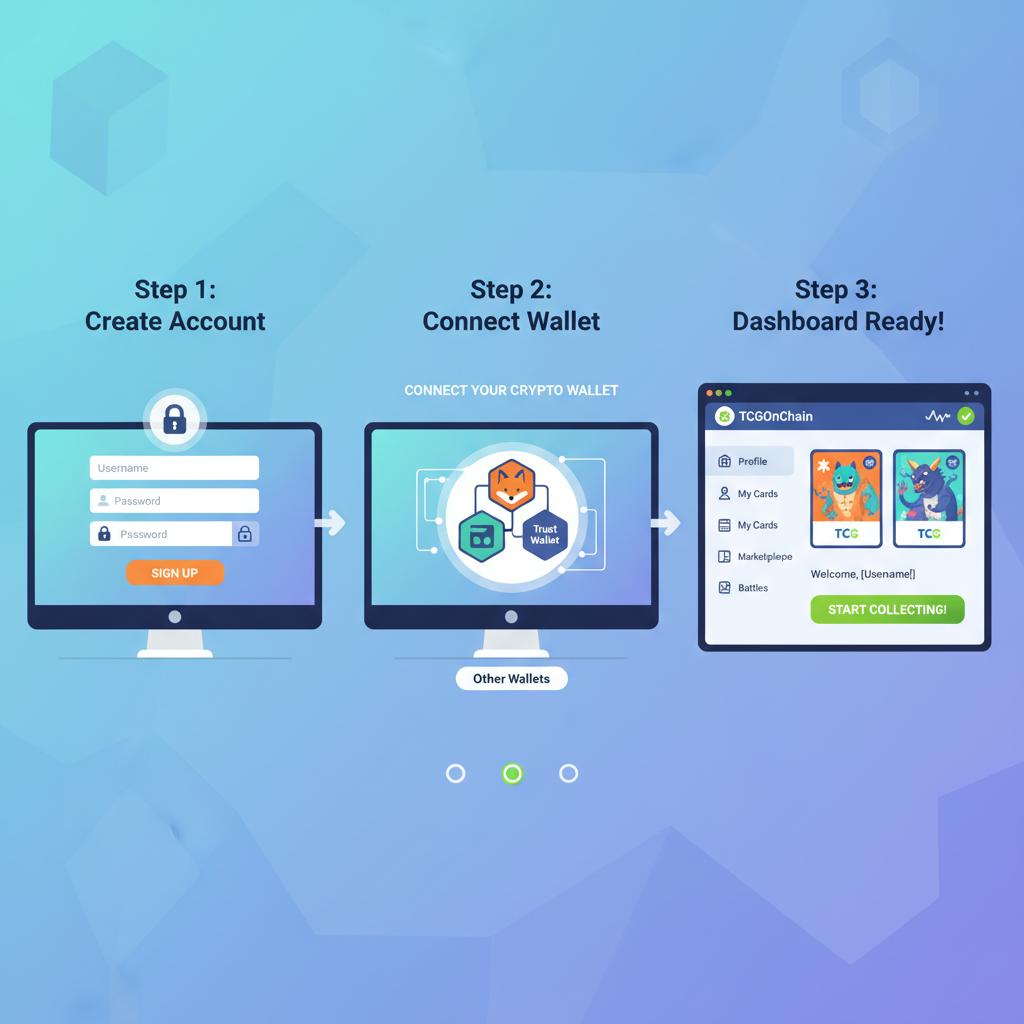
Step 2: Create and Verify Your TCGOnChain Account. Sign up at tcgonchain. com, completing KYC swiftly via wallet connect. This unlocks the dashboard, where portfolio tracking and analytics await, essential for data-driven decisions in a $124 million monthly arena.
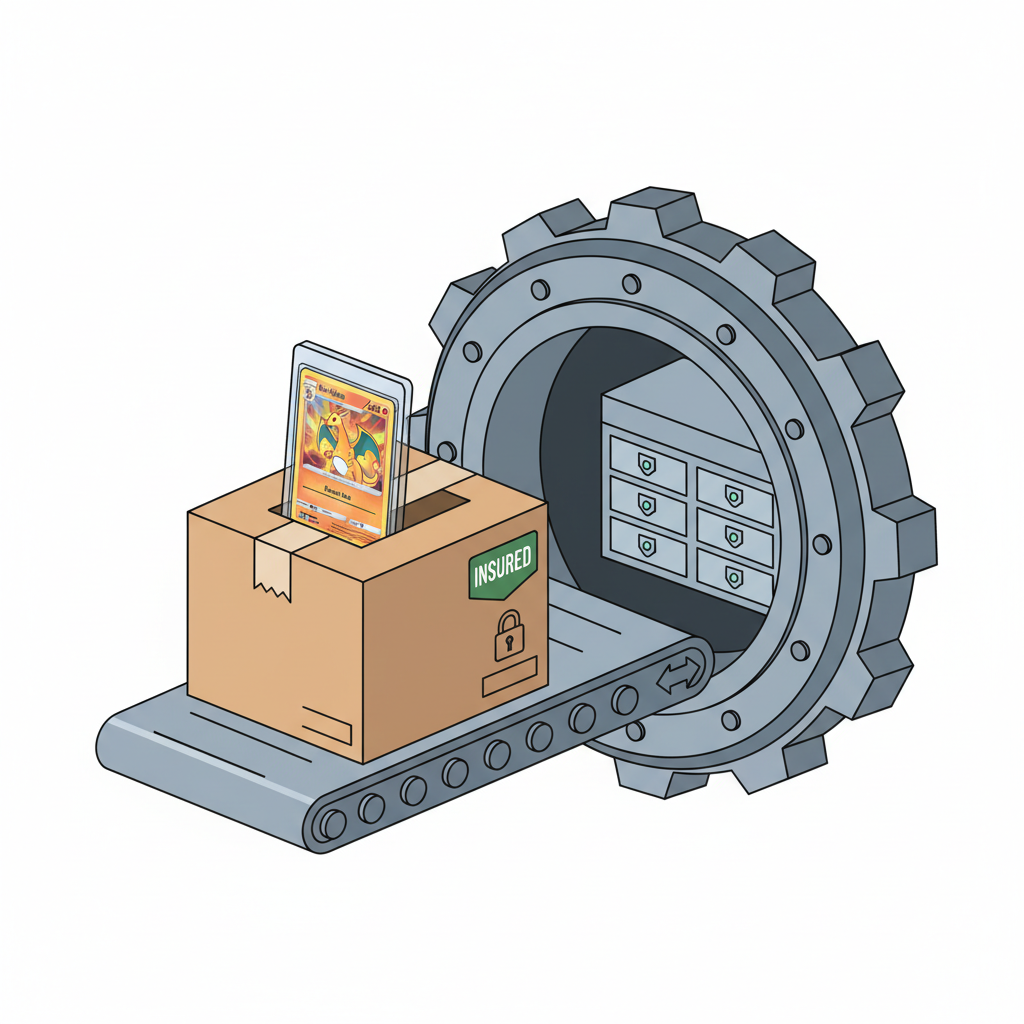
Step 3: Securely Ship Card to TCGOnChain Vault for Custody. Use tracked, insured carriers to the designated facility. Upon receipt, multi-party verification occurs, logging chain-of-custody immutably. This vaulting phase bridges physical to digital, setting up frictionless token minting while preserving redemption rights.
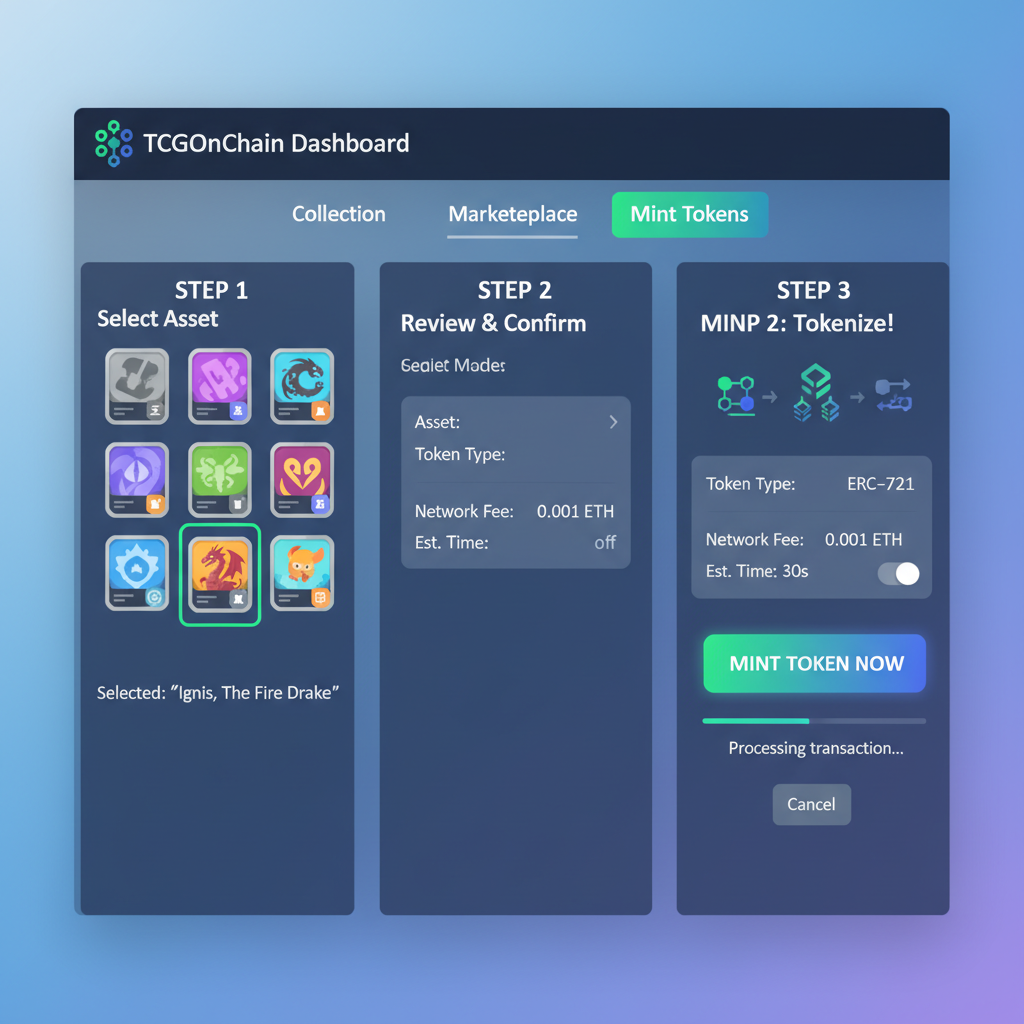
Step 4: Initiate Tokenization via Platform Dashboard. Once vaulted, access your TCGOnChain dashboard to trigger minting. Upload the grading slab scan and custody confirmation; smart contracts then generate the NFT, linking on-chain metadata to the physical asset via oracles. This atomic process, completed in minutes, embeds scarcity and provenance, turning a $10,000 PSA 10 Charizard into a fractionally tradeable physical Pokémon cards crypto instrument without custody surrender.
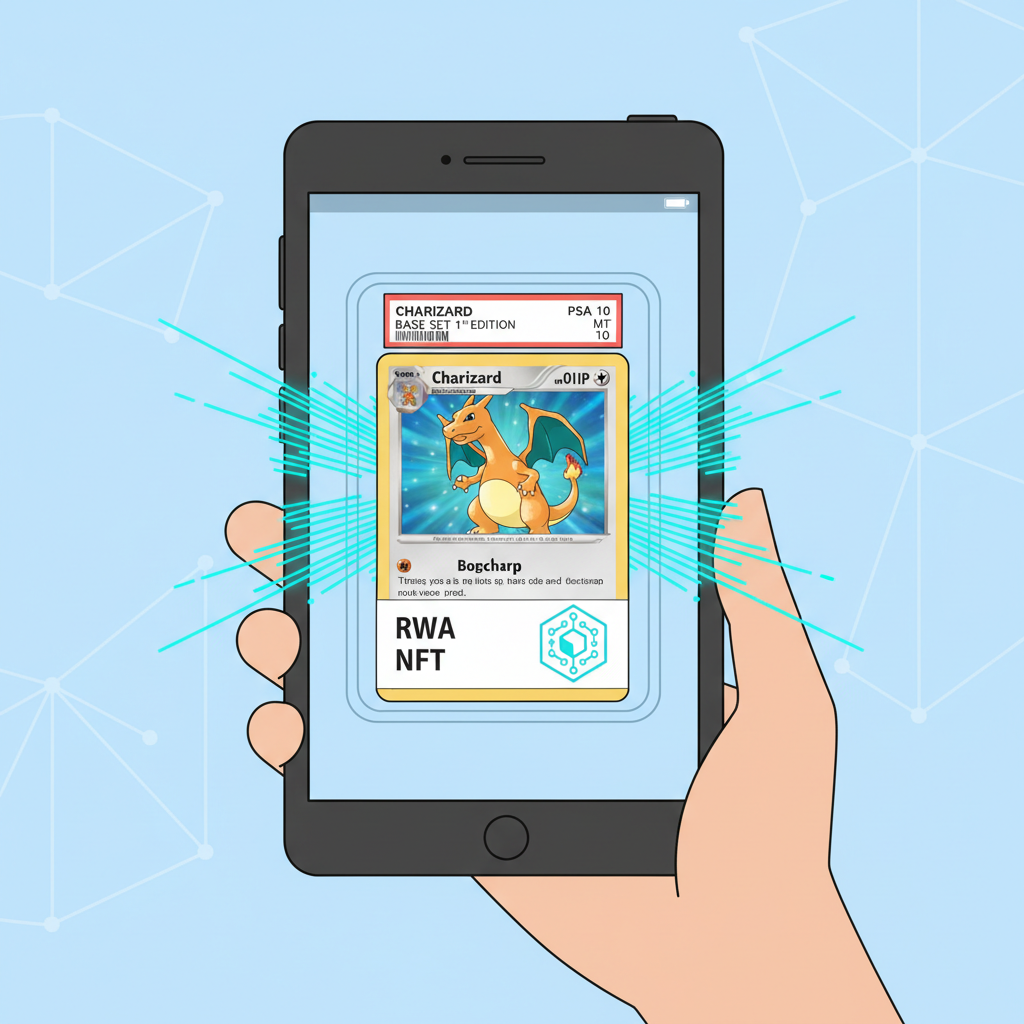
Step 5: Receive Your RWA NFT Representing the Physical Card. The minted NFT lands in your wallet, fully transferable on TCGOnChain's marketplace. Backed by real-time vault audits, it carries redemption proofs and yield-bearing options, distinguishing it from speculative JPEGs. In a sector where trading card RWAs Pokémon volumes hit $124.5 million last August, this NFT isn't just digital art; it's insured equity in a gem-mint original, verifiable 24/7.
Step 6: Trade, Lend, or Redeem on Blockchain Marketplace. Now liquid, list your NFT for instant swaps, lend via DeFi protocols for APYs outpacing T-bills, or redeem by requesting vault withdrawal. TCGOnChain's Solana-speed settlements slash fees versus traditional auctions, where 20% premiums evaporate in transit risks. This closes the loop, empowering collectors to capture alpha in Pokémon cards RWA without liquidity traps.
Tokenizing Pokémon Cards as RWAs on TCGOnChain: 6-Step Secure Ownership Guide

Unlocking Liquidity and Yield in the Pokémon RWA Ecosystem
Tokenized cards excel where physical markets falter: global, 24/7 trading without condition disputes. August 2025's $124.5 million surge, with Courtyard at $78.4 million and Collector Crypt at $44 million, proves demand, yet TCGOnChain edges ahead via redemption mandates. Lending tokenized holos, as Yahoo Finance notes, tests on-chain collateral limits, but integrated oracles here mitigate volatility haircuts, yielding 5-15% APYs on blue-chips during crypto winters.
Opinion: Patience defines winners. Raw Pokémon cards appreciate 15-20% annually long-term per historical indices, but tokenization accelerates compounding through composability. Lend your Base Set Charizard NFT, earn stablecoin yields, then trade fractions during hype cycles; this DeFi overlay turns collectibles into decade-spanning portfolios, uncorrelated to Nasdaq drawdowns.
Pokémon Card RWA Platforms Comparison
| Platform | Liquidity | Redemption/Storage | Yield/Token | Aug 2025 Trading Volume |
|---|---|---|---|---|
| TCGOnChain | Instant On-Chain Trading | Vaulted (Full Physical) | Native Lending | Part of $124.5M total |
| Courtyard | Mystery Packs | Brink’s Stored | Limited | $78.4 million |
| Collector Crypt | Solana Speed | Vaulted | $CARD Token (FDV $360M) | $44 million |
Risks demand scrutiny. Custodial chokepoints, as DIA data highlights, expose Web2 APIs to hacks; TCGOnChain counters with multi-sig vaults and Chainlink proofs, audited quarterly. Counterfeit floods in ungraded markets? Neutralized by PSA/Beckett mandates. Regulatory fog around RWAs? Tokenization's transparency invites clarity, positioning Pokémon NFTs as compliant gateways versus opaque art funds.
For the discerning strategist, TCGOnChain's protocol bridges TradFi rigor with blockchain efficiency. Amid $360 million FDV tokens like $CARD, focus on utility: verifiable ownership trumps memes. Collectors, digitize now; investors, allocate 5-10% to Pokémon NFT RWA for asymmetric upside in the RWA supercycle. Think in decades, tokenize today.

No comments yet. Be the first to share your thoughts!