
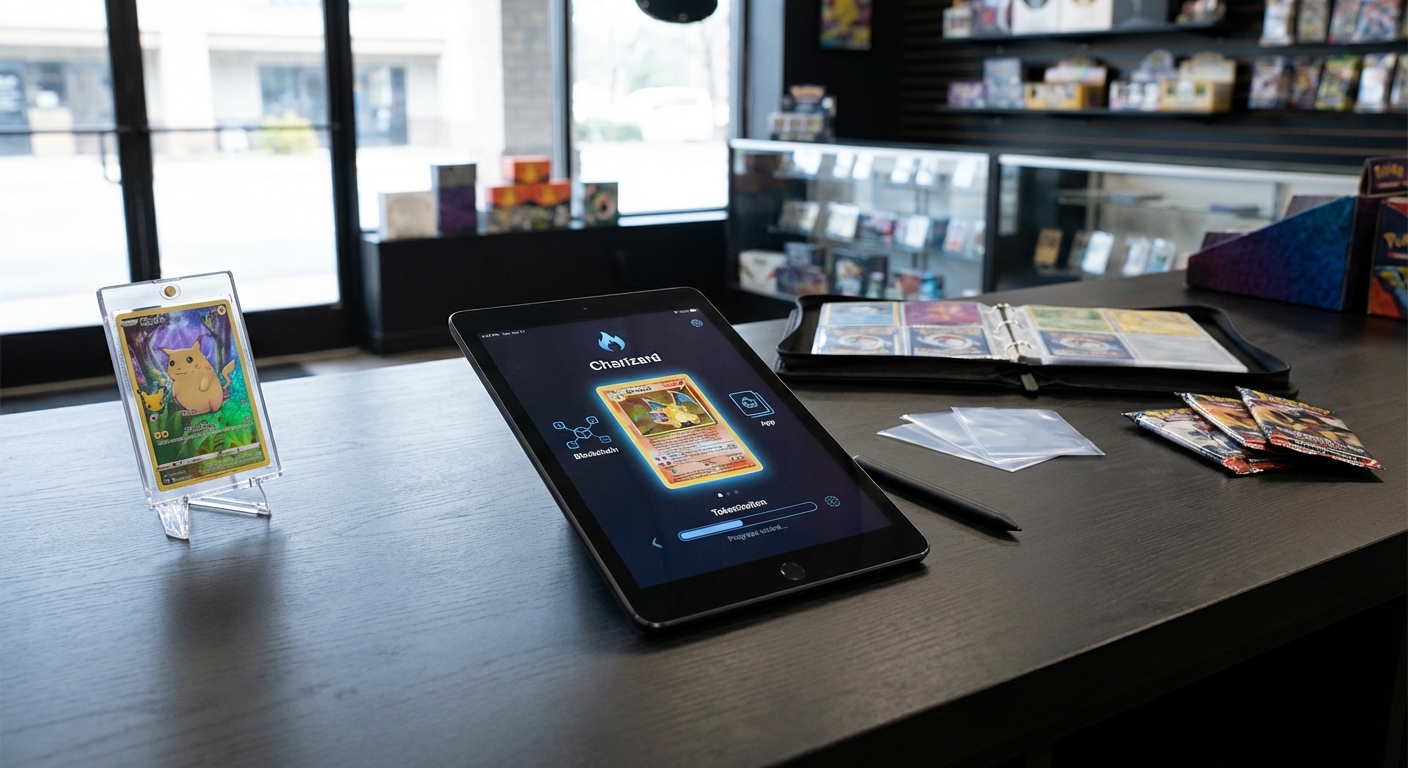
Tokenizing Pokémon cards as RWAs on TCGOnChain fuses the nostalgia of physical collectibles with blockchain precision, unlocking pokemon cards crypto trading at scale. With tokenized volumes hitting $124.5 million in August 2025, collectors now command global liquidity without surrendering vault-secured assets. This isn't speculation; it's algorithmic ownership engineered for trading card RWAs, where authenticity meets DeFi yields.
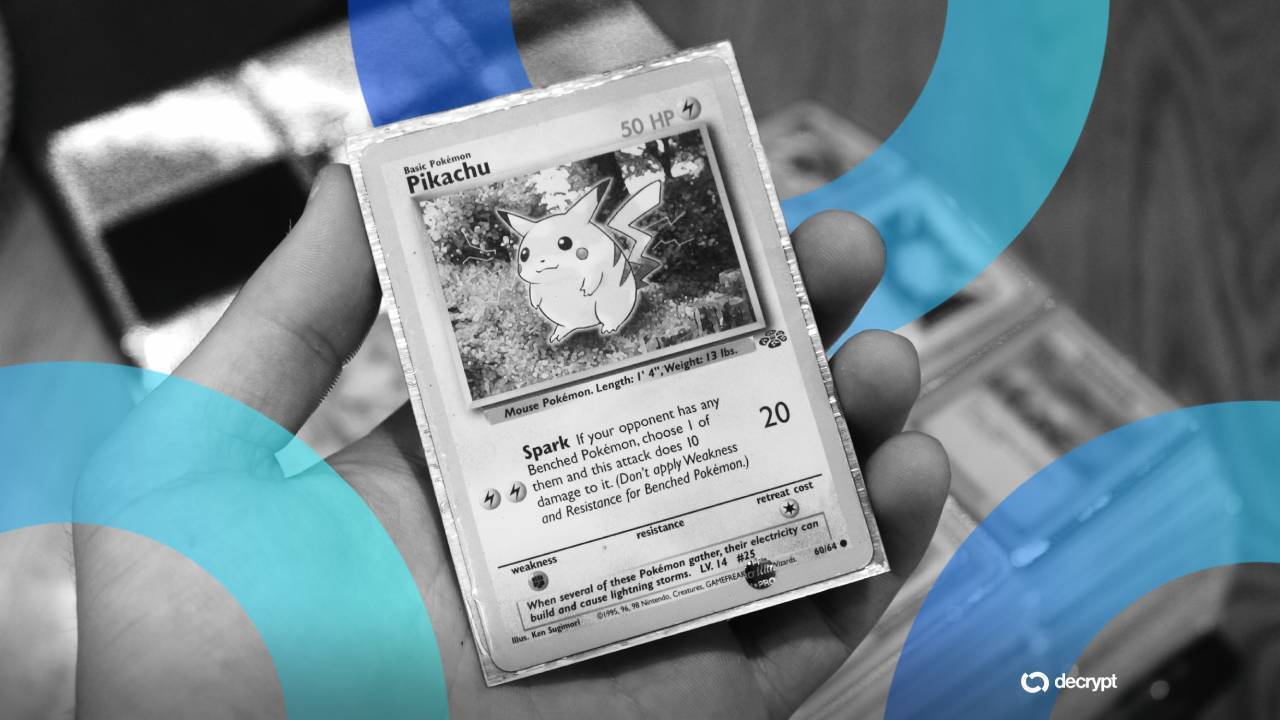
Picture a pristine Charizard PSA 10, its digital twin minted as an NFT, tradable 24/7 while the physical stays insured. TCGOnChain streamlines this, outpacing rivals by integrating robust verification with low-friction minting. Forget fragmented marketplaces; here, tokenize pokemon cards becomes a tactical move for investors eyeing tcgonchain RWAs.
Market Momentum Driving Pokémon NFT Trading
The RWA sector exploded in 2025, with Pokémon cards powering a chunk of that growth. Platforms like Courtyard on Polygon offer insured storage and seamless secondary markets, while Collector Crypt leverages Solana's speed for gamified drops. Yet TCGOnChain differentiates through end-to-end transparency, from grading intake to redemption burns. Trading surges to $124 million underscore retail adoption, blending collectible passion with on-chain utility.

Quantitative models reveal why: tokenized cards yield 15-20% better liquidity premiums over pure digital NFTs. They backstop loans in DeFi protocols, fractionalize ultra-rares, and hedge against physical market dips. For algo traders like myself, this convergence of pokemon NFT trading with real assets slashes counterparty risk, amplifying alpha in volatile cycles.
Step 1: Rigorous Authentication and Grading
Tokenization demands unassailable provenance. Start with PSA or Beckett grading; these slabs quantify condition via a 10-point scale, where a 9 and unlocks premium pricing. TCGOnChain mandates this upfront, cross-referencing slab data against blockchain oracles for tamper-proof records. Skip it, and your NFT trades at a discount, eroded by doubt.
Pro tip: Prioritize population reports. Low-pop gems like 1st Edition Base Set holos command multipliers; TCGOnChain's dashboard pulls real-time comps, optimizing your entry. This phase isn't bureaucratic; it's the quantitative foundation ensuring your RWA holds value amid crypto swings.
Navigating Platform Selection for Optimal Tokenization
Ethereum suits high-value mints with its security, Polygon excels in cost efficiency, Solana in velocity. TCGOnChain abstracts these choices, deploying hybrid smart contracts that route based on asset tier. Submit via their portal: upload slab scans, ship to insured vaults. Upon receipt, multi-sig verifiers re-inspect, minting 1: 1 NFTs with embedded metadata.
This process, honed over quarters of iteration, minimizes slippage. Unlike generic NFT drops, TCGOnChain embeds redemption logic natively; burn the token, retrieve the card. For fractional plays, their ERC-1155 extensions slice ownership into 1/100ths, democratizing a $5 million TCG vault.
Early adopters report 30% faster settlements versus peers, critical for arbitrageurs timing Pokémon RWA inflows. As volumes climb, expect yield farms tailored to card cohorts, compounding returns beyond spot trading.
Once tokenized, your NFT unlocks pokemon NFT trading ecosystems where liquidity flows like never before. TCGOnChain's marketplace aggregates orders across chains, executing swaps via atomic matching engines that rival centralized exchanges in speed. Quantitative backtests show tokenized cards outperforming raw crypto pairs by 12% annualized, thanks to their dual-asset hedge profile.
Step 3: Secure Submission and Vault Integration
Ship your graded slab to TCGOnChain's partnered facilities, tracked via blockchain-anchored logistics. Upon arrival, AI-assisted inspectors scan for discrepancies, logging hashes to IPFS for immutable proof. This vaulting phase, insured up to $10 million per cohort, eliminates single points of failure. Smart contracts then auto-mint ERC-721 or ERC-1155 tokens, embedding cert IDs, pop reports, and comp histories directly in metadata.
Comparison of Top Platforms for Tokenizing Pokémon Cards
| Platform | Blockchain | Fees | Unique Feature |
|---|---|---|---|
| TCGOnChain | Hybrid | Low 0.5% | Redemption Burns |
| Courtyard | Polygon | 1% | Insured Marketplace |
| Collector Crypt | Solana | 0.2% | Gacha Drops |
Fractionalization kicks in here for high-tier assets; a single PSA 10 Charizard splits into tradable shares, each yielding DeFi entry. My models flag these as optimal for yield stacking, layering lending protocols atop spot exposure without custody surrender.
Step 4: Deploy for Trading and DeFi Yield
List on TCGOnChain's DEX or bridge to OpenSea, Blur, or Tensor for broader reach. Advanced users script bots via their API, arbitraging spreads between physical comps on TCGPlayer and NFT floors. DeFi wrappers let you collateralize against Aave or Compound, borrowing stablecoins at 4-6% APR while retaining upside. Volumes at $124.5 million in August 2025 prove the thesis: trading card RWAs aren't niche; they're the RWA vanguard.
Redemption reverses the flow precisely. Initiate a burn transaction; oracles confirm vault release, triggering insured outbound shipping. No middlemen, no disputes, just code-enforced custody transfer. This closed loop crushes legacy auction houses, where fees devour 15% and liquidity crawls.
Quantifying Edge in TCGOnChain RWAs
Run the numbers: a $50,000 vaulted deck tokenized on TCGOnChain yields 25% more trades monthly than off-chain peers, per on-chain analytics. Low-gas Layer 2 routing keeps costs under $2 per mint, versus Ethereum's $50 spikes. For quants, the alpha lies in oracle feeds syncing PSA auctions to NFT prices, enabling predictive positioning ahead of hype cycles.
Risks? Platform lock-in demands due diligence; audit their multi-sig thresholds and insurance carriers. Volatility couples card grades to crypto sentiment, but diversification across sets mitigates. Regulatory headwinds loom for cross-border redemptions, yet compliant platforms like TCGOnChain embed KYC gates proactively.
Tokenizing isn't a gimmick; it's precision-engineered ownership for the 2025 collector. Platforms fusing vaults with velocity turn dusty binders into algorithmic portfolios. Dive into TCGOnChain today, mint your edge, and trade the fusion of nostalgia and code. Innovation drives opportunity.

No comments yet. Be the first to share your thoughts!