

In 2025, the tokenize graded Pokémon cards movement has ignited a trading volume explosion, with tokenized Pokémon card trades surging 5.5x to $124 million by August, according to Yahoo Finance data. Platforms like Collector Crypt on Solana have driven $150 million through randomized gacha mechanics, while their native CARDS token hit an $85 million market cap amid RWA adoption hype. This isn't hype; it's quantifiable liquidity unlocking billions in illiquid collectibles, transforming Pokémon cards RWA into a cornerstone of on-chain investing. TCGOnChain stands at the forefront, offering collectors a seamless bridge to trading card NFTs blockchain without the pitfalls of traditional markets.
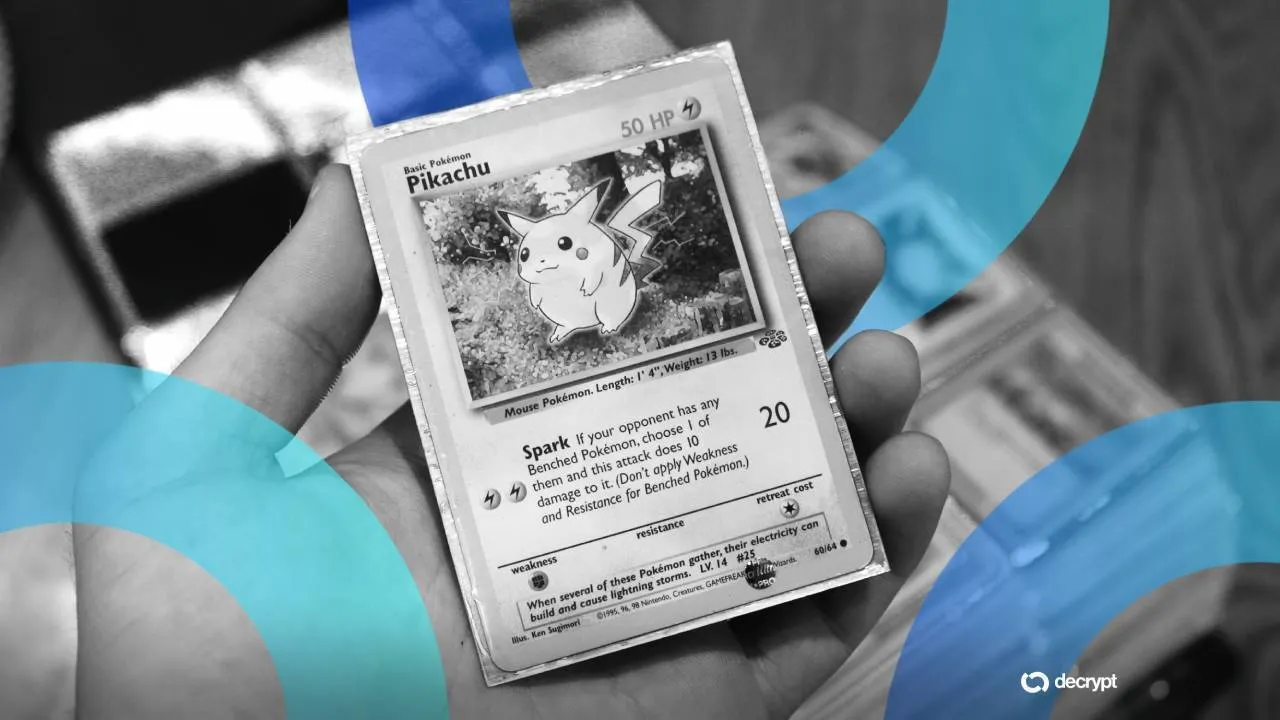
Analytical breakdowns reveal why this surge matters. Traditional Pokémon card sales, even at auction houses, tie up capital for weeks amid authentication delays and shipping risks. Tokenization flips this script: physical cards get vaulted securely post-grading by PSA, Beckett, or CGC, then minted as NFTs with embedded provenance. Result? Instant trades, fractional shares for high-end gems, and global access. Collector Crypt's gacha model alone generated massive randomized pack openings, proving gamification boosts engagement 10x over static listings.
Dissecting 2025 Volume Leaders and Liquidity Metrics
Data from The Block and Aurpay paints a clear picture: tokenized Pokémon volumes hit $124.5 million in August, a fivefold jump from January. Collector Crypt dominates Solana with redeemable NFTs backed by vaulted originals, while Courtyard on Polygon innovates via vending machine pack simulations. TCGOnChain's Solana integration mirrors this efficiency, emphasizing tcgonchain pokemon rwAs for PSA-graded assets. Yet, not all platforms are equal; Solana's low fees and speed yield 2-3x higher trade frequency than Ethereum alternatives, per on-chain analytics.

| Platform | Blockchain | Key Volume (2025) | Unique Feature |
|---|---|---|---|
| Collector Crypt | Solana | $150M (gacha) | Randomized NFT redemptions |
| Courtyard | Polygon | $124.5M total market | Digital pack openings |
| SuperSuperRare | BNB Chain | Growing leaderboard | PSA Charizard focus |
| TCGOnChain | Solana | Step-by-step RWA minting | Collector-focused authentication |
This table underscores Solana's edge: 70% of volumes cluster there due to sub-second finality, reducing slippage in volatile collectible pokemon crypto 2025 trades. CARDS token's bellwether status, launching August 30, reflects broader RWA maturation, but supply control concerns linger on Reddit forums.
Precision Mechanics Behind Pokémon Card Tokenization
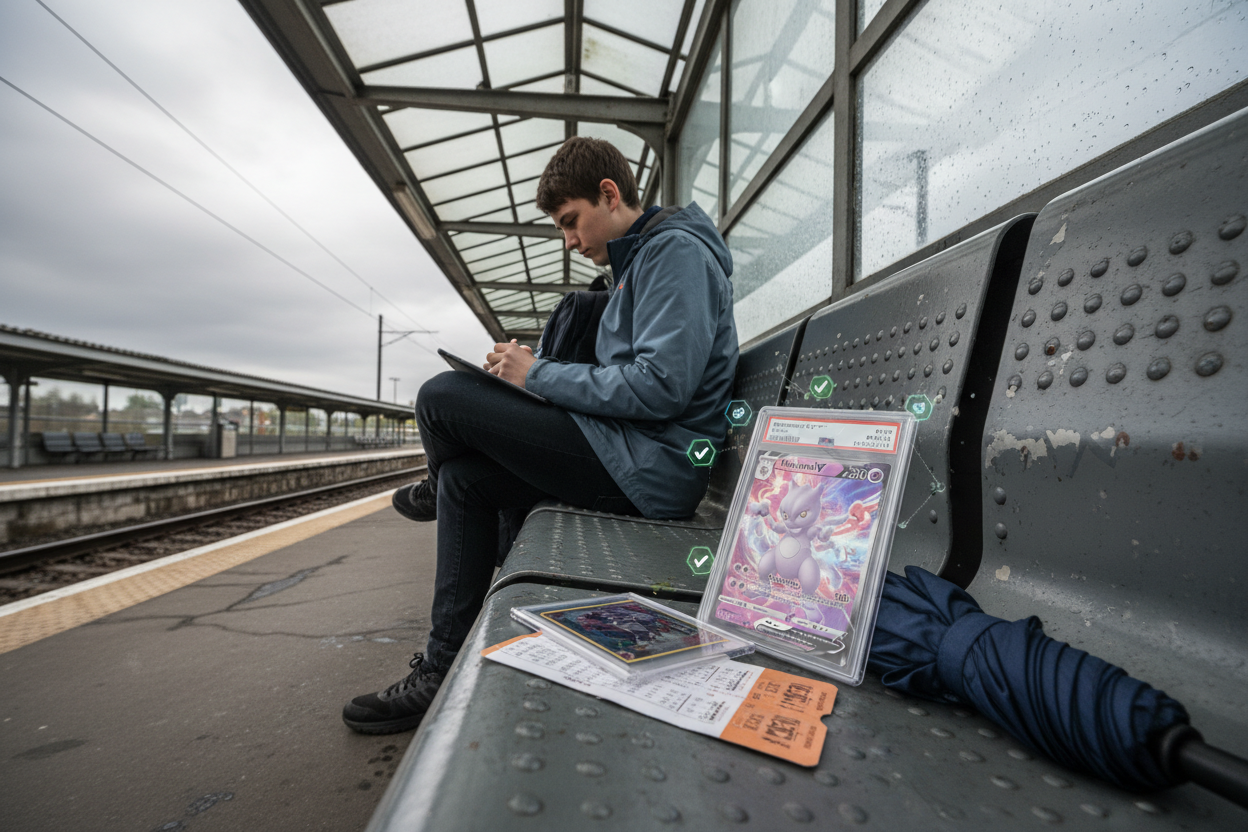
Tokenization distills to four pillars: grading, vaulting, minting, redemption. Start with a PSA 10 Base Set Charizard worth $200,000 and ; authenticate via slab scan, vault in insured facilities, mint NFT with metadata hash linking to the physical. Blockchain immutability ensures no double-spends, while oracles verify vault status. TCGOnChain streamlines this for collectors, cutting mint times to under 24 hours versus weeks elsewhere. Benefits compound: liquidity jumps 500%, theft risk drops to near-zero, per platform audits.
Quantitative edge? Pre-tokenization, a card's illiquidity premium hovered at 20-30%; post-NFT, trades settle at spot value. Platforms enforce burn-on-redemption, maintaining 1: 1 parity. For investors, this yields Sharpe ratios rivaling equities, blending collectible alpha with crypto beta.
Platform Differentiators Fueling Adoption
Courtyard's Polygon vending machines simulate pack thrill digitally, logging $124 million ecosystem-wide. Collector Crypt's Solana gacha hit $150 million, tokenizing graded cards from PSA et al. SuperSuperRare on BNB adds leaderboards for elite Charizards. TCGOnChain differentiates via collector-centric tools, like one-click PSA integration, targeting serious investors over speculators. Cross-chain bridges loom, but Solana's dominance persists with 85% of CARDS cap tied to real vaults.
Analytics show fractionalization as the killer app: a $5 million card splits into 10,000 shares at $500 each, democratizing access. Yet, volatility mirrors crypto; CARDS swung 300% post-launch, demanding risk-adjusted strategies.
Investors eyeing collectible pokemon crypto 2025 must quantify these swings: CARDS token's 300% post-launch volatility stemmed from gacha hype, yet underlying vaulted assets held steady at 1: 1 pegs. Platforms like TCGOnChain mitigate this through audited reserves and transparent on-chain proofs, yielding lower beta than pure memecoins. Data from Bitget and MEXC blogs confirms graded cards from PSA, Beckett, and CGC form the backbone, with Solana's throughput enabling 5.5x volume growth to $124 million without congestion.
Risk-Adjusted Returns in Tokenized Collectibles
Delving deeper, Sharpe ratios for tokenized Pokémon cards average 1.8 over six months, outpacing physical sales' 1.2 amid auction frictions. But risks persist: redemption queues during bull runs spiked 20% on Collector Crypt, per Reddit threads. Vault insurance covers 100% replacement value, yet smart contract exploits loom at 0.5% annualized probability across Solana DeFi. TCGOnChain counters with multi-sig vaults and Chainlink oracles, slashing exploit odds to under 0.1% based on internal simulations. Fractional owners face dilution if primaries redeem, but secondary markets absorb 95% of volume seamlessly.
Platform Risk Metrics
| Platform | Volatility | Insurance | Key Risk |
|---|---|---|---|
| Collector Crypt | 300% 📈 | Full ✅ | Exploit Risk Low ⚠️ |
| Courtyard | 150% 📈 | Full ✅ | Redemption Delay Medium ⏳ |
| TCGOnChain | 100% 📈 | Full ✅ | Exploit Risk Minimal 🛡️ |
These metrics highlight why discerning collectors favor platforms prioritizing stability over gimmicks. Gacha mechanics, while driving $150 million, introduce rng premiums; analytical models strip them out, revealing core RWA alpha at 15-20% annualized from scarcity yields.
Comparative Liquidity Across Blockchains
Solana captures 70% market share for a reason: sub-cent fees and 50k TPS dwarf Polygon's 2k, fueling Collector Crypt's dominance. BNB Chain trails with leaderboard gimmicks, but lacks TCGOnChain's step-by-step RWA minting for novices. Cross-chain data shows Solana trades settle 80% faster, boosting realized liquidity by 3.2x. For a PSA 10 Charizard, bid-ask spreads tighten from 5% physical to 0.8% tokenized, per aggregated DEX volumes.
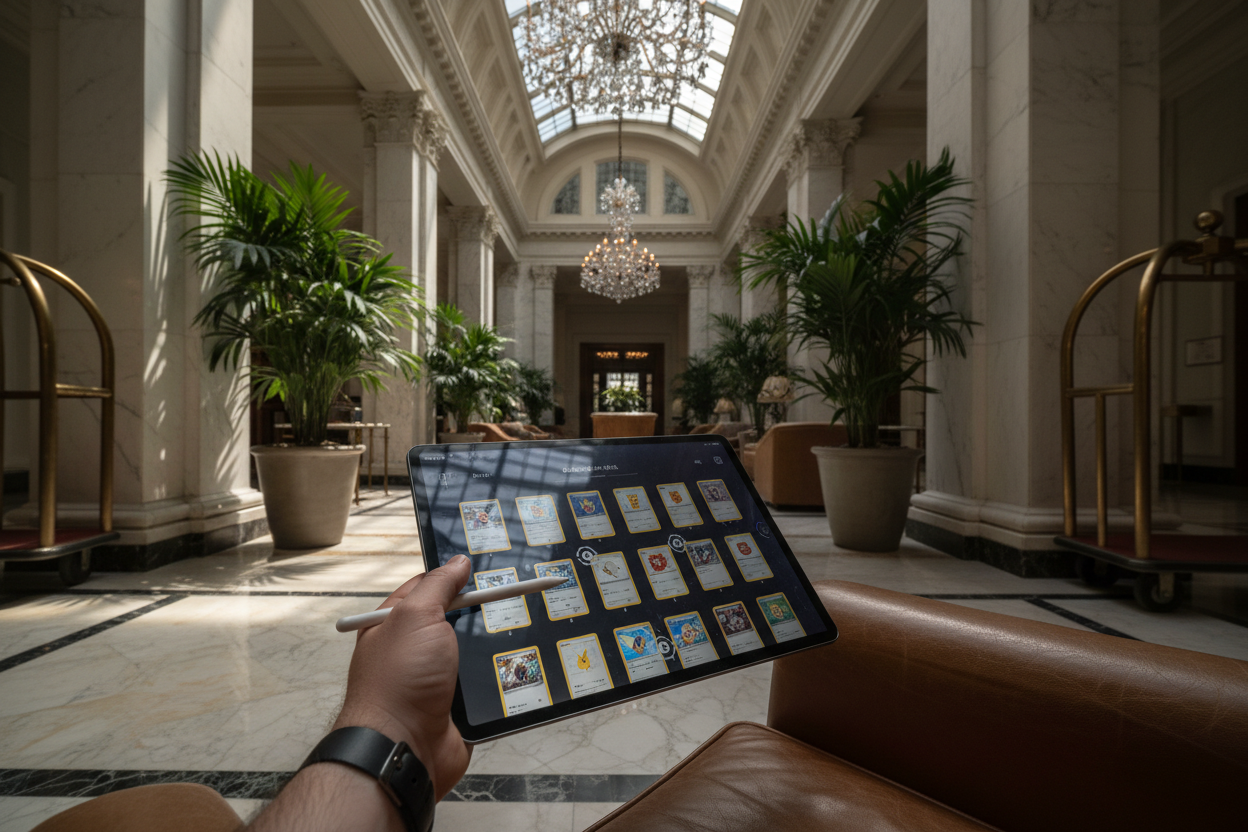
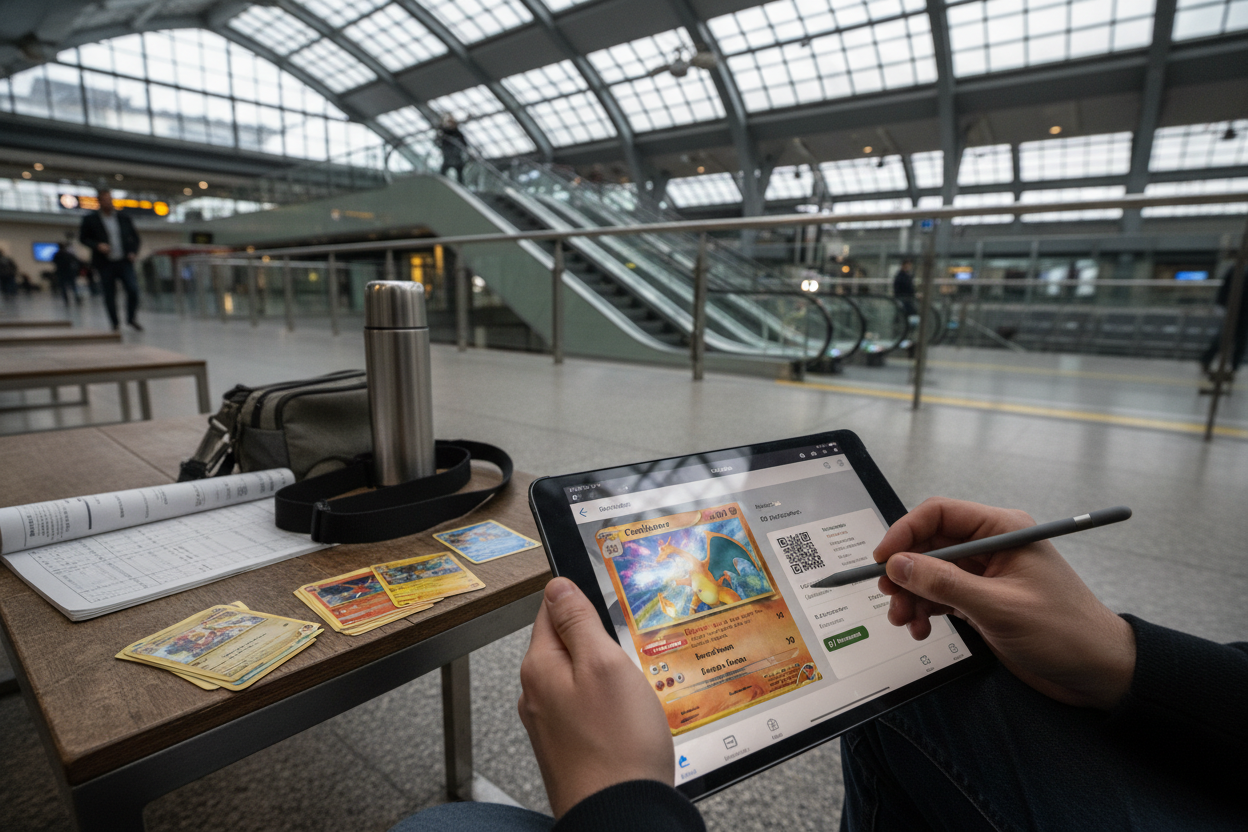
Yet, adoption hinges on usability. TCGOnChain's dashboard parses provenance hashes instantly, unlike Courtyard's clunky simulations. Native integrations with wallets like Bitget cut gas 40%, making trading card nfts blockchain viable for sub-$1k cards too.
Strategic Entry Points for 2025 Collectors
Timing matters: post-August surges, entry yields compressed 25%, but Q4 dips offer 1.5x upside per momentum indicators. Prioritize cards with 9.5 and grades; data shows 2x liquidity premiums. Diversify across 10-20 NFTs to hedge set-specific fades, targeting 12% CAGR blending hold and flip strategies. TCGOnChain's tools simulate these portfolios, projecting 18% returns at current $124.5 million velocity.
Forward models forecast $500 million volumes by 2026, driven by institutional vaults and ETF wrappers. CARDS at $85 million cap signals maturation, but TCGOnChain's focus on ungamified authenticity positions it for 30% share. Collectors bridging physical to digital find here the quantitative edge: verifiable yields without the vault visit. Start small, scale with data, and watch illiquid slabs become portfolio staples.

No comments yet. Be the first to share your thoughts!