
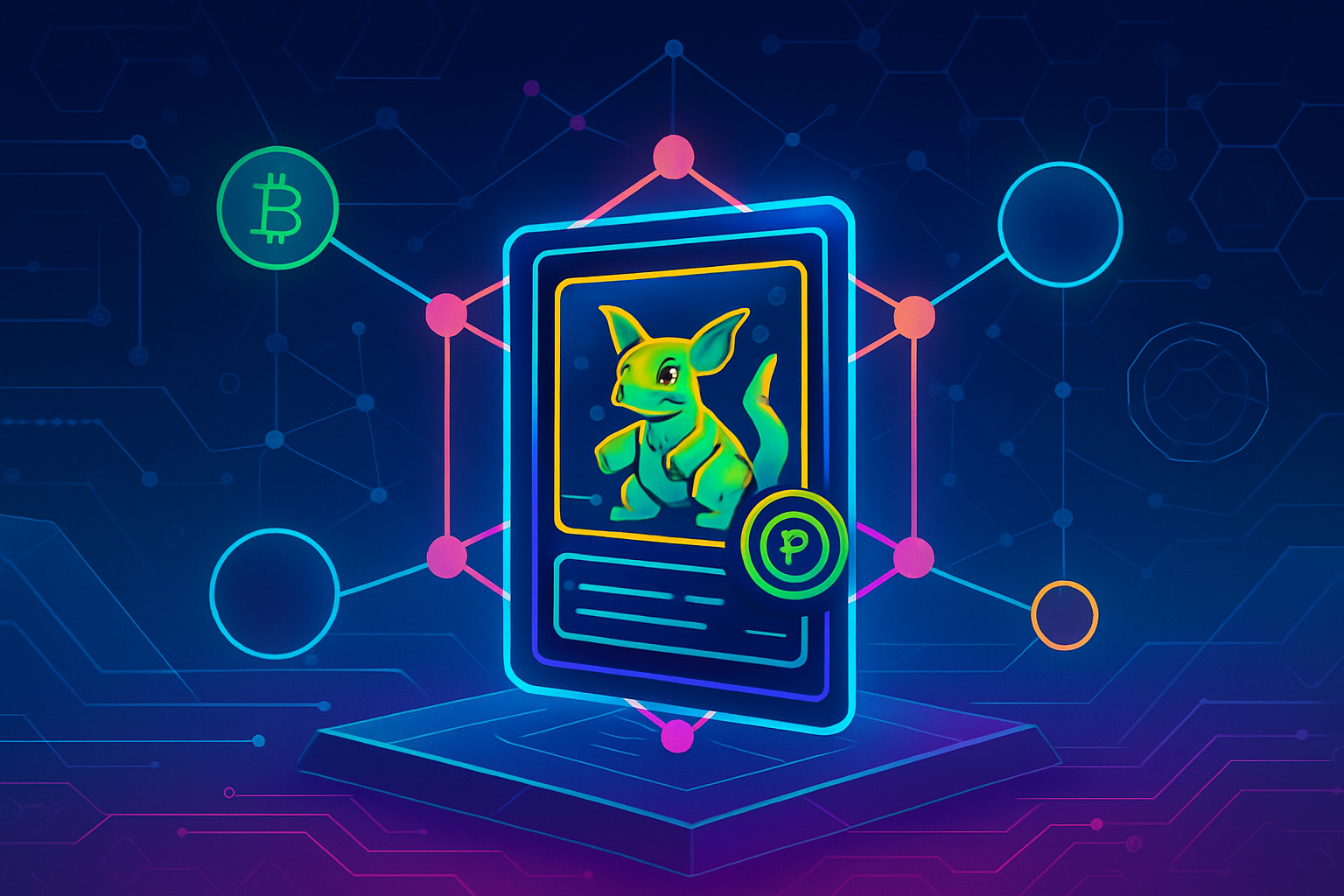
In 2025, the world of Pokémon card collecting experienced a seismic shift as tokenized Pokémon cards exploded onto the blockchain. What started as a niche experiment quickly became the most talked-about trend in the real-world asset (RWA) sector, blending the nostalgia of trading cards with the transparency and liquidity of crypto. By August 2025, trading volume for tokenized Pokémon cards soared to $124.5 million, outpacing even some tokenized stocks and luxury assets. This fivefold surge from January highlights not just a speculative frenzy but a fundamental transformation in how collectibles are owned, traded, and valued.
Pokémon Cards Go On-Chain: Why 2025 Was Different
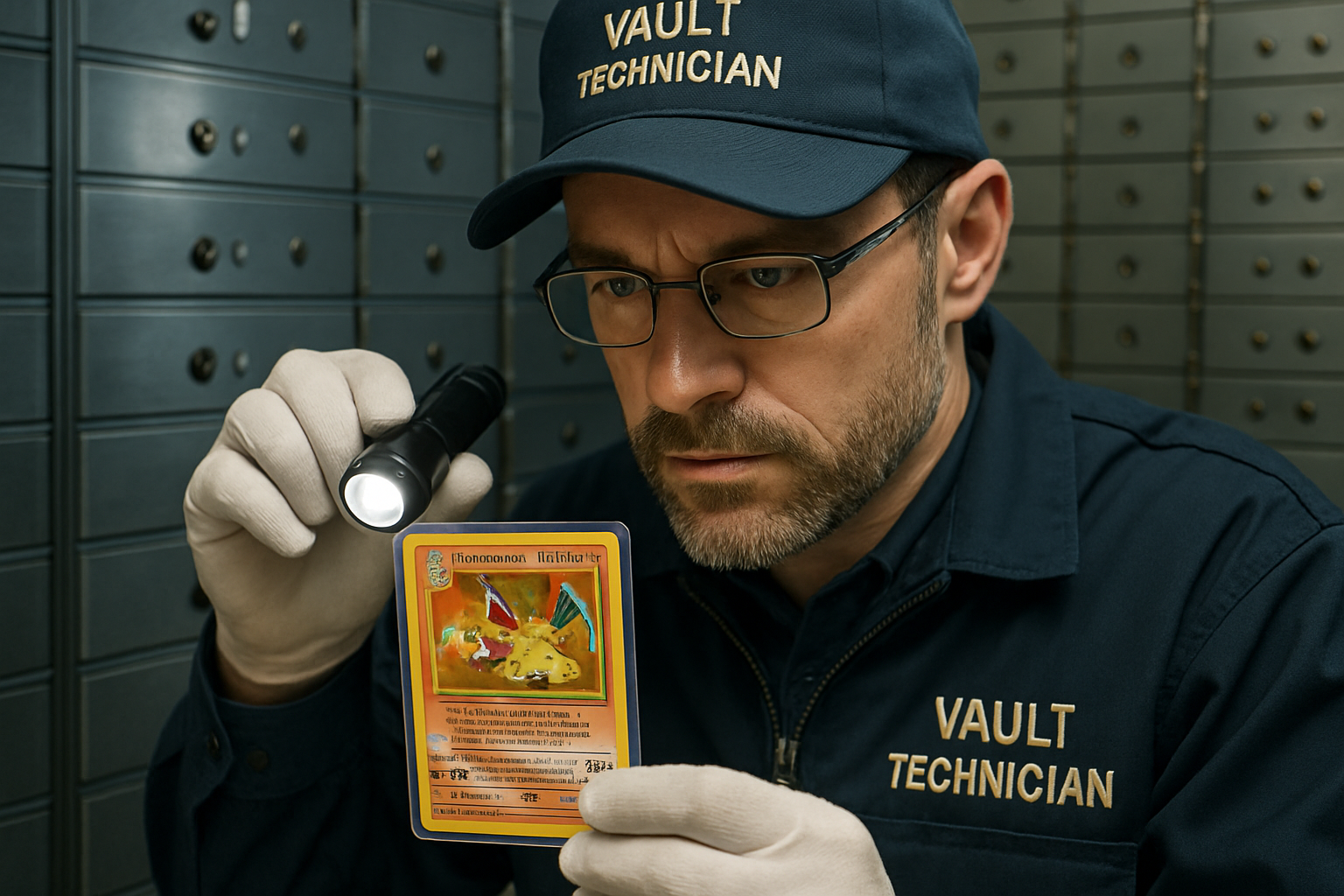
While digital collectibles have been around for years, 2025 marked the moment when Pokémon RWA blockchain platforms matured enough to attract both die-hard collectors and DeFi-native traders. The difference? Each NFT on these platforms is directly linked to a physical Pokémon card held in secure vaults, ensuring authenticity and bridging two previously disconnected worlds.
The result has been nothing short of staggering. According to on-chain analytics, August saw $124.5 million in trading volume for tokenized Pokémon cards alone, a 5.5x increase from January’s figures. This growth wasn’t an isolated event; it reflected broader confidence in RWA collectibles as viable blockchain investments.
The Platforms Powering the Tokenization Boom
Two platforms stood out as leaders in this new era:
- Courtyard (Polygon): Generated $78.4 million in August trading volume by securely vaulting physical cards and issuing NFTs through an innovative Vending Machine model that mirrors real pack openings.
- Collector Crypt (Solana): Accounted for $44 million in trades that month, with its native CARDS token experiencing a tenfold value increase and its Gacha Machine generating $16.6 million in sales during a single week.
This gamified approach, especially Collector Crypt’s Gacha Machine inspired by Japanese capsule toys, has driven engagement by replicating the thrill of pulling rare cards from booster packs, but with instant global liquidity and verifiable ownership records on-chain.
Nostalgia Meets Next-Gen Finance: Why Collectors and Traders Are All In
The appeal goes beyond speculation or novelty. For many collectors, tokenizing their prized Pokémon cards means unlocking liquidity without giving up ownership or provenance tracking. For crypto traders, these assets represent an uncorrelated market with deep emotional value, a hedge against volatility elsewhere.
The broader context matters too: The total RWA market ballooned to between $22 billion and $25 billion by August 2025, with forecasts suggesting trillions could be tokenized by 2030. Yet it was Pokémon cards that became the poster child for this movement, demonstrating how pop culture IP can thrive within blockchain ecosystems when authenticity is guaranteed.
Pushing Boundaries: Gamification and Community Power New Markets
No discussion of this phenomenon would be complete without acknowledging how gamification has redefined participation. Features like digital pack openings and random pulls have made platforms sticky, users return not just to trade but to experience moments of surprise akin to playground memories of yesteryear.
This blend of nostalgia-driven demand and next-generation infrastructure has created a virtuous cycle: Higher engagement leads to more liquidity, which attracts even more participants from both traditional collecting circles and crypto communities looking for unique exposure within their portfolios.
Yet, with such rapid growth and innovation, the tokenized Pokémon card market is also grappling with new questions around security, transparency, and risk. As trading volumes reached $124.5 million in August 2025, both platforms and users have had to prioritize robust vaulting protocols and transparent NFT issuance to maintain trust. The best platforms now offer full on-chain audit trails for each card’s provenance, grading reports integrated into NFT metadata, and insurance-backed custody for high-value assets.
For collectors used to static storage or peer-to-peer trades at conventions, the ability to instantly verify a card’s physical status, and redeem it if desired, has been transformative. Meanwhile, crypto-native users are leveraging DeFi tools like lending against tokenized cards or fractionalizing ownership of ultra-rare grails. This convergence of worlds is creating entirely new ways to experience both collecting and investing.
Risks and Considerations: What Should New Entrants Know?
No market is without its challenges. While blockchain solves many issues of authenticity and liquidity, new risks emerge:
- Custodial Risk: Trusting third-party vaults requires due diligence; not all platforms offer equal transparency or insurance.
- Smart Contract Vulnerabilities: As with any DeFi protocol, bugs or exploits could threaten user assets if not properly audited.
- Market Volatility: The surge in trading volume can lead to price swings, rare cards may spike during hype cycles but can also retrace sharply.
- Regulatory Uncertainty: As governments catch up with RWA innovations, future compliance requirements could impact platform operations or user access.
If you’re considering entering this space as a collector or investor, take time to research how tokenization works step-by-step by reading guides like this one. Staying informed about platform reputation and understanding your rights regarding redemption are key for long-term success.
Looking Ahead: The Future of Collectible RWAs
The meteoric rise of tokenized Pokémon cards in 2025 is just the beginning for RWA collectibles. As infrastructure matures and more IP holders explore on-chain models, we’re likely to see broader adoption across sports memorabilia, luxury goods, comics, and beyond. The Pokémon case study proves that when technology meets community-driven passion, and when trust is engineered into every step, traditional markets can be radically transformed.
The next frontier may involve even deeper integration between physical experiences (like live events or tournaments) and the digital provenance layer provided by NFTs. Imagine attending a championship where rare cards are distributed as both physical prizes and instant on-chain collectibles, a seamless blend of tangible excitement and blockchain-powered utility.
For anyone curious about the mechanics behind these trends or seeking strategies for navigating this fast-evolving landscape, explore our deep dives such as how tokenized Pokémon cards are changing the RWA collectibles market. The era of Pokémon cards as on-chain gold has arrived, and it’s redefining what it means to collect, invest, and belong within global fandoms.


No comments yet. Be the first to share your thoughts!