
Pokémon cards have always been more than just game pieces; they’re cultural icons and coveted collectibles. In 2025, a new wave of innovation is transforming how these cards are owned, traded, and valued. Tokenizing real Pokémon cards as NFTs has become the defining trend for collectors seeking liquidity, transparency, and global access to their favorite trading card assets. But how exactly does this work? Let’s break down the process and explore why trading card RWAs (real-world assets) are making headlines across both the crypto and collectibles worlds.
From Vault to Blockchain: How Real Pokémon Cards Become NFTs
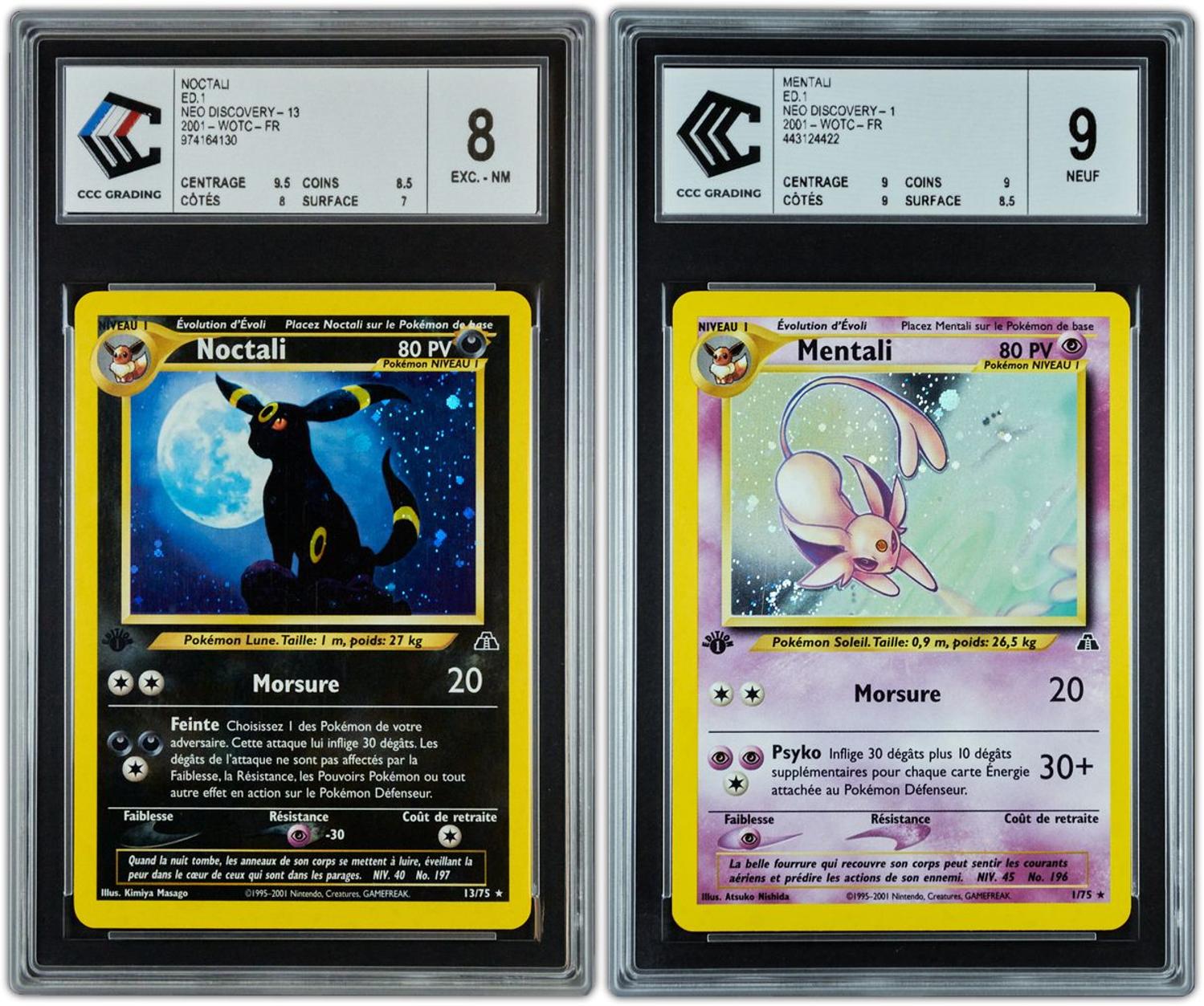
The journey from a physical Pokémon card to its digital twin on-chain starts with asset verification. Trusted custodians authenticate each card, checking for edition, condition, rarity, and provenance, before locking it away in secure vaults. This step is crucial: buyers need confidence that every tokenized asset is genuine. Once authenticated, platforms mint a unique NFT (typically an ERC-721 token) containing detailed metadata about the card’s attributes.
This NFT acts as a digital certificate of ownership, linking directly to the physical card stored in custody. Owners can trade these NFTs instantly on blockchain marketplaces without ever handling the fragile original. Should someone wish to redeem the real card, they simply ‘burn’ the NFT, permanently removing it from circulation, and claim delivery from the vault. This seamless bridge between physical and digital solves long-standing issues around trust and accessibility in high-value collectibles.
2025 Market Surge: Trading Volume Hits $124.5 Million
The numbers speak for themselves: in August 2025 alone, tokenized Pokémon cards generated $124.5 million in trading volume. Platforms like Collector Crypt and Courtyard. io now lead this RWA boom by offering open markets for buying, selling, or even fractionalizing rare cards, making blue-chip collectibles accessible to more investors than ever before.
This surge is fueled not only by collector enthusiasm but also by broader crypto adoption. As of November 12,2025:
- Ethereum (ETH): $3,394.43 (24h change: -$86.21/-2.48%)
- Bitcoin (BTC): $101,606.00 (24h change: -$1,886.00/-1.82%)
These price points matter because most NFT transactions, including those involving Pokémon cards, are settled in ETH or other major cryptocurrencies.
The Benefits of Tokenizing Physical Trading Cards
Why are so many collectors turning to on-chain solutions? The advantages go far beyond hype:
- Enhanced Liquidity: Trade instantly on global marketplaces without shipping delays or risk of damage.
- Fractional Ownership: Own a piece of high-value cards through fractionalized NFTs, lowering barriers for new investors.
- Provenance and Security: Blockchain records every transaction for transparent ownership history and reduced fraud risk.
- Permanence and Accessibility: NFTs can be managed from anywhere with internet access, no need for complex logistics or insurance paperwork.
If you’re curious about how tokenization is reshaping collecting culture, and what it means for your own portfolio, I recommend reading our deep dive on how tokenized Pokémon cards are changing the RWA collectibles market.
As collectors and investors embrace this digital transformation, the intersection of blockchain technology and physical trading cards is rewriting the rules of engagement. With tokenized Pokémon cards, the once niche world of card collecting is now accessible to a global audience, with instant settlement and reduced friction. In 2025, platforms are racing to offer not just simple buy-sell mechanics but also unique features like gacha vending machines, DeFi yield integrations, and even buyback mechanisms that deepen liquidity for rare assets.
Navigating Risks: What Every Collector Should Know
Despite the excitement, it’s important to approach tokenized trading card RWAs with a clear understanding of potential risks. Regulatory compliance remains a moving target as governments adapt to the rapid growth of crypto-backed RWAs. Always verify that your chosen platform follows best practices for custody and KYC/AML requirements. Custodial trust is another critical factor: ensure the third-party vaulting service has a transparent track record and robust insurance policies.
Market volatility can also impact both your NFT value (tied to ETH or other crypto prices) and the underlying card’s market price. For example, while Bitcoin sits at $101,606.00 and Ethereum at $3,394.43, sharp swings in either direction can influence NFT settlement values or investor sentiment.
Comparison of Leading Tokenized Pokémon Card Platforms (2025)
| Platform | Fees | Custody Model | Supported Blockchains | Unique Features |
|---|---|---|---|---|
| Collector Crypt | 2.5% trading fee | Third-party secure vaults; NFT must be burned to redeem physical card | Ethereum, Solana | Open market for card trading, gacha vending machine, buyback mechanism, CARDS token |
| Courtyard.io | 3% trading fee | Institutional-grade vaults; NFT redemption for physical delivery | Ethereum, Polygon | Fractional ownership, instant NFT minting, insurance coverage, curated card selection |
How to Get Started with Tokenized Pokémon Cards
If you’re ready to explore this cutting-edge space for yourself, here’s a quick roadmap:
- Pick Your Platform: Research leading RWA marketplaces like Collector Crypt or Courtyard. io for their reputation and features.
- Create a Crypto Wallet: Most platforms require an Ethereum-compatible wallet (like MetaMask) for NFT transactions.
- Deposit Funds: Purchase ETH or stablecoins on an exchange; transfer them to your wallet.
- Select Your Card: Browse listings by rarity, edition, or price; verify authenticity via on-chain metadata.
- Trade or Fractionalize: Buy entire cards as NFTs or join fractional ownership pools for high-value assets.
This process makes investing in blue-chip Pokémon cards as seamless as trading any digital asset, while ensuring your piece of cardboard history is safe in a professional vault until you’re ready to redeem it.
The Future of On-Chain Collectibles
The momentum behind tokenized Pokémon cards isn’t slowing down. As new projects launch on Solana and Ethereum alike, and as more collectors seek exposure without physical logistics, expect further innovation in how RWAs are managed on-chain. We’re already seeing experimentation with DeFi integrations (like staking NFTs for yield), cross-chain transfers of card ownership, and dynamic pricing models that reflect both crypto market trends and TCG demand cycles.
If you want to dive deeper into the mechanics of this revolution, including step-by-step guides for tokenizing your own collection, check out our comprehensive walkthroughs on how to tokenize your Pokémon cards as NFTs. The landscape will keep evolving, but one thing is certain: blockchain-powered ownership is here to stay for trading card enthusiasts worldwide.

No comments yet. Be the first to share your thoughts!