
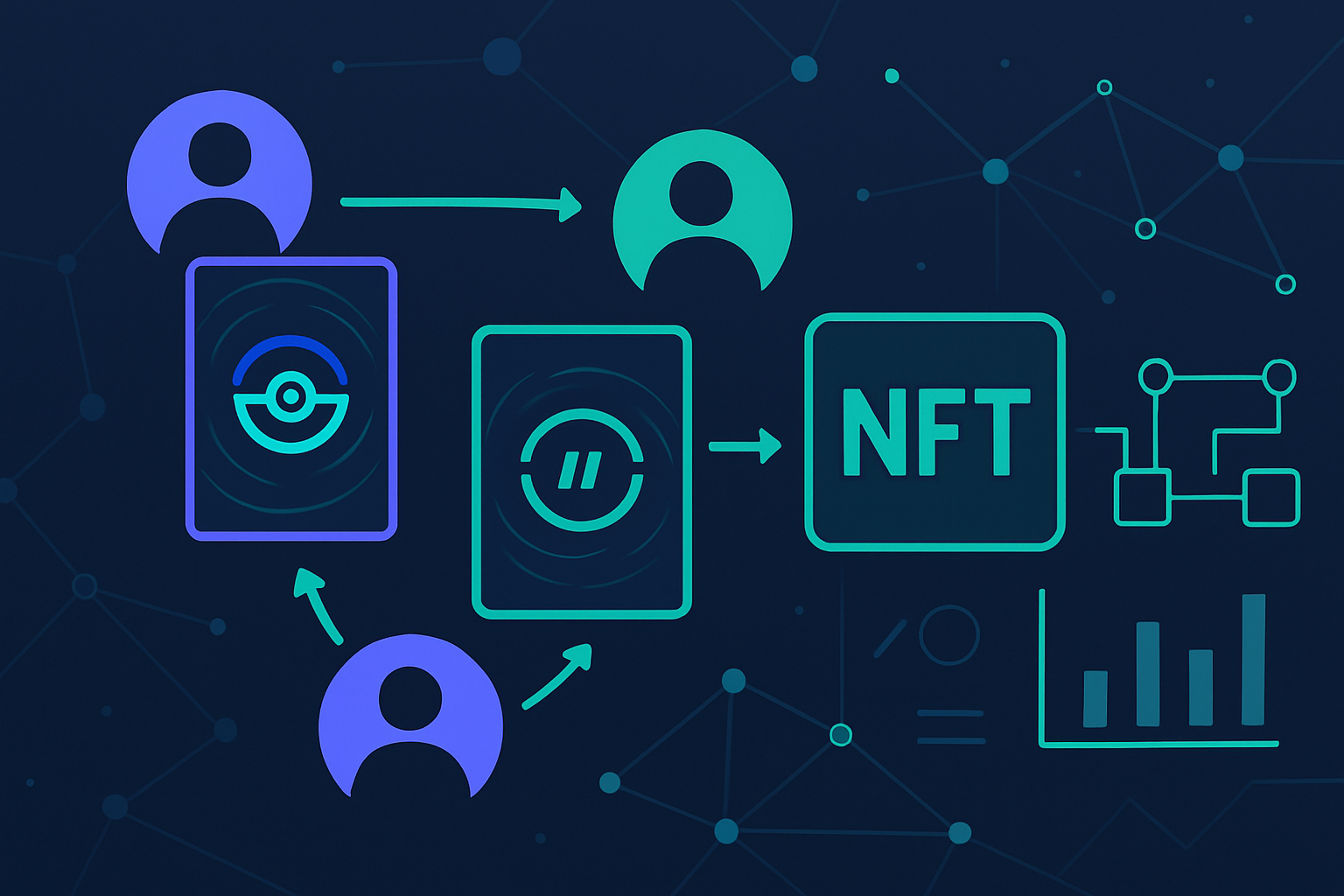
Tokenized Pokémon cards are rapidly redefining the collectibles landscape, offering a unique intersection between tangible nostalgia and cutting-edge blockchain innovation. In August 2025, trading volumes for these assets soared past $124.5 million, underscoring their explosive growth and increasing relevance among collectors, investors, and crypto enthusiasts alike.
What Makes Tokenized Pokémon Cards Different?
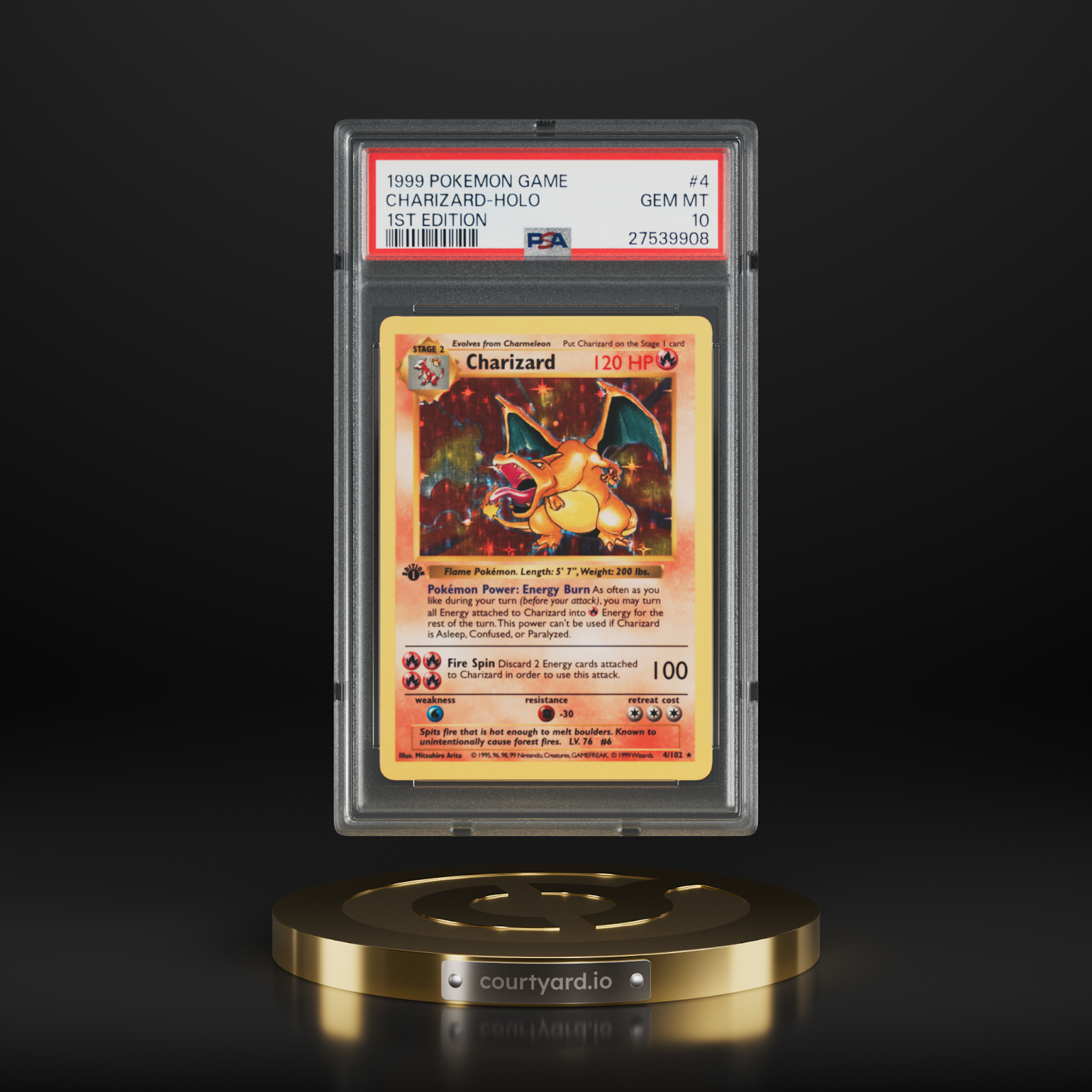
At their core, tokenized Pokémon cards are NFTs (non-fungible tokens) directly backed by real, physical Pokémon cards held in secure vaults. Unlike conventional NFTs that exist solely in the digital realm, each of these tokens is verifiably linked to a specific card, often graded and authenticated by trusted third parties. This linkage ensures two critical benefits:
- Authenticity: Every NFT is tied to a genuine card stored in a climate-controlled facility, eliminating the risk of counterfeits.
- Redeemability: Owners have the option to redeem their NFT for the actual physical card at any time, providing true asset ownership rather than mere digital bragging rights.
This model has resonated with both seasoned collectors seeking liquidity and new entrants looking for transparent provenance on high-value assets.
The Platforms Powering Blockchain Pokémon Card Trading
The infrastructure enabling this transformation is robust and expanding. Here are three key platforms leading the charge:
- Collector Crypt: Built on Solana, Collector Crypt lets users send in their physical Pokémon cards for grading and vaulting. Each card is then minted as an NFT, tradeable instantly on-chain. Their native token, CARDS, saw a staggering 200% and surge within hours of launch, pushing its fully diluted valuation to $140 million. Transaction fees range from just 2, 4%, far more competitive than legacy platforms like eBay (which charges around 13.25%).
- Magic Eden: In collaboration with Collector Crypt, Magic Eden rolled out exclusive drops featuring rare tokenized cards such as the coveted 2000 Gym Challenge 1st Edition Holo Blaine’s Charizard. These NFTs can be redeemed for the underlying physical card, a seamless blend of digital excitement and real-world value.
- Courtyard: This platform specializes in NFT-linked giveaways and mystery packs where each NFT corresponds to a graded card stored by Brink’s. The result: authenticity guaranteed by blockchain verification plus instant global tradability.
This ecosystem ensures that both liquidity and security are prioritized, two factors historically lacking in traditional collectibles markets.
The Strategic Advantages of Tokenization
The rise of Pokémon card NFTs is not just hype; it’s grounded in data-driven advantages that address longstanding pain points in the collectibles sector:
- Instant Global Trading: No more waiting weeks for shipping or worrying about lost packages, NFT-backed trades settle globally within minutes.
- Enhanced Liquidity: Tokenization converts illiquid cardboard into liquid digital assets tradable on open marketplaces at any time.
- Total Transparency and Security: Blockchain ledgers provide immutable records of ownership history and authenticity checks, critical for high-value assets where fraud risk is non-trivial.
- Dramatically Reduced Fees: With transaction costs slashed to as low as 2%, collectors keep more value compared to traditional auction sites or peer-to-peer sales channels.
If you’re interested in learning how to tokenize your own collection step-by-step, check out our detailed guide: How to Tokenize Your Pokémon Cards as NFTs: Step-by-Step Guide for Collectors.
A Market Surging Past $124.5 Million, and Still Growing
This isn’t just theory, the numbers speak volumes. In August 2025 alone, tokenized Pokémon card trading volumes exceeded $124.5 million, reflecting both surging demand from crypto-native investors and renewed interest from traditional collectors seeking new liquidity avenues. The trend signals not only mainstream adoption but also a broader move toward tokenizing all forms of real-world assets (RWAs): from art to luxury goods, on-chain.
Platforms like Collector Crypt, Magic Eden, and Courtyard are only the beginning. As more collectors recognize the efficiency, transparency, and security of blockchain Pokémon cards, we’re seeing a virtuous cycle: increased adoption drives liquidity, which in turn attracts even more participants. The result? A rapidly maturing market that’s outpacing traditional trading venues in both volume and sophistication.
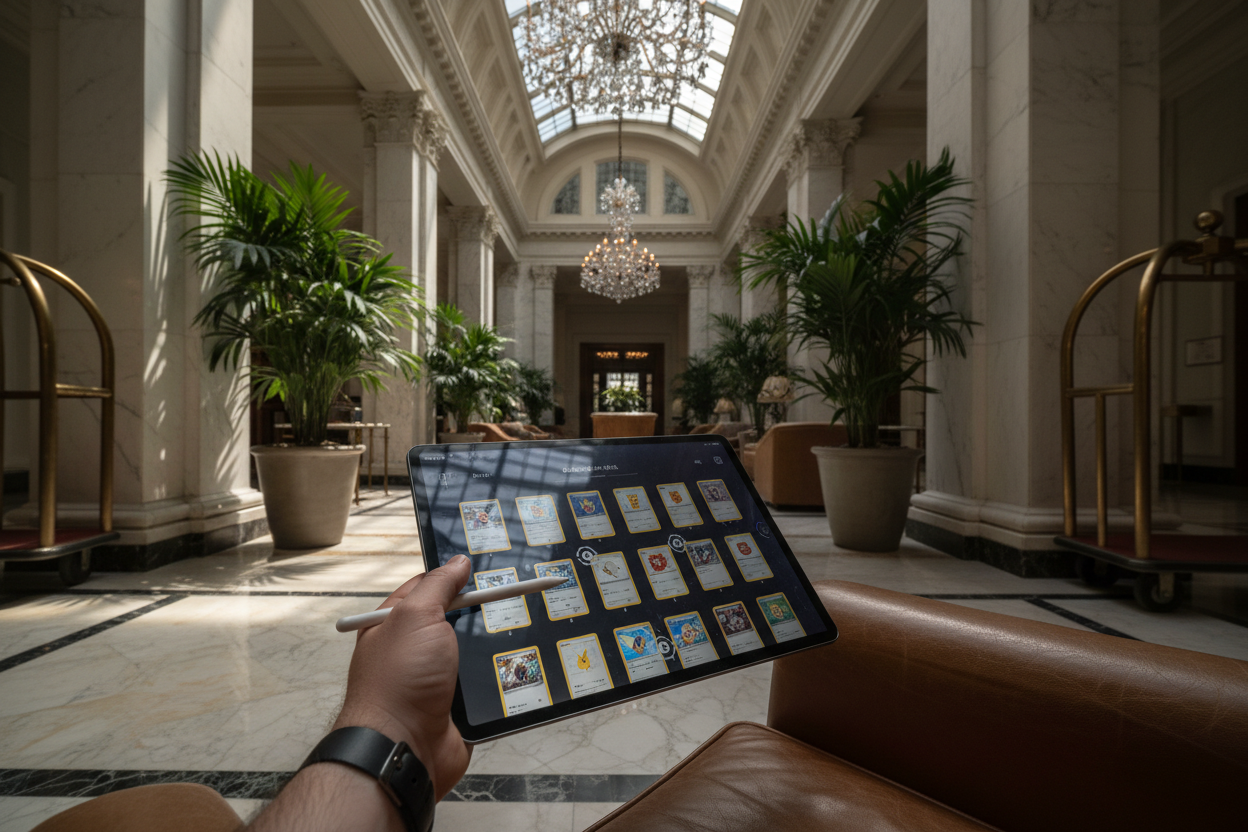
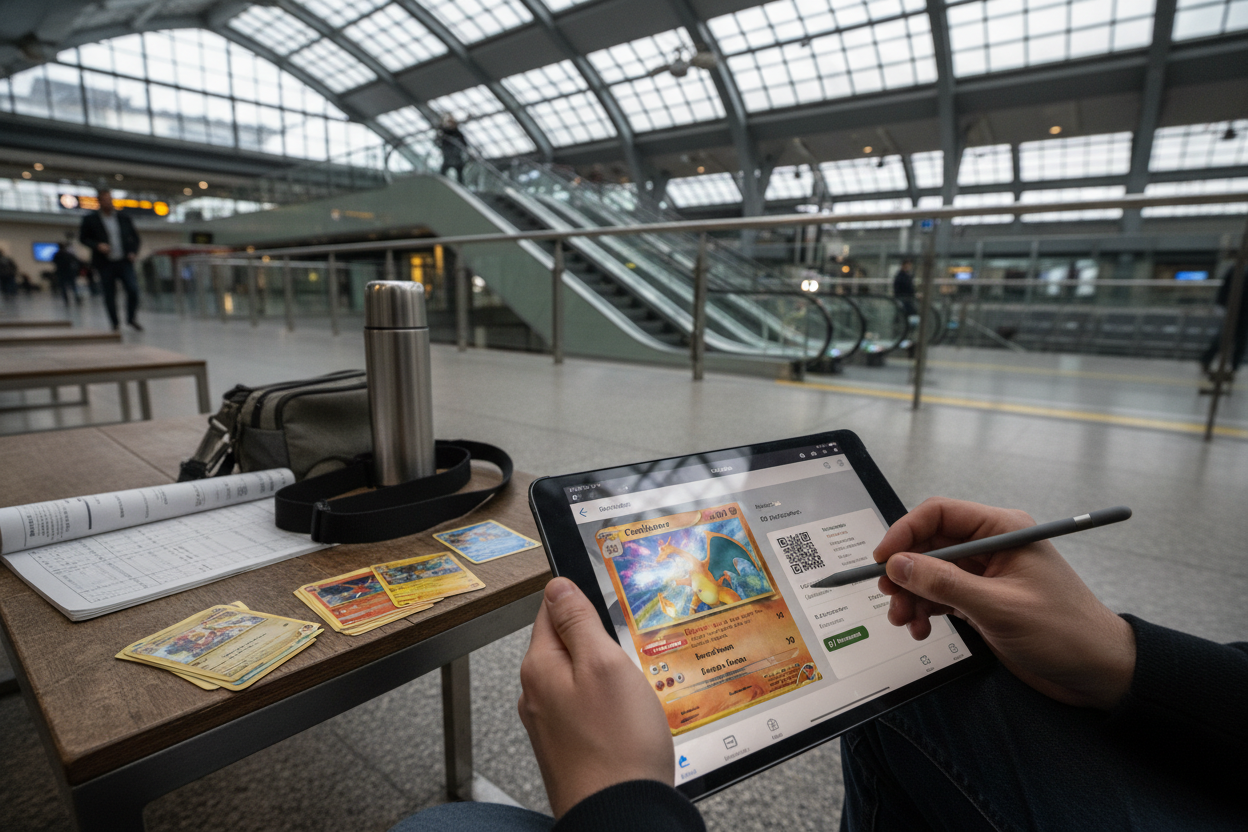
One of the most compelling aspects is how tokenization is democratizing access. No matter where you are in the world, you can now participate in high-value Pokémon card markets without logistical headaches or geographic limitations. This global accessibility is fueling cross-border trading and price discovery at unprecedented scale, a stark contrast to the old days of eBay auctions and local card shows.
Risks, Challenges, and What’s Next for Trading Card RWAs
Despite its promise, tokenized trading isn’t without challenges. Lending against Pokémon card NFTs is still nascent; while some platforms experiment with using these tokens as collateral for DeFi loans, liquidity remains limited compared to blue-chip crypto assets. There’s also the question of regulatory clarity as governments worldwide begin to scrutinize real-world asset tokenization.
Security remains paramount, platforms must maintain rigorous vaulting standards and transparent redemption mechanisms to avoid reputational risk or loss events. For investors, due diligence is critical: always verify a platform’s authentication process and storage protocols before sending in valuable cards.
The future looks bright as major players refine their offerings and new entrants innovate on fractional ownership, dynamic pricing models, or gamified experiences. Expect to see continued growth in market volume, especially as more iconic sets (think Base Set Charizard or Shadowless Pikachu) are brought on-chain.
How to Get Started with Tokenized Pokémon Cards
If you’re ready to explore this new frontier of NFT Pokémon trading, start by researching reputable platforms that offer secure vaulting and transparent NFT issuance. Look for marketplaces with active trading volume (like those posting $124.5 million monthly turnover) and robust community engagement.
For step-by-step instructions on turning your physical collection into digital assets, without sacrificing authenticity, see our comprehensive walkthrough: How to Tokenize Your Pokémon Cards as NFTs: Step-by-Step Guide for Collectors.
The intersection of blockchain technology and collectible RWAs is still evolving, but with surging demand, improved infrastructure, and a growing ecosystem of trusted platforms, tokenized Pokémon cards have cemented themselves as a legitimate asset class. Whether you’re a collector chasing nostalgia or an investor seeking exposure to alternative assets with real-world backing, this market offers both excitement and opportunity. Diversification isn’t just smart, it’s now digital.


No comments yet. Be the first to share your thoughts!