
In the ever-evolving world of collectibles and blockchain, few narratives are as compelling as the meteoric rise of Pokémon cards as the most liquid real-world asset (RWA) on-chain. The numbers are staggering: in August 2024 alone, trading volume for tokenized Pokémon cards soared to $124.5 million, a 40% month-over-month leap that has solidified their status as the benchmark for RWA liquidity in the crypto space. This explosive growth is not a coincidence. It is the result of innovative platforms, gamified mechanics, and a collector base eager for global, instant, and secure trading.
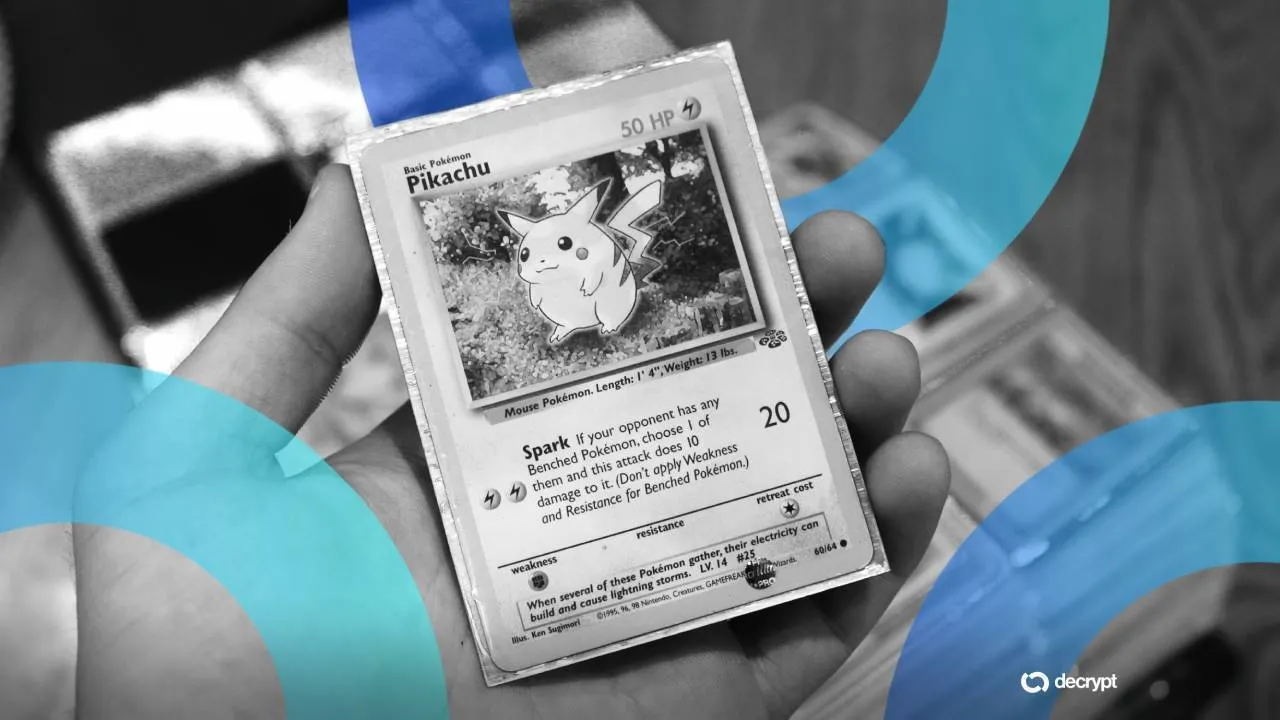
Courtyard (Polygon): Setting the Standard with $85M and in Monthly Volume
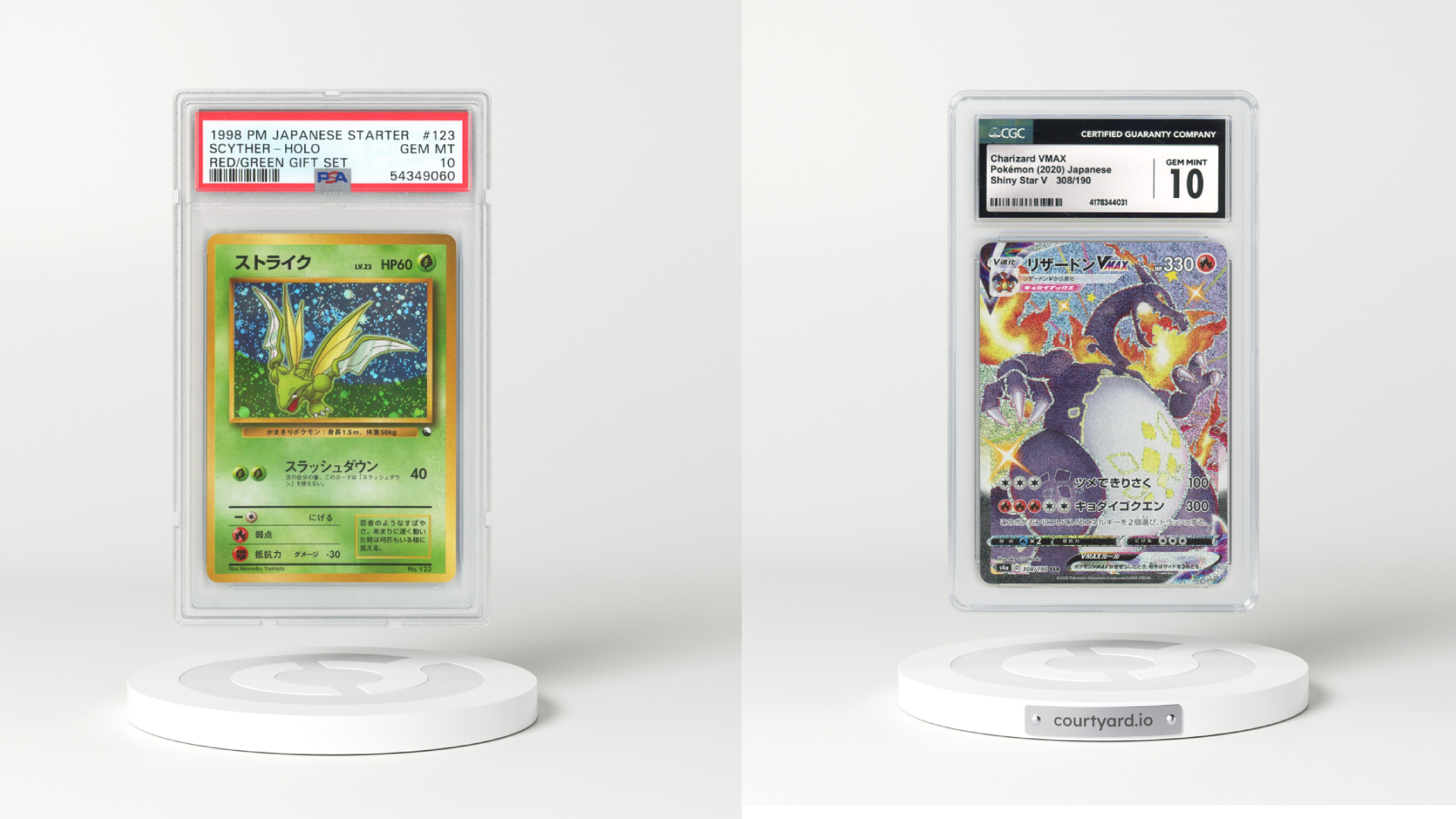
Courtyard. io, operating on the Polygon network, has emerged as the premier platform for tokenized Pokémon cards. In August 2024, Courtyard accounted for over $85 million in trading volume, making it the undisputed leader in this rapidly expanding market. The secret to Courtyard’s dominance lies in its robust infrastructure: every NFT is backed 1: 1 by a physical, graded Pokémon card stored in secure vaults. This approach guarantees authenticity and redemption, addressing a core pain point for traditional collectors moving into crypto.
The platform’s secondary market is both active and liquid, allowing users to trade instantly with global participants. The seamless bridge between physical and digital assets, combined with features like buyback guarantees and transparent provenance, has made Courtyard the go-to destination for serious collectors and crypto-native traders alike.
“We’re witnessing a paradigm shift where physical collectibles become as easy to trade as any ERC-20 token. Pokémon cards are leading this wave. ”
Collector Crypt (Solana): Gamification Meets High-Speed Trading
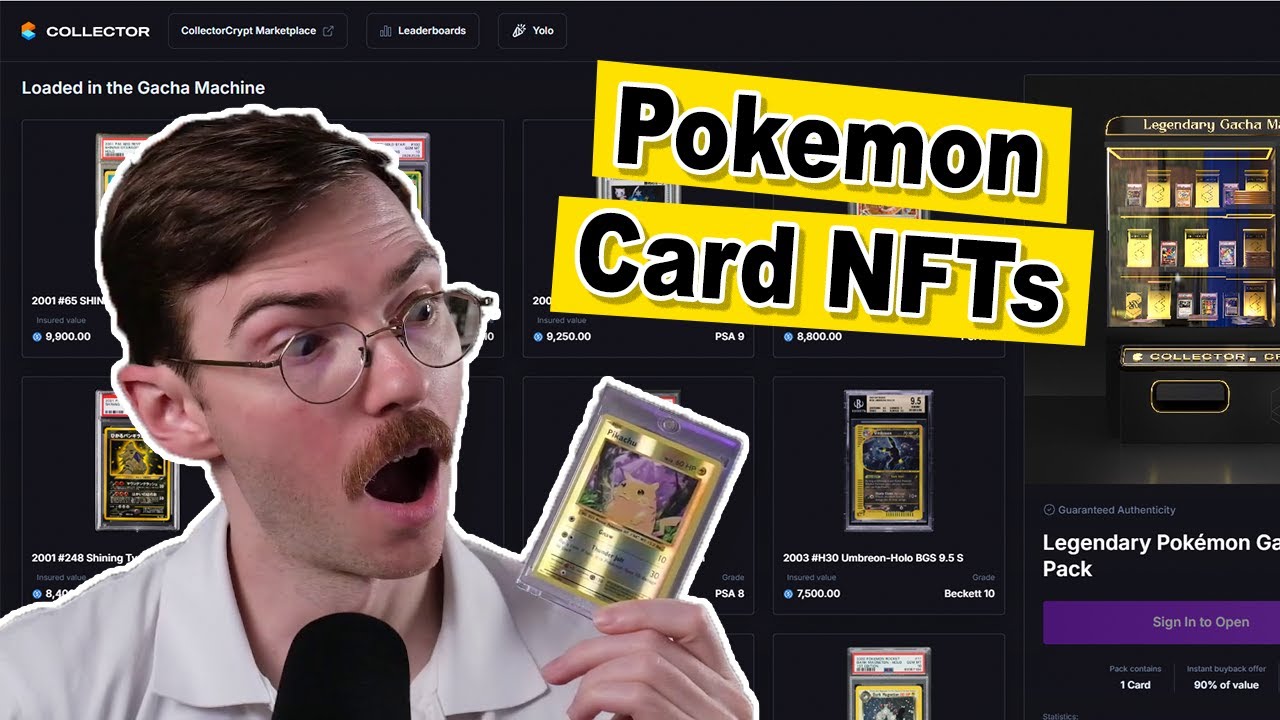
While Courtyard dominates on Polygon, Collector Crypt on Solana is rewriting the rules of engagement through gamification and ultra-fast settlement. In August 2024, Collector Crypt facilitated over $25 million in Pokémon card trades, capitalizing on Solana’s low fees and rapid transaction finality.
The platform’s standout innovation is its "Gacha machine" - a digital vending system inspired by Japanese capsule toys. Users spend crypto for randomized card pulls, creating a dynamic blend of chance, excitement, and speculation. This mechanic has proven so popular that it accounted for nearly all of Collector Crypt’s August volume, often selling out new drops within hours.
By merging traditional TCG pack-opening thrills with instant blockchain settlement, Collector Crypt has attracted both seasoned collectors and a new generation of crypto enthusiasts seeking novel experiences and liquidity.
The Gamified Tokenization and Liquidity Surge: August 2024’s $124.5M Breakout
The combined trading volume across platforms like Courtyard and Collector Crypt reached an unprecedented $124.5 million in August 2024. This marks not only a 40% monthly increase but also a 5.5x surge since January - a testament to how quickly collectors are embracing on-chain liquidity and instant settlement. These figures place Pokémon cards at the forefront of the liquid RWA movement, outpacing other collectibles and even rivaling some established digital asset classes.
This liquidity boom is driven by several interconnected trends:
Top Pokémon Card RWA Platforms & Market Trends
- Courtyard (Polygon): The leading platform for tokenized Pokémon cards, Courtyard.io accounted for over $85M in monthly trading volume in August 2024. Its vault-backed NFTs and robust secondary market bridge physical collectibles with on-chain liquidity, offering graded card storage, 1:1 minting, and seamless redemption.
- Collector Crypt (Solana): This gamified RWA marketplace facilitated $25M+ in Pokémon card trades in August 2024. Collector Crypt leverages Solana’s low fees and rapid settlement, attracting both collectors and crypto-native traders. Its signature Gacha machine—a digital pack-opening experience—drives significant volume and user engagement.
- Market Trend – Gamified Tokenization & Liquidity Surge: The combined trading volume for tokenized Pokémon cards across all platforms surpassed $124.5M in August 2024, reflecting a 40% month-over-month increase. This surge highlights the appeal of on-chain liquidity, instant settlement, and global access as collectors embrace gamified trading and real-world asset tokenization.
- Gamified pack openings: The Gacha mechanism now accounts for over 90% of transaction volume on leading platforms.
- Vault-backed NFTs: Ensuring each token represents a real, redeemable asset builds trust and drives secondary market activity.
- Global accessibility: Blockchain removes geographic barriers, opening up Pokémon card trading to a worldwide audience 24/7.
The result? Pokémon trading cards have become a near-perfect case study for how real-world assets can achieve deep liquidity and transparency on blockchain rails - all while preserving the nostalgia and excitement that made them iconic collectibles in the first place.
Looking ahead, the implications of this surge in Pokémon card RWA liquidity are profound for both the collectibles and crypto sectors. As platforms like Courtyard and Collector Crypt refine their models, the boundaries between physical and digital ownership continue to blur, unlocking new strategies for portfolio diversification and alternative investment. For investors, this means an asset class that combines the tangibility and cultural cachet of Pokémon with the speed and transparency of the blockchain.
Market analysts point out that the $124.5 million monthly trading volume is not just a fleeting spike but part of a sustained trend. The gamified mechanics pioneered by Collector Crypt, especially the Gacha system, have effectively created a new entertainment-investment hybrid, driving user engagement and transaction frequency. Meanwhile, Courtyard's focus on security, authenticity, and redemption is setting industry standards for trust and risk management in tokenized collectibles.
Why Pokémon Card RWAs Are Winning: Liquidity, Transparency, and Global Reach
Three core drivers explain why Pokémon cards have eclipsed other collectibles as the most liquid RWA on blockchain:
- 24/7 Global Market: Blockchain platforms never close, giving collectors and traders around-the-clock access to liquidity. This eliminates the delays and friction typical of traditional auction houses or peer-to-peer marketplaces.
- Instant Settlement: Both Courtyard (Polygon) and Collector Crypt (Solana) offer near-instantaneous trade finality. No more waiting for shipping or escrow, ownership transfers in seconds.
- Trustless Provenance: Every card’s grading, storage, and transaction history is immutably recorded on-chain. This level of transparency is unprecedented in the collectibles world, reducing fraud and boosting investor confidence.
This winning combination has not only attracted legacy collectors but also drawn in a new wave of crypto-native investors who see Pokémon cards as a viable alternative asset. The result is a virtuous cycle: more liquidity begets more participation, which in turn deepens the market and fuels further growth.
What’s Next for Tokenized Pokémon Cards?
With $124.5 million in monthly trading volume now established as the new benchmark, industry observers expect continued innovation. We’re likely to see more advanced fractionalization options, cross-chain interoperability, and even integration with DeFi protocols for lending or yield generation on high-value cards. The infrastructure built by Courtyard and Collector Crypt is already being studied as a blueprint for tokenizing other physical assets, from sports memorabilia to fine art.
Yet, it’s the combination of nostalgia, gamification, and financialization that keeps Pokémon at the center of the RWA conversation. As long as these platforms continue to deliver seamless user experiences and airtight security, the liquidity and appeal of tokenized Pokémon cards show no signs of slowing down.

No comments yet. Be the first to share your thoughts!